7 Proven Tips for Thinning Hair Restoration


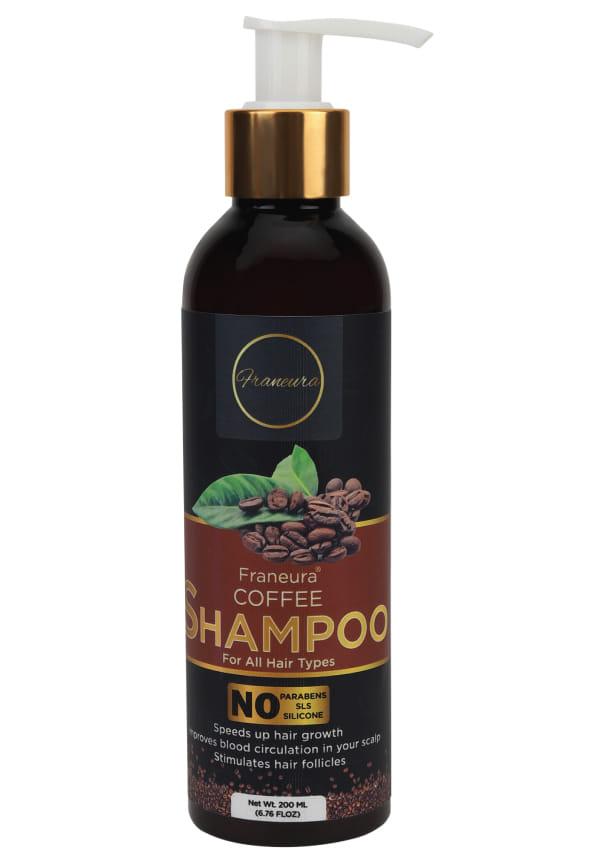
Daily Use Natural Coffee Shampoo - Revitalize and Strengthen Hair
Let's be real—watching your hair get thinner can feel like watching your confidence disappear strand by strand. Whether it's genetics playing tricks on you, stress taking its toll, or just life happening, thinning hair is more common than you think. The good news? There are proven ways to tackle this head-on (pun intended). From simple scalp care tweaks to smart product choices, these seven tips for thinning hair will help you work with what you've got and maybe even get some of that volume back. No magic promises here, just real solutions that actually work.
Before diving into solutions, it helps to know what you're dealing with. Hair thinning isn't the same as hair loss—think of it as your strands getting finer and your scalp becoming more visible, rather than bald patches appearing overnight.
Genetics usually leads the pack here. If your parents dealt with thin hair, chances are you might too. Hormonal changes, especially during pregnancy, menopause, or thyroid issues, can also mess with your hair's thickness. Then there's stress—both physical and emotional—which can push hair follicles into a resting phase.
Losing 50-100 hairs daily is totally normal. But if you're noticing more hair in your brush, shower drain, or pillow, it might be time to step up your haircare game. The earlier you start with hair thinning solutions, the better your chances of maintaining what you have.
Your scalp is basically the soil where your hair grows, so keeping it healthy is non-negotiable. Think of it as creating the perfect environment for your follicles to do their thing.
Spend 5-10 minutes massaging your scalp daily. Use your fingertips (not nails) to apply gentle pressure in circular motions. This boosts blood circulation, which means more nutrients reach your hair follicles. Plus, it feels amazing after a long day.
Rosemary oil has been shown to be as effective as some commercial hair growth treatments. Mix a few drops with a carrier oil like coconut or jojoba, and massage it into your scalp. Peppermint oil is another winner—it creates a tingling sensation that indicates increased blood flow.
Over-washing can strip your scalp of natural oils, but under-washing can clog follicles. Find your sweet spot—usually 2-3 times a week for most people. Use lukewarm water and focus the shampoo on your scalp, not the lengths of your hair.
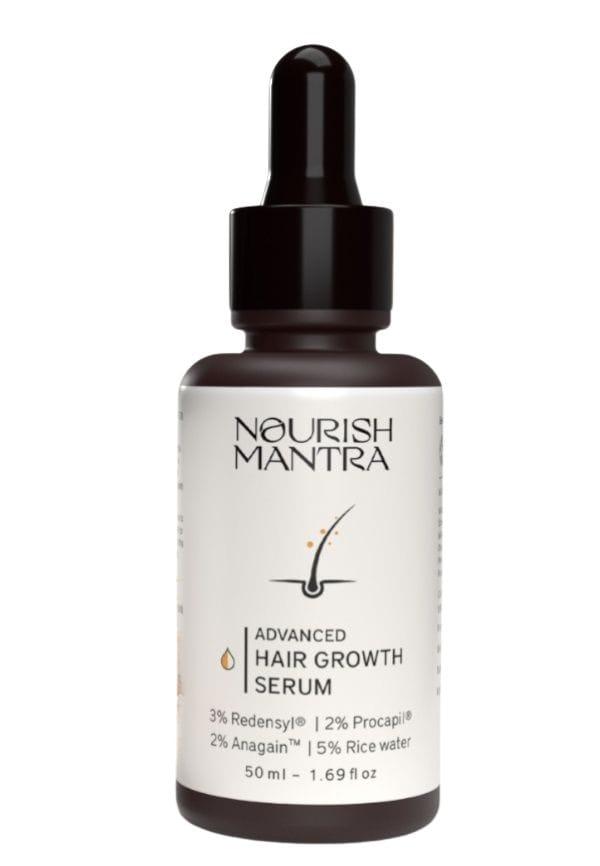
Advanced Hair Growth Serum for Hair Regrowth and Prevention of Hair Thinning - 50 ml
Not all haircare products are created equal, especially when you're dealing with fine or thinning hair. The right products can make your hair look fuller whilst supporting scalp health.
Seek out shampoos with biotin, keratin, or saw palmetto. Avoid sulphates if your hair is particularly fragile—they can be too harsh. Volumising shampoos work by coating each strand to make it appear thicker, but don't expect miracles overnight.
Root-lifting sprays, volumising mousses, and dry shampoos can be game-changers. Apply these to damp hair at the roots before blow-drying. The key is using just enough—too much and your hair will look weighed down or greasy.
Skip heavy conditioners that can flatten fine hair. Instead, use lightweight formulas and apply them only to the mid-lengths and ends. Leave-in treatments with peptides or growth factors can nourish without adding bulk.
How you treat your hair daily matters more than you might think. Gentle handling can prevent further thinning and breakage, whilst smart styling can create the illusion of fuller hair.
Constant heat can weaken already fragile strands. Try air-drying with a volumising mousse, or use heat tools on the lowest effective setting. Always use a heat protectant—think of it as sunscreen for your hair.
Layered cuts can add movement and the appearance of thickness. Avoid blunt cuts that can make thin hair look flat. Side parts often create more volume than centre parts, and shorter styles generally look fuller than long ones.
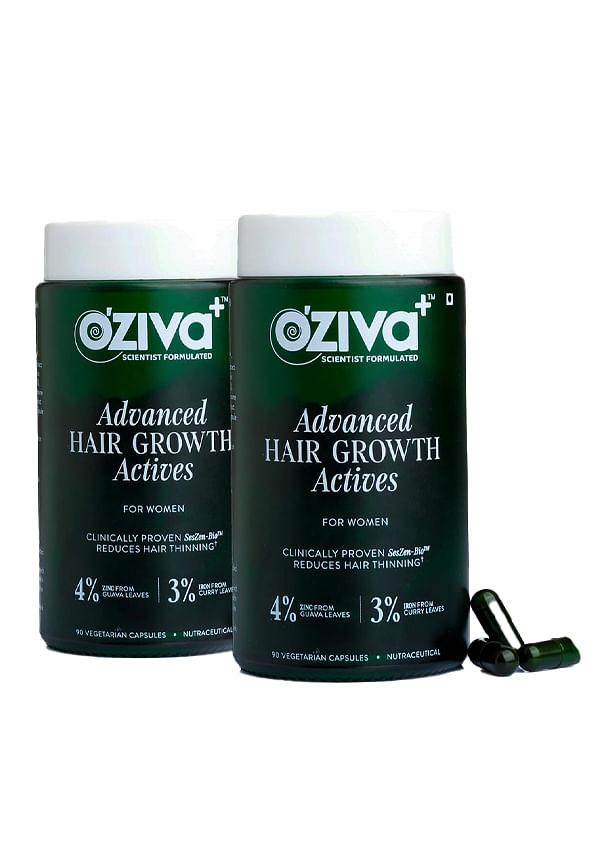
Advanced Hair Growth Actives | Anti-Thinning Hair Formula for Women
Use a wide-tooth comb on wet hair and a boar bristle brush on dry hair. Start from the ends and work your way up to prevent breakage. Never brush wet hair aggressively—it's at its most vulnerable when saturated with water.
What you put in your body shows up in your hair. Whilst topical treatments work from the outside, proper nutrition supports hair growth from within.
Protein is crucial since hair is mostly made of keratin. Include lean meats, fish, eggs, or plant-based proteins in your diet. Iron deficiency is linked to hair loss, so consider spinach, lentils, and lean red meat. Omega-3 fatty acids from fish or flaxseeds can improve hair density.
Chronic stress can push hair follicles into a resting phase, leading to thinning. Regular exercise, meditation, or even just taking time for hobbies you enjoy can help manage stress levels. Your hair will thank you for it.
Your body repairs itself during sleep, including hair follicles. Aim for 7-9 hours of quality sleep. Use a silk or satin pillowcase to reduce friction that can cause breakage whilst you sleep.
Sometimes at-home solutions need backup. Knowing when to seek professional help can save you time and potentially prevent further thinning.
Minoxidil is available over-the-counter and can help slow hair loss and promote regrowth. For more severe cases, dermatologists might prescribe finasteride (for men) or spironolactone (for women). These work by blocking hormones that contribute to hair loss.
PRP (platelet-rich plasma) therapy involves injecting your own processed blood into the scalp to stimulate growth. Low-level laser therapy is another option that some people find helpful. These treatments require multiple sessions and can be costly.
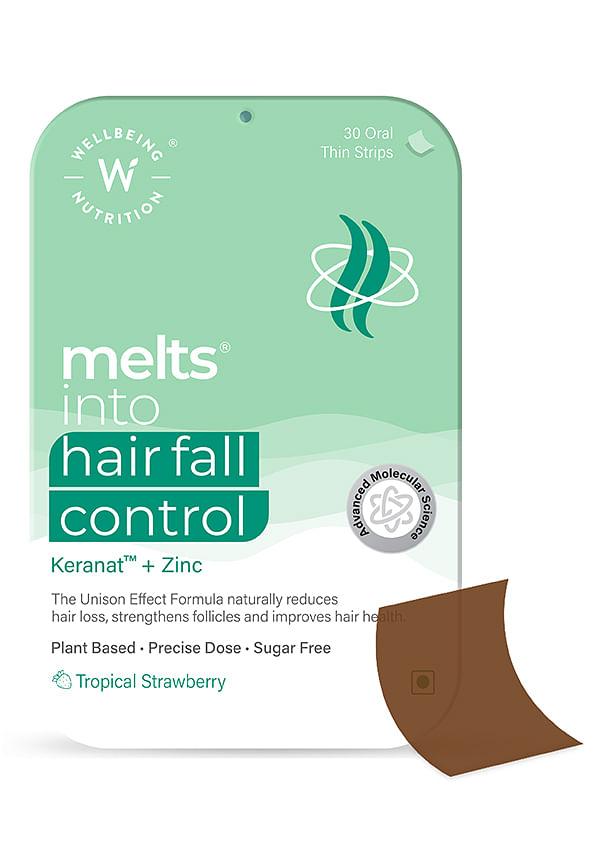
Melts Hair Fall Control Keranat & Zinc, Hair Loss Support to Improve Hair Anchoring (30 Oral Strips)
Hair growth is slow—typically half an inch per month. Most treatments take 3-6 months to show noticeable results. Be patient and consistent with whatever approach you choose.
With so many hair thinning solutions available, finding what works for you can feel overwhelming. This is where trying before buying becomes invaluable. Smytten, India's largest product discovery platform, offers curated trial packs from over 1,500 trusted brands, letting you explore different haircare products before committing to full sizes. Whether you're looking for volume boosting products, gentle shampoos, or scalp treatments, you can get up to 8 minis for just ₹249 with 100% cashback redeemable for future purchases. With options from brands like Cetaphil, Dot & Key, and Love, Beauty & Planet, you can discover what works for your specific hair needs without the guesswork.
Yes, in many cases hair can regrow, especially if the thinning is due to temporary factors like stress, nutritional deficiencies, or hormonal changes. However, genetic thinning is harder to reverse completely, though it can often be slowed or improved.
Most treatments take 3-6 months to show noticeable results. Hair growth is naturally slow, so patience is key. Some volumising products can give immediate cosmetic improvements, but actual regrowth takes time.
Fine hair refers to the diameter of individual strands, whilst thinning hair means fewer strands overall. Fine hair needs lightweight products that don't weigh it down, whilst thinning hair benefits from treatments that support scalp health and potentially stimulate growth.
Whilst many strategies work for both, hormonal differences mean some treatments are gender-specific. Men might benefit from DHT-blocking ingredients, whilst women dealing with hormonal changes might need different approaches.
If you're losing more than 100 hairs daily, notice sudden changes in hair texture or density, or see visible scalp in areas that weren't thin before, it's worth consulting a dermatologist or trichologist.
Dealing with thinning hair doesn't have to mean accepting defeat. These seven proven tips for thinning hair—from scalp massage and smart product choices to proper nutrition and gentle handling—can help you work with what you've got and potentially improve your hair's appearance and health. Remember, consistency is everything. Whether you're trying new volume boosting products, adjusting your diet, or considering professional treatments, give your chosen approach time to work. Your hair journey is unique, so don't be afraid to experiment with different solutions until you find what works best for you. After all, why settle for 'maybe' when you can try it all and find your perfect haircare routine?
