7 Pro Tips to Repair Winter-Damaged Hair Fast


Winter can be absolutely brutal on your hair, can't it? One day you're flaunting gorgeous locks, and the next you're dealing with static, breakage, and dryness that makes your hair feel like straw. If you've been wondering how to repair winter-damaged hair without breaking the bank or spending hours on complicated routines, you're in the right place. Let's dive into seven game-changing tips that'll help you restore your hair's health and get back to having those good hair days you've been missing.
Before we jump into solutions, let's get real about what winter actually does to your hair. Recognising the signs of winter-damaged hair is the first step towards effective dry hair repair. Your hair might be sending you some pretty clear SOS signals. Excessive dryness and brittleness are usually the first red flags, followed by increased breakage that leaves you finding strands everywhere. Split ends seem to multiply overnight, and your hair might feel rough or look dull despite your usual routine. Static electricity becomes your worst enemy, making your hair stand up at the most inconvenient moments. If your scalp feels tight, itchy, or flaky, that's another sign that winter's doing a number on your hair health.
Winter weather creates the perfect storm for hair damage. Low humidity levels literally suck moisture from your hair shaft, leaving it parched and vulnerable. Indoor heating systems make things worse by creating an even drier environment that strips away your hair's natural oils. Temperature fluctuations between cold outdoor air and warm indoor spaces cause your hair cuticles to expand and contract repeatedly, leading to damage and increased porosity. Those harsh winter winds don't help either—they create friction that can rough up your hair cuticles and lead to tangles and breakage.
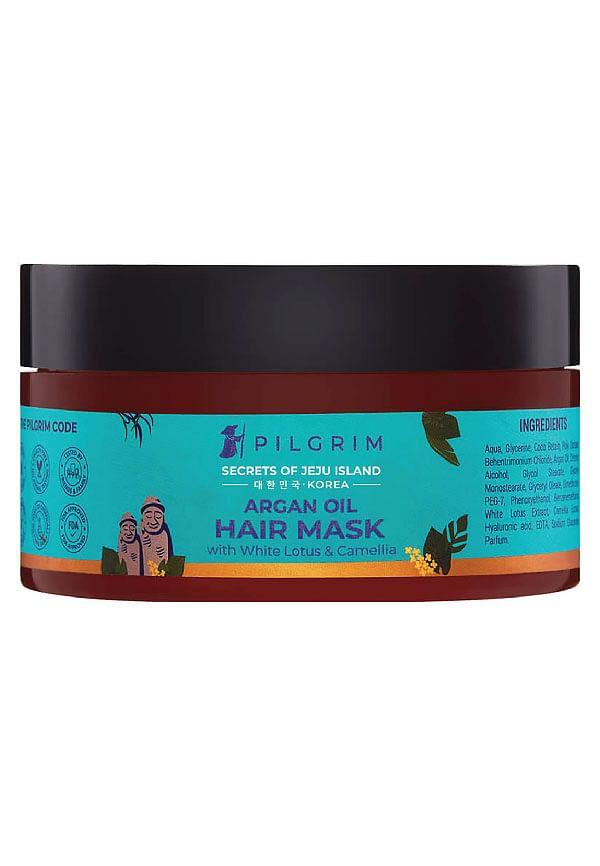
Intense Moisture Argan Oil Hair Mask For Dry & Frizzy Hair
Nice Product, Smooth Performance
 5
5“nice prodeuck with nice smell it work well very smooth”
Nice Product, Smooth Performance
5“nice prodeuck with nice smell it work well very smooth”
Good, Original Products
5“good products original product”
When it comes to damaged hair treatment, nothing beats a good hair mask. Think of it as a spa day for your strands—intensive, nourishing, and absolutely essential for winter recovery. The key is choosing the right hair mask for damaged hair based on what your hair actually needs. If your hair feels dry and brittle, you'll want moisture-rich ingredients like hyaluronic acid, glycerin, or natural oils. For hair that's lost its strength and elasticity, protein-based masks with ingredients like keratin or hydrolysed proteins can work wonders.
Sometimes the best hair repair home remedies are sitting right in your kitchen. An avocado and honey mask combines healthy fats with humectant properties for serious hydration. Mash one ripe avocado with two tablespoons of honey, apply from mid-length to ends, and leave for 20 minutes. For protein-starved hair, try mixing one egg with two tablespoons of coconut oil. The egg provides strengthening proteins whilst the coconut oil delivers deep moisture. A banana and olive oil combination works brilliantly for smoothing frizzy, damaged hair—the natural sugars in banana help seal the cuticle whilst olive oil penetrates the hair shaft.
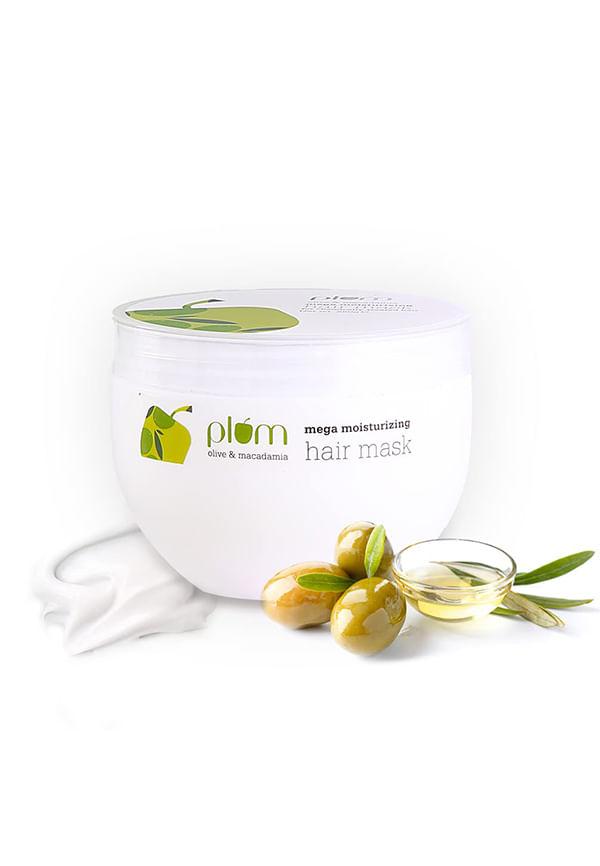
Olive & Macadamia Mega Moisturizing Hair Mask
Good Hair Mask for Silky Smooth Hair
5“it's a very good hair mask rich in ingredients make the hair silky and smooth”
Good Hair Mask for Silky Smooth Hair
5“it's a very good hair mask rich in ingredients make the hair silky and smooth”
Good Hair Mask for Silky Smooth Hair
5“it's a very good hair mask rich in ingredients make the hair silky and smooth”
How you apply your mask matters just as much as what's in it. Start with damp (not soaking) hair, as this helps the product penetrate better. Section your hair and apply the mask from mid-length to ends, avoiding the roots unless you're treating scalp dryness. Leave most masks on for 20-30 minutes, but don't exceed the recommended time—over-conditioning can actually make hair limp and greasy. For deeper penetration, wrap your hair in a warm towel or use a shower cap to create gentle heat.
Effective hair hydration tips go beyond just using moisturising products—it's about creating a system that helps your hair hold onto moisture throughout the day. Leave-in treatments are your best friend for ongoing hydration. They create a protective barrier that helps lock in moisture whilst providing ongoing nourishment. The trick is finding the right formula for your hair type and learning how to layer products effectively without weighing your hair down.
Lightweight oils like argan or jojoba work well for fine hair, whilst thicker creams and butters suit coarser textures better. Apply leave-in treatments to damp hair, focusing on the mid-lengths and ends where damage is typically most severe. Layering is an art—start with your lightest product (like a leave-in conditioner) and work up to heavier oils or creams. This prevents your hair from becoming greasy whilst ensuring maximum moisture retention.
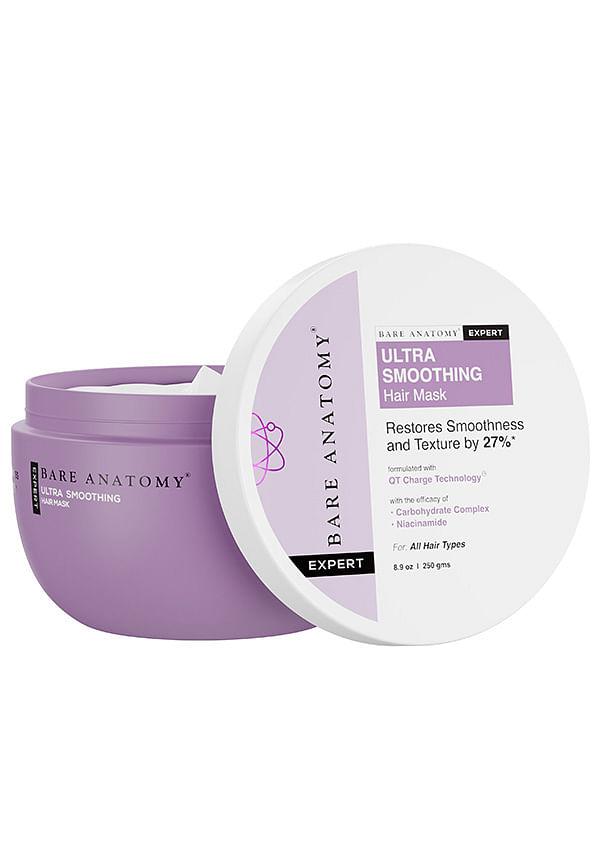
Ultra Smoothing Hair Mask With Niacinamide
Frizz Control and Smoothness
4“the Hari mask control frizzy and smooth”
Best Affordable Hair Mask
5“best hair mask in affordable category”
Smooth and Silky Hair
5“keeps hair smooth and silky, go for it”
Don't forget about haircare for dry scalp—a healthy scalp is the foundation for healthy hair growth. Gentle exfoliation with a scalp scrub once a week can remove buildup and improve circulation. Moisturising scalp treatments with ingredients like tea tree oil, aloe vera, or hyaluronic acid can soothe irritation and provide hydration. Regular scalp massage improves blood flow and helps distribute natural oils along the hair shaft.
Split ends are probably the most frustrating part of winter hair damage, but there are effective split ends remedy options that don't require chopping off all your length. Whilst you can't technically "heal" split ends (the only permanent solution is trimming), you can temporarily seal them and prevent new ones from forming. This buys you time between cuts and helps maintain your hair's overall health and appearance.
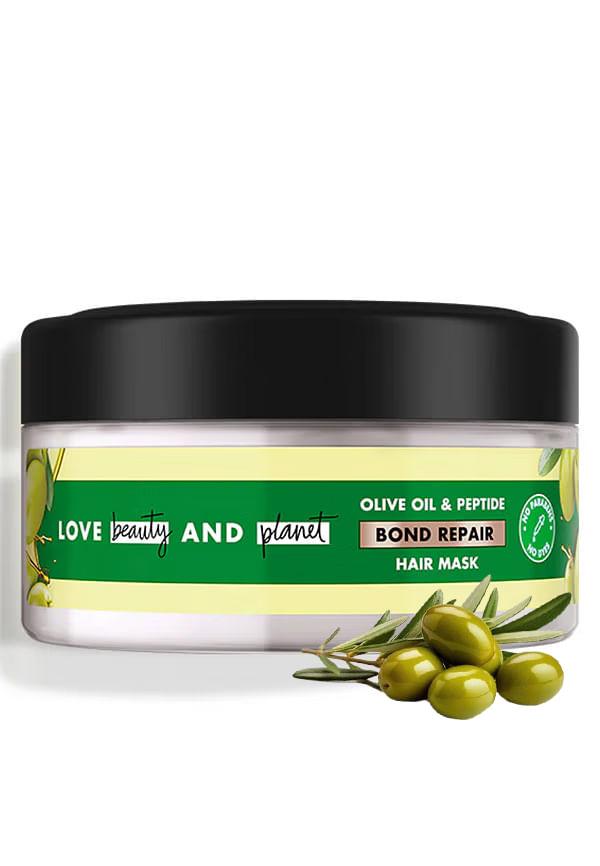
Olive oil & Peptide Bond Repair Hair Mask
Awesome Product
5“love this product it's awesome”
Awesome Product
5“love this product it's awesome”
Awesome Product
5“love this product it's awesome”
Split end serums containing silicones can temporarily bind the damaged cuticle together, making ends look smoother and preventing further splitting up the hair shaft. These aren't permanent fixes, but they're brilliant for maintaining your style between salon visits. Protective styling is crucial—loose braids, buns, or twists keep ends tucked away and reduce friction. Avoid tight elastics and opt for silk scrunchies or spiral hair ties that won't snag or break your hair.
Heat protection is non-negotiable if you're serious about preventing split ends. Always use a heat protectant before styling, and keep tools on the lowest effective temperature. Silk or satin pillowcases reduce friction whilst you sleep, preventing tangles and breakage. Gentle detangling with a wide-tooth comb or detangling brush, starting from the ends and working up, prevents unnecessary stress on already fragile hair.
Frizzy hair control in winter requires a multi-pronged approach that addresses both the symptoms and the underlying causes of unruly hair. Static happens when your hair loses moisture and picks up electrical charge from dry air. The solution involves both adding moisture back to your hair and neutralising the electrical charge that causes flyaways.
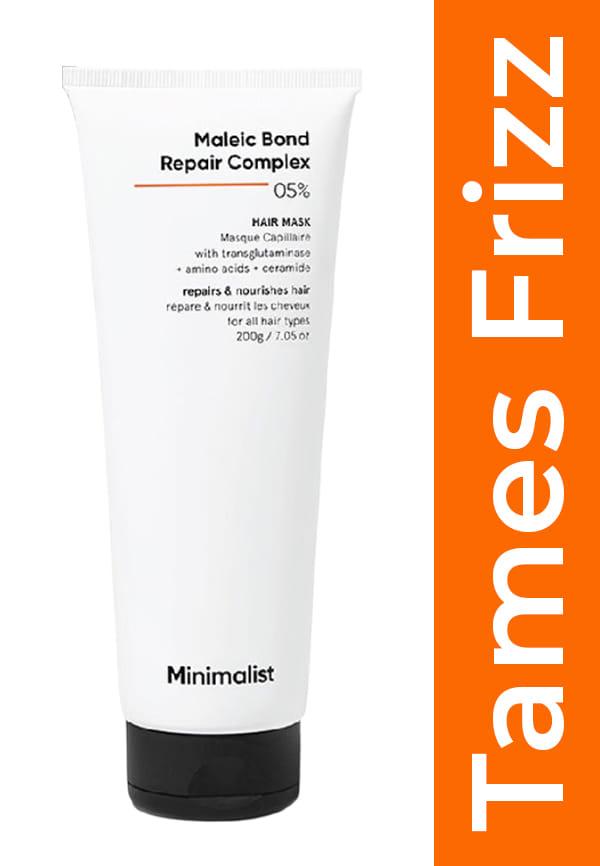
Maleic Bond Repair Complex 5% Hair Mask
Used Serum Variant
4“have used the serum variant, waiting to use it often”
Good for Dry & Damaged Hair
5“It's really good for dry and damaged hair”
Good for Dry & Damaged Hair
5“It's really good for dry and damaged hair”
Ionic blow dryers emit negative ions that neutralise the positive charge in your hair, reducing static and frizz. If you don't have an ionic dryer, try running a dryer sheet lightly over your hair or using an anti-static spray. Anti-humidity products create a barrier that prevents moisture from the air from penetrating your hair cuticle and causing frizz. Look for ingredients like dimethicone or cyclomethicone that form a protective seal.
Keratin-infused products can help smooth the hair cuticle and reduce frizz for several washes. These work by filling in gaps in damaged cuticles, creating a smoother surface that reflects light better and tangles less. Natural alternatives like aloe vera gel or flaxseed gel provide hold and smoothing without harsh chemicals. These are particularly good for curly or textured hair that needs definition along with frizz control.
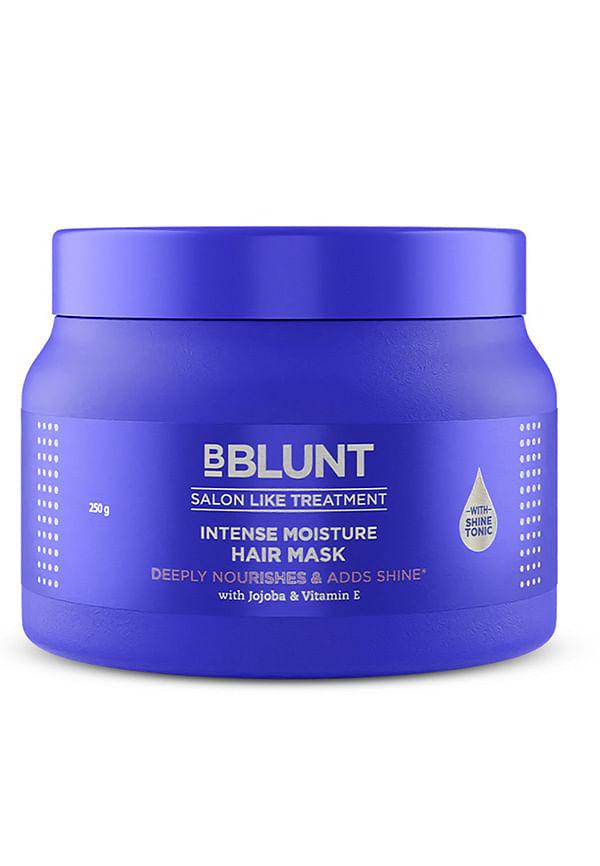
Intense Moisture Hair Mask with Jojoba Oil & Vitamin E for Nourished & Shiny Hair
Liked Brand After 1 Year
5“i am using from 1 year so now i liked the brand”
Good Product, Must Try
4“Its good product must be try once”
Thick, Creamy, Rich Formula
5“Thick Creamy rich formula loved it very much ”
When your hair feels weak and breaks easily, it's time to focus on hair strengthening products and treatments that rebuild your hair's structural integrity. The key is understanding whether your hair needs protein or moisture—or both. Hair that stretches very little before breaking needs protein, whilst hair that stretches too much and feels gummy needs moisture. Most winter-damaged hair needs a combination of both.
Protein treatments work by temporarily filling in gaps in damaged hair cuticles, making hair feel stronger and more resilient. However, too much protein can make hair brittle, so it's important to balance protein treatments with moisturising ones. DIY protein treatments using ingredients like eggs, Greek yoghurt, or gelatin can be effective for mild damage. For more severe damage, commercial protein treatments with hydrolysed proteins that are small enough to penetrate the hair shaft work better.
What you eat affects your hair health from the inside out. Biotin, vitamin D, iron, and omega-3 fatty acids all play crucial roles in hair strength and growth. If your diet is lacking in these nutrients, your hair will show it. Whilst supplements can help, getting nutrients from food is generally more effective. Foods rich in protein, healthy fats, and vitamins support hair health better than any topical treatment alone.
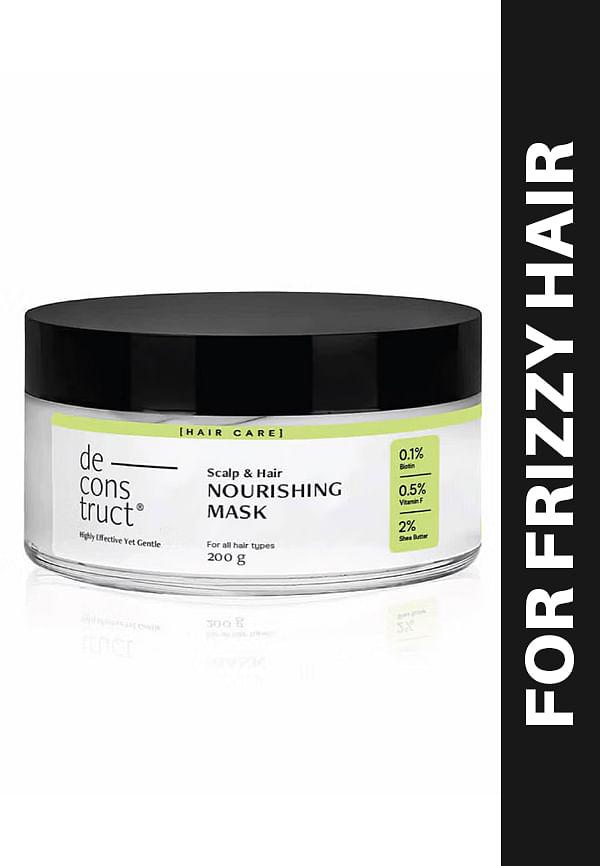
Scalp & Hair Nourishing Mask 0.1% Biotin + 0.5% Vitamin F + 2% Shea Butter
Loved and Recommended
5“loved it. I would recommend it..”
Excellent Hair Mask
5“Really good and nourishing hair mask”
Moisturizes Frizzy Hair
4“moisturizing for frizzy hair!!!”
How you wash your hair can make or break your dry hair repair efforts. Harsh cleansing strips away natural oils that your hair desperately needs, especially in winter. The goal is to cleanse your scalp without over-drying your hair. This might mean washing less frequently, using gentler products, or adjusting your technique to be more hair-friendly.
Sulfate-free shampoos clean without stripping natural oils, making them ideal for damaged or dry hair. Co-washing (using conditioner to cleanse) can be even gentler, especially for textured or very dry hair. Clarifying shampoos should be used sparingly—maybe once a month—to remove buildup without over-cleansing. The rest of the time, stick to moisturising formulas that add hydration whilst they clean.
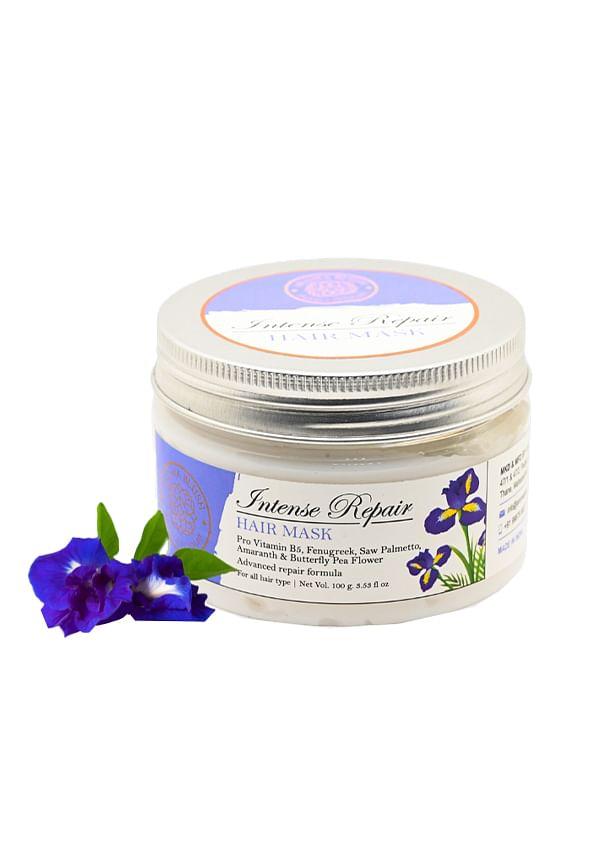
Intense Repair Hair Mask
Nice Product, Lovely to Use
5“nice product lovely to use this product Maja agya”
Hydrating & Soothing Scalp
5“very hydrating and soothing on the scalp”
Hot water opens the hair cuticle and strips moisture, whilst cool water seals the cuticle and locks in hydration. Rinse with the coolest water you can tolerate to maximise shine and moisture retention. Pre-shampoo treatments with oil can protect your hair during cleansing, whilst proper post-wash care with leave-in treatments sets you up for healthy, hydrated hair.
The final piece of the puzzle involves protecting your hair from further damage whilst it heals. This means smart styling choices and careful heat management. Low-manipulation styles reduce the daily stress on your hair, giving it time to recover. Combined with proper heat protection, these strategies can prevent new damage whilst your hair repairs itself.
Protective styles like loose braids, low buns, or twist-outs keep your ends protected whilst looking polished. Overnight protection with silk scarves or bonnets prevents friction damage whilst you sleep. Choose accessories carefully—avoid metal clips or tight elastics that can snag or break hair. Silk or satin scrunchies, wooden combs, and seamless hair ties are gentler options.
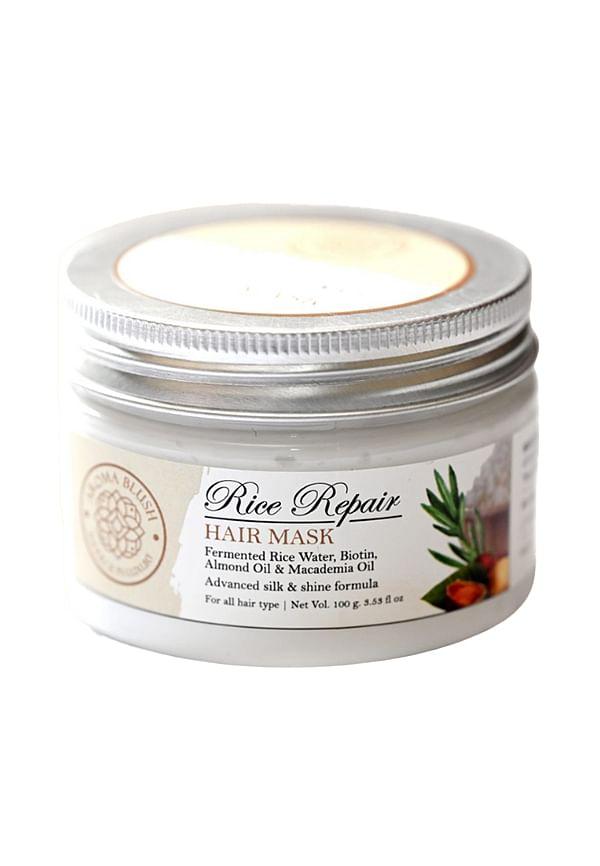
Rice Repair Hair Mask
Good Product Quality
5“very good quality of the product”
Amazing Hair Results
4“gazab result hai...hair bahut acche ho gye”
If you must use heat, keep temperatures below 300°F for damaged hair. Always use a heat protectant, and consider air-drying or heatless styling methods when possible. Alternative styling methods like plopping for curly hair, pin curls for waves, or braiding for texture can give you the styles you want without the damage. When you're ready to try new products for your winter hair repair journey, platforms like Smytten make it easy to discover what works for your hair without the commitment of full-size purchases. With trial packs from trusted haircare brands, you can experiment with different treatments and find your perfect match before investing in full-size products.
Most people see improvement in 2-4 weeks with consistent care, but complete repair can take 2-3 months depending on the severity of damage. Hair grows about half an inch per month, so severely damaged hair may need to be gradually trimmed as healthy hair grows in.
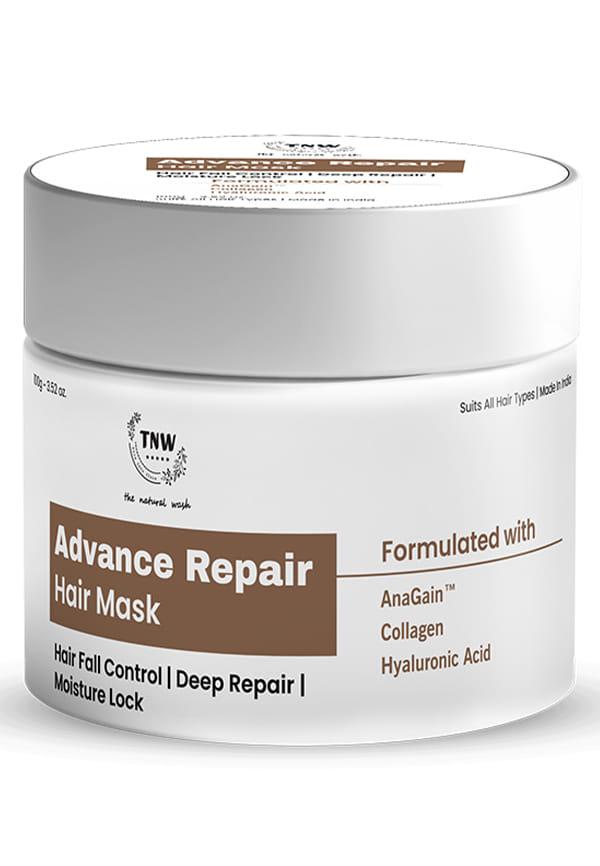
Advance Repair Hair Mask
Whilst you can significantly improve the appearance and feel of damaged hair, hair that's severely compromised may need to be cut off and regrown. However, proper care can prevent further damage and help new growth stay healthy.
Avoid harsh sulfates, drying alcohols (like isopropyl alcohol), and over-clarifying ingredients. Also be cautious with too much protein if your hair is already brittle.
Once or twice a week is usually ideal for damaged hair. More frequent deep conditioning can lead to over-conditioning, which makes hair limp and greasy.
Not necessarily. Many effective treatments can be made at home or found at reasonable prices. The key is consistency and using the right ingredients for your hair type, not the price tag.
Repairing winter-damaged hair doesn't have to be complicated or expensive. The key is understanding what your hair needs and being consistent with your care routine. Focus on hydration, gentle handling, and protection from further damage. Remember that hair repair is a gradual process—be patient with your hair and celebrate small improvements along the way. With the right approach and products, you can restore your hair's health and prevent future winter damage. Whether you're trying DIY remedies or exploring new products through trial sizes, the most important thing is finding what works for your unique hair needs and sticking with it.
