7 Pro Tips for Winter Detangling Long Hair

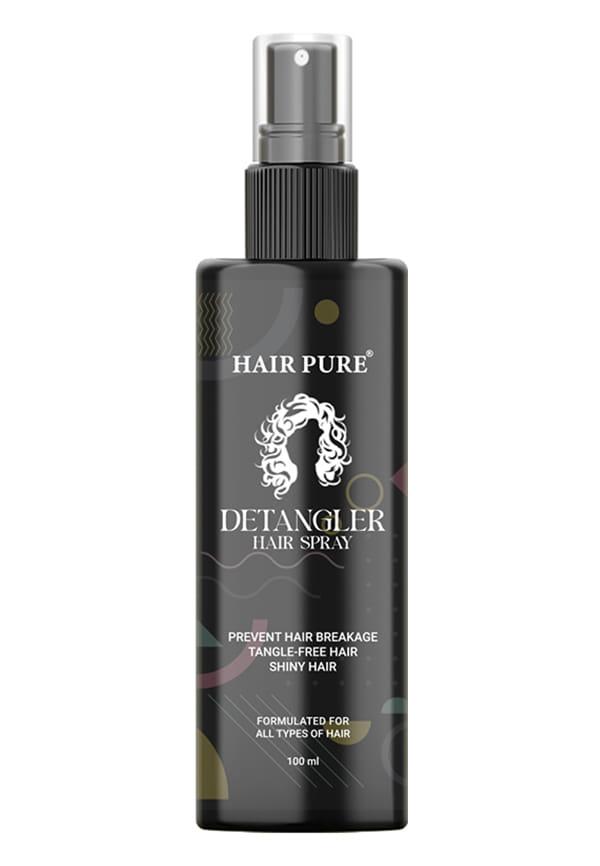
Detangler Hair Spray
Winter can be absolutely brutal on long hair. The cold air strips moisture, indoor heating creates static, and suddenly your gorgeous locks turn into a tangled nightmare that seems impossible to manage. If you've ever spent twenty minutes wrestling with knots that weren't there yesterday, you know exactly what we're talking about. The good news? With the right winter detangling routine for long hair, you can keep your strands smooth, healthy, and completely manageable all season long. Let's dive into seven game-changing tips that'll transform your winter haircare routine.
Winter weather creates the perfect storm for hair chaos. The combination of dry air, temperature changes, and indoor heating systems wreaks havoc on your hair's natural moisture balance, making detangling long hair feel like an uphill battle.
When humidity drops below 30%, your hair cuticles lift and become rough, creating friction that leads to tangles. Static electricity builds up more easily in dry conditions, causing strands to repel each other and create knots. Indoor heating systems further dehydrate your hair, making it brittle and prone to breakage during detangling sessions.
Long hair faces unique winter challenges. The extra length means more surface area exposed to harsh conditions, leading to increased tangles at the mid-lengths and ends. Split ends multiply faster in winter, creating weak points where hair snags and knots. Dryness concentrates at the oldest parts of your hair, making gentle detangling methods absolutely essential.
Success starts before you even touch a brush. Proper preparation can mean the difference between smooth, easy detangling and a frustrating battle that leaves you with broken strands and damaged hair.
Check your hair's moisture levels by gently stretching a strand. If it snaps immediately, you need serious hydration. Healthy winter hair should have some elasticity. Look for dullness, rough texture, or excessive static as signs your hair needs extra moisture before detangling.
Use a humidifier in your bedroom to maintain 40-50% humidity levels. This prevents overnight moisture loss that creates morning tangles. Keep your bathroom door closed during hot showers to create a steam-rich environment that's perfect for gentle detangling sessions.
Your winter detangling routine for long hair should always start before water touches your strands. This crucial step prevents wet hair from matting together and reduces breakage significantly.
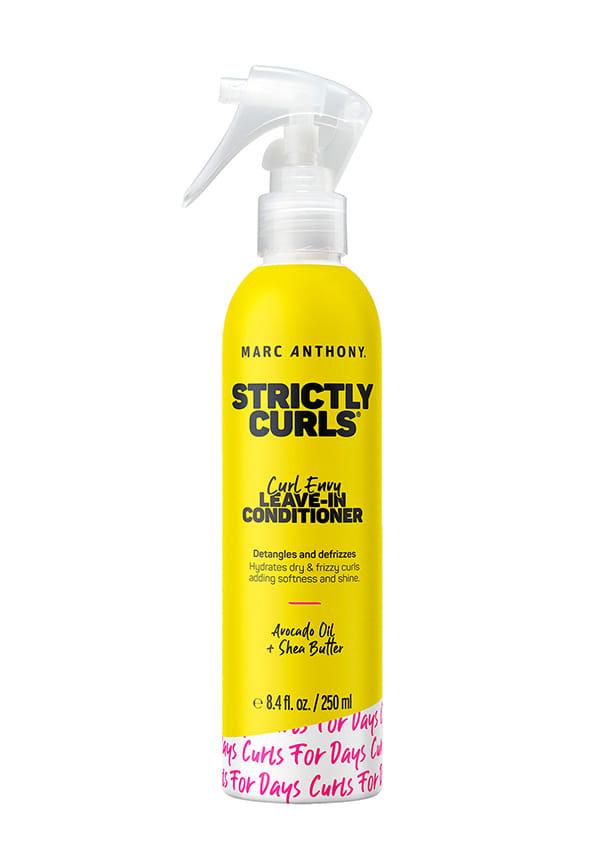
Strictly Curls Detangle & Defrizz Leave-In-Conditioner
Dry detangling works best for loose tangles and daily maintenance. Apply a leave-in conditioner or detangling spray first to reduce friction. Damp detangling suits stubborn knots - mist hair lightly with water mixed with conditioner, but avoid soaking wet hair which becomes fragile and prone to snapping.
Divide your hair into 4-6 sections, securing each with clips. Start at the very ends and work upward in small increments. This methodical approach prevents you from pulling knots tighter and ensures you don't miss any problem areas that could worsen over time.
Not all detangling products handle winter conditions equally well. The best detangling products for winter contain ingredients that combat dryness whilst providing slip to ease knot removal.
Look for leave-ins with ceramides to seal the hair cuticle, natural oils for deep moisture, and humectants like glycerin to attract moisture from the air. Apply to damp hair from mid-length to ends, focusing on areas prone to tangling. Avoid the roots to prevent greasiness.
Heat protectant sprays with detangling properties serve double duty during winter styling. Lightweight serums work brilliantly for fine hair that gets weighed down easily. Natural options like diluted aloe vera gel provide gentle slip without synthetic ingredients.
Your technique matters more than your tools, though having the right equipment certainly helps. Gentle detangling methods prevent the breakage that makes winter hair problems worse over time.
Wide-tooth combs work best for wet hair and thick textures. Detangling brushes with flexible bristles suit dry hair and fine textures. Wet brushes specifically designed for damp hair combine the benefits of both, making them perfect for winter hair detangling tips that actually work.
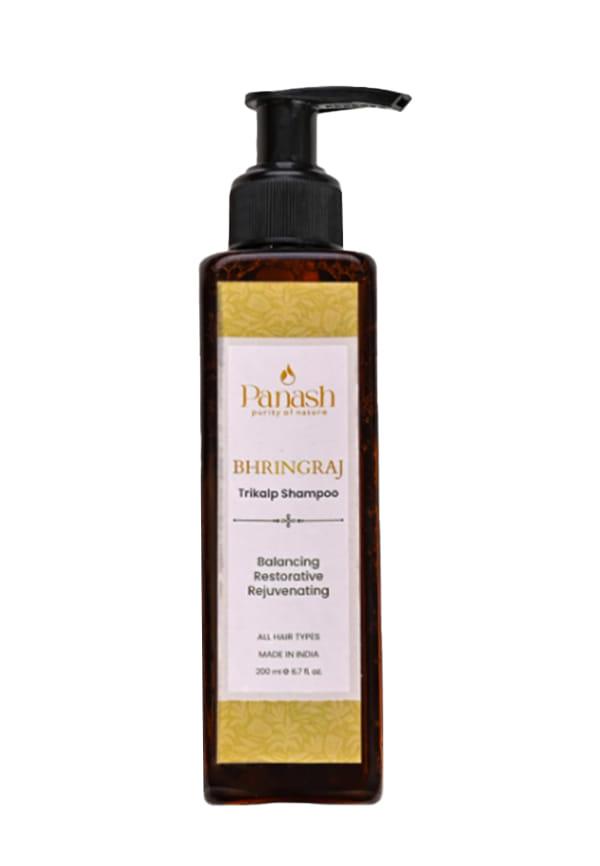
Bringraj Trikalp Shampoo
Use light, consistent pressure rather than aggressive tugging. Move your brush or comb in small, rhythmic motions, pausing when you hit resistance. Twist stubborn knots gently with your fingers before attempting to brush through them.
Hair hydration winter strategies go beyond daily products. Your long hair routine needs intensive moisture treatments to combat the season's drying effects and maintain manageable, tangle-free strands.
Increase deep conditioning to weekly sessions during peak winter months. Alternate between protein treatments for strength and moisture treatments for hydration. Fine hair benefits from lighter, more frequent treatments, whilst thick hair can handle richer formulas less often.
Apply lightweight oils like argan or jojoba to ends before braiding loosely for sleep. Use silk or satin pillowcases to reduce friction that creates tangles. These protective measures prevent hair breakage whilst you sleep and make morning detangling sessions much easier.
These final three winter hair tips focus on prevention and emergency solutions. Smart protective strategies reduce tangling, whilst knowing how to handle hair emergencies saves your strands from serious damage.
Low buns, loose braids, and silk scarves protect your hair from winter elements. Avoid tight elastics that create breakage points. Change your parting regularly to prevent stress on the same hair sections. These simple adjustments dramatically reduce daily tangling.
Invest in a portable humidifier for your workspace. Use anti-static spray on your clothes and bedding. Wear silk-lined hats to prevent friction and static buildup. These environmental controls address tangling at its source rather than just treating the symptoms.
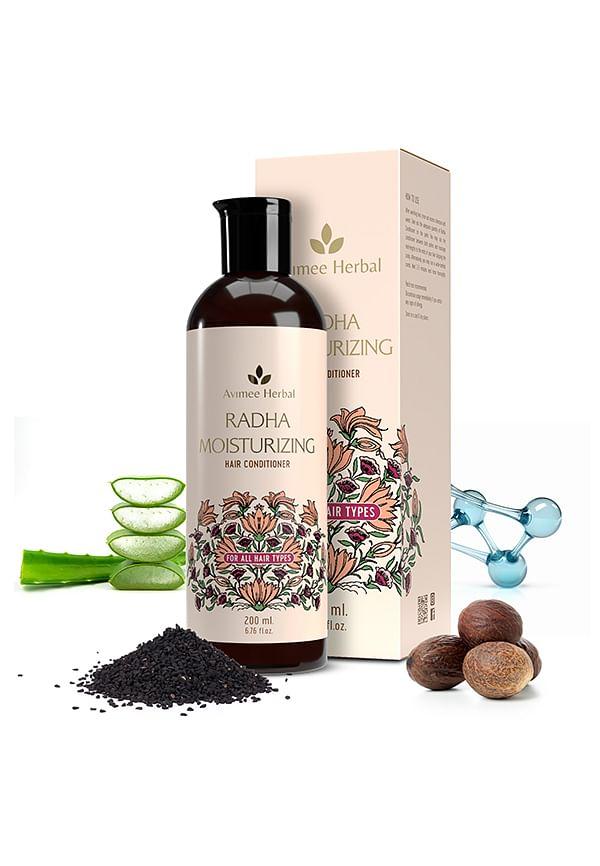
Radha Moisturizing Hair Conditioner
For severe mats, apply conditioner generously and let it sit for 10 minutes before attempting removal. Use your fingers to gently separate strands before using any tools. Sometimes cutting out small, stubborn knots prevents damage to the surrounding healthy hair.
Daily gentle detangling prevents small tangles from becoming major knots. Focus on ends and mid-lengths where tangles typically form. Use a light touch and proper products to avoid over-manipulation.
Evening detangling before bed prevents overnight knot formation. Morning touch-ups handle any tangles that formed whilst sleeping. Avoid detangling immediately after coming in from cold weather when hair is brittle.
Complete prevention isn't realistic, but proper haircare for long hair significantly reduces tangling. Consistent moisture, protective styling, and environmental controls minimise knot formation substantially.
Absolutely. Lower humidity requires more frequent conditioning, gentler handling, and additional moisture products. Monitor your hair's response and adjust your routine accordingly.
Avoid alcohol-based products that further dry your hair. Skip heavy silicones that build up and attract static. Harsh sulphates can strip essential moisture your hair desperately needs during winter months.
Winter doesn't have to mean constant hair battles. With these seven pro tips, your winter detangling routine for long hair becomes manageable, effective, and actually enjoyable. Remember, consistency matters more than perfection - small daily efforts prevent major problems down the line.
The key to success lies in finding the right products for your specific hair needs. Smytten makes this discovery process simple and affordable through curated trial packs from over 1,500 trusted haircare brands. With mini-sized products available for just ₹249 and 100% cashback on purchases, you can experiment with different detangling products without the commitment of full-size bottles. When you find something that transforms your winter hair routine, purchasing the full-size version is just a click away. Why settle for tangled, damaged hair when you can #TryItAll and find your perfect winter haircare routine?
