7 Pro Tips for Hair Nourishment in Coastal Humidity


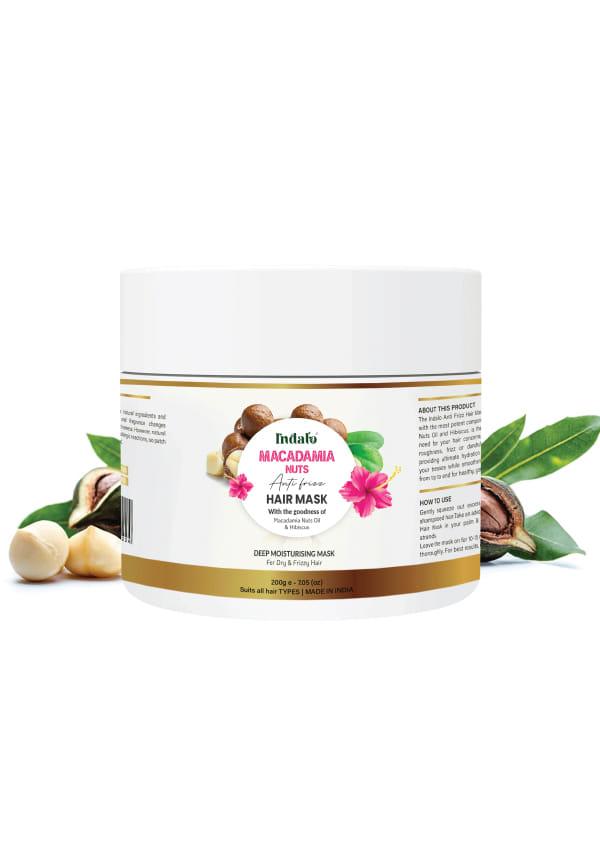
Anti-Frizz Hair Mask With Macadamia Nuts
Living by the coast sounds dreamy until your hair starts acting like it's got a mind of its own. That salty breeze and constant humidity can turn even the most well-behaved locks into a frizzy, unpredictable mess. If you're dealing with limp roots, dry ends, and enough frizz to power a small generator, you're not alone. Coastal humidity creates unique challenges that need specific solutions—not just any old haircare routine will do. The good news? With the right approach to hair nourishment for women in humid coastal belts, you can actually work with the climate instead of fighting against it. These seven pro tips will help you transform your hair from humidity victim to coastal goddess, giving you the tools to embrace your environment whilst keeping your locks looking absolutely gorgeous.
Let's be real—coastal living does things to your hair that no amount of wishful thinking can fix. The combination of salt air, high humidity, and constant moisture creates a perfect storm for hair chaos. Understanding what's actually happening to your strands is the first step towards solving these coastal hair problems.
Your hair is basically a moisture sponge waiting to happen. When humidity levels soar, your hair cuticles open up and absorb water from the air. This causes your hair shaft to swell unevenly, leading to that dreaded frizz and loss of shape. The salt in coastal air makes things worse by drawing even more moisture into your hair whilst simultaneously drying out your scalp.
Living near the coast comes with its own set of hair challenges that inland folks just don't get. Here's what you're probably dealing with:
Excessive frizz that appears out of nowhere
Roots that get greasy fast whilst ends stay dry
Increased breakage from constant moisture fluctuation
Hair colour that fades faster than your summer tan
Scalp irritation from salt buildup
Styles that fall flat within hours
Think of haircare for humid weather as creating a protective shield around your strands. It's not about fighting the humidity—it's about preparing your hair to handle it like a pro. The key is building a routine that works with your environment, not against it.
Before you even think about styling, your hair needs proper protection. Apply a heat protectant from mid-length to ends, then layer on a humidity-blocking serum or cream. The trick is applying products to slightly damp hair—this helps create a barrier that locks in the right amount of moisture whilst keeping excess humidity out.
Your daily routine needs to be as adaptable as coastal weather. Start with lightweight, humidity-resistant products in the morning. Keep a small anti-frizz serum handy for midday touch-ups, and always have a silk scrunchie ready for emergency updos when the humidity spikes unexpectedly.
Here's the thing about coastal hair—it's often simultaneously over-moisturised and dehydrated. Sounds confusing? That's because humidity adds surface moisture whilst stripping away the deep hydration your hair actually needs. Getting your hair hydration tips right is crucial for healthy, manageable locks.
Weekly deep conditioning treatments are non-negotiable for coastal living. Look for protein-rich masks that can strengthen your hair shaft whilst providing deep moisture. Apply from mid-length to ends, avoiding the roots to prevent weighing down your hair. Leave on for 10-15 minutes, then rinse with cool water to seal the cuticles.
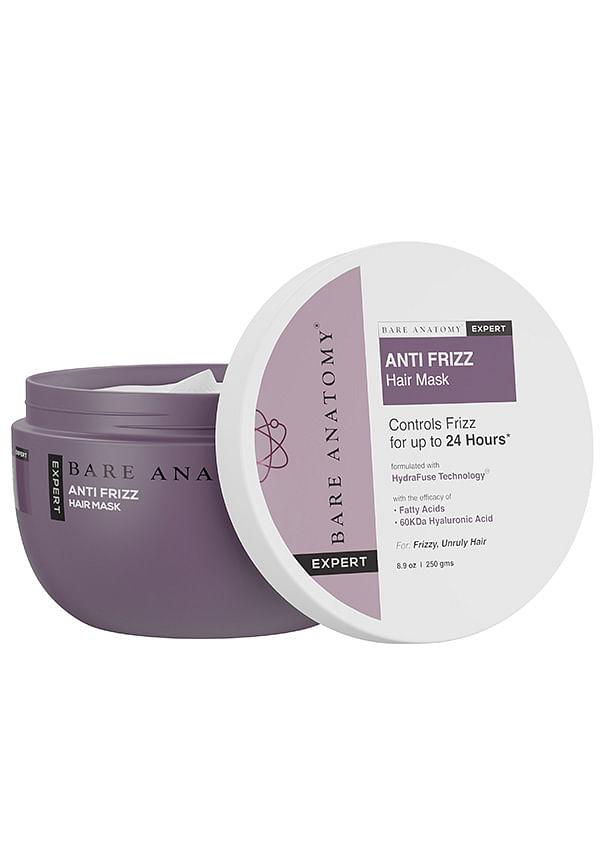
Anti-Frizz Hair Mask For Smooth Hair With Hyaluronic Acid
Best for Frizzy Hair
 5
5“this is the best product to control firizzy hair”
Hydrating Hair Mask for Winters
5“really hydrating hair mask for the winters”
Effective frizz control, environmentally sensitive
5“It made my hair smooth and freeze free in just one wash ,though the freeze remains depending on the environment.”
Learning to read your hair's moisture needs is like developing a superpower. If your hair feels mushy or limp, you've gone overboard with moisture and need protein treatments. If it feels dry and brittle, increase your hydrating treatments. The goal is finding that sweet spot where your hair feels strong yet flexible.
Not all shampoos are created equal, especially when you're dealing with coastal conditions. The best shampoos for humid climates need to cleanse without stripping, whilst providing just enough moisture to keep your hair balanced. It's a delicate dance that requires the right formulation.
Sulfates might give you that squeaky-clean feeling, but they're too harsh for humidity-stressed hair. Look for gentle cleansers with coconut-derived surfactants or amino acid-based formulas. These clean effectively without stripping your hair's natural oils, which are essential for protecting against humidity damage.
When shopping for shampoo, look for ingredients like glycerin (in small amounts), panthenol for strengthening, and natural oils like argan or jojoba. Avoid anything with heavy silicones that can build up in humid conditions, and steer clear of drying alcohols that can make your hair more susceptible to humidity damage.
Natural hair oils for humidity are your secret weapon against coastal hair chaos. The right oils can create a protective barrier whilst nourishing your strands from within. The trick is knowing which oils work best for your hair type and how to apply them without creating a greasy mess.
Different oils serve different purposes in your humidity-fighting arsenal:
Argan oil: Lightweight and fast-absorbing, perfect for fine hair
Coconut oil: Penetrates the hair shaft for deep nourishment
Jojoba oil: Mimics natural sebum, great for scalp balance
Moringa oil: Rich in antioxidants for environmental protection
Apply oils to damp hair for better distribution and absorption. For fine hair, focus on the ends and avoid the roots. Thicker hair can handle oil from mid-length down. Try overnight treatments once a week, or use a few drops as a finishing serum on styled hair for added protection and shine.
Frizz is probably your biggest coastal hair nemesis, but it doesn't have to win. The best frizzy hair solutions work by smoothing the hair cuticle and creating a protective barrier against humidity. It's about choosing the right products and techniques for your specific hair type and texture.
Your anti-frizz hair products arsenal should include several key players. Smoothing serums work best on straight to wavy hair, whilst curl-defining creams are perfect for textured locks. Humidity-blocking sprays add an extra layer of protection, and leave-in treatments provide ongoing nourishment throughout the day.
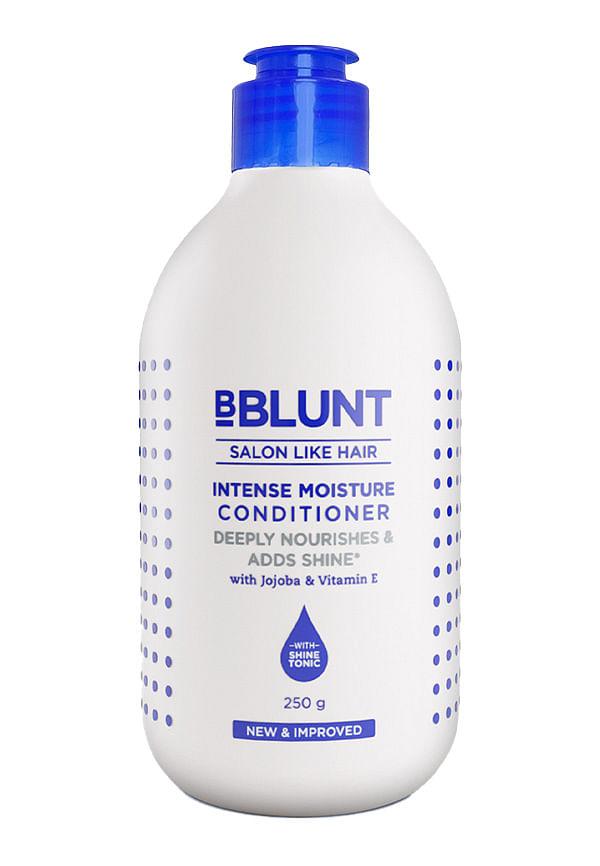
Intense Moisture Conditioner with Vitamin E & Jojoba for Dry & Frizzy Hair
Mixed review: Smell vs. Shine
4“smells not good but add shine to hair”
Hair feels good, smooth and shining
4“after using the shampoo my hair feel so good smooth and shining also”
Good Smell & Moisturizing
5“it's smells so good. and then moisturizer your hair”
How you handle your hair makes a massive difference in frizz formation. Swap your regular towel for a microfibre one or cotton t-shirt to reduce friction. Try the 'plopping' technique for curly hair—wrap your hair in a cotton shirt to absorb excess water without disturbing your curl pattern. Always finish with cool air to seal the cuticles.
Your scalp is the foundation of healthy hair, and scalp care in humidity becomes even more crucial when you're dealing with coastal conditions. Salt air and excess moisture can lead to buildup, irritation, and an imbalanced scalp environment that affects your entire hair health.
Humid conditions can make your scalp produce more oil whilst salt air creates product buildup. Use a clarifying shampoo once a week to remove residue, and consider scalp exfoliation with a gentle scrub or brush. Dry shampoo can be your friend, but use it strategically—too much can create more buildup.
Salt air can be irritating, especially if you have sensitive skin. Look for shampoos with soothing ingredients like aloe vera, chamomile, or tea tree oil. Cool water rinses can help calm inflammation, and gentle scalp massages improve circulation without over-stimulating oil production.
Prevention is always better than cure, especially when it comes to hair damage prevention in coastal environments. The combination of UV rays, salt air, and humidity can wreak havoc on your hair structure, but with the right protective measures, you can keep your locks healthy and strong.
UV protection isn't just for your skin—your hair needs it too. Look for leave-in treatments with SPF, or wear a hat during peak sun hours. Before swimming in the ocean, wet your hair with fresh water and apply a protective oil or cream to minimise salt damage. Rinse immediately after swimming to prevent salt buildup.
In humid conditions, your hair is already stressed, so be gentler with heat styling. Use lower temperatures and always apply a heat protectant. Consider air-drying techniques that enhance your natural texture instead of fighting against it. When you do use heat tools, finish with cool air to seal the cuticles and lock in your style.
Building a comprehensive hair nourishment routine for coastal living means creating a system that adapts to changing conditions whilst consistently protecting and nourishing your hair. It's about finding the right balance of products and techniques that work for your lifestyle and hair type.
Your weekly routine should include daily gentle cleansing (or every other day for dry hair), weekly deep conditioning treatments, and monthly clarifying sessions. Keep a hair diary to track what works best during different weather conditions—this helps you adjust your routine seasonally.
Coastal weather changes throughout the year, and your hair routine should too. Summer might require more frequent clarifying and UV protection, whilst winter coastal conditions might need extra moisture and protection from wind damage. Stay flexible and adjust your products and techniques based on what your hair needs.
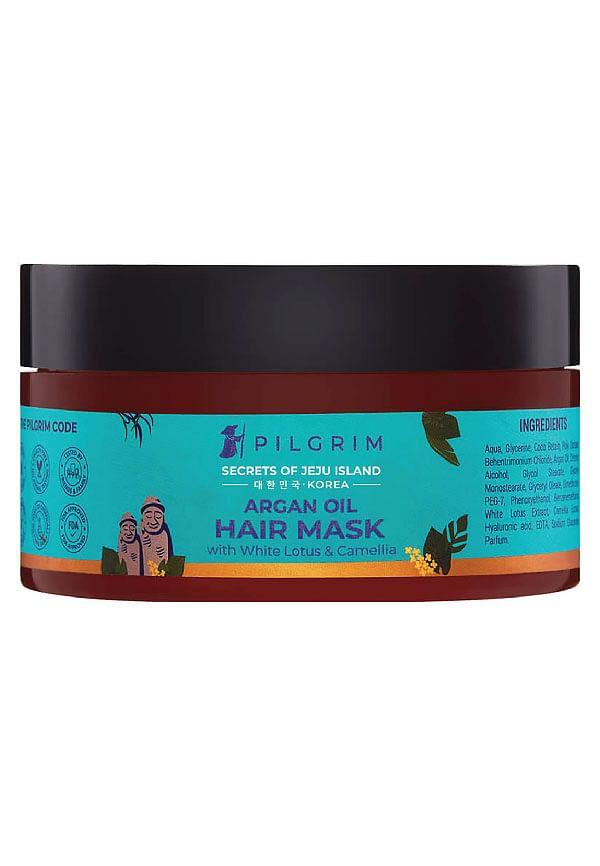
Intense Moisture Argan Oil Hair Mask For Dry & Frizzy Hair
Nice Product, Smooth Performance
5“nice prodeuck with nice smell it work well very smooth”
Nice Product, Smooth Performance
5“nice prodeuck with nice smell it work well very smooth”
Good, Original Products
5“good products original product”
This is where platforms like Smytten become invaluable for coastal dwellers. With access to trial-sized products from over 1,500 trusted brands, you can experiment with different formulations to find what works best for your specific coastal conditions without committing to full-size products that might not suit your hair's changing needs.
Most people in coastal areas benefit from washing every other day or every two days. Daily washing can strip natural oils that protect against humidity, whilst going too long between washes can lead to salt and product buildup.
Early morning is typically best when humidity levels are lower. Avoid styling during peak humidity hours (usually late morning to early afternoon) when possible.
You'll likely need to adjust your products seasonally. Summer might require lighter formulations and more UV protection, whilst winter coastal conditions might need richer, more protective products.
Focus products on mid-lengths to ends rather than roots, use lightweight formulations, and consider dry shampoo as a preventative measure rather than just for touch-ups.
Apple cider vinegar rinses can help smooth cuticles, whilst aloe vera gel provides natural humidity protection. Coconut oil treatments work well for deeper nourishment.
Shorter hair can be easier to manage, but it's not necessary. The right products and techniques can make longer hair work beautifully in humid conditions.
Fine hair tends to become limp and greasy faster, thick hair may become more frizzy and unmanageable, and chemically treated hair is more susceptible to damage and colour fading.
Humidity refers to water vapour in the air that your hair absorbs, often causing frizz. Moisture in haircare refers to hydration that your hair actually needs for health and manageability.
Mastering hair nourishment in coastal humidity isn't about fighting against your environment—it's about working with it intelligently. These seven pro tips give you a comprehensive approach to keeping your hair healthy, manageable, and gorgeous despite the challenges of coastal living. Remember, consistency is key, and what works for your friend might not work for you, so don't be afraid to experiment and adjust your routine based on your hair's specific needs.
The beauty of coastal living shouldn't come at the expense of your hair health. With the right knowledge, products, and techniques, you can embrace that sea breeze whilst keeping your locks looking absolutely stunning. Whether you're dealing with fine hair that goes limp or thick hair that turns into a frizzy mess, these strategies will help you find your perfect coastal hair routine. Your hair journey is unique, and finding the right products often requires some trial and error—that's where exploring different formulations through trial sizes can make all the difference in discovering your perfect coastal hair care arsenal.
