Ever wondered why your hair feels like straw despite using expensive products? If you live in an area with hard water, those pesky minerals might be the culprit behind your hair woes. Hard water contains high levels of calcium and magnesium that create a film on your hair, leaving it dull, tangled, and difficult to manage. The good news? With the right clarifying routine for hard-water hair, you can restore your locks to their former glory. Let's dive into seven game-changing tips that'll help you tackle hard water hair damage like a pro.
What Is Hard Water Hair Damage?
Hard water isn't just a plumbing problem—it's your hair's worst enemy. When water contains excessive minerals like calcium and magnesium (typically over 120 milligrams per litre), it creates what we call hard water. These minerals don't just disappear when you rinse; they stick around, forming a stubborn film on your hair shaft.
The science behind hard water hair damage is pretty straightforward. Those hard water minerals bind to your hair's cuticles, creating a barrier that prevents moisture from penetrating properly. Over time, this buildup makes your hair feel rough, look dull, and become increasingly difficult to style. You might notice your hair feels heavier than usual, tangles more easily, or that your favourite products suddenly stop working as well.
Different hair types react differently to hard water exposure. Fine hair tends to show the effects more quickly, becoming limp and greasy-looking despite regular washing. Curly and textured hair often becomes more frizzy and loses its natural bounce. Colour-treated hair is particularly vulnerable, as the mineral buildup can cause premature fading and an overall lacklustre appearance.
The Complete Clarifying Routine for Hard-Water Hair
Creating an effective clarifying routine for hard-water hair isn't about using the harshest products you can find. It's about strategic, gentle removal of mineral buildup whilst maintaining your hair's health. Think of it as a reset button for your locks.
Your routine should start with a proper assessment. Run your fingers through dry hair—does it feel coated or sticky? Look at your hair in natural light. Does it appear dull or have a greyish cast? These are telltale signs that it's time for a serious hair clarifying treatment
4.2|(250 ml)
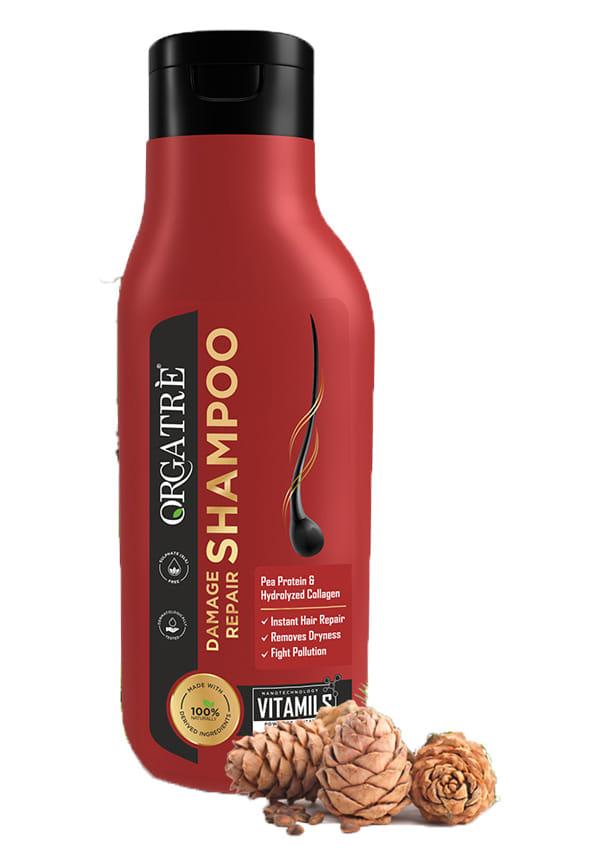
Orgatre
Damage Repair Shampoo
₹ 29038 % OFF
₹ 180
Reviews from genuine users
Amazing Shampoo
5
“This is an amazing shampoo thus my hair soft and silky”
Kaleem Anwar07 Aug 2024
Positive Hair Result
5
“healthy and smooth hair as expected”
Shahin Ansari10 Jun 2024
Mixed experience with shampoo
4
“Its nice shampoo but it causes hair fall too much but after using this my hair quality became good”
Deepali Singh08 May 2024
.
The key is finding the right balance between removing buildup and preserving your hair's natural oils. Too aggressive, and you'll strip your hair completely. Too gentle, and you won't tackle the mineral deposits effectively.
Pro Tip #1: Master Chelating vs. Clarifying Shampoo Selection
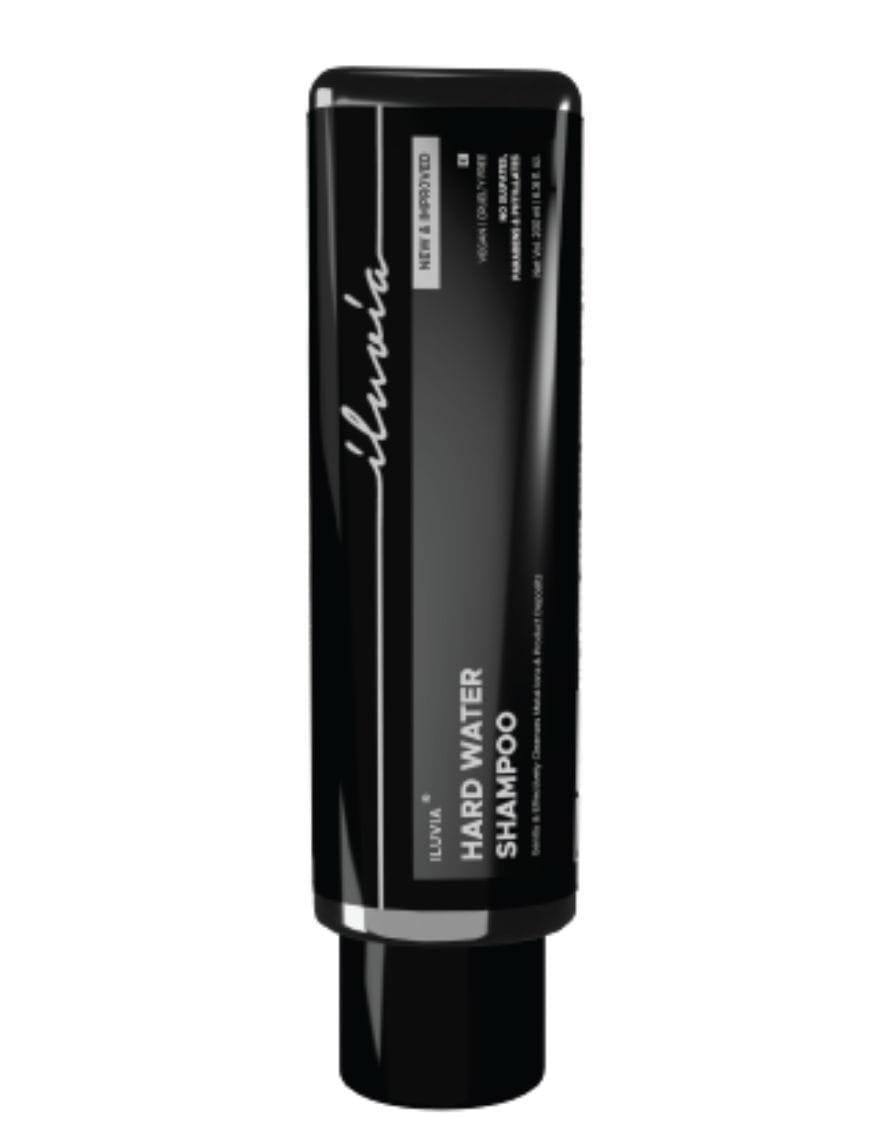
Here's where many people get confused—not all clarifying products are created equal. Chelating shampoo and regular clarifying shampoo serve different purposes in your hard water battle plan.
Chelating shampoos contain ingredients like EDTA (ethylenediaminetetraacetic acid) that specifically target mineral deposits. They're your heavy-duty option for serious buildup. Clarifying shampoos, on the other hand, focus on removing product residue and excess oils. For hard water issues, you'll want to start with a chelating formula, then follow up with a gentler clarifying shampoo if needed.
Pro Tip #2: Perfect Your Hair Buildup Removal Technique
Effective hair buildup removal isn't just about the products—technique matters enormously. Start by sectioning your hair into manageable parts. This ensures every strand gets proper attention, especially important for thick or long hair.
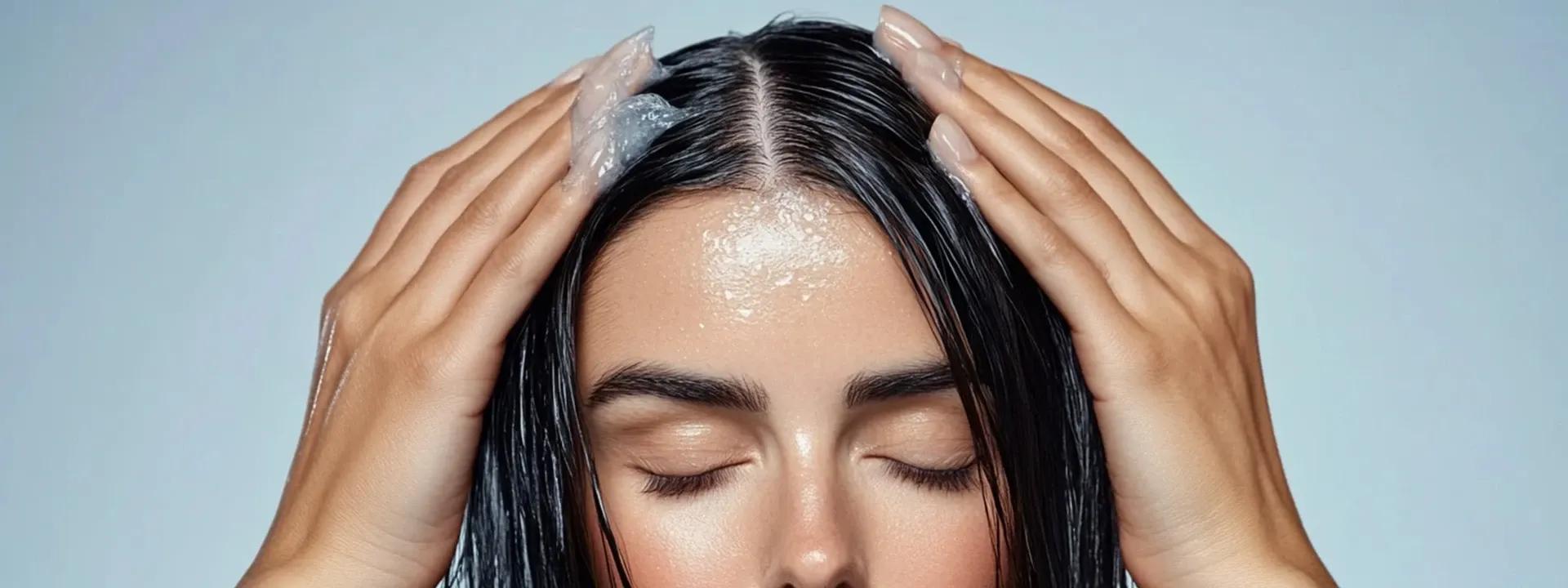
When applying your chelating or clarifying shampoo, focus on your scalp first. Scalp buildup can be just as problematic as hair shaft deposits. Use gentle, circular motions with your fingertips (never your nails) to work the product through. Let it sit for 2-3 minutes before rinsing thoroughly with lukewarm water.
Pro Tip #3: Create Effective Hair Detox Treatments at Home
Sometimes your hair needs a proper hair detox
4.2|(200 ml)
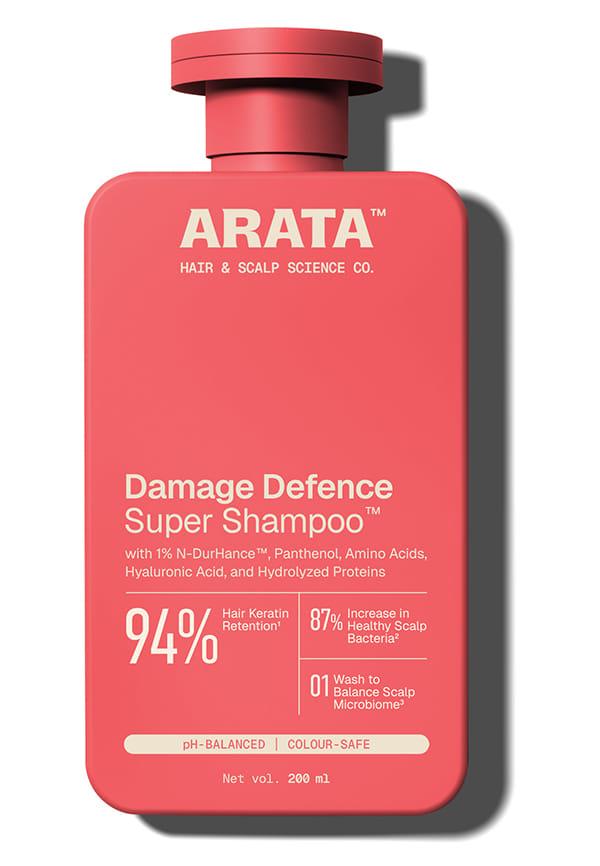
Arata
Damage Defence Super Shampoo
₹ 44950 % OFF
₹ 225
Reviews from genuine users
Loved the product
4
“love the product 🤩❣️❣️🤩❣️😁🤩😁🤩”
Vani Gaddam09 Sep 2026
Loved the product
4
“love the product 🤩❣️❣️🤩❣️😁🤩😁🤩”
Vani Gaddam09 Sep 2026
Nice Product
4
“nice product...................”
Seetha K25 Aug 2026
, and you don't need to break the bank to achieve it. Bentonite clay mixed with apple cider vinegar creates a powerful clarifying mask that draws out impurities whilst balancing your hair's pH.
For a gentler approach, try mixing equal parts baking soda and water into a paste. Apply this to damp hair, focusing on areas where buildup is most noticeable. Leave it on for 5-10 minutes before rinsing thoroughly. Always follow any DIY treatment with a deep conditioning mask to restore moisture.
Pro Tip #4: Implement Strategic Hair Rinse for Hard Water
A proper hair rinse for hard water can be your secret weapon against mineral buildup. Apple cider vinegar rinses are particularly effective because they help dissolve mineral deposits whilst restoring your hair's natural pH balance.
Mix one part apple cider vinegar with three parts distilled water. After shampooing and conditioning, pour this mixture through your hair, focusing on the mid-lengths and ends. Let it sit for 2-3 minutes, then rinse with cool water. The acidic nature of the vinegar helps seal your hair cuticles, leaving your locks shinier and more manageable.
Pro Tip #5: Optimise Your Weekly Hair Care Schedule
Consistency is key when dealing with hard water. Your clarifying routine for hard-water hair should become a regular part of your weekly schedule, not just an emergency measure when things get bad.
For most people, a weekly clarifying treatment works well. However, if you have very hard water or use lots of styling products, you might need to clarify twice a week. On non-clarifying days, use a gentle, sulphate-free shampoo that won't strip your hair but will still cleanse effectively.
Pro Tip #6: Prevent Future Hard Water Damage
Prevention is always better than cure when it comes to hard water hair issues. Installing a shower filter is one of the most effective long-term solutions. Look for filters that specifically target calcium and magnesium removal.
Between washes, protect your hair with leave-in treatments that create a barrier against mineral deposits. Ingredients like silicones can actually be helpful here, as they provide a protective coating that makes it harder for minerals to adhere to your hair shaft.
Pro Tip #7: Troubleshoot Common Clarifying Mistakes
Over-clarifying is a real risk, especially when you're eager to see results. Signs that you've gone too far include hair that feels squeaky clean (not in a good way), excessive dryness, or increased breakage. If this happens, take a break from clarifying treatments and focus on deep conditioning for a week or two.
Another common mistake is using clarifying products too frequently on colour-treated hair. These formulas can accelerate colour fading, so space out treatments and always use a colour-protecting conditioner afterwards.
Frequently Asked Questions
4.3|(300ML)
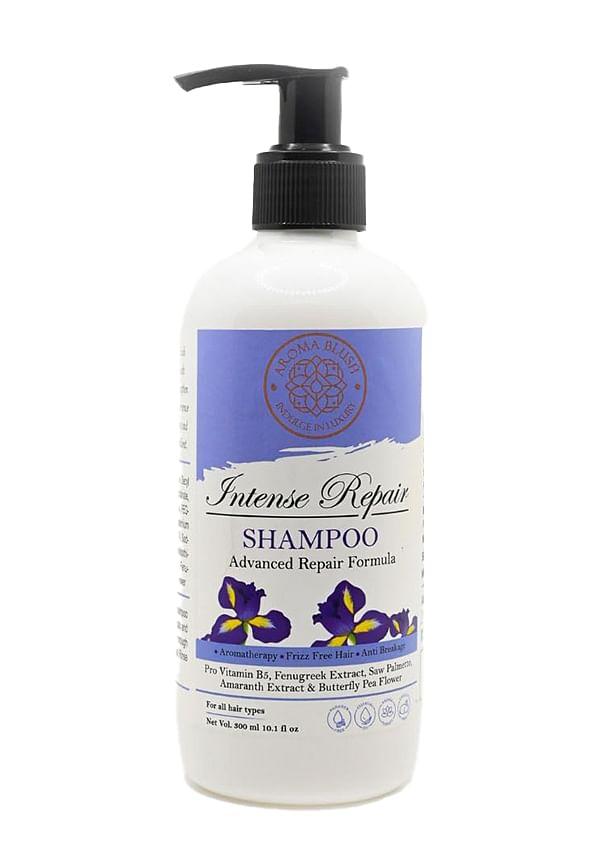
Aroma Blush
Intense Repair Shampoo
₹ 59970 % OFF
₹ 180
Reviews from genuine users
Good for hair
5
“this product 3vwry good for hair”
Rajavelu R29 May 2026
Nourishing & Hydrating for Soft Hair
5
“very nourishing and hydrating made my hair very soft”
Sonali Khapne05 Apr 2026
Amazing Hair Repair Product
5
“Amazing product for hair repair ”
Khushboo Sukhija03 Jan 2026
How often should I use a clarifying routine for hard-water hair?
Most people benefit from clarifying once a week, but this can vary based on your water's hardness level and how much product you use. Start with weekly treatments and adjust based on how your hair responds.
Can I do a clarifying treatment overnight?
Whilst some gentle treatments like oil masks can be left on overnight, most clarifying products are too strong for extended contact. Stick to the recommended processing times to avoid over-stripping your hair.
What are the first signs of hard water damage?
Early signs include hair that feels heavy or coated, difficulty lathering shampoo, increased tangles, and a general lack of shine. Your hair might also feel rough or straw-like to the touch.
Will a shower filter completely solve my hard water hair problems?
A good shower filter can significantly reduce mineral content, but you might still need occasional clarifying treatments to remove existing buildup and maintain optimal hair health.
How do I know if my clarifying routine is working?
You should notice improved shine, easier detangling, better product performance, and hair that feels lighter and more manageable. These changes typically become apparent after 2-3 treatments.
Key Takeaways
Dealing with hard water doesn't mean you have to accept dull, damaged hair as your reality. With the right approach and consistent care, you can maintain healthy, beautiful locks even in the hardest water conditions. Remember, the key is finding products that work specifically for your hair type and water hardness level.
This is where platforms like Smytten become invaluable for your haircare journey. As India's largest product discovery platform, Smytten connects you with over 1,500 trusted brands including specialised haircare options perfect for tackling hard water issues. With curated trial packs, you can test different chelating shampoos and clarifying treatments without committing to full-size purchases. Getting up to 8 minis for just ₹249, plus 100% cashback redeemable for future orders, makes it incredibly affordable to find your perfect clarifying routine for hard-water hair. When you discover a product that works brilliantly for your specific needs, purchasing the full-size version is just a click away. With over 25 million users trusting Smytten's recommendations, you can explore endless haircare possibilities without the guesswork—because why settle for 'maybe' when you can try it all?

 5
5