7 Powerful Hibiscus Leaves Benefits for Lush Hair

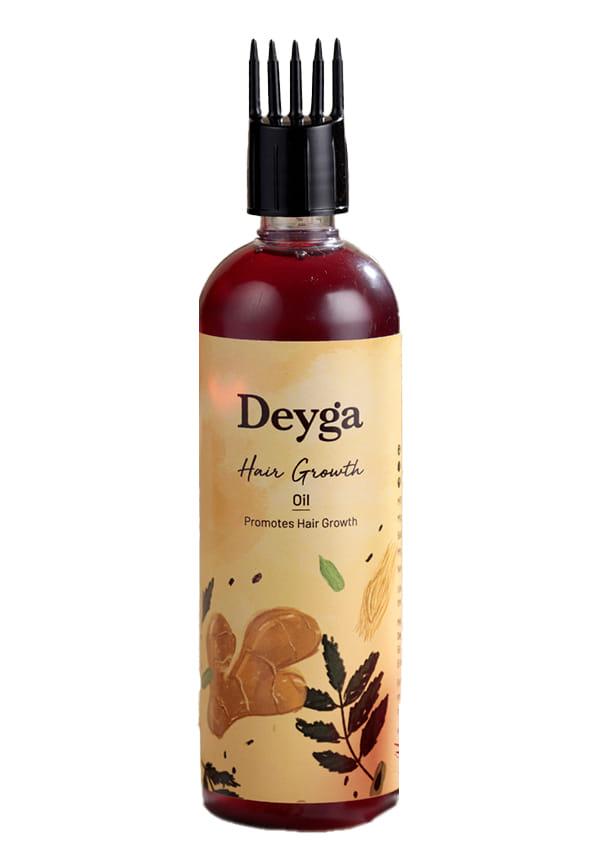
Hair Growth Oil ,Infused With Hibiscus, Rosemary & Grapeseed Oil
Let's be real—when it comes to natural hair remedies, hibiscus leaves are having a proper moment. And honestly? It's about time. These vibrant red flowers aren't just pretty to look at; they're packed with nutrients that can transform your hair game completely. From ancient Ayurvedic practices to modern haircare routines, hibiscus leaves benefits for hair have been celebrated for centuries. Whether you're dealing with hair fall, dullness, or just want to give your locks some extra love, hibiscus might just become your new obsession. Ready to discover why this tropical powerhouse deserves a spot in your haircare routine?
Here's the thing about hibiscus for hair—it's not just another trendy ingredient. The science behind it is actually quite impressive. Hibiscus leaves are loaded with vitamin A, vitamin C, amino acids, and antioxidants that work together to create the perfect environment for healthy hair growth.
The real star of the show is something called mucilage—a natural gel-like substance found in hibiscus leaves. This mucilage acts like nature's own deep conditioner, coating each strand and locking in moisture. Plus, the amino acids in hibiscus are the building blocks of keratin, which is literally what your hair is made of. It's like giving your hair the exact nutrients it needs to thrive.
Research shows that natural hair remedies like hibiscus work because they don't strip your hair of its natural oils. Instead, they work with your hair's natural structure to strengthen and nourish from the inside out. Unlike harsh chemicals that can damage your hair over time, hibiscus provides gentle yet effective care that builds up your hair's health with each use.
Right, let's dive into the good stuff. These seven hibiscus leaves benefits for hair are backed by both traditional wisdom and modern understanding of hair health. Each benefit works differently, but together they create a comprehensive approach to gorgeous, healthy hair.
This is where hibiscus hair growth really shines. The amino acids in hibiscus leaves help produce keratin, whilst the vitamins improve blood circulation to your scalp. Better circulation means more nutrients reaching your hair follicles, which can actually wake up dormant follicles and encourage new growth. Many people notice baby hairs appearing after just a few weeks of consistent use.
If you're dealing with hair fall, this herbal hair treatment might be your answer. Hibiscus nourishes your hair follicles at the root level, providing the protein and vitamins needed to anchor each strand securely. The result? Stronger roots that can hold onto your hair better, reducing that frustrating hair fall you see on your pillow or in the shower.
Remember that mucilage we mentioned? It's basically nature's answer to expensive salon treatments. A hibiscus hair mask can provide the same deep conditioning benefits as commercial products, but without any harsh chemicals. Your hair will feel softer, look shinier, and be much more manageable after just one treatment.
The hibiscus flower benefits hair by coating each strand with nutrients that plump up the hair shaft. This creates natural volume without weighing your hair down. Plus, the vitamins and amino acids smooth the hair cuticle, which reflects light better and gives you that enviable natural shine.
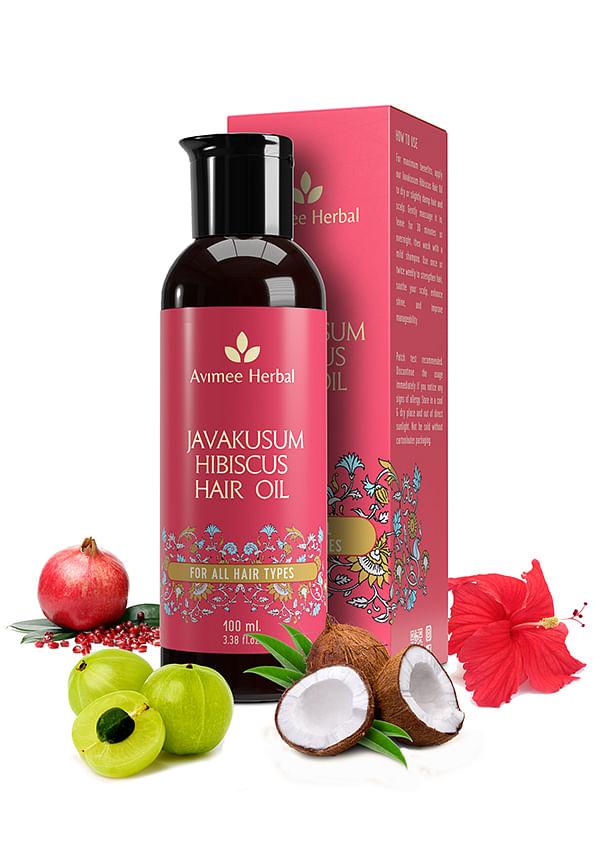
Javakusum Hibiscus Hair Oil
Great Smell, Soothes Skin
 5
5“great smell really loved using it. sooothes skim”
Hair Shine & Strength
5“helped my hair shine and strengthens my strands”
Hibiscus has natural anti-inflammatory and antimicrobial properties that make it brilliant for scalp health. If you're dealing with dandruff or an itchy scalp, regular haircare with hibiscus can help restore your scalp's natural pH balance and reduce inflammation. A healthy scalp is the foundation of healthy hair, after all.
The antioxidants in hibiscus help protect your hair from oxidative damage, which is one of the main causes of premature greying. Whilst it won't reverse existing grey hair, regular use can help slow down the greying process and keep your natural colour vibrant for longer.
Living in a world of pollution, UV rays, and heat styling tools means our hair takes a proper beating. Hibiscus forms a protective barrier around each strand, helping to repair existing damage whilst protecting against future harm. It's like giving your hair its own little shield.
Now that you're convinced about the benefits, let's talk about how to actually use hibiscus leaves. The good news is that there are several methods, so you can choose what works best for your lifestyle and hair type.
The most popular method is creating a paste from fresh hibiscus leaves. Simply grind 8-10 fresh leaves with a little water until you get a smooth paste. Apply this to your scalp and hair, leave for 30 minutes, then rinse with lukewarm water. This method gives you the most concentrated benefits.
This is the most traditional way to use hibiscus leaves for hair growth. Grind fresh leaves into a paste, apply from roots to tips, and leave for 30-45 minutes. The fresh leaves contain the highest concentration of nutrients.
For a more convenient option, you can infuse hibiscus leaves in coconut or sesame oil. Heat the oil gently with hibiscus leaves for 10-15 minutes, strain, and store. Use this oil 2-3 times weekly for deep nourishment.
Boil hibiscus leaves in water, strain, and use the cooled liquid as a final rinse after shampooing. This gentle method can be used daily and helps maintain scalp health whilst adding shine.
Creating your own diy hair mask hibiscus is easier than you might think, and you can customise it based on your specific hair needs. These recipes use hibiscus as the base and add complementary ingredients for targeted benefits.
For dry hair, try mixing hibiscus paste with coconut oil and honey. The coconut oil provides deep moisture whilst honey acts as a humectant, drawing moisture from the air into your hair. For oily hair, combine hibiscus with aloe vera and a squeeze of lemon juice to balance oil production.
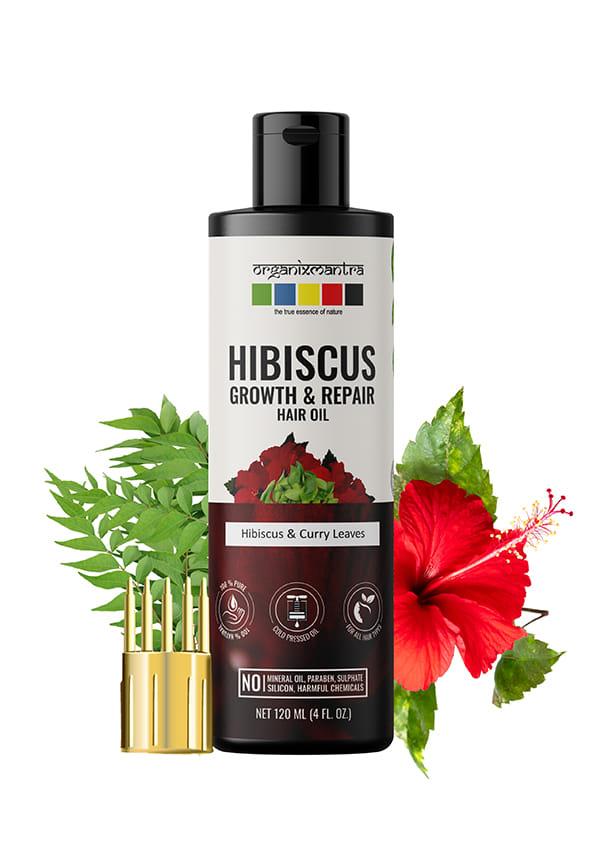
Hibiscus & Curry Leaves Hair Oil | Advanced Follicle Activation
Mix hibiscus paste with plain yogurt and an egg yolk. The protein in yogurt and egg helps repair damaged hair cuticles, whilst hibiscus provides essential nutrients. Leave on for 45 minutes for best results.
This might sound a bit intense, but combining hibiscus with onion juice creates a powerful treatment for thinning hair. The sulphur in onion juice stimulates blood circulation, whilst hibiscus nourishes the follicles.
You might be wondering how hibiscus stacks up against other popular natural hair remedies. Each natural ingredient has its strengths, but hibiscus offers a unique combination of benefits that make it particularly versatile.
Compared to onion juice, hibiscus is much gentler and doesn't have that strong smell that can linger in your hair. Whilst onion juice is excellent for stimulating growth, hibiscus provides both growth stimulation and conditioning benefits in one treatment.
Neem is brilliant for treating scalp conditions like dandruff, but it can be quite drying. Hibiscus, on the other hand, treats scalp issues whilst simultaneously moisturising your hair. If you have dry hair with scalp problems, hibiscus is definitely the better choice.
Fenugreek is another excellent choice for hair growth, but it can be quite heavy on fine hair. Hibiscus provides similar growth benefits but with a lighter feel, making it suitable for all hair types.
Whilst hibiscus is generally safe for most people, it's always wise to be aware of potential side effects. The good news is that serious reactions are quite rare, but it's better to be prepared.
Some people might experience mild scalp irritation, especially if they have very sensitive skin. Always do a patch test before using any new treatment—apply a small amount of hibiscus paste to your inner wrist and wait 24 hours to see if any reaction occurs.
If you're pregnant or breastfeeding, it's best to consult with your healthcare provider before using hibiscus treatments. Also, if you have any existing scalp conditions or are using prescription treatments for hair loss, check with a dermatologist first.
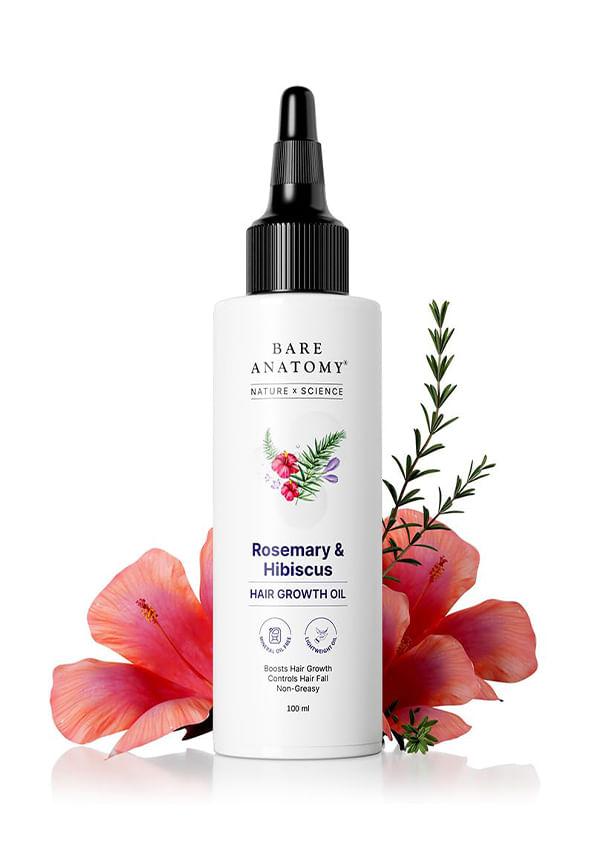
Nature x Science Rosemary Hibiscus Hair Growth Oil
Good for hair & lightweight
4“Rosemary and hibiscus is good for your hair...also this is very light weight.”
Good Product, Easy to Use
4“It is a good product, easy to use and the smell is also decent ”
More isn't always better when it comes to herbal hair treatment. Using hibiscus treatments too frequently can actually over-condition your hair, making it feel heavy or greasy. Stick to 2-3 times per week for masks and daily for gentle rinses.
The beauty of hibiscus is that it can complement your existing haircare routine rather than replace it entirely. You can use hibiscus treatments alongside your regular shampoo and conditioner for enhanced benefits.
Many people find that incorporating hibiscus into their routine actually reduces their need for other products. The natural conditioning properties mean you might not need as much commercial conditioner, and the scalp-soothing benefits can reduce the need for anti-dandruff treatments.
If you're exploring natural haircare options, platforms like Smytten make it easy to discover and try different products before committing to full sizes. With over 1,500 trusted brands and the ability to try up to 8 minis for just ₹249, you can experiment with various natural and commercial haircare products to find what works best alongside your hibiscus treatments.
Most people notice improved hair texture and shine within 2-3 weeks of regular use. For significant growth and strength improvements, you'll typically see results after 6-8 weeks of consistent application.
Yes, hibiscus is gentle enough for chemically treated hair. However, wait 48-72 hours after any chemical treatment before applying hibiscus to avoid any potential reactions.
Both are beneficial, but leaves contain higher concentrations of amino acids and vitamins, making them slightly more effective for growth stimulation. Flowers are excellent for conditioning and adding shine.
For optimal results, use hibiscus hair masks 2-3 times weekly and hibiscus oil treatments 1-2 times weekly. Daily rinses are fine for maintaining scalp health.
Absolutely. Hibiscus benefits apply to all hair types and genders. It's particularly effective for preventing male pattern baldness when used consistently as part of a comprehensive haircare routine.
The hibiscus leaves benefits for hair are pretty impressive when you look at the complete picture. From stimulating growth to preventing damage, this natural powerhouse offers a gentle yet effective approach to healthier hair. The best part? You don't need expensive salon treatments or harsh chemicals to see real results.
Whether you're dealing with hair fall, dullness, or just want to give your locks some extra love, hibiscus treatments are definitely worth a try. Start with simple applications like fresh leaf paste or oil infusions, and gradually experiment with different combinations to find what works best for your hair type.
Remember, consistency is key with any natural treatment. Give hibiscus at least 6-8 weeks to work its magic, and you might just find yourself with the lush, healthy hair you've been dreaming of. After all, when nature offers such effective solutions, why not give them a proper chance to transform your haircare routine?
