7 Natural Ways to Grow Hair Faster & Stronger
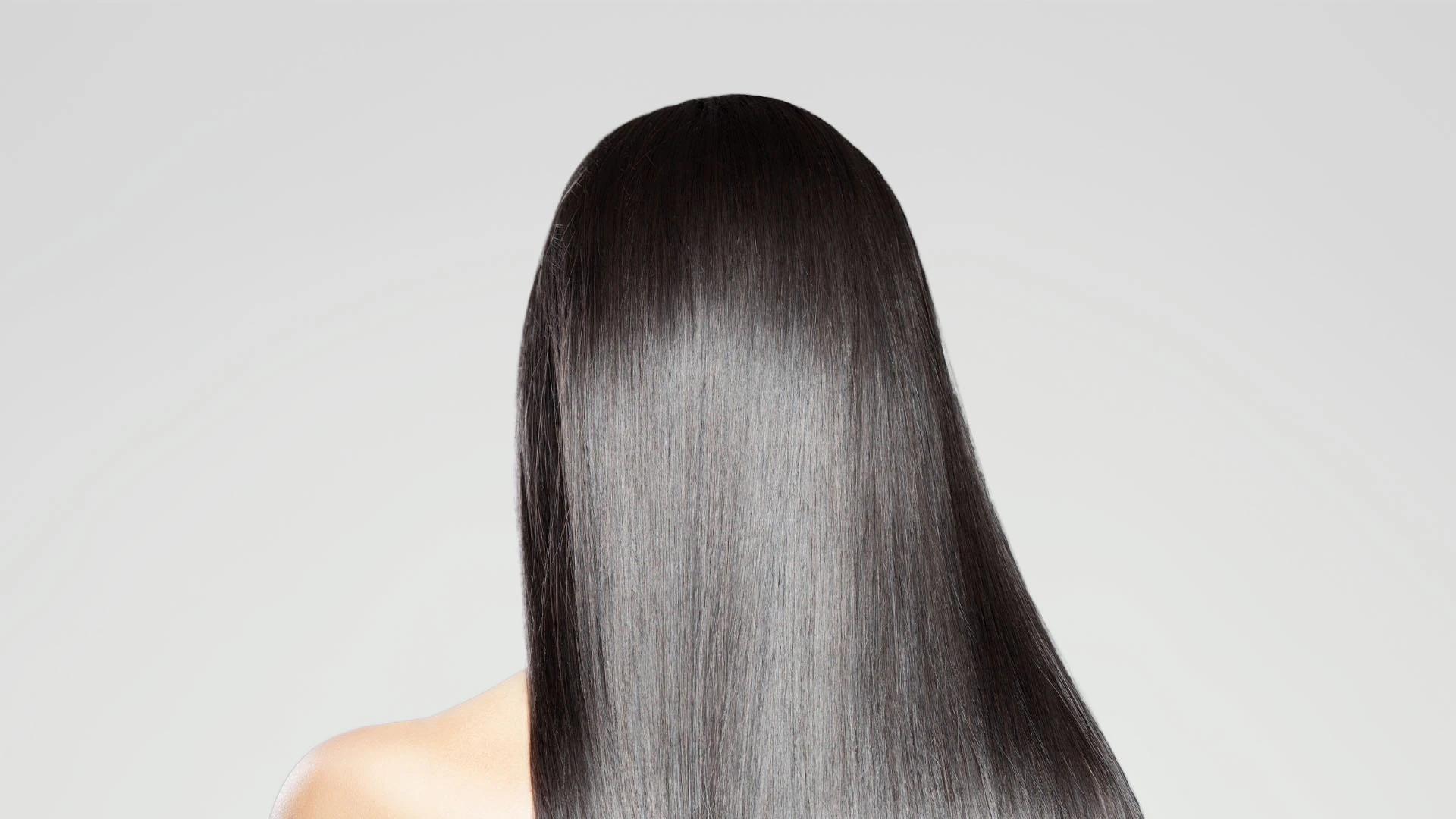


Jonk Tail Hair Oil for Men and Women
Let's be real—waiting for your hair to grow can feel like watching paint dry. You've probably tried every promise-filled product on the shelf, only to be left disappointed with minimal results. The truth is, there are natural ways to grow hair that actually work, but they require patience and consistency. Unlike quick fixes that often damage your hair in the long run, natural methods focus on building strength from the roots up. These seven evidence-based approaches will help you achieve the healthy, strong hair you've been dreaming of. Ready to discover what actually works?
Before diving into the methods, it's worth understanding how your hair actually grows. Your hair follows a natural cycle with three phases: anagen (growth), catagen (transition), and telogen (rest). The anagen phase is where the magic happens—this is when your hair actively grows about half an inch per month.
Your hair follicles are like tiny factories working around the clock. During the anagen phase, which lasts 2-7 years, cells in the hair bulb divide rapidly to create new hair. The length of this phase determines how long your hair can grow. Genetics play a huge role, but lifestyle factors can significantly influence this process. Several factors affect your hair's growth speed: age, hormones, nutrition, stress levels, and overall health. Understanding these helps you target the right areas for improvement.
Natural approaches focus on nourishing your hair follicles rather than forcing quick results. They work by improving blood circulation to your scalp, providing essential nutrients, and creating an optimal environment for growth. Unlike harsh chemicals that might give temporary results but damage your hair structure, natural methods build lasting strength and resilience.
Your hair is essentially a reflection of your internal health. What you eat directly impacts how fast and strong your hair grows. Think of your follicles as plants—they need the right nutrients to thrive.
Protein sources are non-negotiable since hair is made of keratin, a protein. Include eggs, fish, legumes, and nuts in your daily meals. Eggs are particularly brilliant because they contain biotin and protein in one package. Biotin-rich foods like sweet potatoes, broccoli, and spinach support hair structure. Biotin deficiency is one of the most common causes of hair thinning, so loading up on these foods can make a real difference. Iron and zinc from red meat, pumpkin seeds, and dark leafy greens help carry oxygen to your follicles. Low iron levels are often linked to hair loss, especially in women. Omega-3 fatty acids from salmon, walnuts, and flaxseeds add shine and prevent breakage by keeping your hair moisturised from within.
Dehydration doesn't just affect your skin—it impacts your hair too. Aim for 8-10 glasses of water daily. When you're dehydrated, your body prioritises vital organs over hair growth, leaving your strands dry and brittle.
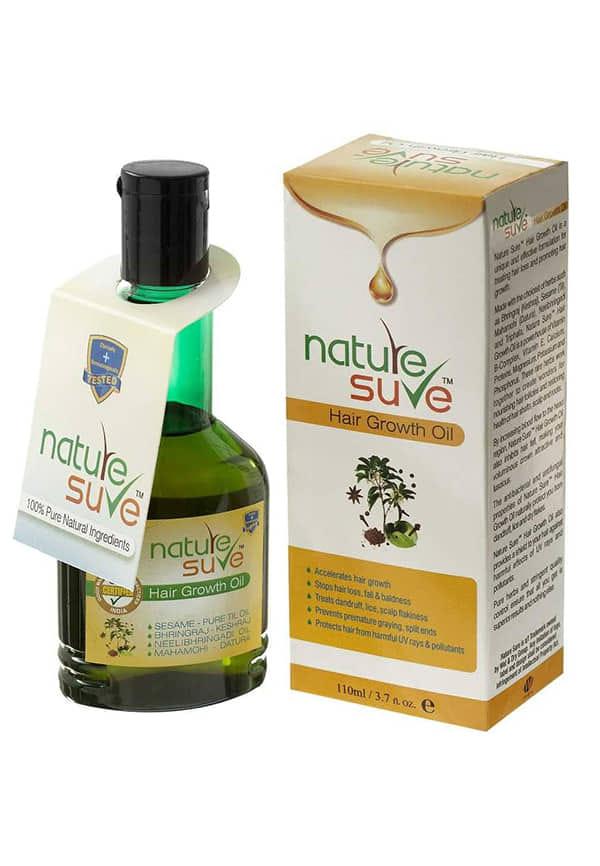
Hair Growth Oil for Darker and Stronger Hair in Men and Women
Your scalp is the foundation of healthy hair growth. A well-cared-for scalp creates the perfect environment for strong, fast-growing hair. This is where many people go wrong—they focus on the hair strands but neglect the roots.
A 5-minute daily scalp massage can increase blood flow to your follicles by up to 69%. Use your fingertips (not nails) to apply gentle pressure in circular motions. Start at your hairline and work towards the crown, then down to the nape of your neck. The best times for massage are morning (to energise your follicles) and evening (to relax and improve circulation before sleep). Consistency matters more than intensity—gentle, regular massage beats aggressive rubbing.
Rosemary oil has been clinically proven to be as effective as minoxidil for hair growth. Mix 2-3 drops with a carrier oil and massage into your scalp twice weekly. Coconut oil penetrates the hair shaft better than most oils, providing deep conditioning and protection against protein loss. Castor oil is rich in ricinoleic acid, which improves circulation and has antimicrobial properties that keep your scalp healthy. Peppermint oil creates a tingling sensation that indicates increased blood flow. Always dilute it with a carrier oil to avoid irritation.
Your daily haircare routine can either support or sabotage your growth goals. Small changes in how you wash, dry, and style your hair can lead to significant improvements in growth and strength.
Over-washing strips your hair of natural oils, whilst under-washing can clog follicles. Fine hair typically needs washing every other day, whilst thick or curly hair can go 2-3 days between washes. Always rinse with cool water as your final step. This seals the hair cuticles, locking in moisture and creating shine. Hot water opens cuticles and can lead to moisture loss and frizz. Sulfate-free shampoos are gentler on your hair and scalp. Sulfates create that satisfying lather but can be too harsh for regular use, especially if you're trying to grow your hair longer.
Heat styling tools can reach temperatures that literally cook your hair proteins. When you must use heat, apply a protective product first and keep temperatures below 180°C. Space out chemical treatments like colouring, perming, or relaxing by at least 6-8 weeks. Your hair needs time to recover and rebuild its structure between treatments. Air-drying might take longer, but it's infinitely gentler. If you're in a rush, use a microfibre towel to gently squeeze out excess water, then let your hair finish drying naturally.

Thumba Wonder Hair Oil for Men and Women
Your lifestyle choices have a massive impact on your hair's ability to grow strong and healthy. Stress, sleep quality, and daily habits all play crucial roles in your hair growth journey.
Chronic stress increases cortisol levels, which can push hair follicles into the resting phase prematurely. This leads to increased shedding and slower growth. Simple stress-reduction techniques like deep breathing exercises, short walks, or even listening to music can help. The key is finding what works for you and doing it consistently. Meditation doesn't have to be complicated—even 5 minutes of focused breathing can lower stress hormones and benefit your hair.
Your hair does most of its growing and repairing whilst you sleep. Aim for 7-8 hours of quality sleep each night. During deep sleep, your body increases blood flow to hair follicles and releases growth hormones. Satin or silk pillowcases reduce friction that can cause breakage and tangles. They're especially beneficial if you move around a lot in your sleep. Consider loosely braiding your hair or using a silk scrunchie to prevent tangles without creating tension that could damage your hairline.
These final three methods are more intensive but can provide excellent results when used consistently. They're perfect for when you want to take your natural hair growth routine to the next level.
Aloe vera scalp soother: Apply fresh aloe vera gel directly to your scalp and leave for 30 minutes before washing. Its enzymes remove dead skin cells and unclog follicles whilst providing moisture. Onion juice follicle treatment: Blend one onion, strain the juice, and apply to your scalp for 15 minutes before shampooing. The sulfur compounds improve circulation and may stimulate growth. Green tea rinse: Brew strong green tea, let it cool, and use as a final rinse after shampooing. The antioxidants protect follicles from damage and may extend the growth phase.
Tight hairstyles like high ponytails or tight braids can cause traction alopecia—permanent hair loss from constant pulling. Opt for loose styles and vary your parting to prevent stress on specific areas. Invest in hair accessories that won't snag or break your hair. Seamless hair ties, wide-tooth combs, and boar bristle brushes are gentler options. Microfibre towels absorb water without the rough texture of regular towels that can cause cuticle damage and frizz.
Ginseng has been used traditionally for hair growth and modern studies support its follicle-stimulating properties. Look for supplements containing Korean red ginseng. Biotin supplements can help if you're deficient, but most people get enough from food. If you choose to supplement, 30-100 mcg daily is typically sufficient. Collagen provides amino acids that your body uses to build keratin. Marine collagen is often considered the most bioavailable form. When exploring natural hair growth products, platforms like Smytten make it easy to try different formulations without committing to full sizes. With trial packs from trusted brands, you can discover what works for your hair type before investing in larger quantities.
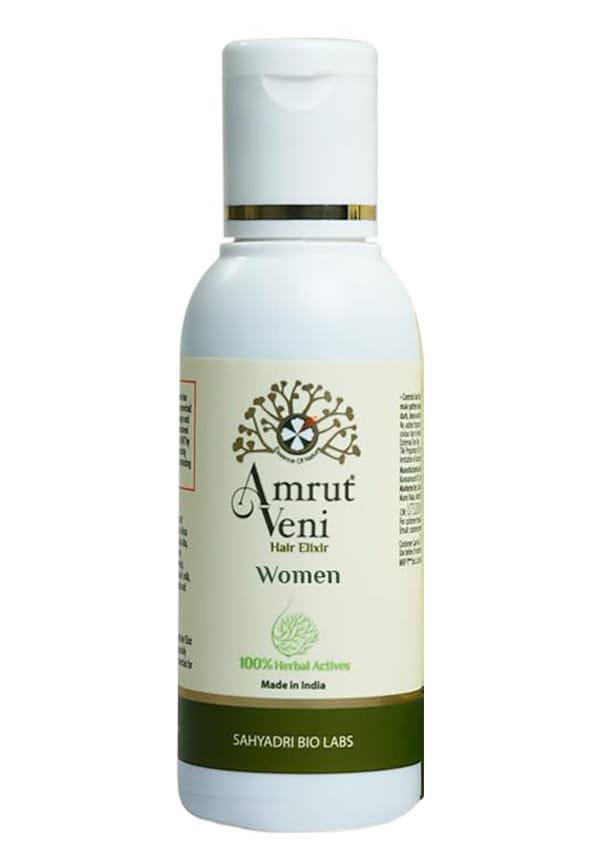
Hair Elixir Women
Most people notice improvements in hair texture and strength within 4-6 weeks, whilst length increases become visible after 2-3 months of consistent effort. Remember, hair grows about half an inch per month naturally.
Yes, but you may need to adjust techniques based on your hair's specific needs. Fine hair might benefit more from lightweight oils, whilst thick hair can handle heavier treatments.
Natural methods are generally safe, but always patch test new ingredients. Some people may be sensitive to essential oils or certain foods.
Start with 2-3 times per week for treatments like oil massages or masks. Daily practices include proper nutrition, hydration, and gentle hair handling.
If you don't see improvements after 3-4 months of consistent effort, consider consulting a dermatologist or trichologist. Underlying health issues might be affecting your hair growth.
These seven natural ways to grow hair focus on creating the optimal conditions for healthy growth rather than forcing quick results. The key is consistency—pick 2-3 methods that fit your lifestyle and stick with them for at least three months. Remember, everyone's hair responds differently, so what works brilliantly for your friend might need tweaking for you. This is where trial and experimentation become valuable. Smytten's approach of trying before committing applies perfectly here—whether you're testing new natural oils, sulfate-free shampoos, or growth-supporting supplements, you can explore what works for your unique hair needs without the financial risk. Start with the basics: improve your nutrition, begin scalp massages, and be gentler with your hair care routine. As these become habits, gradually add the more intensive treatments. Your hair will thank you for the patience and care, rewarding you with the strong, healthy growth you've been working towards.
