7 Natural Dry Scalp Treatments You Can Try Now

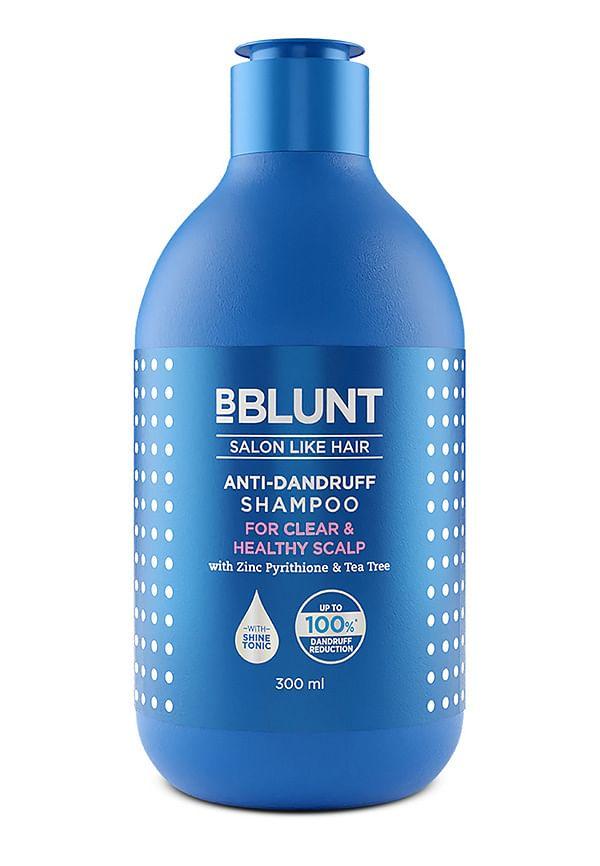
Anti-Dandruff Shampoo For a Clear & Healthy Scalp
Loves the Niche Shampoo
 5
5“very very niche shampoo love itt”
Loves the Niche Shampoo
5“very very niche shampoo love itt”
Loves the Niche Shampoo
5“very very niche shampoo love itt”
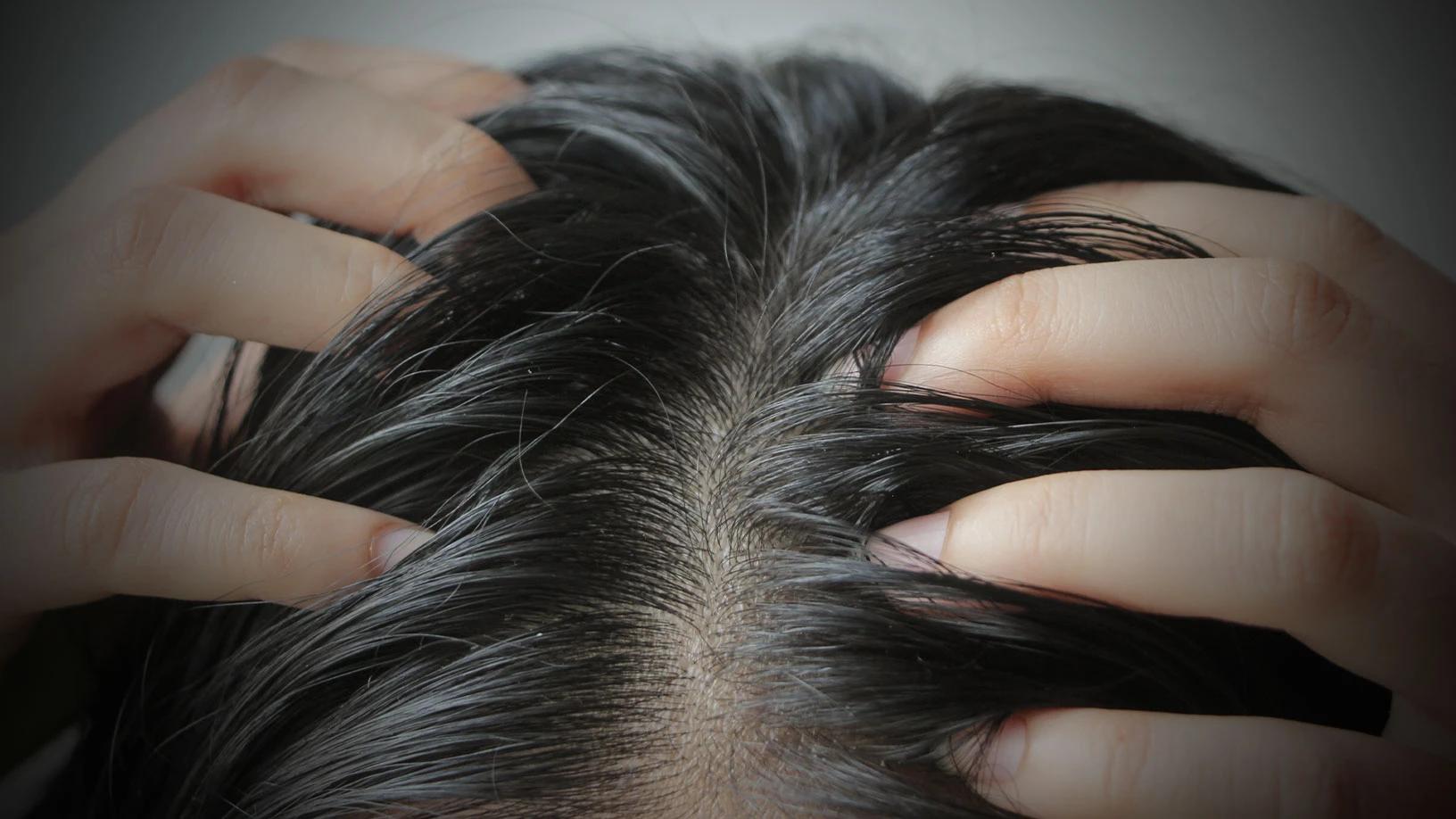
That annoying itch, those embarrassing white flakes on your shoulders, and the constant urge to scratch your scalp – sound familiar? You're not alone in this struggle. Dry scalp affects millions of people, and whilst it might seem like a minor issue, it can seriously impact your confidence and comfort. The good news? You don't need expensive salon treatments or harsh chemical products to find relief. Natural dry scalp treatment at home options are not only effective but also gentle on your scalp and wallet. These tried-and-tested remedies use ingredients you probably already have in your kitchen, making them perfect for anyone looking to soothe their scalp without the drama of complicated routines.
Before diving into treatments, let's clear up a common mix-up. Many people confuse dry scalp with dandruff, but they're actually different conditions that need different approaches. Understanding what you're dealing with is crucial for choosing the right natural scalp treatment.
Dry scalp happens when your scalp doesn't produce enough natural oils, leaving it feeling tight, itchy, and flaky. The flakes are typically small, white, and dry. Dandruff, on the other hand, is caused by an overgrowth of yeast on the scalp, resulting in larger, yellowish, oily flakes.
Dry Scalp Signs:
Small, white, powdery flakes
Tight, uncomfortable feeling
Itchiness that worsens in dry weather
Scalp feels rough to touch
Dandruff Signs:
Larger, yellowish flakes
Oily or greasy scalp
Persistent itching regardless of weather
Sometimes accompanied by redness
Several factors can trigger dry scalp conditions. Cold weather strips moisture from your scalp, whilst overwashing removes essential oils. Product buildup from styling products can also clog pores and prevent natural oil distribution. Age plays a role too – as we get older, our scalps naturally produce less oil.
Natural remedies for dry scalp are gaining popularity, and for good reason. Unlike harsh chemical treatments that can further strip your scalp of moisture, natural ingredients work with your scalp's biology to restore balance and promote scalp hydration.
Most commercial shampoos contain sulfates, which are excellent at cleaning but can be too aggressive for already dry scalps. Natural treatments, on the other hand, provide gentle cleansing whilst delivering essential nutrients and moisture directly to your scalp.
Your scalp has a natural protective barrier made up of oils and beneficial bacteria. When this barrier is compromised, dryness and irritation follow. Natural ingredients like coconut oil contain fatty acids that can penetrate the scalp and restore this protective barrier. Similarly, ingredients like aloe vera have anti-inflammatory properties that calm irritation whilst providing moisture.
Before trying any new treatment, always do a patch test. Apply a small amount of the ingredient to your inner wrist or behind your ear and wait 24 hours. If you experience any redness, itching, or irritation, skip that particular remedy.
Ready to give your scalp some much-needed TLC? These seven natural treatments have been used for generations and are backed by both tradition and modern understanding of scalp health. Each offers unique benefits, so you can choose based on your specific needs and what you have available.
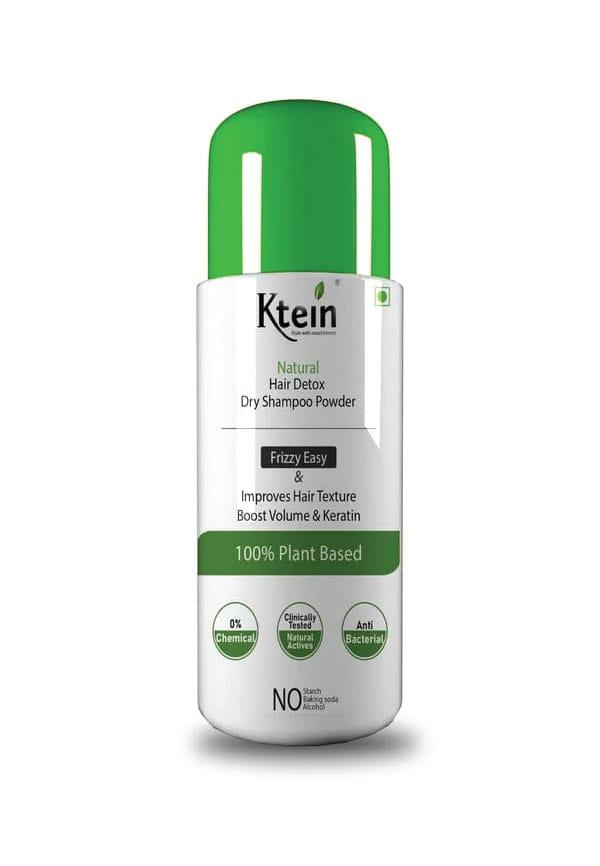
Natural Detox Dry Shampoo
Coconut oil is probably the most popular natural scalp treatment, and there's solid science behind its effectiveness. It contains lauric acid, which has antimicrobial properties, and its molecular structure allows it to penetrate hair and scalp better than many other oils.
How to use it: Warm 2-3 tablespoons of virgin coconut oil until it's liquid but not hot. Massage it into your scalp using circular motions, then work it through your hair. Leave it on for at least 30 minutes, or overnight for severely dry scalps. Shampoo as usual to remove.
Best for: This treatment is perfect for flaky scalp treatment and works well for all hair types. It's especially effective if your scalp feels tight and uncomfortable.
Apple cider vinegar might smell a bit strong, but it's incredibly effective at balancing your scalp's pH and removing product buildup that can contribute to dryness. It also has natural antifungal properties.
How to use it: Mix equal parts apple cider vinegar and water in a spray bottle. After shampooing, spray the mixture onto your scalp and hair, massage gently, then rinse thoroughly with cool water.
Best for: This is an excellent itchy scalp remedy and works particularly well if you use a lot of styling products or have hard water that leaves mineral deposits on your scalp.
Aloe vera is nature's cooling gel, packed with vitamins, minerals, and amino acids that nourish the scalp. Its anti-inflammatory properties make it perfect for irritated, itchy scalps.
How to use it: Apply fresh aloe vera gel directly to your scalp, or use a high-quality store-bought version without added chemicals. Massage gently and leave for 20-30 minutes before rinsing with lukewarm water.
Best for: This treatment is ideal for sensitive scalps and provides immediate relief from itching and irritation. It's one of the most soothing scalp treatments available.
Tea tree oil is a powerhouse ingredient with antifungal, antibacterial, and anti-inflammatory properties. However, it's quite potent, so it must always be diluted before use.
How to use it: Mix 5-10 drops of tea tree oil with 2 tablespoons of a carrier oil like jojoba or olive oil. Massage into your scalp and leave for 15-20 minutes before shampooing out.
Best for: This treatment works well for scalps that are both dry and prone to fungal issues. It's particularly effective as an itchy scalp remedy.
Sometimes dry scalp comes with buildup that needs gentle removal. This combination provides both exfoliation and deep moisturising in one treatment.
How to use it: Mix 2 tablespoons of olive oil with 1 teaspoon of baking soda to form a paste. Gently massage into your scalp in circular motions, focusing on areas with buildup. Leave for 10 minutes, then shampoo thoroughly.
Best for: This is perfect for flaky scalp treatment when you need to remove dead skin cells and product buildup whilst adding moisture.
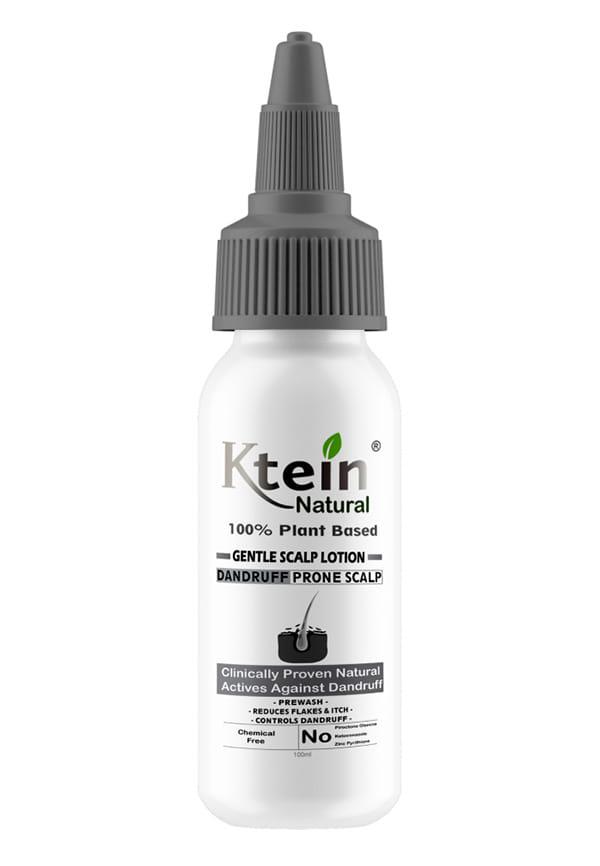
Natural 100% Plant Based Gentle Scalp Lotion Dandruff Prone Scalp
This DIY hair mask for dry scalp combines the moisturising fats from avocado with honey's humectant properties, which help draw moisture from the air into your scalp.
How to use it: Mash one ripe avocado with 2 tablespoons of raw honey until smooth. Apply to your scalp and hair, cover with a shower cap, and leave for 20-30 minutes. Rinse with lukewarm water, then shampoo gently.
Best for: This treatment is excellent for severely dry scalps and works as both a scalp and hair treatment.
Technically a wax rather than an oil, jojoba closely mimics your scalp's natural sebum, making it an excellent choice for daily scalp hydration without feeling greasy.
How to use it: Apply a few drops of jojoba oil to your fingertips and massage into your scalp before bed. It's light enough that you don't need to wash it out in the morning, though you can if you prefer.
Best for: This is perfect for maintaining scalp health and works well for people who need daily moisture without the heaviness of other oils.
Treating dry scalp isn't just about quick fixes – it's about creating a sustainable routine that keeps your scalp healthy long-term. Understanding how to moisturise scalp properly involves more than just applying products; it's about gentle care and consistency.
Start your day with a gentle scalp massage using your fingertips. This stimulates blood circulation and helps distribute natural oils. When washing your hair, use lukewarm water rather than hot, as heat strips away natural moisture.
How often you wash your hair depends on your scalp type and lifestyle. For dry scalps, 2-3 times per week is usually sufficient. When you do wash, focus the shampoo on your scalp rather than your hair lengths, and always follow with a moisturising conditioner.
Look for sulfate-free shampoos and avoid products with alcohol, which can be drying. Ingredients like hyaluronic acid, glycerin, and natural oils are your friends when it comes to scalp hydration.
Protect your scalp from harsh environmental factors. In winter, wear a hat to shield from cold, dry air. In summer, use products with UV protection. If you use heat styling tools, always apply a heat protectant first.
Beyond the basic seven treatments, there are several other home remedies for dandruff and dry scalp that you can try. These recipes are perfect for when you want to target specific issues or when you have a bit more time for self-care.
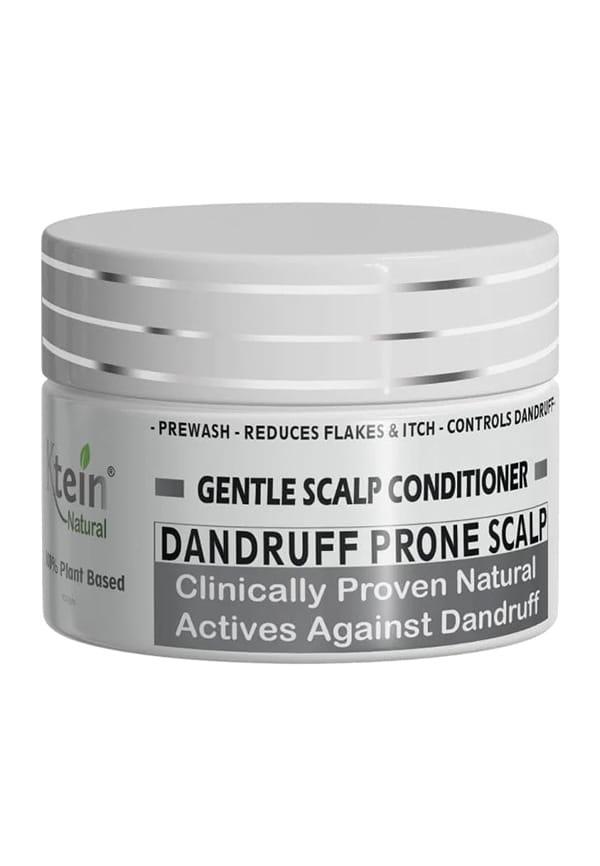
Natural 100% Plant Based Gentle Scalp Conditioner Dandruff Prone Scalp
Banana and Honey Blend: Mash half a ripe banana with 1 tablespoon of honey. This combination provides instant moisture and is gentle enough for sensitive scalps.
Yogurt and Lemon Treatment: Mix 3 tablespoons of plain yogurt with 1 teaspoon of lemon juice. The lactic acid in yogurt provides gentle exfoliation whilst the probiotics can help balance scalp bacteria.
Oatmeal Soothing Mask: Blend 2 tablespoons of oats with enough water to make a paste. Oatmeal contains compounds called avenanthramides that have anti-inflammatory properties.
Egg Yolk Protein Treatment: Beat 2 egg yolks with 1 tablespoon of olive oil. Egg yolks are rich in biotin and other nutrients that support scalp health.
Green Tea and Honey Anti-Inflammatory: Brew strong green tea, let it cool, then mix with honey. Green tea contains antioxidants that can help soothe irritated scalps.
When exploring different treatments, remember that what works for one person might not work for another. This is where platforms like Smytten become invaluable. As India's largest product discovery and trial platform, Smytten connects you with over 1,500 trusted brands in the haircare space. You can try mini-sized products from brands like Cetaphil, Dot & Key, and Love, Beauty & Planet before committing to full-size purchases. With Trial Points, you can get up to 8 minis for just ₹249, plus enjoy 100% cashback that's redeemable for future orders.
Most people notice some improvement within 1-2 weeks of consistent treatment. However, for significant changes, give it 4-6 weeks. Remember, natural treatments work gradually but provide lasting results.
Yes, most natural treatments are safe for coloured hair. However, be cautious with acidic treatments like apple cider vinegar, which might affect hair colour. Always do a strand test first.
For active treatment of dry scalp, 2-3 times per week is ideal. Once your scalp improves, you can reduce to once weekly for maintenance. Listen to your scalp – if it feels good, you're on the right track.
These natural treatments work for all hair types, but you might need to adjust quantities. Fine hair needs less oil-based treatments, whilst thick, coarse hair can handle more intensive treatments.
If you don't see improvement after 6 weeks of consistent natural treatment, it's time to consult a dermatologist. You might be dealing with a condition that needs medical attention, such as seborrheic dermatitis or psoriasis.
Absolutely! These dry scalp solutions work equally well for men and women. Men with shorter hair might find they need smaller quantities of the treatments.
Natural dry scalp treatment at home options are not only effective but also gentle and affordable. The key to success lies in consistency, patience, and finding the right combination of treatments that work for your specific scalp needs. Remember that healthy scalp care is a marathon, not a sprint – gentle, regular care will give you better long-term results than harsh, infrequent treatments.
Start with one or two treatments that appeal to you most, and give them time to work. Your scalp will thank you for the natural, nourishing care, and you'll likely find that your overall hair health improves as well. With over 25 million users trusting platforms like Smytten to discover the best haircare products, you're never alone in your journey to healthier hair and scalp. After all, why settle for 'maybe' when you can try it all and find what truly works for you?
