7 Hair Rebuilding Steps for Chemically Damaged Hair


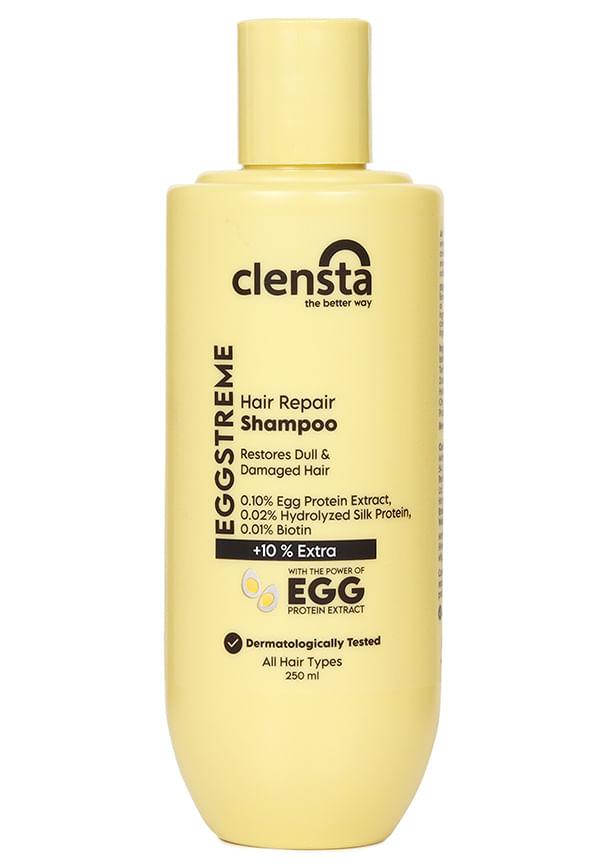
Eggstreme Hair Repair Shampoo With Egg Protein, Biotin & Hydrolyzed Silk Protein
Shiny, frizz-free hair
 4
4“no frizzy hair and fresh and shines”
Good product, recommended
4“product is so good I will recommend to my friends and family.”
Good Product, Recommended
4“product is so good I will recommend to my friends and family.”
Chemical treatments like bleaching, perming, and colouring can leave your hair feeling like straw—brittle, lifeless, and prone to snapping at the slightest touch. If you've ever run your fingers through chemically damaged hair and winced at the texture, you're not alone. The good news? Your hair isn't beyond saving. With the right approach, including a proven 3 step bonding hair care routine for chemically damaged hair, you can rebuild those broken bonds and restore your hair's strength and shine. Whether you're dealing with post-bleach breakage or colour-induced dryness, these seven hair rebuilding steps will guide you through a complete recovery process. At Smytten, we understand the frustration of damaged hair, which is why we've curated trial-sized treatments from trusted brands so you can find what works for your specific damage level without the commitment of full-size purchases.
TL;DR
Chemical damage breaks disulfide bonds in hair, requiring targeted repair treatments beyond regular conditioning
A 3 step bonding hair care routine forms the foundation: pre-treatment, protein cleansing, and deep bond repair conditioning
Additional steps include weekly protein treatments, deep conditioning, protective styling, and scalp care for complete recovery
Natural remedies can complement professional treatments but realistic timelines expect 6-12 weeks for visible improvement
Avoiding common mistakes like over-washing and heat styling on compromised hair is crucial for successful repair
When you chemically treat your hair, you're essentially breaking down its natural structure. Hair is made up of protein chains held together by disulfide bonds—think of them as the scaffolding that keeps your hair strong and elastic. Chemical processes like bleaching use alkaline solutions to lift the hair cuticle and break these bonds, allowing colour molecules to penetrate or natural pigment to be removed.
The problem starts when too many bonds are broken or when they don't reform properly after treatment. This leaves your hair structurally compromised, leading to increased porosity, reduced elasticity, and that dreaded straw-like texture. Signs your hair needs a bonding treatment routine include excessive breakage when wet, lack of stretch before snapping, dullness that won't respond to regular conditioning, and hair that feels rough even when moisturised.
Traditional conditioning treatments only provide temporary moisture and smoothing—they don't actually rebuild the broken internal structure. This is why damaged hair solutions need to go deeper than surface-level hydration. Your hair requires treatments that can penetrate the cortex and help reform those crucial protein bonds that give hair its strength and resilience.
The foundation of any successful hair repair routine lies in a systematic approach that targets different aspects of bond reconstruction. This three-step system works by first preparing the hair to receive treatment, then gently cleansing without further damage, and finally delivering intensive repair molecules deep into the hair shaft.
Step 1 involves applying a bond-rebuilding pre-treatment to dry hair before shampooing. These treatments contain small molecules that can penetrate damaged areas and begin the repair process. Apply from mid-length to ends, focusing on the most damaged sections, and leave for 10-15 minutes before proceeding to cleansing.
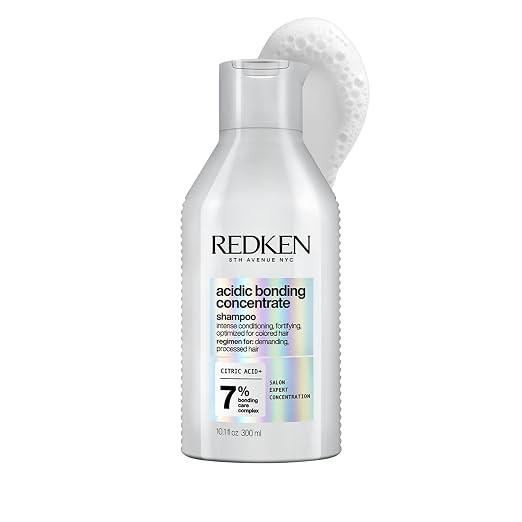
Step 2 uses a gentle, protein-enriched shampoo that cleanses without stripping. Look for formulas with hydrolysed proteins that can fill in gaps in the hair cuticle while removing buildup. The Redken Acidic Bonding Concentrate Shampoo Conditioner Leave-In Combo 750ml exemplifies this approach perfectly, featuring an acidic pH that helps seal the cuticle while citric acid works to strengthen weakened bonds and reduce breakage by up to 56% after just one use.
Step 3 involves a specialised hair bonding treatment conditioner that delivers intensive repair molecules. These formulas typically contain larger protein molecules and bond-building ingredients that work to reconnect broken disulfide links. Apply generously, comb through with a wide-tooth comb, and leave for 3-5 minutes for maximum penetration.
While the three-step bonding routine forms your foundation, complete recovery requires additional targeted treatments that address different aspects of chemical damage. These supplementary steps work together to strengthen chemically treated hair and prevent future breakage while promoting healthy regrowth.
A dedicated protein treatment for hair once weekly helps rebuild the internal structure that chemical processing has compromised. Choose treatments with hydrolysed keratin, wheat protein, or silk amino acids that can penetrate the hair shaft. Apply to damp hair, focusing on damaged areas, and follow package directions carefully—over-processing with protein can make hair brittle.
Watch for signs of protein overload: hair that feels stiff, breaks easily when dry, or lacks elasticity. If this occurs, alternate protein treatments with moisture-rich deep conditioners to maintain the proper protein-moisture balance your hair needs for optimal health.
Deep conditioning for damaged hair should happen 2-3 times weekly, focusing on moisture replenishment and cuticle smoothing. Look for treatments with ceramides, natural oils, and humectants that can restore flexibility and shine. Hot oil treatments using argan, coconut, or olive oil can provide additional nourishment—warm the oil slightly and apply to damp hair for 20-30 minutes before shampooing.
Leave-in conditioning becomes crucial for daily protection. Apply a lightweight leave-in conditioner to damp hair before styling to create a protective barrier and maintain moisture throughout the day.
Protective styling minimises manipulation and reduces stress on already compromised hair. Opt for loose braids, silk scrunchies, and styles that don't require tight pulling or excessive brushing. When heat styling is necessary, always use a heat protectant and keep temperatures below 300°F (150°C).
Overnight protection involves using silk or satin pillowcases and hair wraps to reduce friction. Consider protective styles like loose top knots or gentle braids that prevent tangling while you sleep.
Healthy hair starts with a healthy scalp. Regular scalp massage improves circulation, bringing nutrients to hair follicles and promoting stronger regrowth. Use your fingertips to massage in circular motions for 2-3 minutes daily, optionally with a few drops of rosemary or peppermint oil.
Gentle exfoliation once weekly removes buildup and dead skin cells that can clog follicles. Use a soft-bristled brush or a scalp scrub with fine particles to avoid irritation while maintaining optimal scalp health.
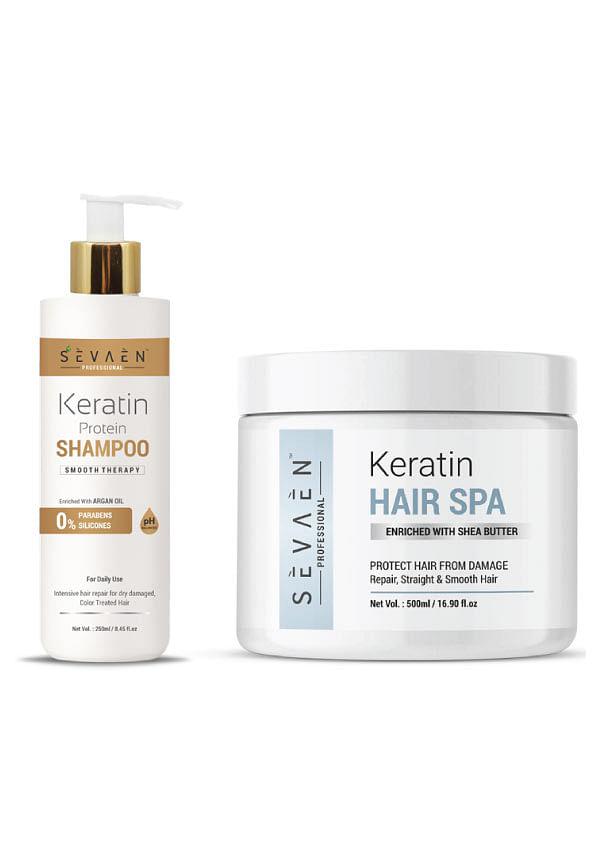
Keratin Shampoo And Hair Spa Cream For Hair Dry&Damage repair And strengthening&Smoothing Hair With Deep Conditioning Treatment
Soft & Shiny Hair
5“Leaves hair very soft and shiny”
Positive Product Review
5“nice product........good to use”
Positive Spa Cream Review
4“nice products...... spa cream is very nice”
While professional treatments offer the most dramatic results, several natural remedies can support your hair breakage treatment routine. These kitchen-based solutions work best as complementary treatments rather than standalone solutions for severe chemical damage.
A 48-hour emergency repair protocol involves alternating protein and moisture treatments. Day one: apply a DIY protein mask using egg whites mixed with honey, leave for 20 minutes, then follow with a deep moisturising treatment. Day two: focus purely on hydration with a mask of avocado, coconut oil, and aloe vera gel.
Natural alternatives to commercial bonding treatments include rice water rinses (rich in amino acids and proteins), green tea treatments (antioxidants for scalp health), and apple cider vinegar rinses (pH balancing and cuticle smoothing). However, realistic expectations are crucial—natural treatments typically show results after 6-8 weeks of consistent use, while professional treatments may show improvement within 2-3 applications.
Professional salon bonding treatments like Olaplex, K18, or Brazilian Bond Builder offer the most potent repair molecules and can deliver dramatic results in a single session. These treatments typically cost ₹3,000-₹8,000 per session but can reduce breakage by up to 70% immediately.
At-home bonding systems provide a more budget-friendly approach, with treatments ranging from ₹800-₹2,500. While less concentrated than salon versions, consistent use can achieve similar long-term results. The key is choosing products with proven bond-building ingredients like maleic acid, glyoxylic acid, or amino acid complexes.
Cost-benefit analysis shows that combining professional treatments every 6-8 weeks with at-home maintenance provides optimal results. This approach allows you to restore brittle hair effectively while maintaining improvements between salon visits. Professional intervention becomes necessary when damage is severe, with more than 50% breakage or complete loss of elasticity.
Over-washing strips natural oils and further compromises already damaged hair. Limit washing to 2-3 times weekly, using lukewarm water and gentle, sulfate-free formulas. Hot water opens the cuticle and allows moisture to escape, while harsh detergents can cause additional protein loss.
Mixing incompatible treatments can neutralise their effectiveness or cause adverse reactions. Never combine acidic treatments with alkaline ones in the same session, and avoid using multiple protein treatments simultaneously without adequate moisture balance.
Ignoring porosity levels when choosing products leads to poor results. High-porosity damaged hair needs protein-rich treatments and heavier moisturisers, while low-porosity hair requires lighter formulas that won't cause buildup. Heat styling on compromised hair, even with protectants, can cause further damage—air drying or low-heat methods are safer options during the recovery phase.
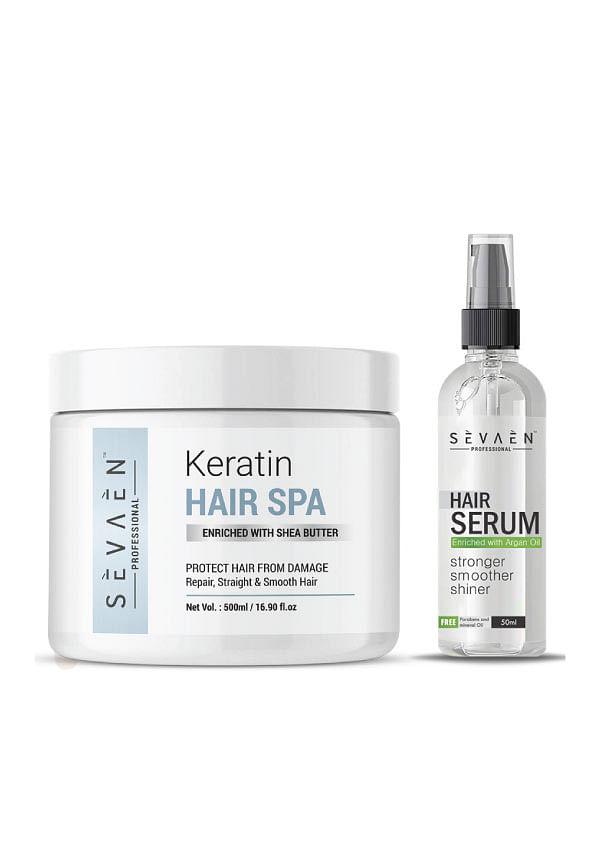
Keratin Hair Spa Cream And Hair Serum For Hair Dry&Damage repair And strengthening&Smoothing Hair With Deep Conditioning Treatment
Best Product Ever
5“best product ever loved it !!!!!”
Unexpectedly good, very moisturizing
5“I didn’t expect it to turn out so good. The mask is sooo mosturizing, that I am going to buy this again and again. ”
Effective Hair Combo
4“Nice combo for hair and also effictive”
Complete repair typically takes 3-6 months with consistent treatment, depending on damage severity. You'll notice reduced breakage within 2-3 weeks, improved texture after 4-6 weeks, and significant strength restoration after 8-12 weeks. Severely damaged hair may require 6-12 months for full recovery.
Yes, but success depends on damage extent. Mild to moderate damage responds well to bonding treatments and intensive care routines. However, severely damaged ends with complete elasticity loss may need trimming for optimal results. Regular micro-trims every 6-8 weeks help prevent damage from travelling up the hair shaft.
Protein treatments rebuild internal structure and strength, while moisture treatments restore flexibility and shine. Chemically damaged hair typically needs both, but the ratio depends on your hair's current condition. Over-proteined hair feels stiff and brittle, while over-moisturised hair feels mushy and lacks structure.
For severely damaged hair, use bonding treatments 2-3 times weekly initially, then reduce to once weekly as hair improves. With Smytten's trial-sized bonding treatments, you can test different formulas to find what works best for your damage level without committing to full-size products.
Natural remedies can support professional treatments but rarely provide complete repair for severe chemical damage alone. They work best for mild damage or as maintenance between intensive treatments. Ingredients like coconut oil, honey, and aloe vera offer genuine benefits but lack the concentrated repair molecules found in professional formulas.
Repairing chemically damaged hair requires a systematic approach that goes beyond regular conditioning. The 3 step bonding hair care routine for chemically damaged hair provides the foundation, while additional treatments address specific aspects of damage recovery. Success depends on consistency, proper product selection based on your hair's porosity and damage level, and patience—realistic expectations set you up for better results.
Remember that prevention is always better than cure. If you're planning future chemical treatments, ensure your hair is in optimal condition beforehand and always use professional services for major colour or texture changes. Regular maintenance with bonding treatments can help prevent severe damage and keep your hair healthy through chemical processing.
Rebuilding chemically damaged hair is absolutely possible with the right approach and products. While the journey requires patience and consistency, the results—stronger, shinier, healthier hair—make the effort worthwhile. Smytten makes this journey easier by offering trial packs from trusted haircare brands, allowing you to discover the perfect hair rebuilding steps for your specific needs without the risk of full-size purchases. With over 28 million users trusting our curated selection and 100% cashback on trial minis, you can explore professional-grade bonding treatments, deep conditioners, and repair serums from brands available on Smytten. Our platform's extensive reach across 90% pin code coverage ensures that wherever you are in India, you can access authentic, brand-verified minis to start your hair recovery journey. After all, why settle for damaged hair when you can #TryItAll and find your perfect repair routine?
