7 Hair Growth Secrets Revealed: Transform Your Locks



Hair Revitalising Serum
Let's be real—scrolling through endless hair growth tips online can feel like searching for a needle in a haystack. Everyone's promising miraculous transformations, but which hair growth secrets revealed actually work? We've done the digging for you, separating science-backed methods from social media myths. These seven proven strategies focus on what your hair truly needs: proper nutrition, consistent care, and realistic expectations. Ready to transform your locks without falling for gimmicks? Let's dive into the secrets that actually deliver results.
Before jumping into miracle cures, understanding how hair actually grows helps you make smarter choices. Your hair follows a predictable cycle, and working with this natural process—rather than against it—is key to seeing real improvements.
Your hair grows in three distinct phases. The anagen phase is when active growth happens, lasting 2-7 years depending on genetics. During catagen, a brief 2-3 week transition period, growth slows down. Finally, telogen is the resting phase lasting about 3 months before hair naturally sheds. Hair typically grows about 0.5 inches per month—that's roughly 6 inches annually. Factors like age, genetics, hormones, and overall health influence this rate. Understanding these limits helps set realistic expectations for your hair growth journey.
Cutting your hair doesn't make it grow faster—this persistent myth confuses hair health with growth rate. Trimming removes damaged ends, making hair appear healthier, but doesn't affect follicle activity. Overnight growth claims flooding social media are physically impossible. Hair follicles simply cannot produce visible length in hours. Focus on sustainable hair growth tips that work with your body's natural processes instead of chasing unrealistic promises.
Your hair is essentially dead protein, so what you eat directly impacts its strength and growth potential. Think of proper nutrition as the foundation—without it, even the best topical treatments won't deliver optimal results.
Hair is made of keratin, a protein requiring adequate amino acids for production. Complete proteins containing all essential amino acids work best for supporting natural hair growth. Eggs, fish, lean meats, and quinoa provide these building blocks. Aim for 0.8-1 gram of protein per kilogram of body weight daily. For a 60kg person, that's roughly 48-60 grams spread throughout the day. Plant-based options like lentils, chickpeas, and hemp seeds also contribute significantly to your protein intake.
Iron deficiency is one of the most common causes of hair thinning, especially in women. Low iron levels disrupt the hair growth cycle, pushing more follicles into the resting phase. Include iron-rich foods like spinach, red meat, and pumpkin seeds in your diet. Zinc plays a crucial role in hair tissue growth and repair. Deficiency can lead to hair loss and slow regrowth. Oysters, nuts, and seeds provide excellent zinc sources. Omega-3 fatty acids from salmon, walnuts, and flaxseeds support scalp health and add shine to existing hair.
Scalp massage isn't just relaxing—it's one of the most effective ways to promote hair growth naturally. Increased blood circulation delivers more nutrients to hair follicles, potentially extending the growth phase.
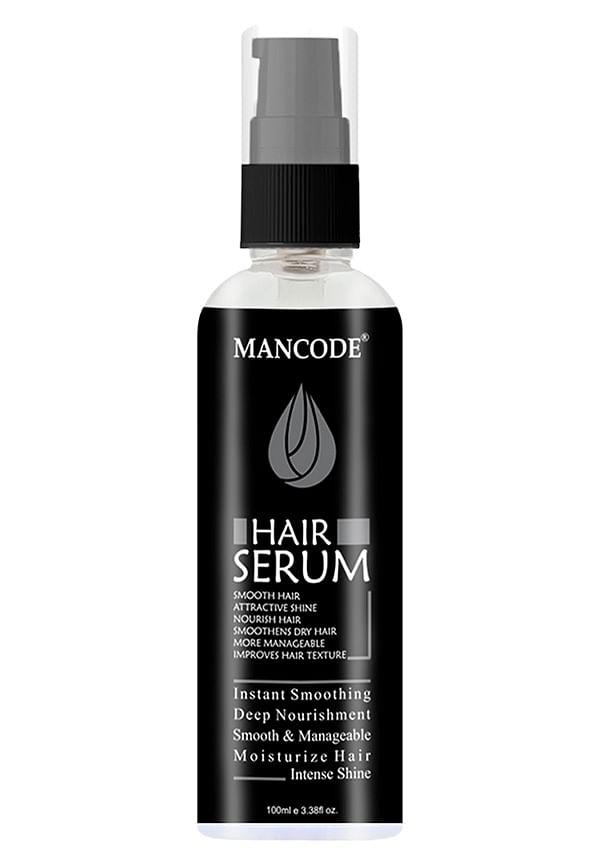
Hair Serum
Positive product experience
 4
4“i like the product 👍🏻👍🏻👍🏻”
Positive Men's Product Experience
5“felt good so far....nice one for men”
Excellent Hair Serum
5“This hair sirum is too good for hair”
Use your fingertips, not nails, applying gentle pressure in small circular motions. Start at your hairline and work backwards towards the crown, then move to the sides. Spend about 30 seconds on each section, maintaining consistent pressure. The best times for scalp massage are before washing your hair or during your evening routine. Consistency matters more than duration—five minutes daily beats a 30-minute session once weekly for circulation benefits.
Rosemary oil has shown impressive results in clinical studies, performing as well as conventional treatments for androgenetic alopecia. Mix 2-3 drops with a carrier oil like coconut or jojoba before massaging. Peppermint oil creates a cooling sensation that increases blood flow to the scalp. Its menthol content can extend the growth phase of hair follicles. Always dilute essential oils properly—they're potent and can cause irritation when used undiluted.
Growing longer hair means protecting what you already have. A strategic haircare routine focuses on minimising damage while creating optimal conditions for healthy growth.
Oily scalps benefit from more frequent washing—every other day or daily if needed. Clean follicles function better than clogged ones. Dry or chemically treated hair can go 2-3 days between washes to preserve natural oils. Sulfate-free shampoos are gentler on both hair and scalp, reducing irritation that can disrupt growth. However, clarifying shampoos used weekly help remove product buildup that might block follicles. Water temperature matters too—lukewarm water cleanses effectively without stripping natural oils.
Low-manipulation styles reduce mechanical damage from constant handling. Loose braids, buns, or ponytails prevent breakage better than tight styles that create tension on the hairline. Silk pillowcases reduce friction while you sleep, preventing tangles and breakage. Hair wraps or bonnets offer similar protection. When heat styling is necessary, always use a heat protectant and keep temperatures below 180°C to minimise damage.
Stress might be the most overlooked factor in hair health. Chronic stress disrupts the hair growth cycle, pushing follicles into premature resting phases and contributing to various forms of hair loss.
Elevated cortisol levels from chronic stress can shrink hair follicles and shorten the growth phase. This leads to telogen effluvium, where more hairs than normal enter the shedding phase simultaneously. Stress-induced hair loss typically becomes noticeable 2-3 months after the triggering event, as hair cycles take time to respond. The good news? This type of hair loss is usually temporary, with regrowth occurring once stress levels normalise and proper hair growth remedies are implemented.
Regular meditation, even just 10 minutes daily, can significantly reduce cortisol levels. Apps make it easy to start a consistent practice that benefits both mental health and hair growth. Exercise improves circulation throughout the body, including the scalp. Aim for 30 minutes of moderate activity most days. Quality sleep is equally important—aim for 7-9 hours nightly to allow your body to repair and regenerate effectively.
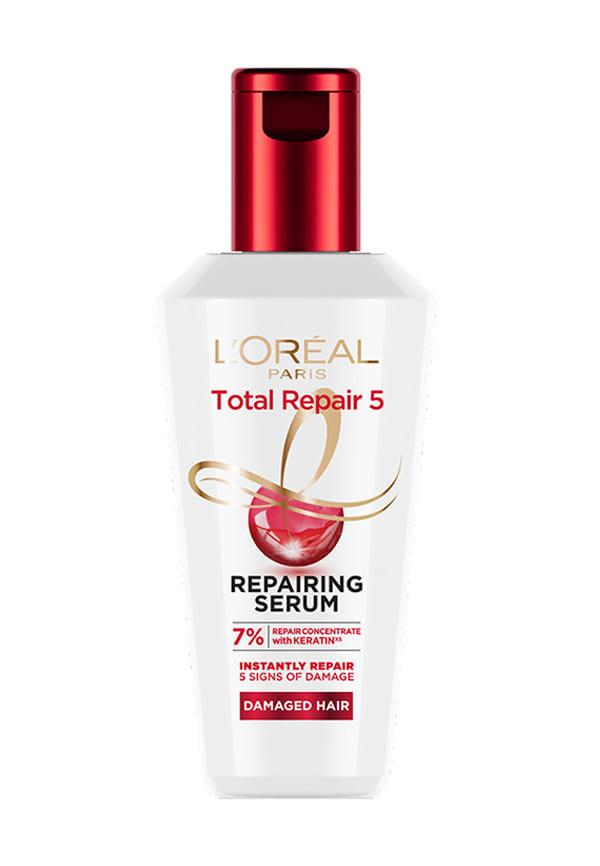
Total Repair 5 Serum
Smoother than other serums
5“Nice product and very much smoother than other serum”
Makes hair smooth and shiny
5“After use this serum hair smooth and shine must try”
Smoother than other serums
5“Nice product and very much smoother than other serum”
While home care forms the foundation, certain professional hair growth treatments can accelerate results when used appropriately. Understanding which treatments have scientific backing helps you invest wisely.
Microneedling stimulates hair follicles through controlled micro-injuries that trigger healing responses. Studies show it can improve hair density when combined with topical treatments. LED light therapy uses specific wavelengths to stimulate cellular activity in hair follicles. Red light therapy has shown promise in clinical trials for both men and women experiencing pattern hair loss. Professional scalp exfoliation removes dead skin cells and product buildup that might impede growth.
Pattern baldness requires different approaches than temporary hair loss from stress or nutritional deficiencies. If you notice significant thinning, especially in specific patterns, consult a dermatologist or trichologist. Early intervention typically yields better results than waiting until hair loss becomes severe. Professional evaluation can identify underlying causes and recommend appropriate hair growth solutions tailored to your specific situation.
Environmental factors and daily habits significantly impact hair health. Small adjustments to your lifestyle can create conditions that support thicker hair naturally without expensive treatments.
UV rays can damage hair cuticles and fade colour, making hair appear thinner and duller. Wear hats or use UV-protective hair products when spending extended time outdoors. Pollution particles can accumulate on the scalp, potentially clogging follicles. Regular cleansing and occasional clarifying treatments help remove environmental buildup. Seasonal adjustments matter too—winter heating can dry out hair and scalp, while summer humidity might require different styling approaches.
Proper hydration supports overall health, including hair growth. Aim for 8-10 glasses of water daily, adjusting for activity level and climate. Dehydration can make hair brittle and more prone to breakage. Balancing internal hydration with external moisture is key. Use leave-in conditioners or hair oils to maintain moisture levels, especially in dry climates or heated environments.
The most effective healthy hair tips require time to show results. Hair growth is a slow process, and sustainable improvements come from consistent daily habits rather than sporadic intensive treatments.
Weeks 1-2 focus on establishing basic routines: proper nutrition, gentle cleansing, and daily scalp massage. Weeks 3-6 introduce protective styling and stress management techniques. Weeks 7-12 allow you to assess progress and adjust methods based on your hair's response. Track progress through photos taken in consistent lighting and hair positions. Measure density and texture changes alongside length, as these improvements often appear before significant length increases.
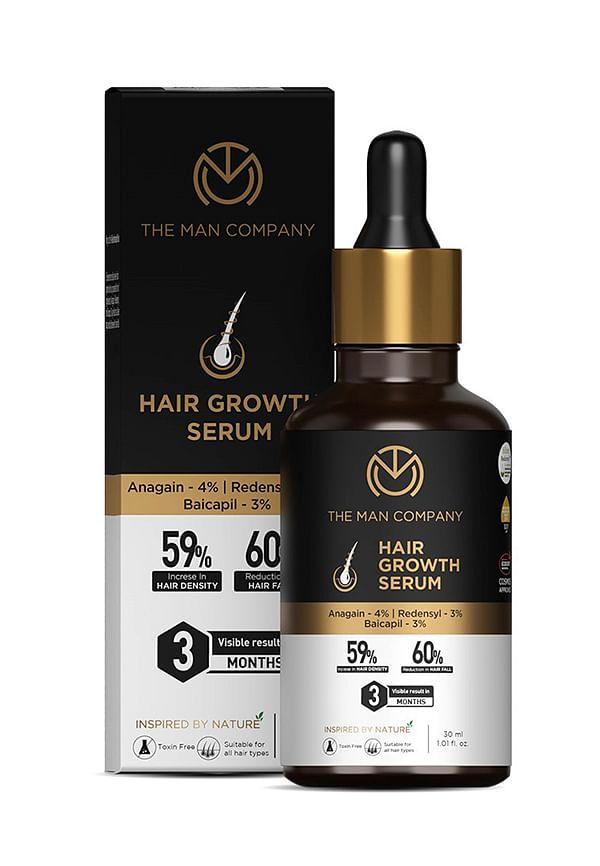
Hair Growth Serum
Hair health improvements include increased shine, reduced breakage, and better manageability. These changes often occur before noticeable length increases and indicate that your routine is working effectively. Reduced shedding during washing and styling suggests stronger hair follicles and healthier growth cycles. Focus on these indicators of improvement rather than expecting dramatic length changes in short timeframes. When exploring new haircare products to support your growth journey, Smytten offers an excellent way to discover what works for your unique hair needs. With curated trial packs from over 1,500 trusted brands, you can test different hair growth remedies and haircare solutions without committing to full-size purchases. This approach lets you build a personalised routine based on what actually works for your hair type and concerns.
The real secret combines proper nutrition, consistent scalp care, stress management, and patience. No single trick works overnight—sustainable growth requires a holistic approach focusing on follicle health and damage prevention.
Focus on protein intake, daily scalp massages with rosemary oil, and maintaining a stress-free lifestyle. These evidence-based methods can optimise your natural growth rate of 0.5 inches per month.
Visible improvements typically appear after 8-12 weeks of consistent care, as new growth emerges from follicles and existing hair becomes healthier. Length changes take longer to notice than texture and density improvements.
No legitimate method exists for overnight hair growth. Claims of growing significant length overnight are physically impossible—focus on sustainable, science-backed approaches instead.
Protein-rich foods like eggs, fish, and legumes, iron sources such as spinach and red meat, and omega-3 fatty acids from salmon and walnuts provide essential building blocks for healthy hair growth.
Daily 5-minute scalp massages provide optimal benefits. Consistency matters more than duration—regular gentle stimulation improves circulation better than occasional intensive sessions.
Transforming your hair doesn't require expensive treatments or miracle products—it needs consistency, patience, and science-backed approaches. These seven hair growth secrets revealed work because they address the fundamental needs of healthy hair: proper nutrition, adequate circulation, damage prevention, and stress management. Remember that sustainable hair growth takes time. Focus on building habits that support overall hair health rather than chasing quick fixes. Your hair will respond to consistent care with improved strength, shine, and growth over the coming months. Start with the basics—nutrition and gentle care—then gradually incorporate additional techniques as your routine becomes second nature.
