7 Expert Hair Repair Techniques for Damaged Hair

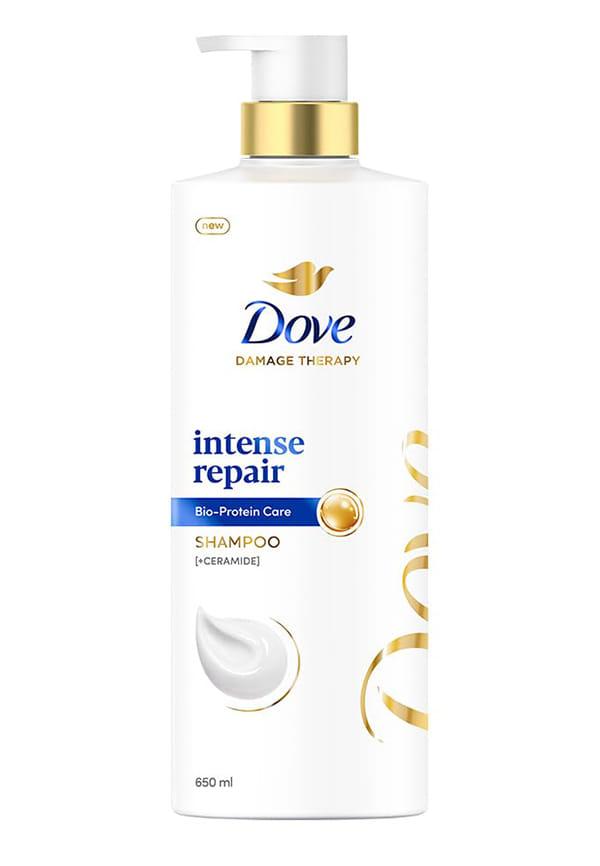
Intense Repair Shampoo
Excellent for Dry Hair
 5
5“very good on very very dry hair. the best”
Excellent Product, Must Buy
5“it's an excellent product. must buy!!”
Awesome Product for Hair Nourishment
5“Awsome product and give nourishment to hair”
Your hair's been through a lot lately, hasn't it? Between heat styling, colour treatments, and just life happening, damaged hair can feel like an uphill battle. But here's the thing—your hair has an incredible ability to bounce back with the right care. Whether you're dealing with split ends that seem to multiply overnight, breakage that leaves your brush looking like a crime scene, or dryness that makes your hair feel like straw, there's hope. This damaged hair treatment guide breaks down seven expert techniques that actually work, giving you a clear roadmap to healthier, stronger hair.
Before diving into solutions, let's get real about what damaged hair actually looks like. It's not just about having a bad hair day—damaged hair shows specific signs that your strands are crying out for help.
The most obvious signs include split ends that travel up the hair shaft, excessive breakage when brushing, a rough or straw-like texture, and hair that tangles easily. You might also notice your hair has lost its natural shine, feels brittle to the touch, or struggles to hold moisture no matter how much conditioner you use.
Heat styling tools are often the biggest offenders. Regular use of straighteners, curling irons, and blow dryers without proper protection can literally cook your hair's protein structure. Chemical treatments like bleaching, perming, or frequent colouring also break down the hair's natural bonds.
Environmental factors play a huge role too. UV exposure, pollution, chlorine from swimming pools, and even hard water can gradually weaken your hair. Sometimes the damage comes from seemingly innocent habits—brushing wet hair aggressively, using elastic bands that snag, or sleeping on rough pillowcases.
Think of deep conditioning as giving your hair a proper meal after it's been surviving on snacks. Regular conditioner is great for daily maintenance, but damaged hair needs something more substantial to truly recover.
A good hair mask for damaged hair works by penetrating deeper into the hair shaft than regular conditioner. Look for masks containing ingredients like keratin, argan oil, or shea butter. These ingredients help fill in the gaps in damaged hair cuticles and provide intense moisture.
DIY masks using ingredients like avocado, honey, or coconut oil can be surprisingly effective for mild damage. However, professionally formulated masks often contain concentrated active ingredients that penetrate more effectively.
Apply your hair mask to damp, not soaking wet hair. Start from mid-length to ends, avoiding the roots unless your scalp is also dry. Use a wide-tooth comb to distribute evenly, then wrap your hair in a warm towel or use a shower cap. The heat helps the treatment penetrate better.
For severely damaged hair, aim for deep conditioning twice a week. Moderately damaged hair benefits from weekly treatments, while mildly damaged hair needs it every two weeks.
If you're serious about hair repair, your relationship with heat styling tools needs to change. This doesn't mean going completely heat-free (though your hair would love that), but it does mean being much smarter about how and when you use them.
Heat protectants aren't just marketing fluff—they create a barrier between your hair and the damaging effects of high temperatures. Apply heat protectant to damp hair before blow-drying, and again on dry hair before using straighteners or curling irons.
Fine or already damaged hair should never exceed 300°F (150°C). Normal hair can handle up to 350°F (175°C), while thick, coarse hair might need up to 400°F (200°C). Start low and only increase if absolutely necessary.
Embrace air-drying whenever possible. If you must blow-dry, use the cool shot button to finish—it helps seal the hair cuticle. Try heatless curling methods like braiding damp hair or using foam rollers overnight.
Here's a truth bomb: you cannot repair split ends with products alone. Once the hair shaft splits, the only real solution is cutting it off. But before you panic about losing length, strategic trimming is about working smarter, not just chopping everything off.
Regular trims every 6-8 weeks prevent split ends from travelling up the hair shaft and causing more damage. For severely damaged hair, you might need more frequent trims initially, then space them out as your hair health improves.
Dusting involves trimming just the very tips of your hair—literally just the damaged ends. This technique helps maintain length while removing the most damaged parts. You can learn to do this yourself with sharp hairdressing scissors, but it takes practice.
While you can maintain your hair between salon visits, a professional stylist can assess damage patterns you might miss and create a cutting plan that promotes healthy growth.
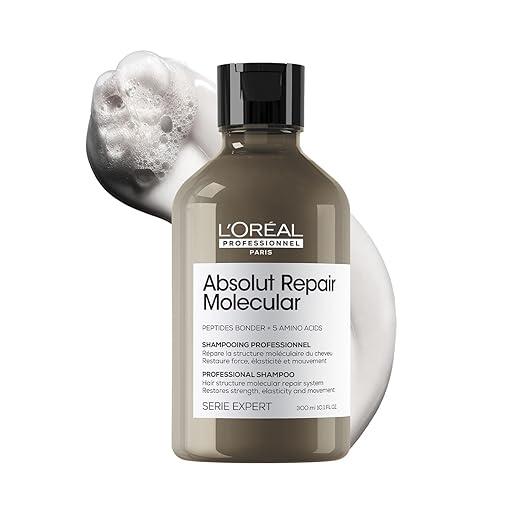
This sulfate-free deep repairing shampoo is a strong professional pick for damaged hair that feels weak, rough or over-processed. L'Oréal Professionnel Absolut Repair Molecular Shampoo is formulated with Peptides Bonder and 5 Amino Acids to help repair the hair’s macro-molecular structure and restore strength. It is designed for damaged hair that needs more than a basic cleanse, helping improve elasticity, movement and smoothness while gently purifying the scalp with 0.01% salicylic acid. If your hair has been affected by heat styling, colouring, bleaching or daily damage, this shampoo works well as the first step in a repair-focused routine.
Leave-in treatments and serums provide ongoing protection throughout the day. They're particularly useful for dry hair remedies because they continue working long after you've styled your hair.
Start with a gentle, sulfate-free shampoo, follow with a moisturising conditioner, and add a leave-in treatment for extra protection. Use a deep conditioning mask 1-2 times per week, and always apply heat protectant before styling.
This is where exploring different damaged hair products becomes crucial. With so many options available, finding what works for your specific hair type and damage level can feel overwhelming. Platforms like Smytten make this process much easier by offering trial-sized versions of professional haircare products, so you can test what works without committing to full-size purchases.
Sometimes damaged hair needs professional intervention. Salon treatments can provide more intensive repair than what's possible at home, though they do come with a higher price tag.
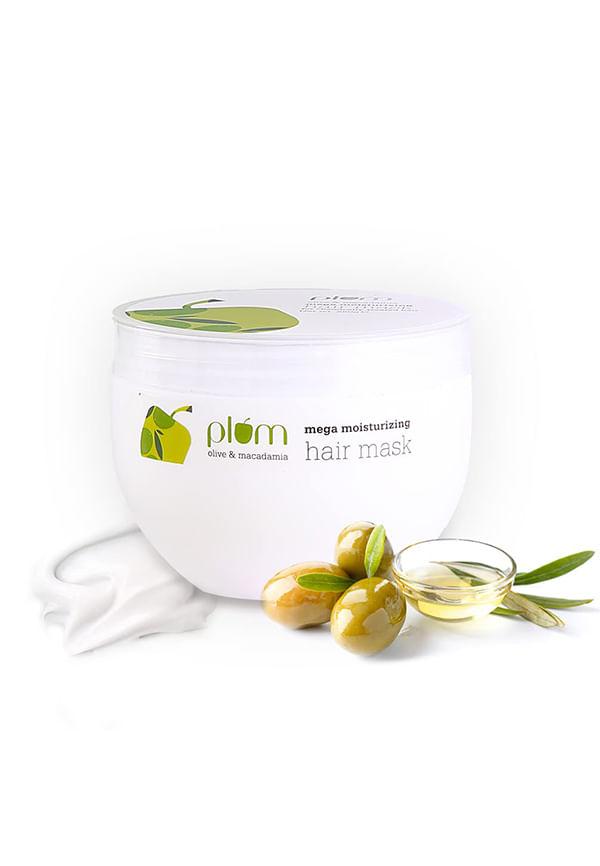
Olive & Macadamia Mega Moisturizing Hair Mask
Good Hair Mask for Silky Smooth Hair
5“it's a very good hair mask rich in ingredients make the hair silky and smooth”
Good Hair Mask for Silky Smooth Hair
5“it's a very good hair mask rich in ingredients make the hair silky and smooth”
Good Hair Mask for Silky Smooth Hair
5“it's a very good hair mask rich in ingredients make the hair silky and smooth”
Bond-building treatments work at a molecular level to reconnect broken disulfide bonds in your hair. These treatments can dramatically improve hair strength and elasticity, especially for chemically damaged hair.
Keratin treatments smooth the hair cuticle and add a protective layer, making hair more manageable and less prone to further damage. They're particularly effective for frizzy, damaged hair.
Professional hot oil treatments penetrate deeper than at-home versions because salons use specialised equipment to open the hair cuticle. These treatments are excellent for severely dry or brittle hair.
Professional treatments typically cost between ₹2,000-₹8,000 depending on the service and salon. While expensive, they can provide results that would take months to achieve with at-home treatments alone.
Your hair's health starts from within. What you eat, how much you sleep, and how you manage stress all impact your hair's ability to repair itself and grow strong.
Protein is crucial because hair is primarily made of keratin, a type of protein. Include lean meats, fish, eggs, legumes, and nuts in your diet. Biotin, iron, and vitamins A, C, and E also support healthy hair growth and repair.
Dehydration affects your hair just like it affects your skin. Aim for at least 8 glasses of water daily to support your hair's natural moisture levels.
Poor sleep and chronic stress can disrupt your hair's growth cycle and make existing damage worse. Invest in a silk or satin pillowcase to reduce friction while you sleep.
Protect your hair from UV damage with products containing SPF or by wearing hats. Use a shower filter if you have hard water, and always rinse your hair after swimming in chlorinated pools.
The most effective approach to repairing damaged hair is creating a personalised plan based on your specific damage type and lifestyle. This isn't about following someone else's routine—it's about understanding what your hair needs and being consistent with your approach.
Start by honestly assessing your damage level. Mild damage might just need better daily care and monthly deep treatments. Moderate damage requires more intensive weekly treatments and possibly some professional help. Severe damage needs a complete routine overhaul and likely professional intervention.
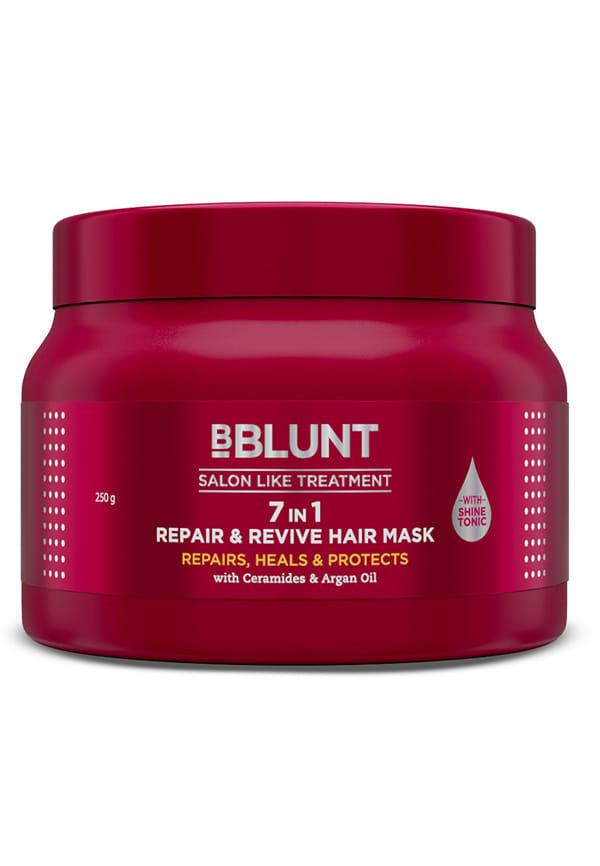
7 in 1 Repair & Revive Hair Mask for Upto 100% Damage Repair
Bestest Hair Mask
5“Bestest hair mask ❤❤❤❤❤❤❤❤❤❤❤❤❤❤❤”
Lovely Smell & Immediate Results
5“very lovely smell. I saw results from the first wash.”
Bestest Hair Mask
5“Bestest hair mask ❤❤❤❤❤❤❤❤❤❤❤❤❤❤❤”
Set realistic expectations. In 30 days, you should notice improved texture and manageability. By 60 days, breakage should decrease significantly. At 90 days, you should see noticeable improvement in overall hair health and shine.
Take photos of your hair in natural light every two weeks. Keep a simple journal noting what products you're using and how your hair feels. This helps you identify what's working and what isn't.
Once your hair starts improving, don't abandon your routine. Healthy hair maintenance is much easier than damage repair, but it still requires consistency.
Finding the right combination of hair strengthening treatments and products is often a journey of trial and discovery. With over 1,500 trusted brands available through platforms like Smytten, you can explore professional-grade haircare solutions without the commitment of full-size purchases. This approach lets you build a truly personalised routine based on what actually works for your hair, not just what's trending.
The best treatment depends on your damage type. For chemical damage, bond-building treatments work well. For heat damage, protein treatments and deep conditioning are most effective. For overall dryness, oil-based treatments and regular moisturising masks give the best results. Combining multiple approaches usually works better than relying on just one treatment.
Focus on intensive moisture and protein treatments. Use a deep conditioning mask twice weekly, apply leave-in treatments daily, and eliminate heat styling temporarily. Trim split ends immediately to prevent further damage. Sleep on silk pillowcases and handle wet hair gently. Realistic improvement takes 4-6 weeks with consistent care.
Severely damaged hair needs gentle handling above all. Use wide-tooth combs only, avoid brushing when wet, and never sleep with wet hair. Switch to sulfate-free products, deep condition weekly, and get regular trims. Protect from heat and environmental damage. Consider professional treatments for faster results.
Avoid sulfates, alcohol-based styling products, and anything with harsh detergents. Skip clarifying shampoos unless absolutely necessary. Avoid products with high pH levels and those containing drying alcohols like isopropyl alcohol. Heat styling tools without protection are also off-limits during recovery.
While you can significantly improve damaged hair's appearance and prevent further damage, severely damaged hair cannot be completely "repaired" to its original state. However, with proper care, you can restore much of its strength, shine, and manageability. The key is consistent care and realistic expectations about the recovery process.
Repairing damaged hair isn't about finding one miracle product—it's about understanding your hair's specific needs and being consistent with the right combination of treatments. Whether you're dealing with heat damage, chemical processing aftermath, or just general wear and tear, these seven techniques provide a comprehensive approach to getting your hair back to health.
Remember, hair repair is a marathon, not a sprint. You'll likely see small improvements within a few weeks, but significant transformation takes months of consistent care. The good news is that once you establish a routine that works, maintaining healthy hair becomes much easier than repairing damage.
The journey to healthier hair often involves trying different products and techniques to find what works best for your specific situation. This is where having access to trial sizes becomes invaluable—you can experiment with professional-grade treatments and products without the financial commitment of full sizes. After all, why settle for damaged hair when you can explore all the options available and find your perfect repair routine?
