7 Essential Scalp Care Tips for Healthy Hair
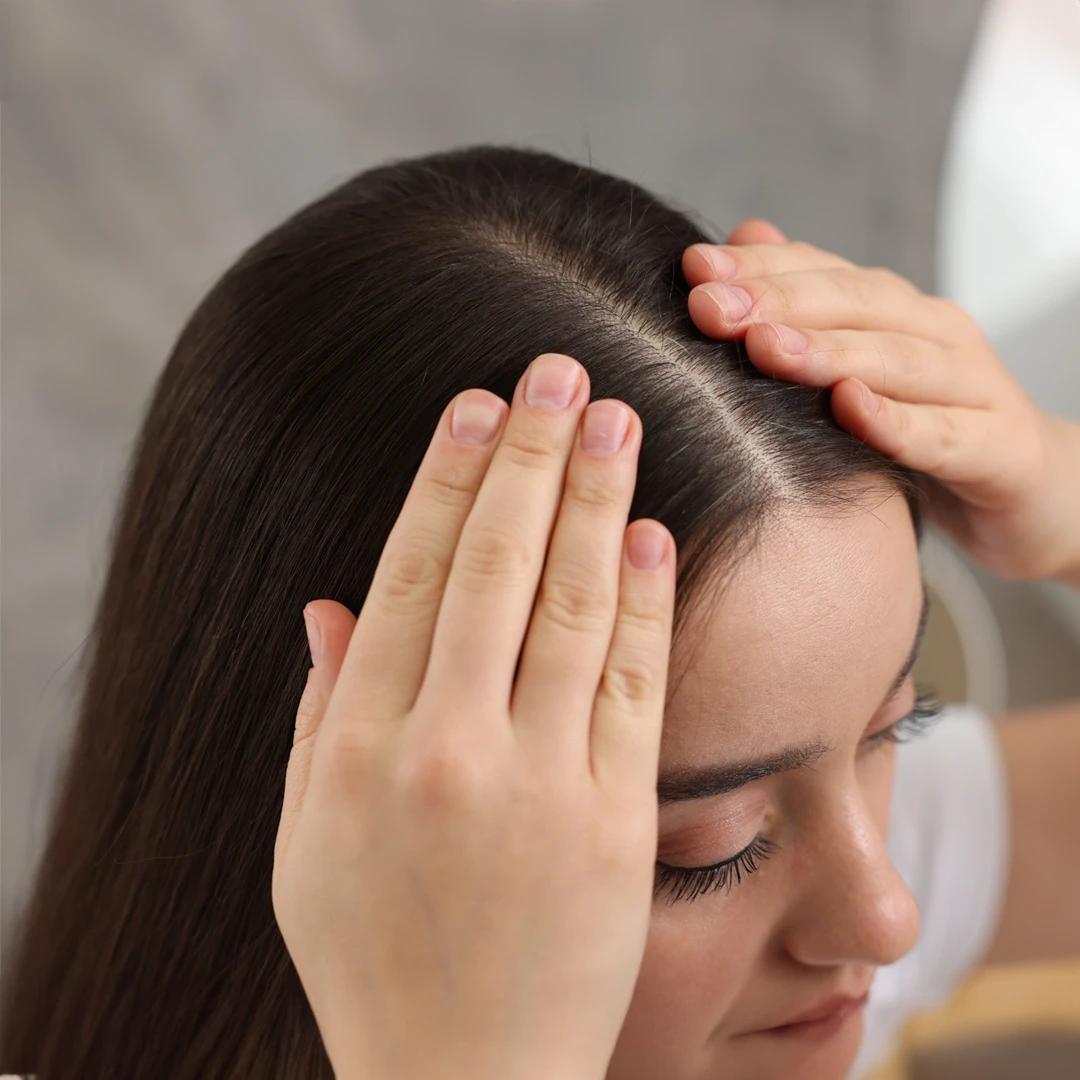

Let's be real—your scalp is basically the soil where your hair grows, and just like a garden, healthy soil means healthy plants. In India's unique climate with its mix of humidity, pollution, and intense heat, your scalp faces challenges that need proper attention. Whether you're dealing with monsoon-induced dandruff or summer oiliness, getting your scalp care routine India right is the game-changer your hair has been waiting for. Think of it as the foundation that everything else builds on—skip this step, and even the fanciest haircare products won't give you the results you're after.
India's climate throws some serious curveballs at your scalp health. The humidity during monsoons can create a breeding ground for fungal infections, whilst the scorching summer heat can leave your scalp parched and irritated. Add pollution from city life, and your poor scalp is working overtime just to stay balanced.
Your healthy scalp is directly connected to hair growth—when your scalp is happy, your hair follicles get the right environment to produce strong, healthy strands. But when your scalp is stressed, inflamed, or clogged, hair growth slows down, and you might notice more breakage or thinning. Common issues like dandruff, excessive oiliness, or dryness aren't just cosmetic problems—they're signs that your scalp needs some TLC.
The good news? Once you understand what your scalp needs and create a routine that works with India's climate, you'll see improvements not just in how your scalp feels, but in your overall hair health too.
Just like your skin, your scalp has its own personality. Some people have naturally oily scalps that get greasy within a day, whilst others deal with dryness and flaking. Then there are those with combination scalps—oily at the crown but dry around the hairline. Knowing your scalp type is crucial because what works for your friend might not work for you.
In Indian conditions, your scalp type can also shift with seasons. You might have an oily scalp during humid months but find it getting drier when you're constantly in air-conditioned spaces. This is why your scalp treatment approach needs to be flexible and responsive to these changes.
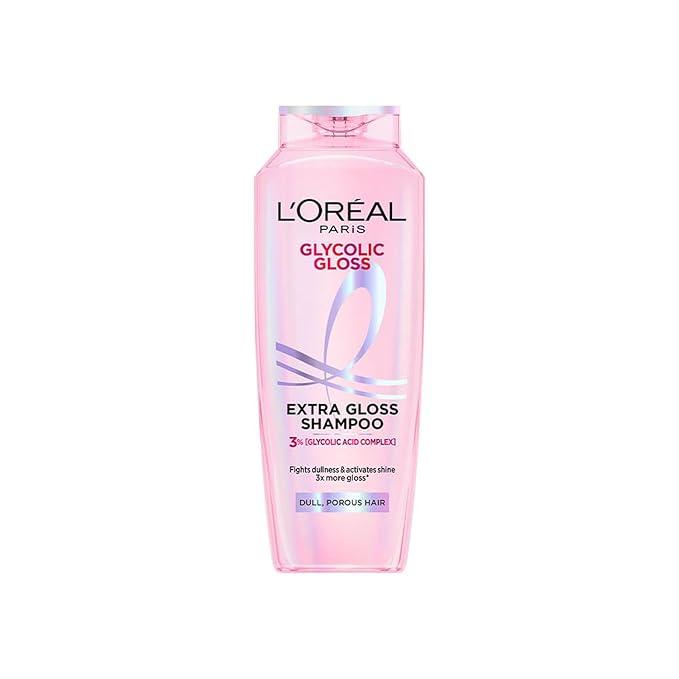
If your scalp feels mostly balanced but your hair still looks dull, rough, or weighed down, a shine-focused cleansing shampoo can help reset things. L’Oréal Paris Glycolic Gloss Shine Boosting Shampoo, powered by a 3% Glycolic Acid complex, is designed for dull hair that needs that fresh, glossy feel without making the routine complicated. It helps smoothen the hair fibre, improve hair quality, and bring back shine from the first wash. Think of it as a good pick when your scalp does not need intense treatment, but your hair needs a proper glow-up from pollution, product buildup, or everyday dullness.
Here's a simple way to figure out your scalp type. Wash your hair with a gentle shampoo, then wait 24 hours without using any products. Check these signs:
Oily scalp: Hair looks greasy, scalp feels slick to touch
Dry scalp: Flaking, itchiness, hair feels rough
Combination scalp: Oily crown area, drier around edges
Sensitive scalp: Redness, irritation, or burning sensation
Proper scalp cleansing in India isn't just about washing your hair—it's about removing the day's buildup of pollution, sweat, and excess oils without stripping your scalp of its natural protective barrier. The frequency depends on your lifestyle and scalp type, but most people in Indian cities benefit from washing every 2-3 days.
Your hair care routine India should start with lukewarm water, not hot. Hot water might feel relaxing, but it can actually irritate your scalp and strip away natural oils, leaving you with either overproduction of oil or excessive dryness. Focus your shampoo on the scalp, not the lengths of your hair—your scalp is where the action needs to happen.
Borrowed from skincare, double cleansing works wonders for scalps dealing with heavy pollution and product buildup. Start with an oil-based cleanser or a gentle clarifying shampoo to break down stubborn buildup, then follow with your regular shampoo to cleanse and nourish.
This method is particularly helpful if you use styling products regularly or live in highly polluted areas. Just don't overdo it—once or twice a week is plenty for most people.
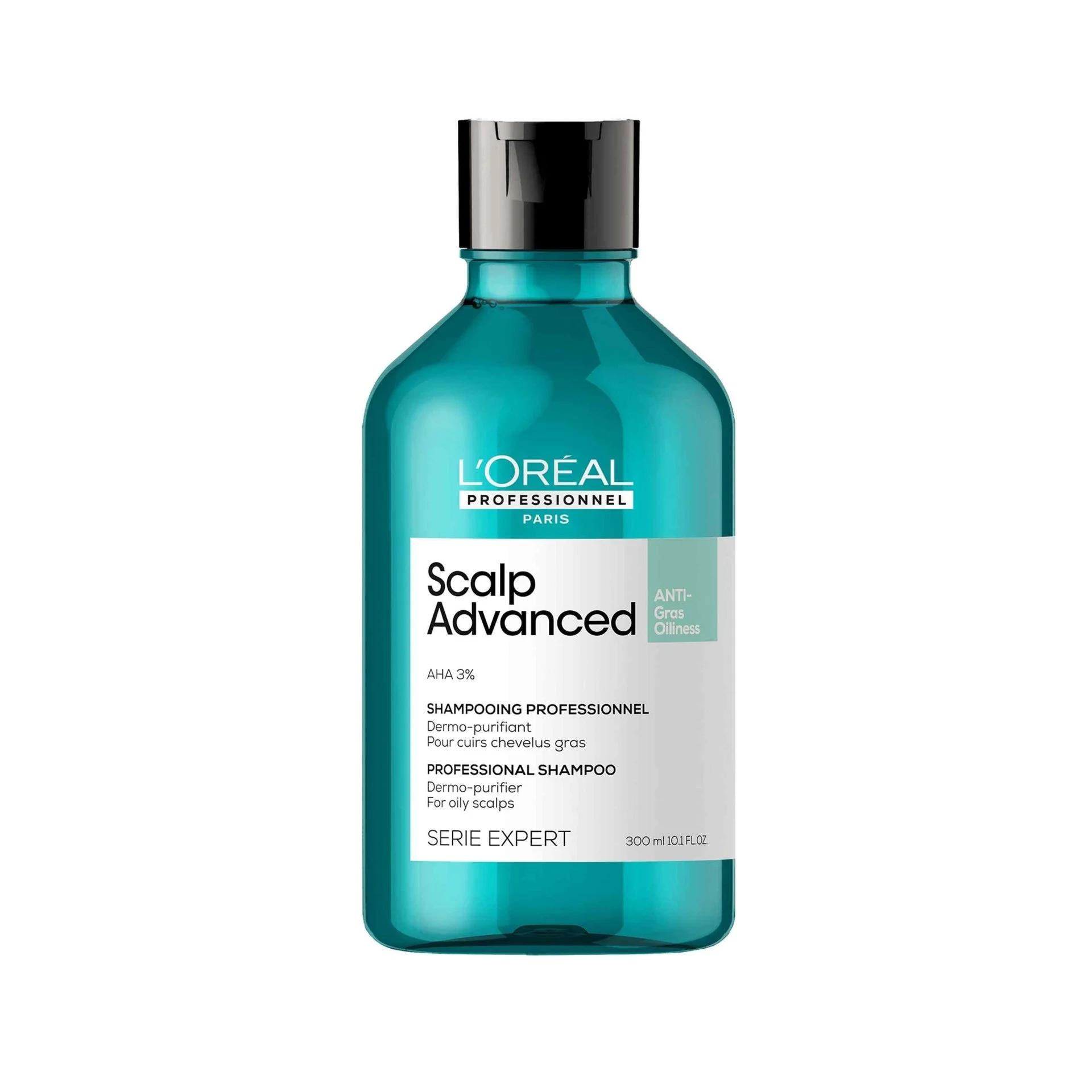
For oily scalps specifically, L'Oréal Professionnel Scalp Advanced Anti-Oiliness Dermo-Purifier Shampoo is worth keeping in your routine. Its 3% concentrated AHA formula goes beyond surface cleansing — it actively purifies the scalp and accelerates cell turnover to prevent the oil and residue buildup that India's humid climate makes almost inevitable. The lightweight gel texture means it cleanses thoroughly without feeling heavy or stripping, and in instrumental testing it reduced scalp sebum by 78% after just one use. If you find your scalp feeling greasy within a day or two of washing, this is the targeted solution rather than washing more frequently — which often worsens oiliness over time.
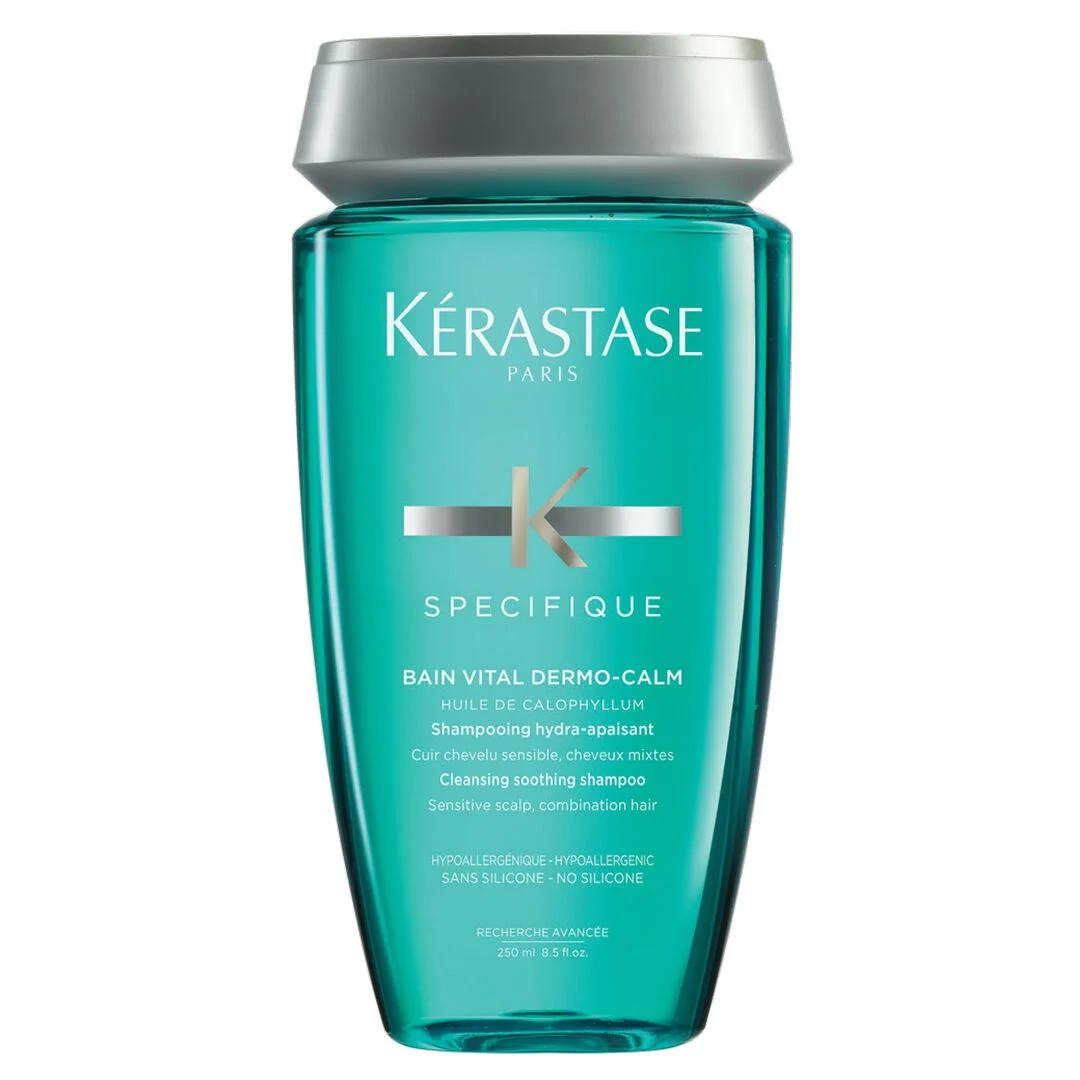
If your scalp falls somewhere between oily and sensitive, your shampoo needs to cleanse without making irritation worse. Kérastase Specifique Bain Vital Dermo-Calm Shampoo is a calming, hypoallergenic shampoo made for sensitive scalps and oily hair. It helps refresh the scalp, manage greasiness, and keep the cleansing step gentle, which is especially useful in humid Indian weather where sweat and buildup can trigger discomfort. At around ₹2,600 for 250ml, it sits in the premium scalp care category, but it’s a strong pick if your scalp needs oil control without that harsh, stripped feeling.
India's rich tradition of natural hair care India offers some incredible ingredients that are perfect for scalp health. Neem has powerful antifungal properties that help with dandruff and scalp infections. Fenugreek seeds, when soaked and ground into a paste, provide protein and moisture that strengthen hair follicles. Curry leaves aren't just for cooking—they're packed with nutrients that promote hair growth.
These traditional ingredients work because they address scalp issues at their root. Unlike harsh chemicals that might provide quick fixes but damage your scalp over time, natural ingredients work gently to restore balance. Plus, they're easily available and budget-friendly, making them perfect for regular use.
Try this nourishing oil treatment: mix coconut oil with a few drops of tea tree oil and massage into your scalp 30 minutes before washing. For dry scalps, blend aloe vera gel with honey for a hydrating mask. If you're dealing with excess oil, a paste of multani mitti (fuller's earth) with rose water can help absorb excess sebum without over-drying.
Sometimes, despite your best efforts with home care, your scalp needs professional attention. Persistent itching, unusual hair loss, or scalp conditions that don't improve with regular care are signs it's time to consult a dermatologist or trichologist. These scalp care tips from professionals can help you identify when home care isn't enough.
Professional treatments like scalp exfoliation, deep cleansing, or medicated treatments can address stubborn issues. However, the goal isn't to become dependent on salon visits—it's to reset your scalp health so your home routine can maintain it. Many hair growth tips India experts recommend combining professional treatments with consistent home care for the best results.
Watch out for persistent symptoms that don't improve after 2-3 weeks of consistent care. Severe itching, patches of hair loss, painful bumps, or unusual odours from your scalp are all signs that need professional evaluation. Don't ignore these symptoms—early intervention often leads to better outcomes.
Dandruff in India's climate is often triggered by a combination of humidity, sweat, and a yeast called Malassezia that naturally lives on your scalp. When conditions are right—warm and moist—this yeast can overgrow, leading to the flaking and itching we know as dandruff. Effective dandruff treatment focuses on controlling this yeast whilst keeping your scalp balanced.
Prevention is often easier than treatment. Keep your scalp clean but not over-washed, avoid heavy oils during humid weather, and make sure your hair dries completely after washing. Natural antifungal ingredients like neem, tea tree oil, or apple cider vinegar can help maintain the right scalp environment.
During monsoon season, your scalp faces extra challenges. The constant humidity can make it harder for your scalp to breathe, whilst getting caught in the rain can leave your hair damp for hours. Make sure to dry your hair thoroughly after getting wet, and consider using a clarifying shampoo once a week to remove any buildup that humid weather might cause.
Your ideal scalp care routine India should fit into your lifestyle whilst addressing your specific scalp needs. A basic routine includes daily gentle brushing to stimulate circulation, washing 2-3 times per week (adjust based on your scalp type), and weekly deep treatments. Monthly scalp exfoliation can help remove buildup and dead skin cells.
Seasonal adjustments are crucial in India's varied climate. During summer, you might need more frequent washing and lighter oils. Monsoon season calls for antifungal treatments and thorough drying. Winter might require more moisturising treatments to combat dryness from heaters and lower humidity.
This is where platforms like Smytten become incredibly valuable for your haircare journey. With access to trial-sized products from trusted brands, you can experiment with different scalp treatments and shampoos without committing to full-size purchases. Whether you're trying a new anti-dandruff formula or testing a nourishing scalp serum, Smytten's trial packs let you discover what works for your unique scalp needs before investing in the full-size version.
For oily scalps in humid conditions: Daily dry brushing, wash every other day with clarifying shampoo, weekly clay mask, light oil treatment once a week.
For dry scalps: Gentle daily brushing, wash 2-3 times per week with moisturising shampoo, bi-weekly oil treatments, monthly gentle exfoliation.
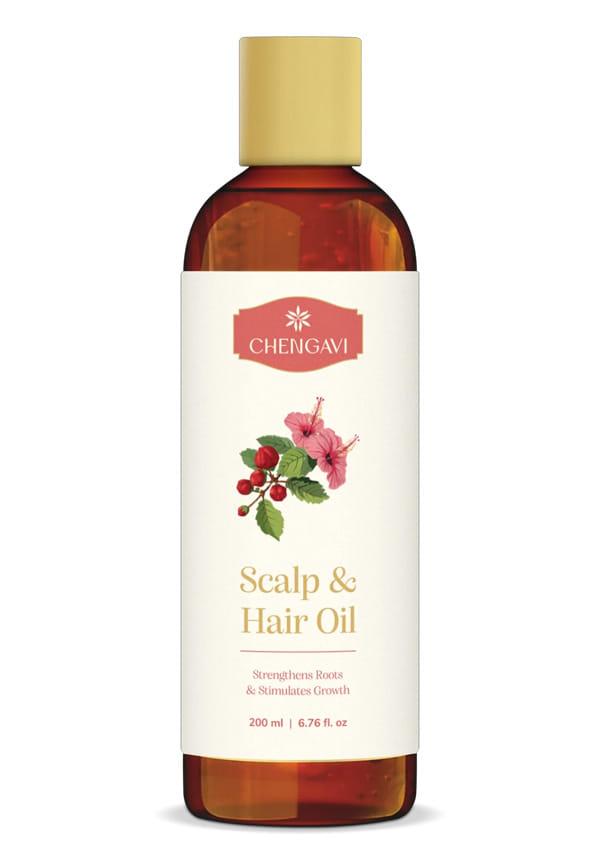
Chengavi Scalp And Hair Oil
Most people in Indian cities benefit from washing every 2-3 days, but this depends on your scalp type, lifestyle, and the season. Oily scalps might need daily washing during humid months, whilst dry scalps can go 3-4 days between washes.
Neem for antifungal properties, coconut oil for moisture, fenugreek for protein, curry leaves for growth, and aloe vera for soothing irritation. These ingredients are easily available and work well with Indian hair types.
Keep your scalp clean and dry, avoid heavy oils, use antifungal ingredients like tea tree oil, and make sure your hair dries completely after getting wet in the rain.
Oil massage can be beneficial for circulation and nourishment, but it's not mandatory. Choose lighter oils during humid weather and heavier ones during dry seasons. The key is finding what works for your scalp type.
A flexible routine that adjusts to seasonal changes works best. Focus on gentle cleansing, regular but not excessive washing, natural treatments, and protection from environmental stressors like pollution and humidity.
A healthy scalp feels comfortable without itching or irritation, has minimal flaking, produces the right amount of oil (not too greasy or too dry), and supports strong hair growth without excessive shedding.
Your scalp health journey is unique to you, and what works for others might need tweaking for your specific needs. The key is consistency, patience, and being willing to adjust your routine as your scalp's needs change with seasons and life circumstances. Remember, healthy hair starts with a healthy scalp, and investing time in proper scalp care will pay off in stronger, more beautiful hair.
With Smytten's extensive collection of haircare trial packs from over 1,500 trusted brands, you can explore different scalp treatments and find your perfect match without the guesswork. From gentle cleansing shampoos to nourishing scalp serums, trying before committing means you can build a scalp care routine that truly works for you. After all, why settle for maybe when you can try it all and find exactly what your scalp needs to thrive?
