7 DIY Hair Masks to Stop Hair Fall Naturally

7 DIY Hair Masks to Stop Hair Fall Naturally
Published Date - 13 December 2025
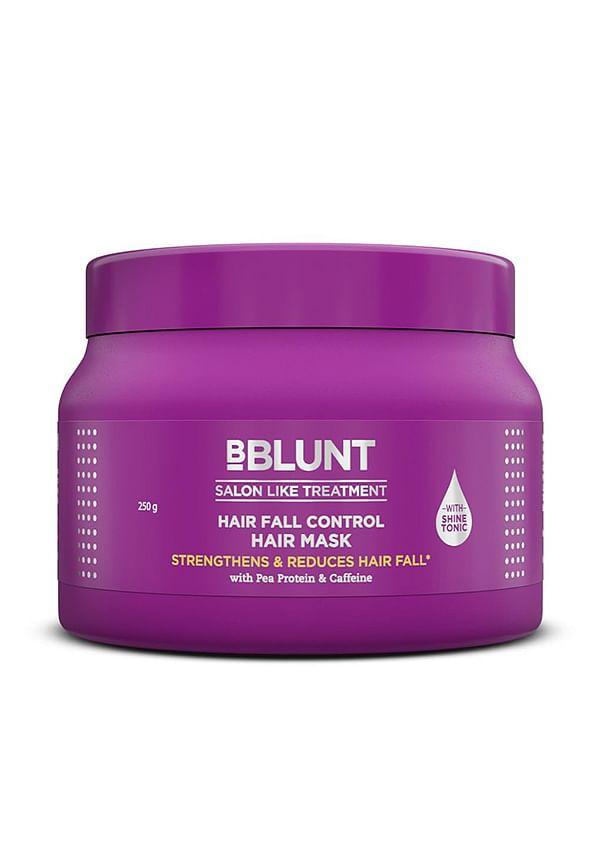
Hair Fall Control Hair Mask250 gm

BBLUNT

Hair Fall Control Hair Mask

49940 % OFF
299
Let's be real—watching your hair fall out in clumps is properly stressful. Whether it's genetics, stress, or just life being life, hair fall can knock your confidence. But here's the thing: your kitchen might just hold the secret to stronger, healthier hair. DIY hair masks for hair fall aren't just trendy—they're actually backed by science and centuries of traditional wisdom. These homemade hair masks use natural ingredients that work with your hair, not against it, giving you a budget-friendly way to tackle hair loss without harsh chemicals.

Why DIY Hair Masks Work Better Than Store-Bought Products for Hair Fall

Your hair deserves better than a cocktail of unpronounceable chemicals. Natural hair loss remedies work because they address the root causes of hair fall—literally. When you create your own masks, you're getting pure, active ingredients without fillers, sulfates, or synthetic fragrances that can irritate your scalp. The science is pretty straightforward. Most commercial products focus on quick fixes or cosmetic improvements, but homemade hair masks actually nourish your hair follicles and scalp. Ingredients like eggs provide keratin (the same protein your hair is made of), while oils like coconut and castor penetrate the hair shaft to strengthen it from within. Cost-wise, it's a no-brainer. A single salon treatment can cost what you'd spend on ingredients for months of DIY treatments. Plus, you can customise everything—oily scalp? Add some tea tree oil. Dry ends? Extra coconut oil it is. Your hair, your rules.

Understanding Hair Fall: When to Use Hair Strengthening Masks

First things first—losing 50-100 strands daily is completely normal. Your hair has a natural cycle, and some shedding is just part of the process. But if you're finding hair everywhere (your pillow, the shower drain, your laptop keyboard), it might be time for some intervention. Hair fall control becomes essential when you notice thinning patches, excessive shedding during washing, or hair that breaks easily when you run your fingers through it. Common culprits include stress, poor nutrition, hormonal changes, tight hairstyles, and over-processing with heat or chemicals. Hair strengthening masks work best as both prevention and treatment. They create a protective barrier around each strand while delivering nutrients directly to your scalp. Think of them as a weekly reset for your hair—giving it the TLC it needs to grow stronger and healthier. The key is consistency. Hair loss prevention
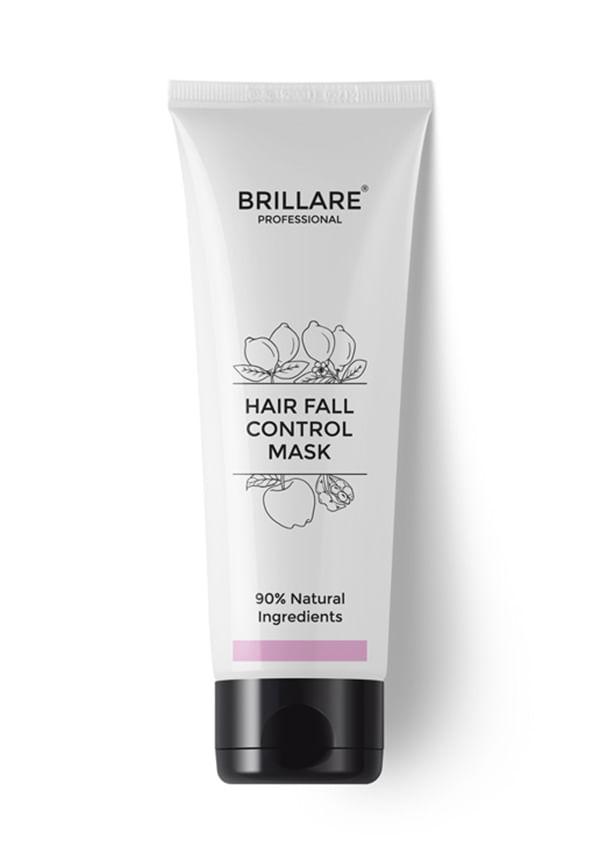
Hair Fall Control Mask To Reduce Seasonal Hair Fall125 ml

Brillare

Hair Fall Control Mask To Reduce Seasonal Hair Fall

445
isn't about one miracle treatment; it's about creating a routine that supports your hair's natural growth cycle.

7 Proven DIY Hair Masks for Hair Fall

Ready to give your hair the natural treatment it deserves? These hair growth masks use ingredients you probably already have at home, and each one targets different aspects of hair health.

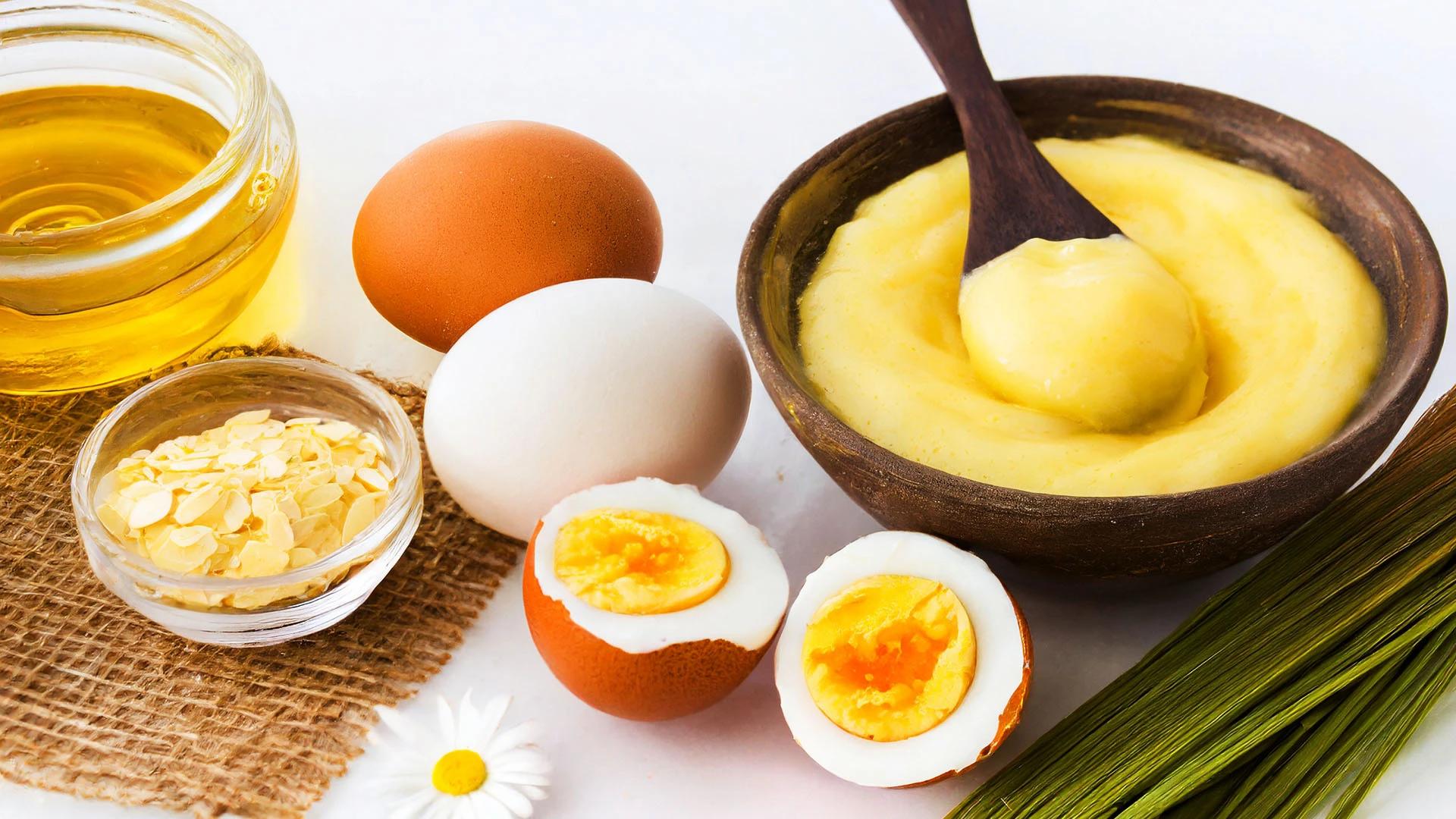
1. Egg & Olive Oil Protein Mask for Weak Hair

This classic combo is your go-to for strengthening weak, brittle hair. Mix one whole egg with 2 tablespoons of olive oil and 1 teaspoon of honey. The egg provides protein to rebuild damaged hair shafts, while olive oil adds moisture and shine. Apply from roots to tips, focusing on areas where you notice the most breakage. Leave it on for 20-30 minutes, then rinse with cool water (hot water will cook the egg—trust us, you don't want that mess).

2. Banana & Coconut Oil Nourishing Mask

Perfect for dry, damaged hair that needs serious hydration. Mash one ripe banana with 1 tablespoon each of coconut oil and honey. Bananas are packed with vitamins A, B, and C, plus natural oils that add thickness and shine. This mask is particularly brilliant for hair that's been over-styled or chemically treated. The natural sugars in banana help seal the hair cuticle, reducing frizz and breakage.

3. Aloe Vera & Castor Oil Scalp Healing Mask

If your scalp is irritated or inflamed, this cooling mask is your best friend. Combine 3 tablespoons of fresh aloe vera gel with 1 tablespoon of castor oil. Aloe soothes inflammation while castor oil stimulates blood circulation to hair follicles. Massage gently into your scalp and leave for 30 minutes. This mask is especially good for those dealing with dandruff or scalp sensitivity alongside hair fall.

4. Fenugreek & Coconut Milk Growth Mask

Soak 2 tablespoons of fenugreek seeds overnight, then blend with half a cup of coconut milk. Fenugreek contains protein and nicotinic acid, which improve blood circulation and stimulate hair growth. This traditional remedy has been used for centuries in Indian haircare. The seeds create a slightly gritty texture that gently exfoliates your scalp while the coconut milk provides deep conditioning.

5. Onion Juice & Yogurt Circulation Booster

Yes, it smells a bit, but the results are worth it. Mix 2 tablespoons of fresh onion juice with 3 tablespoons of plain yogurt. Onions are rich in sulfur, which helps rebuild hair follicles, while yogurt's probiotics support scalp health. To manage the smell, add a few drops of rosemary or lavender essential oil. Apply to your scalp, leave for 20 minutes, then shampoo thoroughly.

6. Amla & Lime Vitamin C Power Mask

Intense Repair Hair Mask200 gm

Aroma Blush

Intense Repair Hair Mask

499
Combine 2 tablespoons of amla powder with 1 tablespoon each of lime juice and coconut oil. This vitamin C powerhouse protects against free radical damage and supports collagen production in hair follicles. Amla is particularly effective for preventing premature greying while strengthening hair from the roots. The lime adds shine and helps balance scalp pH.

7. Green Tea & Honey Antioxidant Mask

Brew strong green tea, let it cool, then mix half a cup with 2 tablespoons of honey and 1 tablespoon of olive oil. Green tea contains compounds that may block DHT (a hormone linked to hair loss), while honey provides moisture and antimicrobial benefits. Use a spray bottle for even distribution, then massage into your scalp. This lighter mask is perfect for oily hair types.

Professional Application Techniques for Maximum Results

How you apply your DIY hair treatments matters just as much as what's in them. Start with clean, damp hair—this helps the ingredients penetrate better than completely dry or soaking wet hair. Section your hair into four parts and apply the mask systematically. Don't just slap it on randomly; work it through each section, paying special attention to your scalp and the areas where you notice the most hair fall. Massage is crucial for scalp health. Spend 2-3 minutes gently massaging the mask into your scalp using circular motions. This stimulates blood flow and helps the nutrients absorb better. For deeper penetration, wrap your hair in a warm, damp towel or use a shower cap. The gentle heat opens up your hair cuticles, allowing the mask to work more effectively. When it's time to rinse, use cool water first to remove the bulk of the mask, then follow with a gentle shampoo if needed. Hot water can strip away the beneficial oils you've just applied.

Boosting Your DIY Hair Mask Results

Want to take your natural hair loss remedies to the next level? Essential oils are your secret weapon. Add 2-3 drops of rosemary oil to stimulate growth, peppermint for circulation, or tea tree for scalp health. Patch test everything first, especially if you have sensitive skin. Apply a small amount of your mask mixture to your inner wrist and wait 24 hours to check for reactions. Seasonal adjustments matter too. In humid weather, you might need lighter oils, while winter calls for more intensive moisture. Listen to your hair—it'll tell you what it needs. Consistency is everything with hair strengthening masks. You'll typically see initial results after 3-4 weeks of regular use, with significant improvements after 2-3 months. Don't expect overnight miracles, but do expect gradual, lasting change. While exploring natural remedies for hair fall, you might also want to try professional haircare products. Smytten offers curated trial packs from trusted brands, letting you discover what works for your hair without committing to full-size purchases. With options from brands like Dot & Key and Love, Beauty & Planet, you can complement your DIY routine with proven formulations.

Common Mistakes to Avoid with Homemade Hair Masks

The biggest mistake? Overdoing it. Using hair masks for hair loss
Terabond Mask125 ml

Brillare

Terabond Mask

59530 % OFF
417
daily can actually cause protein overload, making your hair stiff and brittle. Stick to 1-2 times per week maximum. Ingredient ratios matter. More isn't always better—too much protein can make hair hard, while too much oil can weigh it down. Follow the recipes as written, then adjust based on your hair's response. Never skip the strand test, especially with ingredients like lemon juice or essential oils. What works for your friend might not work for you, and that's perfectly normal. Rinsing with hot water is another common error. It strips away the beneficial oils and can actually damage your hair cuticles. Stick to lukewarm or cool water. Finally, don't expect instant results. Hair growth is slow, and strengthening damaged hair takes time. Be patient and consistent—your hair will thank you.

Frequently Asked Questions

Which homemade hair mask is best for hair fall?

The egg and olive oil mask is most effective for general hair fall due to its protein content that strengthens hair shafts. For severe hair loss, try the fenugreek and coconut milk mask for its growth-stimulating properties.

How often should I use hair masks for hair loss?

Apply DIY hair masks 1-2 times weekly for optimal results. Daily use can lead to protein buildup and make your hair feel heavy or stiff.

Can I stop hair fall in 2 days with these masks?

While you might notice reduced shedding after a few applications, significant hair fall reduction typically takes 4-6 weeks of consistent use combined with proper hair care tips.

Are these masks safe for coloured hair?

Most natural ingredients are safe, but avoid acidic ingredients like lemon juice on recently coloured hair. Always do a strand test first to check for any colour changes.

What's the difference between hair growth masks and hair fall control masks?

Hair fall control masks focus on strengthening existing hair to prevent breakage, while growth masks stimulate scalp circulation and follicle health for new hair production.

Final Thoughts

Your hair fall journey doesn't have to be expensive or complicated. These DIY hair masks for hair fall prove that sometimes the best solutions are the simplest ones. From protein-rich egg masks to circulation-boosting onion treatments, you've got a whole arsenal of natural hair loss remedies at your fingertips. Remember, consistency beats intensity every time. Pick 2-3 masks that appeal to you and rotate them weekly. Pay attention to how your hair responds and adjust accordingly. Some people see results in weeks, others in months—your hair's timeline is uniquely yours. While DIY treatments are fantastic, don't forget that hair health starts from within. Good nutrition, stress management, and gentle handling all play crucial roles in preventing hair fall. These masks are just one piece of the puzzle, but they're a pretty powerful piece. With Smytten's extensive range of haircare trial packs, you can also explore professional treatments alongside your DIY routine. Sometimes the perfect solution is a combination of natural remedies and scientifically formulated products—and with trial sizes, you can discover what works without the commitment.
Sangria Experience Logo
Document