7 Best Shampoos for Every Hair Type Revealed

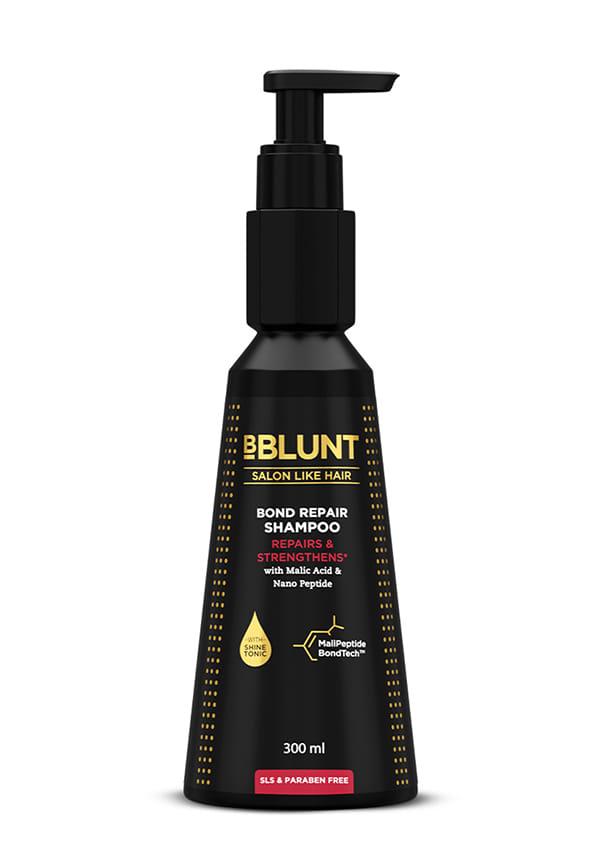
Bond Repair Shampoo
Liked the product
 5
5“i liked the product a lot and good”
Makes Hair Soft and Shiny
5“very great product and makes hair look soft and shiny”
Let's be real—finding which shampoo is best for hair feels like solving a puzzle with missing pieces. You've probably stood in the haircare aisle, overwhelmed by endless options, wondering why your hair still looks dull despite trying every best shampoo brand out there. Here's the thing: most people are using the wrong shampoo for their hair type, which explains why that expensive bottle didn't deliver the promised results. Your hair type determines everything—from how often you should wash to which ingredients will actually work. This guide breaks down the 7 top rated shampoos that actually match different hair needs, plus the science behind why your current routine might be failing you.
Your hair's structure tells you everything about shampoo for hair type selection. Hair porosity, texture, and scalp condition create a unique fingerprint that determines which formulations will work and which will leave you frustrated.
High porosity hair absorbs moisture quickly but loses it just as fast. These strands need protein-rich formulas to fill gaps in the hair cuticle. Low porosity hair repels moisture, requiring lightweight, clarifying shampoos that won't build up on the surface.
Your scalp produces sebum at different rates based on genetics, hormones, and environment. Oily scalps need stronger cleansing agents, while sensitive scalps benefit from sulfate free shampoo options that clean without stripping natural oils.
Sulfates create that satisfying lather but can be harsh on colour-treated or damaged hair. Silicones provide smoothness but may cause buildup over time. Parabens preserve the formula but some prefer natural shampoo alternatives for peace of mind.
After analysing hundreds of hair shampoo reviews and testing various formulations, these seven categories cover every hair need you might have.
A gentle, balanced formula works for most hair types without causing buildup or over-drying. Look for shampoos with mild surfactants like sodium cocoyl isethionate paired with moisturising ingredients like glycerin. These formulas clean effectively whilst maintaining your hair's natural moisture balance.
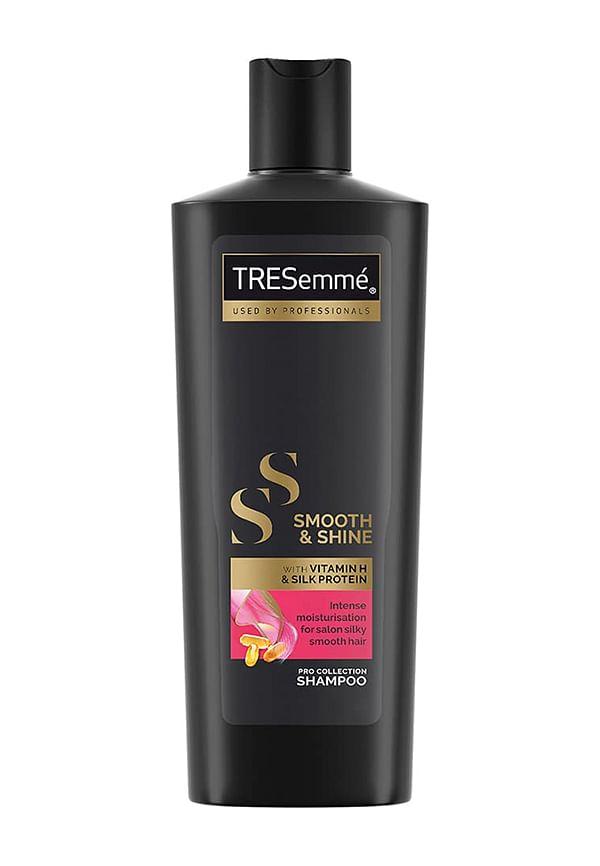
Smooth & Shine Shampoo
Greasy roots need clarifying ingredients that cut through excess sebum without triggering more oil production. Tea tree oil, salicylic acid, and zinc pyrithione help regulate oil whilst providing antimicrobial benefits. The shampoo for oily hair should leave your scalp feeling clean but not tight or stripped.
Moisture-depleted strands crave hydrating ingredients like hyaluronic acid, ceramides, and natural oils. The shampoo for dry hair should contain fewer harsh detergents and more conditioning agents. Look for creamy textures that don't foam excessively—less lather often means gentler cleansing.
Chemically processed or heat-damaged hair needs protein and moisture in perfect balance. Keratin, amino acids, and bond-building ingredients help repair structural damage. The shampoo for damaged hair should focus on strengthening whilst gently cleansing without further weakening compromised strands.
Gentle cleansing agents like coco-glucoside and decyl glucoside provide effective cleaning without harsh stripping. Sulfate free shampoo options work brilliantly for colour-treated hair, sensitive scalps, and anyone wanting a gentler approach to haircare. These formulas may take time to adjust to if you're used to high-lather shampoos.
Plant-based formulations use botanical extracts, essential oils, and naturally derived cleansing agents. Natural shampoo options often feature ingredients like aloe vera, chamomile, and coconut-derived surfactants. These work particularly well for those with sensitivities to synthetic ingredients.
Product buildup, hard water minerals, and environmental pollutants need occasional deep cleansing. Clarifying shampoos use stronger surfactants and chelating agents to reset your hair. Use these weekly or bi-weekly, not daily, as they can be drying with frequent use.
Selecting the right shampoo involves understanding your hair's current condition and long-term goals. Start by identifying whether your primary concern is oiliness, dryness, damage, or sensitivity.
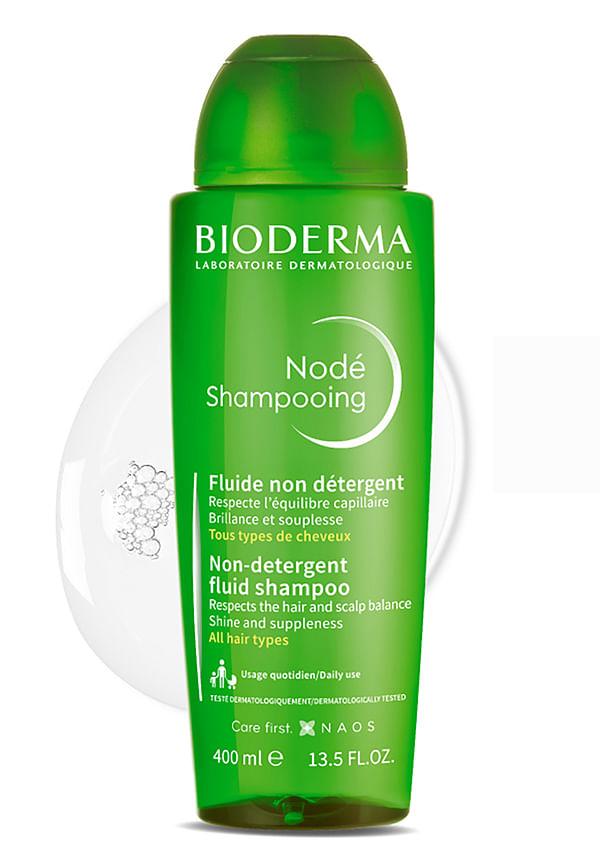
Node Non-Detergent Shampoo
Great Product
4“the product is really good I recommend”
Price Concern
4“this product is very expensive”
Product Recommendation
5“best product highly recommend for use”
Look at your hair when it's clean and unstyled. Does it feel greasy by day two? Does it tangle easily or break when wet? These clues help determine which best shampoo brands and formulations will address your specific needs.
Frequent heat styling, chemical treatments, and heavy products all impact which shampoo will work best. If you use lots of styling products, you might need a clarifying formula more often than someone with a minimal routine.
Hard water, humidity, and pollution affect how your hair responds to different products. You might need different shampoos for different seasons or when travelling to areas with different water quality.
Getting the most from your shampoo involves proper application technique and realistic expectations about results.
Focus shampoo on your scalp, not the lengths of your hair. The cleansing agents will clean the rest as you rinse. Use lukewarm water to avoid stripping natural oils or causing frizz.
Oily hair might need daily washing, whilst dry or damaged hair benefits from less frequent cleansing. Listen to your hair—if it feels heavy or looks dull, it might need more frequent washing. If it feels dry or brittle, try spacing washes further apart.
When switching shampoos, give your hair time to adjust. It can take several washes for your scalp to adapt to new formulations, especially when moving from sulfate to sulfate-free options.
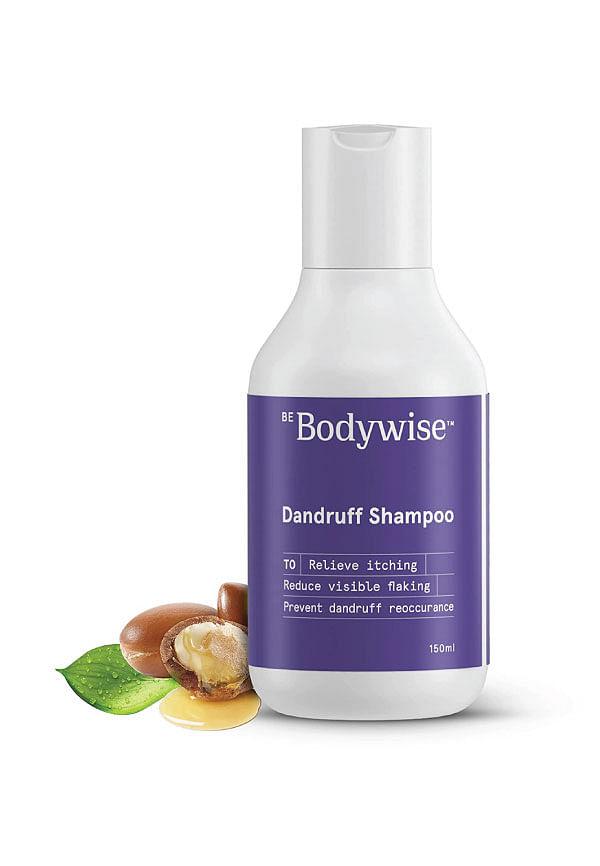
1% Ketoconazole Dandruff Shampoo
Finding your perfect shampoo often involves trying multiple products before discovering what works. This is where platforms like Smytten become invaluable for haircare enthusiasts. As India's largest product discovery and trial platform, Smytten connects you with top rated shampoos from over 1,500 trusted brands including Love, Beauty & Planet and Bella Vita. Instead of committing to full-size bottles that might not work, you can explore curated trial packs that let you test different formulations risk-free. With up to 8 minis for just ₹249 and 100% cashback redeemable for future orders, discovering which shampoo works for your hair type becomes both affordable and exciting.
Shampoos with caffeine, biotin, and niacinamide can support scalp health and circulation. However, shampoo alone won't dramatically increase hair growth—focus on overall scalp health and gentle cleansing to create optimal growing conditions.
This depends entirely on your hair type and lifestyle. Oily hair might need daily washing, whilst dry or chemically treated hair often benefits from washing 2-3 times per week. Pay attention to how your hair feels and looks rather than following arbitrary rules.
Absolutely. Using overly harsh formulas on dry hair can cause breakage, whilst gentle shampoos might not adequately cleanse oily scalps, leading to buildup and potential scalp issues. Matching your shampoo to your hair type prevents these problems.
Salon shampoos often contain higher concentrations of active ingredients and fewer harsh sulfates. However, many drugstore options now offer excellent formulations. Focus on ingredients rather than price point when making your choice.
Truly natural shampoos use plant-based surfactants like saponins from soapwort or yucca. However, most commercial "natural" shampoos contain some processed ingredients for stability and effectiveness. Look for certifications from recognised organic bodies if this matters to you.
Many people benefit from seasonal adjustments. Winter might call for more moisturising formulas, whilst summer could require oil-controlling or clarifying options. Your hair's needs can change with humidity, temperature, and activity levels.
Finding which shampoo is best for hair isn't about following trends or buying the most expensive option—it's about understanding your unique hair needs and matching them with appropriate formulations. The seven categories covered here address the most common hair concerns, but remember that your perfect shampoo might combine elements from multiple categories or change as your hair evolves. The key lies in experimentation and patience. Your hair will tell you what works through its texture, shine, and manageability. Don't be afraid to try different approaches, especially when platforms like Smytten make it easy to test products before committing to full sizes. With over 25 million users discovering their perfect matches through trial minis, the platform proves that smart product discovery leads to better haircare choices. After all, why settle for 'maybe' when you can find exactly what works for your hair type?
