7 Best Natural Hair Care Tips for Gorgeous Hair


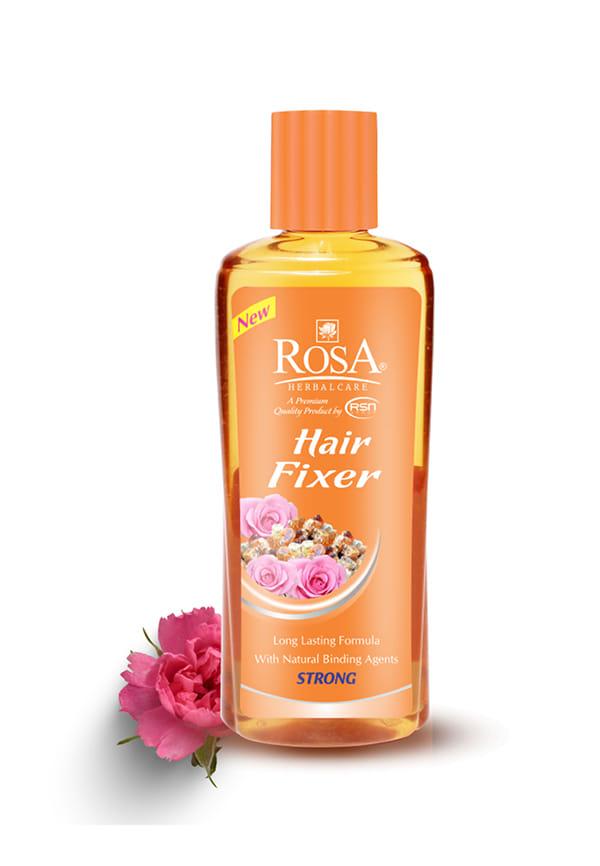
Hair Fixer strong with long lasting I For All skin I Natural & Herbal ingredients I For soft and smooth skin
Let's be real—gorgeous hair doesn't always come from expensive salon treatments or complicated routines. Sometimes the best natural hair care tips are hiding right in your kitchen or require simple tweaks to your daily habits. Whether you're dealing with dryness, breakage, or just want healthier locks, natural hair care can transform your mane without harsh chemicals. From understanding your unique hair type to mastering DIY treatments, these seven proven tips will help you achieve the gorgeous hair you've been dreaming of. Ready to discover what actually works?
Before diving into any natural hair care routine, you need to know what you're working with. Your hair type isn't just about whether it's straight or curly—it's about understanding its unique needs and responding accordingly.
Hair comes in four main types: straight (Type 1), wavy (Type 2), curly (Type 3), and coily (Type 4). But here's what most people miss—porosity matters just as much. High porosity hair absorbs moisture quickly but loses it fast, while low porosity hair struggles to let moisture in but holds onto it longer. Try the water test: drop a clean strand in water. If it sinks quickly, you've got high porosity. If it floats, it's low porosity.
Your scalp type affects everything from how often you should wash to which natural ingredients work best. Oily scalps benefit from clay-based treatments, while dry scalps need gentle, moisturising approaches. Pay attention to how your scalp feels throughout the week—this insight shapes your entire hair care routine.
Traditional shampoos can strip your hair of natural oils, leaving it dry and prone to damage. The key to healthy hair tips starts with rethinking how you cleanse.
Co-washing (conditioner-only washing) works brilliantly for curly and coily hair types. For those who need more cleansing power, try bentonite clay mixed with apple cider vinegar—it removes buildup without harsh sulfates. Herbal rinses using rosemary or nettle can cleanse whilst promoting scalp health.
How often you wash depends on your hair type and lifestyle. Fine, straight hair might need washing every other day, while thick, curly hair thrives with once or twice weekly washes. Listen to your hair—if it feels heavy or your scalp itches, it's time for a cleanse. If it feels dry or brittle, extend the time between washes.
Your kitchen holds some of the most effective natural hair products you'll ever use. These ingredients provide deep nourishment without synthetic additives.
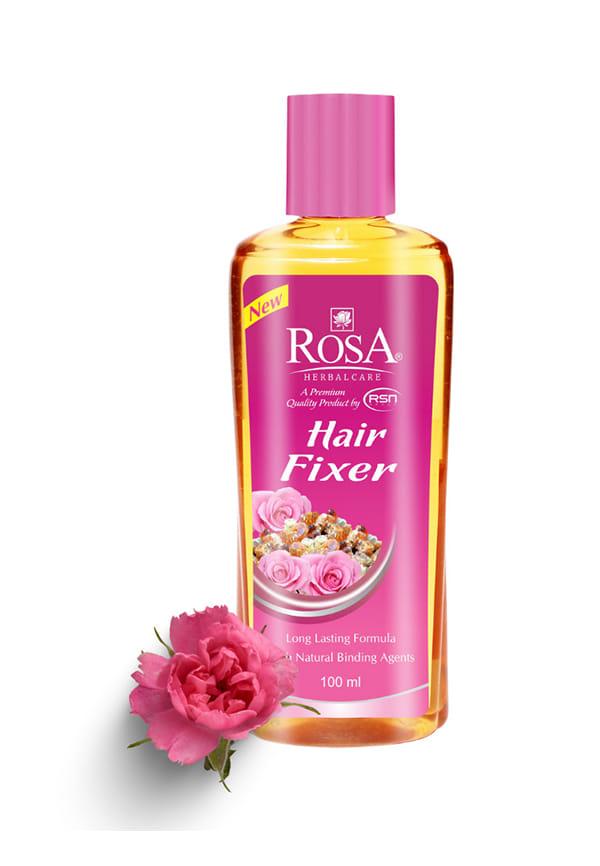
Hair Fixer with long lasting I For All skin I Natural & Herbal ingredients I For soft and smooth skin
Useful for Frizzy Hair
 4
4“useful gel for frizzy hair. thank you smytten”
Avocado provides healthy fats and vitamins that penetrate the hair shaft. Honey acts as a humectant, drawing moisture from the air into your hair. Coconut oil works best for low porosity hair, while lighter oils like argan suit high porosity hair. Eggs offer protein for strengthening, and banana smooths the hair cuticle for added shine.
Mix your chosen ingredients into a smooth paste and apply from mid-length to ends, avoiding the scalp. Cover with a shower cap and leave for 20-30 minutes. For extra penetration, apply gentle heat with a warm towel. This weekly ritual becomes the cornerstone of effective hair growth tips.
Heat styling might give instant results, but it's one of the fastest ways to damage your hair. Embracing heat-free methods is essential for long-term hair health.
Loose braids, silk scrunchies, and gentle updos protect your hair from environmental damage and friction. For curly hair care, try the pineapple method—loosely gathering curls at the very top of your head before bed. This preserves your curl pattern whilst you sleep.
Swap your cotton pillowcase for silk or satin—it reduces friction and prevents moisture loss. Alternatively, wrap your hair in a silk scarf or use a satin bonnet. These simple changes can dramatically reduce morning tangles and breakage.
Healthy hair starts at the roots. Your scalp is the foundation for everything that follows, making scalp care crucial for achieving gorgeous hair naturally.
Spend five minutes daily massaging your scalp with your fingertips (not nails). This increases blood flow to hair follicles, potentially supporting growth. Add a few drops of rosemary or peppermint essential oil to your fingertips for extra stimulation—both oils have research backing their hair growth benefits.
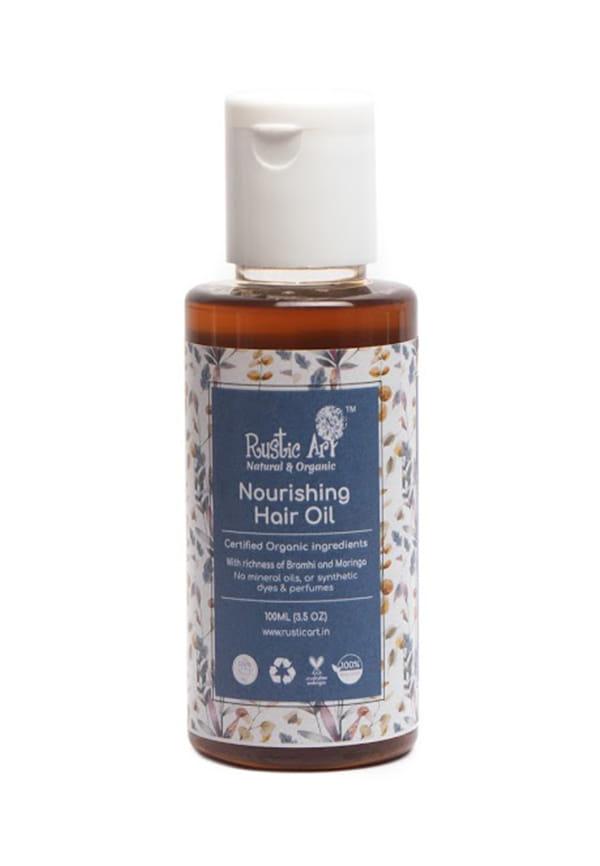
Organic Nourishing Hair Oil
For dandruff, try a tea tree oil and coconut oil mixture. For dryness, aloe vera gel provides soothing moisture. If you're dealing with excess oil, a clay mask once weekly can help balance sebum production. These organic hair care solutions address issues without harsh chemicals.
What you put in your body matters just as much as what you put on your hair. True hair health comes from within.
Protein builds hair structure, so include eggs, fish, and legumes in your diet. Iron deficiency can cause hair loss—leafy greens and lean meats help maintain healthy levels. Biotin, found in nuts and seeds, supports hair strength. Omega-3 fatty acids from fish or flax seeds add shine and reduce inflammation.
Dehydration shows up in your hair as dryness and brittleness. Aim for eight glasses of water daily, and notice how your hair responds. Chronic stress can disrupt hair growth cycles, so find stress management techniques that work for you—whether that's meditation, exercise, or simply getting enough sleep.
Consistency trumps perfection when it comes to natural hair routine success. Building sustainable habits ensures long-term results.
Start with once-weekly deep conditioning, bi-weekly scalp treatments, and daily protective styling. Adjust based on your hair's response—if it feels over-moisturised, reduce conditioning frequency. If it's still dry, increase it. Your routine should evolve with your hair's changing needs.
Healthy hair needs both protein and moisture in the right balance. Signs you need more protein include excessive stretching when wet, limpness, or lack of curl definition. Signs you need more moisture include brittleness, tangles, or dullness. Alternate between protein treatments (egg masks) and moisture treatments (honey and oil masks) based on what your hair tells you. When exploring natural hair products to complement your DIY routine, platforms like Smytten make it easy to try different brands without committing to full sizes. With trial packs from trusted haircare brands, you can discover what works for your unique hair type whilst building your natural hair care arsenal.
Your hair's needs change with the seasons, and adapting your routine accordingly prevents damage and maintains health year-round.
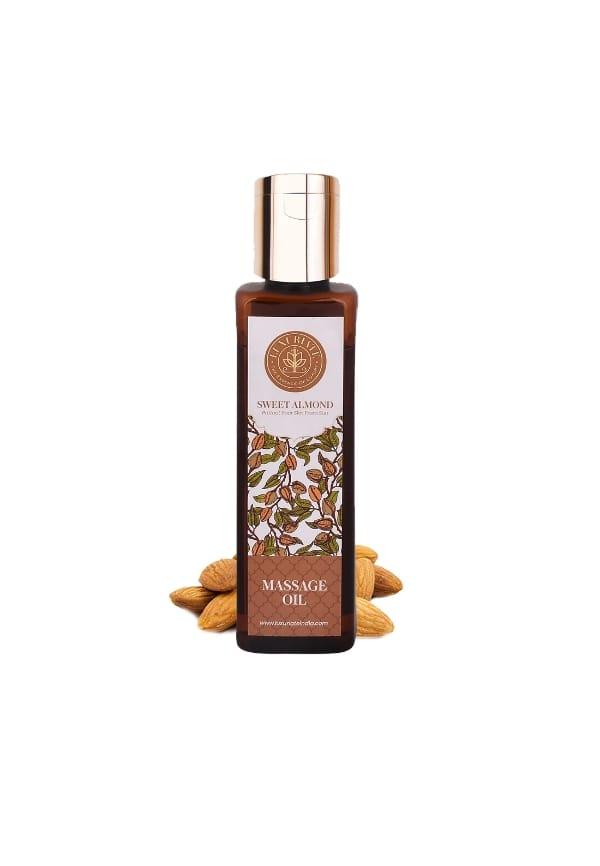
Sweet Almond Natural and Herbal Massage Oil for Hair and Skin
Cold air and indoor heating can leave hair dry and static-prone. Increase deep conditioning frequency and add a humidifier to your bedroom. Switch to heavier oils like coconut or shea butter for extra protection against harsh weather.
Sun exposure can fade colour and dry out hair. Create natural UV protection with coconut oil, which has a natural SPF of about 4-7. Chlorine from swimming pools strips natural oils, so wet your hair with clean water before swimming and apply a protective oil coating.
Most people notice improved texture and manageability within 2-4 weeks of consistent natural hair care. Significant changes in hair health, growth, and overall appearance typically become visible after 8-12 weeks. Remember, hair grows slowly, so patience is key.
While genetics largely determine hair growth rate, natural hair care can optimise the conditions for healthy growth. Scalp massage, proper nutrition, and gentle handling reduce breakage, allowing you to retain more length over time.
Clay washes, co-washing with natural conditioners, and herbal rinses are excellent alternatives. Baking soda can work occasionally but may be too alkaline for regular use. Apple cider vinegar diluted with water makes an effective clarifying rinse.
Try the stretch test on wet hair. If it stretches significantly without breaking, you need protein. If it breaks easily without stretching, you need moisture. Healthy hair should stretch slightly and return to its original length.
Yes, there's often a transition period of 2-6 weeks as your hair adjusts to gentler cleansing and natural ingredients. Your scalp may produce more oil initially as it rebalances, and your hair might feel different until it adapts.
The journey to gorgeous hair through natural methods isn't about perfection—it's about understanding what your hair needs and responding with gentle, nourishing care. These seven best natural hair care tips provide a foundation, but remember that every head of hair is unique. What works brilliantly for your friend might need tweaking for you, and that's perfectly normal. Start with one or two tips that resonate most with your current hair concerns. Maybe it's switching to gentler cleansing methods or incorporating weekly scalp massages. As these become habits, gradually add other elements to build your complete natural hair routine. The beauty of natural hair care lies in its simplicity and accessibility. You don't need expensive products or complicated routines—just consistent care with ingredients that nourish rather than strip. Whether you're trying DIY treatments or exploring natural hair products through trial sizes, the key is finding what makes your hair feel healthy, strong, and gorgeous. With over 25 million users discovering their perfect hair care matches through trial-sized products, platforms like Smytten prove that you don't have to settle for 'maybe' when it comes to your hair. After all, why settle when you can try it all and find exactly what makes your hair thrive?
