7 Best Hard-Water Scalp Treatments for Healthy Hair


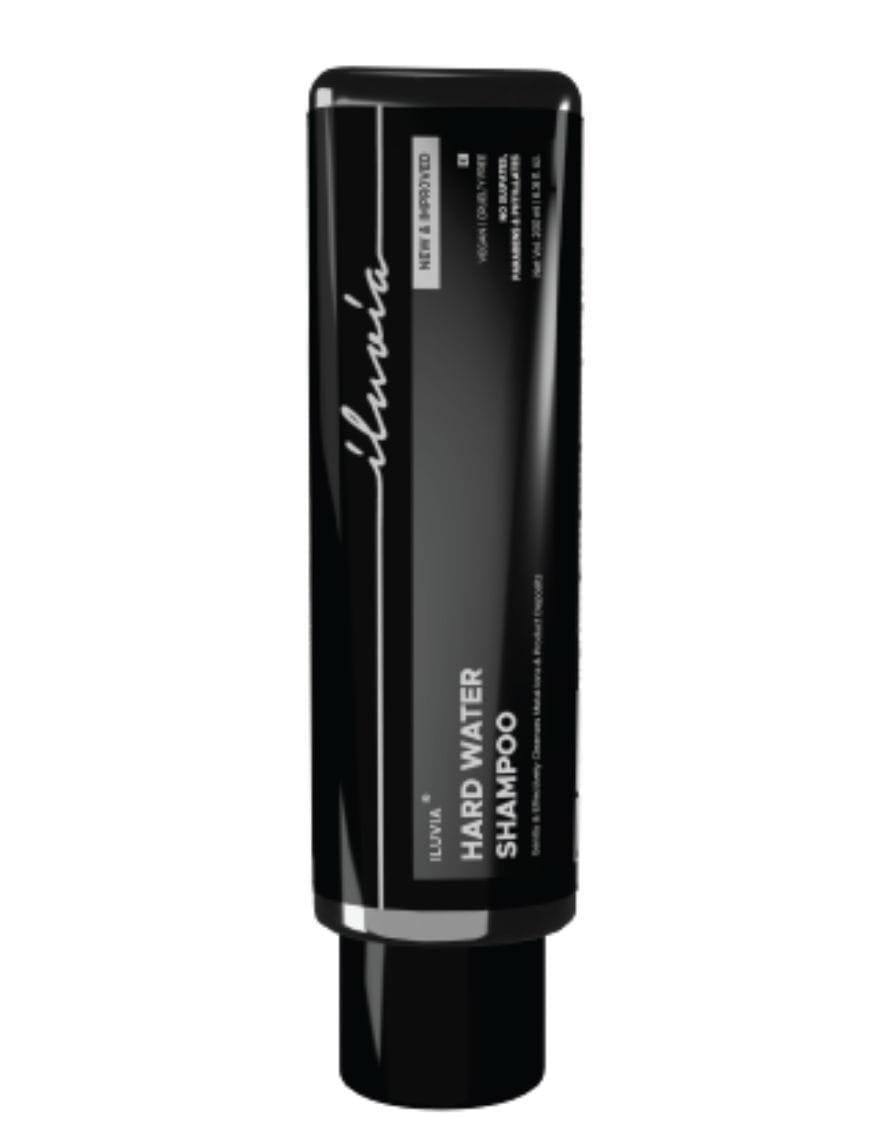
Professional Hard Water Shampoo
Positive Shampoo Review
 5
5“It is good shampoo and like it”
If your scalp feels like it's constantly fighting an invisible enemy, hard water might be the culprit. Those pesky minerals in your tap water don't just leave spots on your dishes—they're quietly wreaking havoc on your hair and scalp too. From that stubborn itchy feeling to hair that looks dull no matter what you try, hard water damage is more common than you'd think. But here's the good news: the right hard-water scalp treatments can turn things around completely. Let's dive into seven game-changing solutions that'll help you reclaim your scalp health and get your hair back to looking its best.
Let's be real—hard water hair problems are sneaky. Unlike other hair issues that show up overnight, hard water damage builds up slowly, making it tricky to spot until things get pretty uncomfortable. Hard water contains high levels of calcium and magnesium that stick to your hair shaft and scalp like unwanted guests who refuse to leave.
When these minerals accumulate, they create a film that blocks moisture from reaching your hair and scalp. Your regular shampoo starts feeling less effective because it's fighting through this mineral barrier. The result? Hair that feels rough, looks lacklustre, and a scalp that might feel tight, itchy, or flaky. Many people mistake these symptoms for product sensitivity or seasonal dryness, but the real issue lies in their water supply.
The tricky part about mineral buildup hair issues is that they mimic other common hair problems. You might notice your hair colour fading faster, your styling products not working as well, or that freshly-washed feeling disappearing within hours. Your scalp might also start producing more oil to compensate for the dryness, creating a confusing cycle where your hair feels both greasy and dry at the same time.
Spotting scalp buildup removal needs isn't always obvious, but there are some telltale signs worth watching for. Your scalp might feel different to the touch—perhaps rougher or with small, gritty patches that don't wash away with regular shampooing.
Here are the key indicators that you're dealing with mineral buildup hair issues:
White or chalky residue that appears on your scalp or hair, especially after washing
Persistent itchiness that doesn't respond to regular anti-dandruff treatments
Hair that feels coated even after thorough washing
Reduced lather from your usual shampoo
Scalp tightness or a feeling like something is sitting on your head
Faster oil production as your scalp overcompensates for blocked moisture
The difference between product buildup and hard water buildup is subtle but important. Product buildup tends to feel waxy or sticky, while mineral deposits feel more gritty or chalky. Hard water buildup also tends to be more evenly distributed across your scalp, whereas product buildup might concentrate in areas where you apply styling products.
Ready to tackle those mineral deposits head-on? These seven hard-water scalp treatments range from gentle daily options to intensive weekly treatments. The key is finding what works best for your specific situation and hair type.
Chelating shampoo is your heavy-duty weapon against mineral buildup. These specialised formulas contain ingredients like EDTA or citric acid that literally grab onto mineral deposits and pull them away from your hair and scalp. Think of them as tiny molecular magnets designed specifically for calcium and magnesium removal.
Use chelating shampoos once or twice a week maximum—they're powerful and can be drying if overused. Look for formulas that also include moisturising ingredients to prevent your hair from feeling stripped.
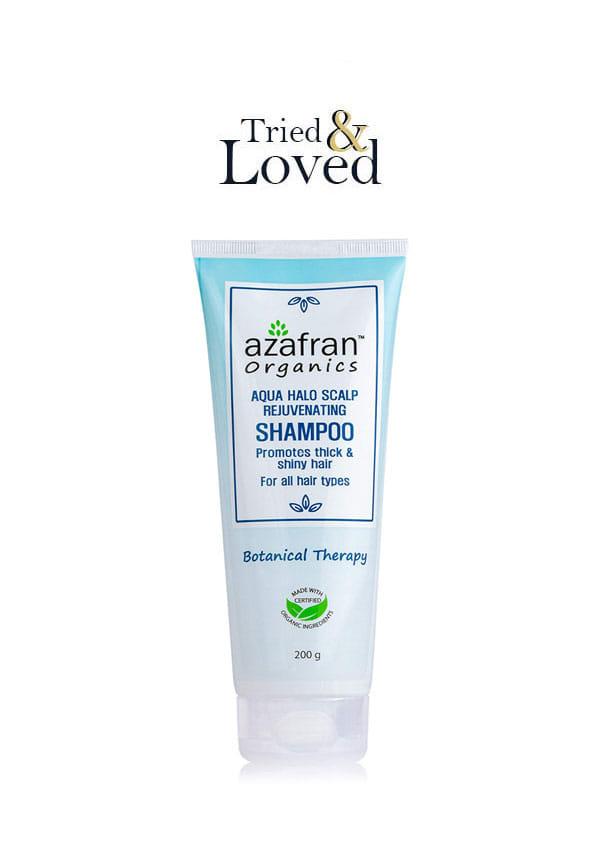
Aqua Halo Scalp Rejuvenating Shampoo
Hair detox treatments work like a reset button for your scalp. These intensive treatments typically combine multiple cleansing agents to remove not just mineral buildup but also product residue and environmental pollutants that can worsen hard water effects.
Professional salon detox treatments offer the deepest cleanse, but you can also find effective at-home options. The key is to follow up with a good moisturising treatment since detox formulas can be quite strong.
Weekly hair clarifying treatments provide a gentler approach to mineral removal. These treatments work gradually to dissolve buildup without the intensity of chelating shampoos. They're perfect for maintaining scalp health once you've addressed the initial buildup.
Many clarifying treatments also include scalp-soothing ingredients like tea tree oil or peppermint, which can help address the itchiness that often comes with hard water exposure.
This kitchen staple is surprisingly effective at breaking down mineral deposits. The acetic acid in apple cider vinegar helps dissolve calcium and magnesium buildup while restoring your scalp's natural pH balance. Mix one part vinegar with three parts water for a gentle yet effective treatment.
Apply the mixture after shampooing, let it sit for 2-3 minutes, then rinse thoroughly. The smell disappears once your hair dries, leaving behind softer, more manageable hair.
Bentonite clay acts like a magnet for minerals and toxins, making it excellent for drawing out hard water buildup from your scalp. Mix the clay with water or apple cider vinegar to create a paste, apply to damp hair and scalp, then rinse after 10-15 minutes.
This treatment is particularly good for people with oily scalps, as the clay also helps absorb excess sebum while removing mineral deposits.
The citric acid in lemon juice naturally chelates minerals, while baking soda provides gentle abrasive action to help lift buildup. Mix equal parts lemon juice and water, or create a paste with baking soda and water for more intensive cleaning.
Be cautious with this treatment if you have colour-treated hair, as lemon juice can cause fading. Always do a patch test first and limit use to once a week.
When home treatments aren't cutting it, professional salon treatments offer the most thorough approach to mineral removal. Stylists have access to stronger formulations and can customise treatments based on your specific hair type and level of buildup.
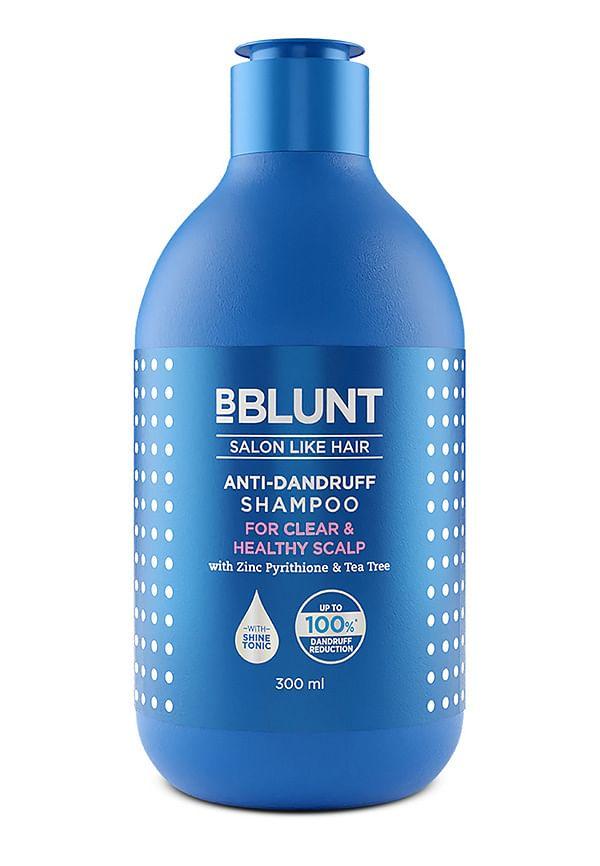
Anti-Dandruff Shampoo For a Clear & Healthy Scalp
Loves the Niche Shampoo
5“very very niche shampoo love itt”
Loves the Niche Shampoo
5“very very niche shampoo love itt”
Loves the Niche Shampoo
5“very very niche shampoo love itt”
Professional treatments often combine multiple approaches—chelating, clarifying, and moisturising—in one session for maximum effectiveness.
The best scalp care for hard water combines treatment with prevention. Once you've addressed existing buildup, maintaining healthy scalp conditions becomes much easier with the right routine.
Consider investing in a water softener for hair if hard water is a persistent problem in your area. Shower filters are a more budget-friendly option that can significantly reduce mineral content in your washing water. These devices remove or neutralise calcium and magnesium before they reach your hair and scalp.
Daily prevention strategies include:
Rinsing with filtered water when possible
Using leave-in treatments that create a protective barrier
Avoiding overwashing which can worsen mineral buildup
Choosing sulfate-free shampoos that work better in hard water
Regular scalp massage also helps prevent buildup by improving circulation and helping natural oils distribute more evenly. This can reduce the tight, uncomfortable feeling that often comes with mineral accumulation.
Not all itchy scalp remedies work the same way for hard water-related issues. The key is addressing both the mineral buildup and the irritation it causes. Look for treatments that combine cleansing action with soothing ingredients.
Ingredients to look for include:
Salicylic acid for gentle exfoliation
Tea tree oil for its antimicrobial and soothing properties
Aloe vera to calm irritated skin
Zinc pyrithione for its anti-inflammatory effects
If you have sensitive skin, start with gentler treatments like diluted apple cider vinegar rinses before moving to stronger options. Always patch test new treatments and introduce them gradually to avoid overwhelming your scalp.
Building an effective routine means balancing cleansing with moisture and protection. Start with a clarifying treatment once a week, then adjust frequency based on how your scalp responds. Some people need more frequent treatments, while others find once a week sufficient.
A typical weekly routine might include:
Monday: Regular gentle shampoo and conditioner
Wednesday: Clarifying treatment or apple cider vinegar rinse
Friday: Deep conditioning treatment
Sunday: Scalp massage with protective oils
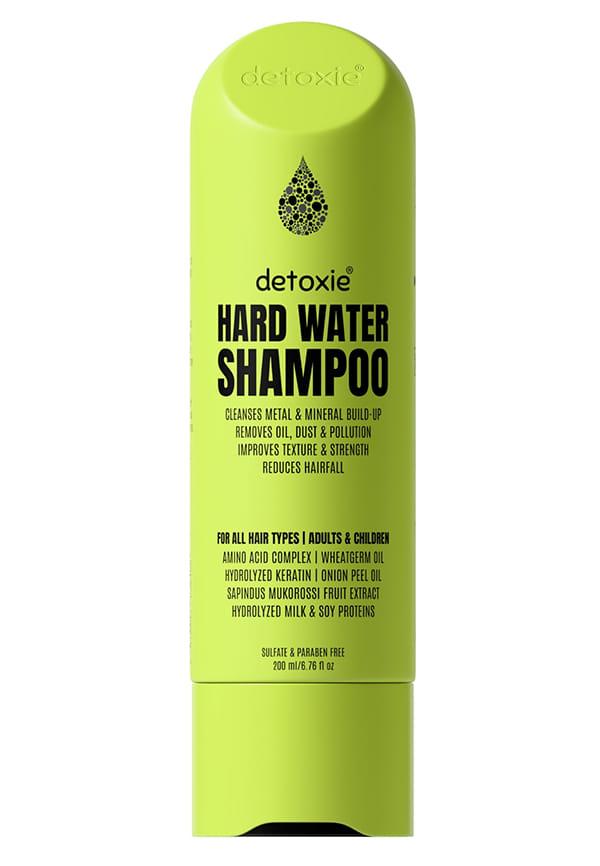
Hard Water Relief, Hair Fall Control & Pro Growth Shampoo
Effective Scalp Cleansing
5“cleaned scalp soooooo effectively”
Effective and long-lasting product
5“love the product, my scalp never felt this good. it lasts for a long time.”
Effective for hard water
5“chat gpt recommend this shampoo to me as we have hard water at out home. very little amount is required. can feel the effect in 2-3 wash.”
Adjust this schedule based on your hair type and the severity of your hard water issues. Fine hair might need less frequent conditioning, while thick or curly hair might benefit from additional moisture treatments.
When exploring different treatments, platforms like Smytten make it easier to try various products without committing to full sizes. With over 1,500 trusted brands offering trial-sized versions, you can test different chelating shampoos, clarifying treatments, and scalp care products to find what works best for your specific hard water challenges. This approach helps you make smarter choices without the risk of investing in products that might not suit your needs.
Most people benefit from using clarifying or chelating treatments once or twice a week. Start with once weekly and adjust based on how your scalp feels. Overuse can lead to dryness, so it's better to start conservatively.
Hard water damage is generally reversible with proper treatment. However, long-term exposure without intervention can lead to increased breakage and dullness. The good news is that consistent use of appropriate treatments can restore hair health.
No, chelating shampoos are too strong for daily use. They're designed for weekly or bi-weekly use at most. Daily use can strip your hair of natural oils and cause dryness and irritation.
Clarifying treatments remove general buildup from products and environment, while chelating treatments specifically target mineral deposits from hard water. Chelating treatments are typically stronger and more targeted.
Most people notice improvement after 2-3 treatments, but it can take 4-6 weeks to see significant changes. Consistency is key—stick with your routine even if results aren't immediate.
It's generally better to use one treatment at a time to avoid over-cleansing. You can alternate different treatments throughout the week, but avoid layering strong treatments in the same session.
Dealing with hard water doesn't mean you have to settle for uncomfortable scalp conditions or lacklustre hair. The right combination of treatments can completely transform how your hair looks and feels. Remember that finding your perfect routine might take some experimentation—what works for your friend might not work for you, and that's completely normal.
Start with gentler treatments like apple cider vinegar rinses or weekly clarifying shampoos, then gradually introduce stronger options if needed. Pay attention to how your scalp responds and adjust accordingly. With consistent care and the right products, you can maintain healthy, comfortable scalp conditions even in the hardest water areas.
The key is not to give up if the first treatment you try doesn't work perfectly. Hair care is personal, and finding your ideal routine is worth the effort. Your scalp will thank you for the attention, and you'll love how much better your hair looks and feels once those mineral deposits are under control.
