7 Best Hair Care Routine Tips for Healthy Hair
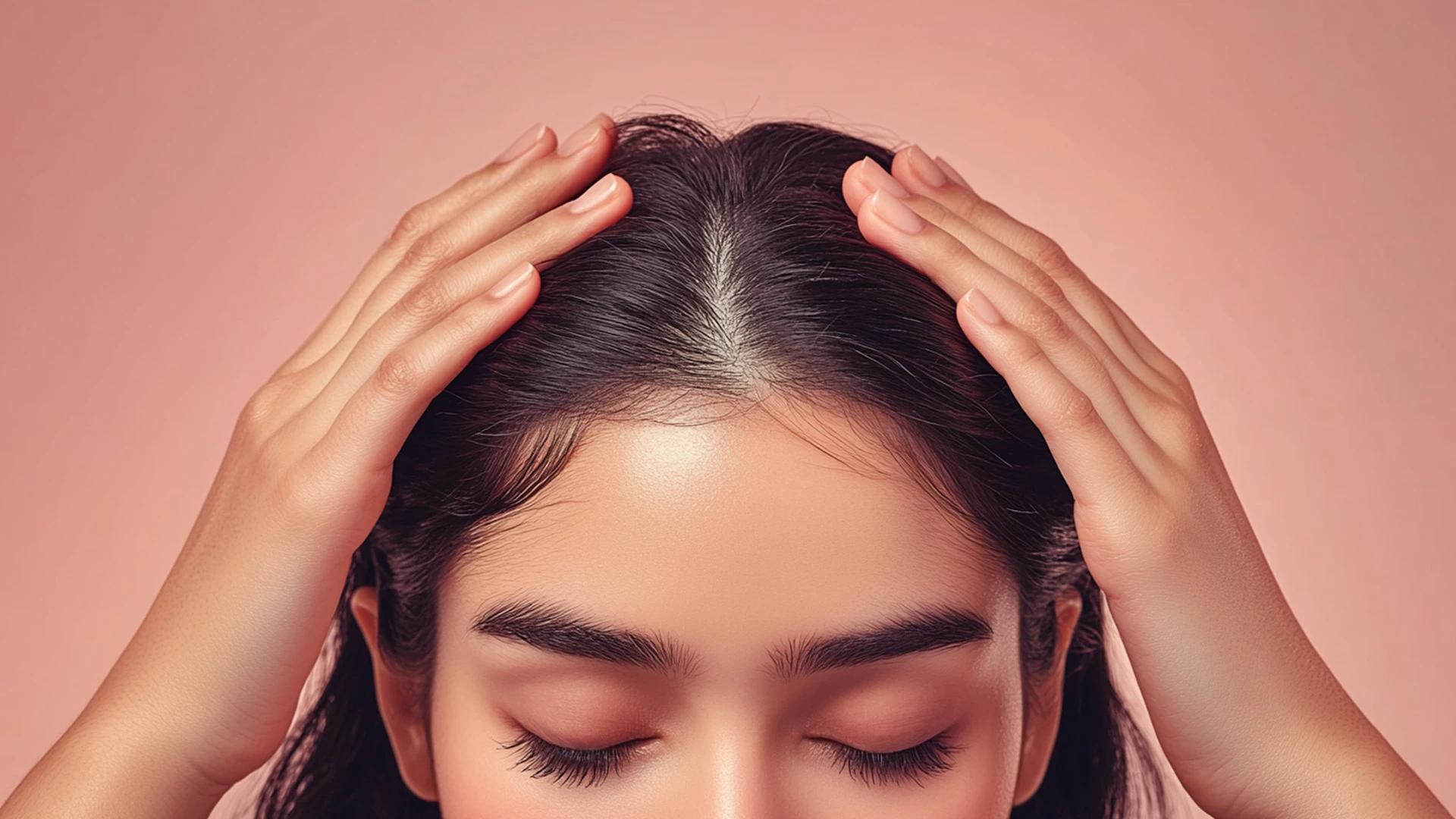

Let's be real—finding the best hair care routine can feel like solving a puzzle with missing pieces. One day your hair looks amazing, the next it's having a proper meltdown. But here's the thing: healthy hair isn't about expensive products or complicated rituals. It's about understanding what your hair actually needs and giving it exactly that. Whether you're dealing with oily roots, dry ends, or damage from too many styling experiments, these seven game-changing tips will help you build a routine that actually works. Ready to transform your hair game? Let's dive in.
Before you can create the perfect healthy hair routine, you need to know what you're working with. Think of it like choosing the right skincare—what works for your mate might be a disaster for you. Your hair type determines everything from how often you should wash to which products will actually make a difference.
Here's a simple way to figure out your hair type: wash your hair, skip all products, and see what happens after 24 hours. Oily hair will look greasy at the roots, dry hair will feel rough and look dull, whilst combination hair will be oily at the top and dry at the ends. If your hair breaks easily or feels like straw, you're likely dealing with damage that needs special attention.
Hair porosity is basically how well your hair absorbs and holds moisture. Drop a clean strand in water—if it sinks quickly, you have high porosity (damaged or chemically treated hair). If it floats, you have low porosity (healthy but hard to moisturise). This knowledge is crucial for choosing the right hair care products.
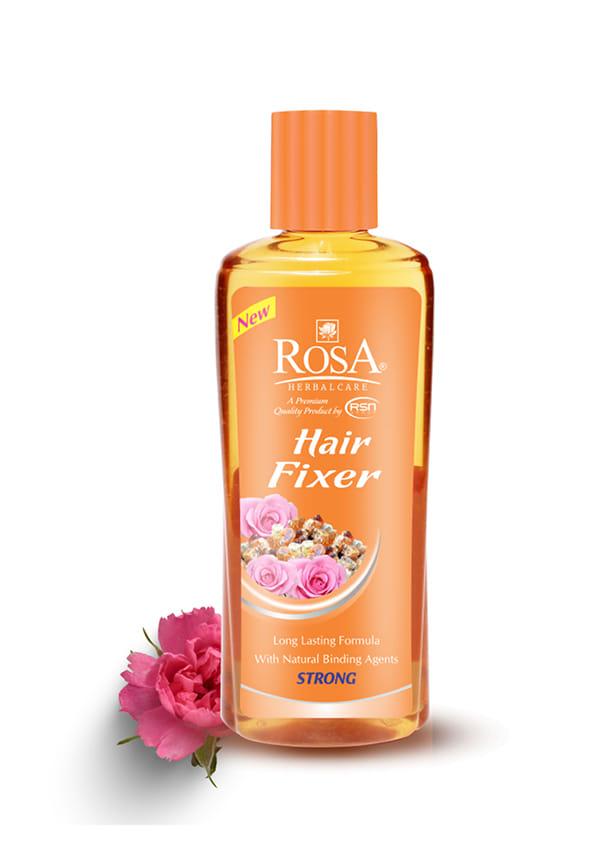
Hair Fixer strong with long lasting I For All skin I Natural & Herbal ingredients I For soft and smooth skin
Your scalp is where healthy hair begins. Check for flakiness, irritation, or excessive oiliness. A healthy scalp should feel comfortable and look clean without being stripped. Remember, your scalp is skin too—it needs the same gentle care you'd give your face.
Your hair washing routine sets the tone for everything else. Get this wrong, and even the best products won't save you. The key is finding the sweet spot between clean and over-washed.
For hair care for oily hair, washing 2-3 times weekly prevents overproduction of oil. Those with hair care for dry hair needs should stick to 1-2 times weekly to preserve natural oils. Normal hair types can usually handle every other day washing.
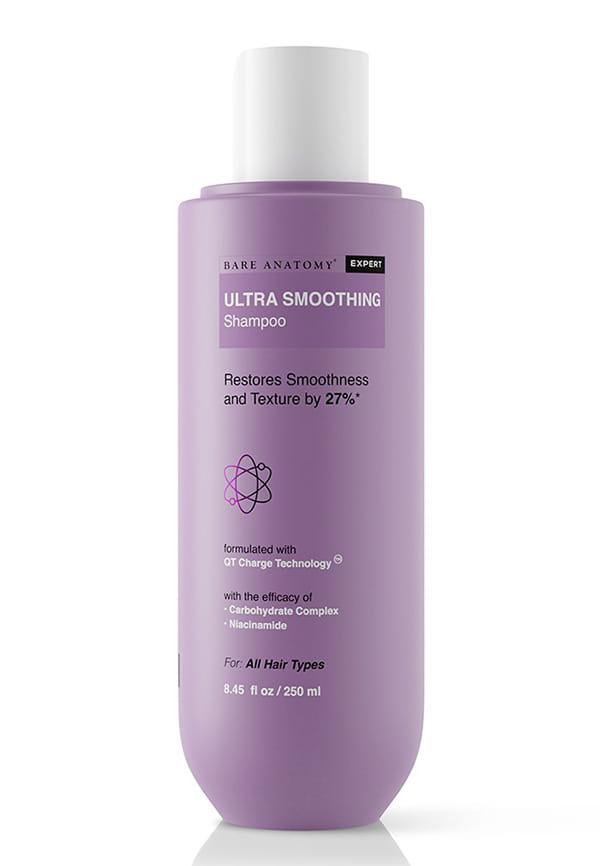
Expert Ultra Smoothing Shampoo To Restore Smoothness
Focus shampoo on your scalp, not your lengths. Massage gently with your fingertips (never nails) for about 30 seconds. The suds will clean your hair as you rinse—no need to scrub the ends.
Hot water strips natural oils and can irritate your scalp. Lukewarm water opens the hair cuticles just enough for cleaning without causing damage. Finish with a cool rinse to seal the cuticles and add shine.
Conditioning is where the magic happens for hair hydration tips. It's not just about slapping on any conditioner—it's about choosing the right type and applying it properly.
Apply conditioner from mid-length to ends only. Your scalp produces natural oils, so adding conditioner there can make hair look greasy. Work it through with your fingers or a wide-tooth comb for even distribution.
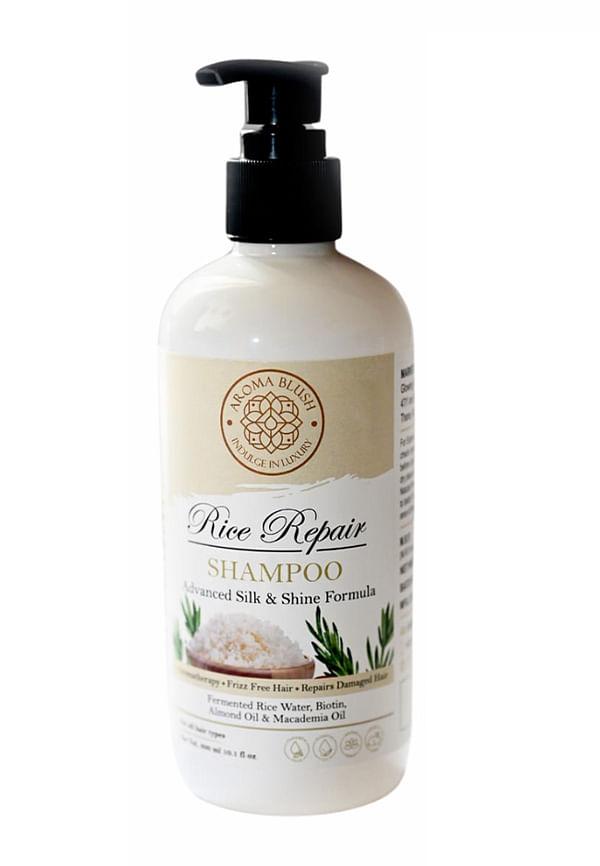
Rice Repair Shampoo
For hair care for damaged hair, weekly deep conditioning masks are non-negotiable. Look for ingredients like keratin, argan oil, or shea butter. Leave the mask on for 10-15 minutes for maximum penetration.
These are brilliant for daily protection, especially if you style your hair regularly. Apply to damp hair before styling to create a protective barrier against heat and environmental damage.
Natural hair care doesn't mean you need to make everything from scratch in your kitchen. It's about using gentle, nourishing ingredients that work with your hair's natural structure.
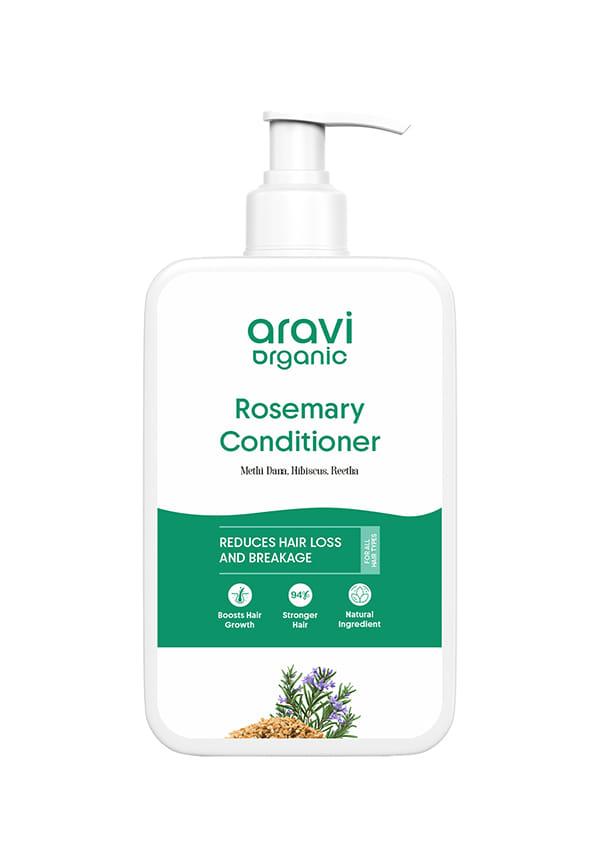
Rosemary Hair Growth Conditioner - Enriched With Rosemary, Green Tea & Caffeine
Coconut oil penetrates the hair shaft, making it perfect for deep conditioning. Argan oil is lighter and great for daily use on dry ends. Jojoba oil closely mimics your scalp's natural sebum, making it ideal for all hair types.
Spend 5-10 minutes massaging your scalp daily to boost blood circulation. This simple practice can promote hair growth and help distribute natural oils. Use your fingertips in circular motions—it's also incredibly relaxing.
Swap your cotton pillowcase for silk or satin. These materials create less friction, reducing breakage and frizz. You can also try a silk hair wrap or loose braid for extra protection.
Heat styling is often the biggest culprit behind damaged hair. But you don't have to give up your favourite tools—just use them smarter.
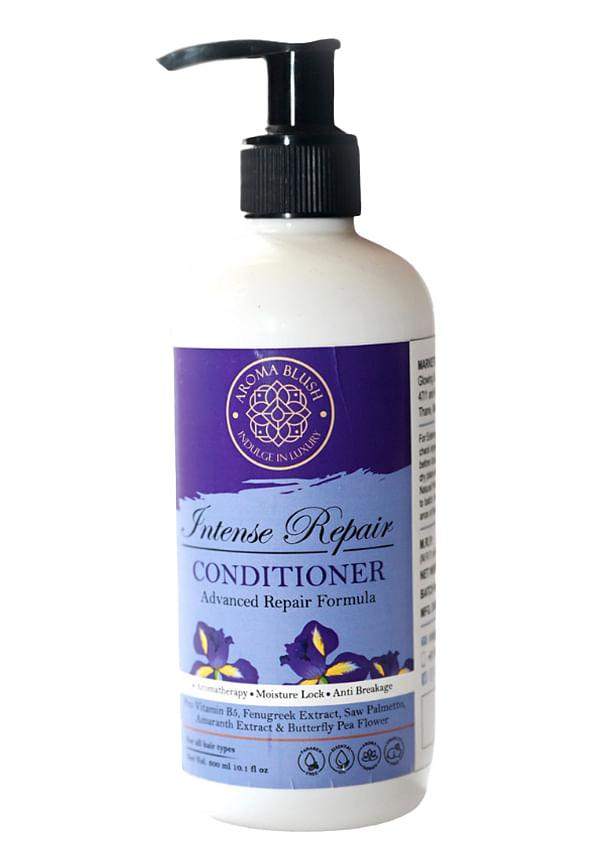
Intense Repair Conditioner
Never skip heat protectant. Apply it to damp hair before blow-drying and again on dry hair before using hot tools. Look for products that protect up to 220°C for maximum coverage.
Fine or damaged hair should never exceed 150°C. Thick or coarse hair can handle up to 180°C. When in doubt, start low and increase gradually. Your hair will thank you later.
Embrace air drying when possible. Gently squeeze out excess water with a microfibre towel, apply leave-in conditioner, and let your hair dry naturally. For faster results, try the 'plopping' method with a cotton t-shirt.
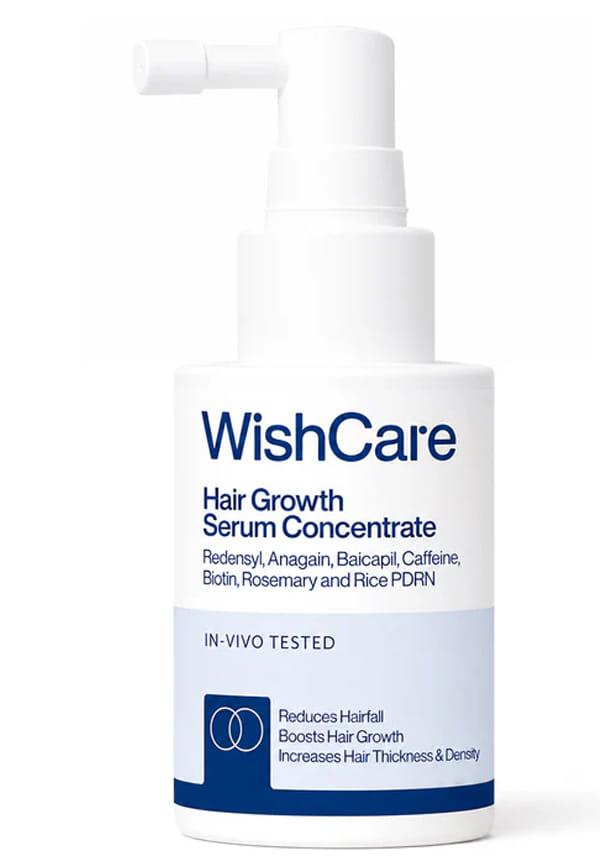
Hair Growth Serum Concentrate
The best hair care routine isn't just about what you put on your hair—it's also about what you put in your body. Your hair is essentially dead protein, so what you eat directly affects its health and growth.
Biotin supports keratin production, iron prevents hair loss, omega-3s add shine, and protein provides the building blocks for strong strands. Include eggs, fish, nuts, and leafy greens in your diet for optimal hair health.
Dehydration shows up in your hair just like it does in your skin. Aim for 8-10 glasses of water daily to keep your hair hydrated from the inside out.
Whilst supplements can help, getting nutrients from whole foods is always better. Your body absorbs vitamins from food more efficiently than synthetic versions.
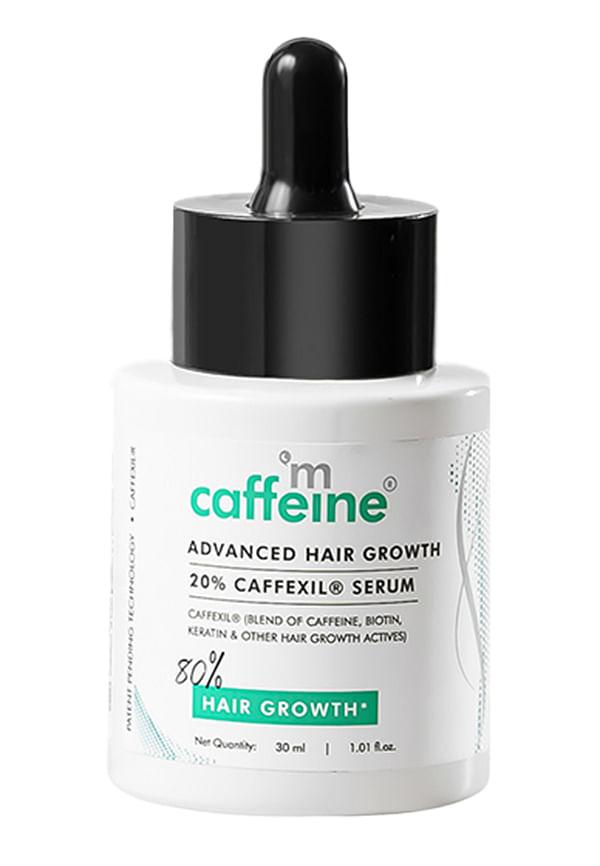
20% Caffexil® Advanced Hair Growth Serum With Keratin, Biotin & Rosemary
Even the most dedicated daily hair care routine needs professional backup sometimes. Regular maintenance keeps small problems from becoming big ones.
Trim every 6-8 weeks to prevent split ends from travelling up the hair shaft. Even if you're growing your hair out, regular trims actually help it grow faster by preventing breakage.
Persistent scalp issues, sudden hair loss, or severe damage that doesn't improve with at-home treatments are all signs to see a professional. Sometimes you need expert diagnosis and treatment.
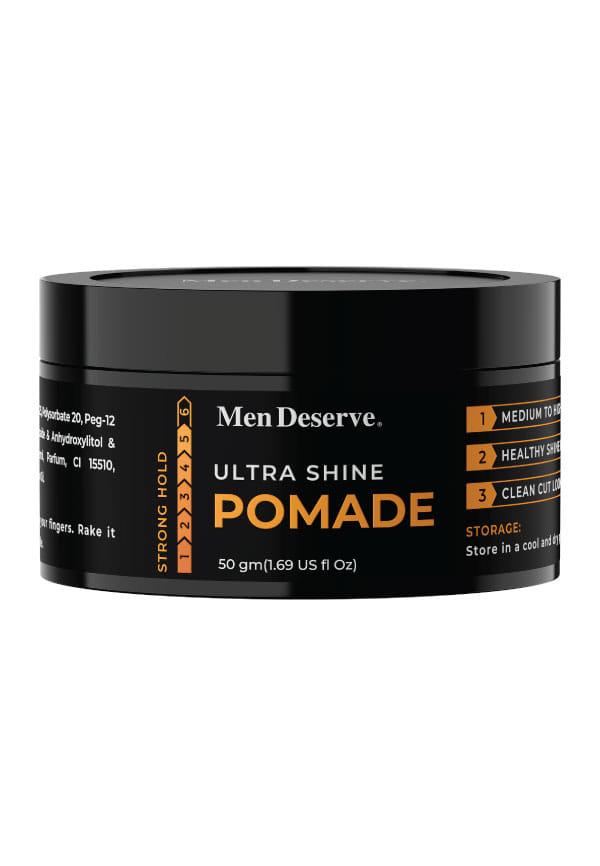
Hair Styling Ultra Shine Pomade for Strong Hold and Wet Look Hairstyle
Your hair's needs change with the weather. Summer calls for UV protection and lighter products, whilst winter requires more moisture and gentle handling. Adjust your routine accordingly.
One size definitely doesn't fit all when it comes to hair care. Your routine should be as unique as you are, addressing your specific concerns and lifestyle.
Start with the basics: gentle cleansing, proper conditioning, and heat protection. Then add targeted treatments based on your specific needs. Keep a hair diary to track what works and what doesn't.
Monday: Gentle shampoo and condition. Tuesday: Dry shampoo if needed. Wednesday: Deep conditioning mask. Thursday: Scalp massage with oil. Friday: Clarifying shampoo. Weekend: Protective styling and minimal manipulation.

Salon Secret High Shine Conditioning Hair Colour
Frizz usually means lack of moisture or damage. Greasiness often indicates over-washing or using too heavy products. Hair loss can be stress, hormones, or nutritional deficiencies. Identify the root cause before treating symptoms.
Finding the right hair care products for your routine doesn't have to break the bank or involve endless trial and error. Smytten makes it easy to discover what works for your hair through curated trial packs from trusted brands. With over 1,500 brands available, you can try different shampoos, conditioners, and treatments before committing to full-size purchases. This approach lets you build your perfect routine without the risk of wasting money on products that don't suit your hair type.
Start simple with a gentle shampoo, moisturising conditioner, and heat protectant. Wash 2-3 times weekly, condition every time, and always use heat protection before styling. Add treatments gradually as you learn what your hair needs.
It depends on your hair type. Oily hair benefits from washing 2-3 times weekly, dry hair needs washing only 1-2 times weekly, and normal hair can handle every other day. Listen to your hair and adjust accordingly.
Most people notice improvements within 2-4 weeks of consistent use. However, significant changes like increased growth or major damage repair can take 2-3 months. Be patient and consistent with your routine.
Your hair's needs change with the seasons. Summer requires more UV protection and lighter products, whilst winter calls for extra moisture. Adjust your routine seasonally for best results.
Look for signs like reduced breakage, improved shine, easier styling, and overall healthier appearance. Your hair should feel soft, look vibrant, and be manageable. If you're not seeing improvements after 6-8 weeks, it's time to reassess.
The fundamentals are the same regardless of gender. However, men often have shorter hair and oilier scalps, so they might need more frequent washing and lighter products. The key is understanding your individual hair type rather than following gender-specific rules.
Building the best hair care routine is a journey, not a destination. Your hair will change over time due to age, hormones, environment, and lifestyle factors. The key is staying flexible and adjusting your routine as needed. Remember, healthy hair doesn't happen overnight—it's the result of consistent, gentle care and patience.
Start with these seven tips, but don't feel pressured to implement everything at once. Choose one or two changes to focus on first, then gradually build your routine. Whether you're dealing with oily roots, dry ends, or damaged strands, there's a solution that will work for you. The most important thing is to be consistent and listen to what your hair is telling you. With the right approach and quality products, you can achieve the healthy, gorgeous hair you've always wanted.
