7 Best Anti Dandruff Hair Masks for Healthy Scalp

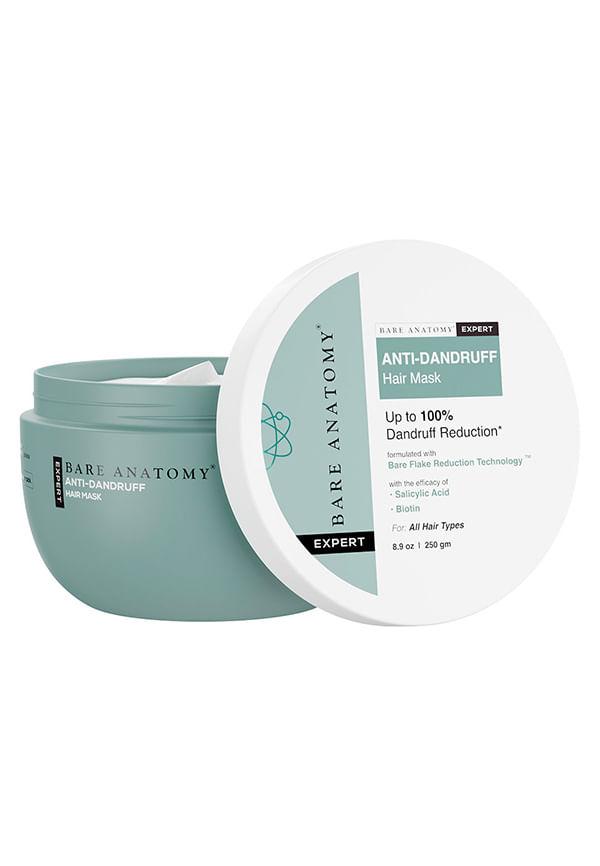
Expert Anti-Dandruff Hair Mask | Up To 100% Dandruff Reduction
Dandruff can be such a pain, right? Those annoying white flakes on your shoulders, the constant itching, and that feeling like everyone's staring at your scalp. But here's the thing—whilst regular shampoos might give you temporary relief, an anti dandruff hair mask can actually tackle the root cause and give your scalp the deep treatment it deserves. Think of it as a spa day for your head, but one that actually works. Whether you're dealing with stubborn flakes, an itchy scalp, or just want to prevent dandruff from making a comeback, the right hair mask can be your scalp's new best friend.
Let's be real—dandruff isn't just about poor hygiene or not washing your hair enough. It's usually caused by a pesky fungus called Malassezia that loves to feast on the oils on your scalp. Sometimes it's seborrheic dermatitis, other times it's just a dry scalp crying out for moisture. The beauty of an anti dandruff hair mask is that it sits on your scalp longer than regular shampoo, giving active ingredients time to actually work their magic.
Unlike quick-rinse shampoos, a proper dandruff treatment mask penetrates deeper into your scalp, targeting the fungal overgrowth and inflammation that cause those flakes. Plus, many masks come packed with soothing ingredients that calm irritation whilst treating the underlying issue. It's like giving your scalp a proper deep clean and treatment session all in one go.
If you've been using anti-dandruff shampoos for weeks with no luck, or if your scalp feels particularly itchy and inflamed, a hair mask for itchy scalp might be exactly what you need. They're also brilliant for people with sensitive scalps who find regular dandruff shampoos too harsh.
Ready to discover some game-changing masks? These seven options cover everything from budget-friendly finds to professional-grade treatments. Each one targets different types of dandruff, so you can find your perfect match.
Tea tree oil is like kryptonite for the fungus that causes dandruff. Look for masks that combine tea tree with salicylic acid or zinc pyrithione—this combo creates a powerful anti fungal hair mask that doesn't mess about. Apply these once or twice a week, and you should start seeing results within 2-3 weeks. Just remember to do a patch test first, as tea tree can be quite potent.
If your scalp tends to get oily and that's contributing to your dandruff, bentonite or kaolin clay masks are your new best friends. These work as an excellent dandruff control mask by absorbing excess oil and unclogging hair follicles. The key is not to overdo it—once a week is plenty, and always follow up with a good conditioner on your lengths.
For stubborn dandruff that just won't budge, sulfur and selenium-based masks bring out the big guns. These medical-grade options are brilliant for severe cases of seborrheic dermatitis. They're stronger than your average dandruff treatment, so always follow the instructions carefully and consider chatting with a dermatologist first.
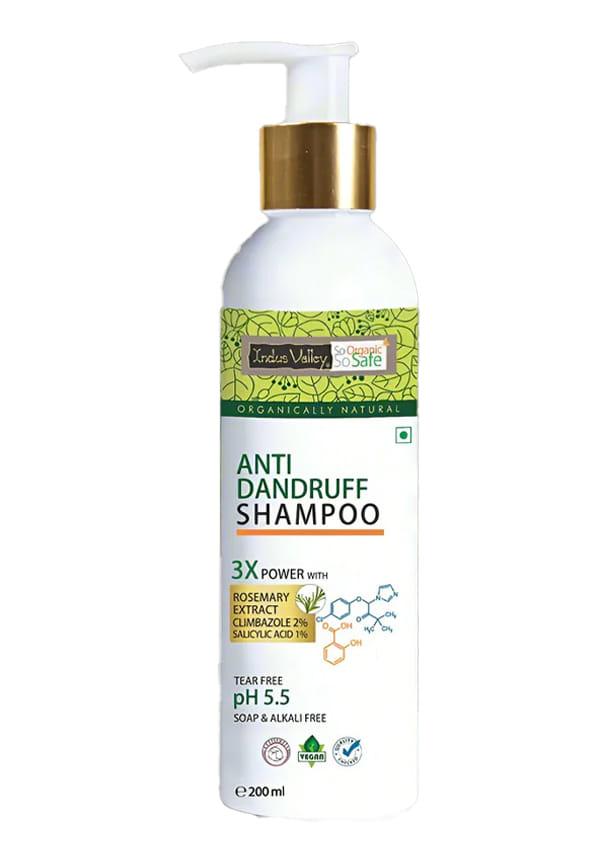
Anti Dandruff Shampoo
Effective for dandruff and scalp cleansing
 5
5“works on dandruff , cleans scalp effectively”
Effective for dandruff and scalp cleansing
5“works on dandruff , cleans scalp effectively”
Effective for dandruff and scalp cleansing
5“works on dandruff , cleans scalp effectively”
Perfect for those dealing with scalp irritation, charcoal masks draw out impurities whilst mint provides that cooling, soothing sensation. These work particularly well as a scalp soothing mask when your head feels inflamed and angry.
Sometimes the best solutions are sitting right in your kitchen. These homemade hair mask for dandruff recipes are gentle, effective, and won't break the bank. Plus, you know exactly what's going on your scalp.
This natural dandruff remedy is brilliant for restoring your scalp's natural pH balance. Mix 3 tablespoons of plain yogurt with 1 tablespoon of fresh lemon juice. The lactic acid in yogurt gently exfoliates dead skin cells, whilst lemon's citric acid helps control fungal growth. Apply to your scalp, massage gently for 2 minutes, then leave for 20-30 minutes before rinsing with lukewarm water.
This combo is like a reset button for your scalp. Mix 2 tablespoons of apple cider vinegar with 1 tablespoon of raw honey and 3 tablespoons of water. The antimicrobial properties make this an excellent diy anti dandruff mask. Apply to damp hair, focusing on the scalp, and leave for 15-20 minutes. Always dilute ACV properly—undiluted vinegar can irritate sensitive scalps.
If your dandruff comes with a dry, tight-feeling scalp, this mask is your saviour. Warm 2 tablespoons of coconut oil and mix with 1 teaspoon of neem powder (or a few drops of neem oil). This works as both a dry scalp treatment and anti-inflammatory remedy. You can leave this on overnight for deep conditioning, just remember to cover your pillow!
Perfect for sensitive scalps, mix 3 tablespoons of pure aloe vera gel with 3-4 drops of tea tree oil. This gentle combination soothes irritation whilst fighting fungal overgrowth. It's cooling, calming, and works brilliantly as a weekly treatment.
Not all dandruff is created equal, and neither are scalps. Understanding your specific scalp type is crucial for choosing the right haircare for dandruff approach.
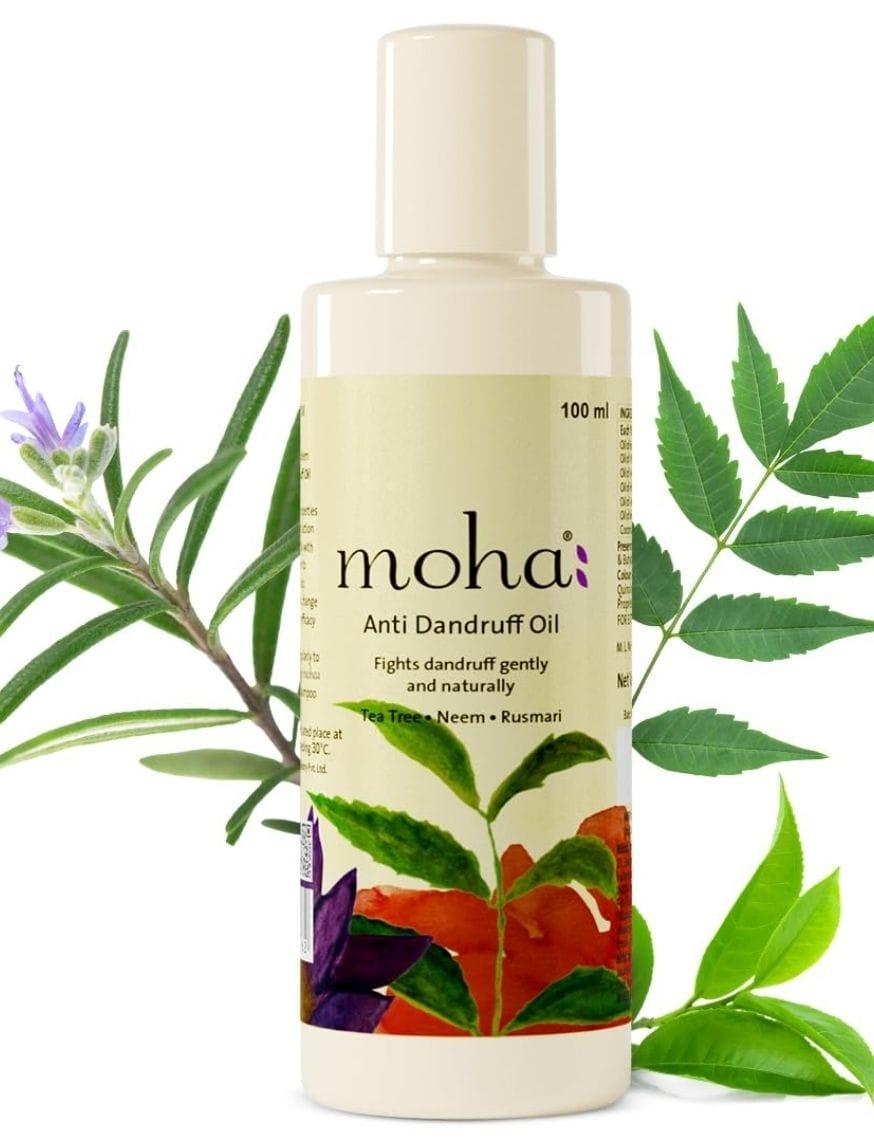
Anti Dandruff Oil
Good, trial needed
4“it seems good but should try first”
Positive Smytten Experience
4“it was good experience. you are doing good job”
Excellent Anti-Dandruff Oil
5“moha anti dandruff oil is very good”
If you have an oily scalp, clay-based or clarifying masks work best. They'll absorb excess sebum without over-drying. For dry scalps, look for masks with moisturising ingredients like coconut oil, shea butter, or hyaluronic acid. Sensitive scalps need gentle, fragrance-free formulas with soothing ingredients like aloe vera or chamomile.
Check your scalp 24 hours after washing. If it feels tight and looks flaky, you've got a dry scalp. If it's shiny and feels greasy, it's oily. If it's red, itchy, or burns easily with products, it's sensitive. Combination scalps might be oily at the crown but dry around the hairline.
Getting the most out of your anti dandruff hair mask isn't just about the product—it's about how you use it. Start with slightly damp hair, as this helps the mask spread more evenly and penetrate better.
Section your hair and apply the mask directly to your scalp using your fingertips or a brush. Massage gently in circular motions for 2-3 minutes to boost circulation and help the ingredients penetrate. Don't forget the nape of your neck and behind your ears—dandruff loves to hide in these spots.
Most masks work best when left on for 15-30 minutes. Professional treatments might need longer, whilst DIY masks with acidic ingredients (like lemon or ACV) should be rinsed sooner to prevent irritation. Start with once a week and adjust based on how your scalp responds.
Even the best dandruff control mask can backfire if you're making these common mistakes. First up—don't apply masks to dirty hair. Your scalp needs to be clean for the ingredients to work properly.
Another biggie is mixing too many active ingredients in your diy anti dandruff mask. Combining acids, oils, and essential oils might seem like a good idea, but it can actually irritate your scalp or cancel out the benefits. Stick to simple, proven combinations.
Always patch test new masks on a small area behind your ear 24 hours before full application. This is especially important for essential oils and acidic ingredients. If you experience burning, excessive redness, or worsening symptoms, stop using the mask immediately.
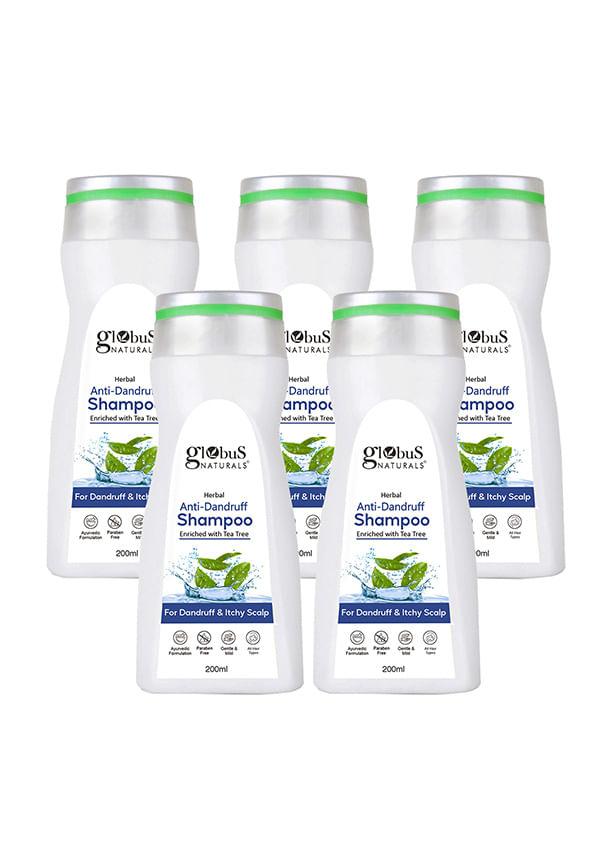
Anti Dandruff Shampoo, For Dandruff and Itchy Scalp
Effective for Itchy Scalp, Small Packing
5“small packing, but a great offer in price product is nice on scalp to reduce itchy issues effectively”
Nice Shampoo
5“dis shampoo is very nice liked it”
Nice Shampoo
5“dis shampoo is very nice liked it”
With so many options for treating dandruff, from professional masks to kitchen remedies, finding what works for your scalp might take some trial and error. That's where platforms like Smytten come in handy—you can try mini versions of different anti dandruff hair mask products without committing to full-size purchases. With over 1,500 trusted brands available, you can explore various dandruff treatments and find your perfect match through their Trial Points system.
The best anti dandruff hair mask depends on your scalp type. Tea tree oil-based masks work brilliantly for fungal dandruff, whilst clay masks are perfect for oily scalps with excess sebum production. For sensitive scalps, aloe vera-based masks provide gentle yet effective treatment.
Mix 2 tablespoons of plain yogurt with 1 tablespoon of fresh lemon juice. Apply to your scalp, massage gently, leave for 30 minutes, then rinse with lukewarm water and mild shampoo. This natural remedy helps balance scalp pH and gently exfoliates flakes.
Start with once a week and adjust based on your scalp's response. Severe dandruff might need twice-weekly treatments initially, whilst maintenance might only require fortnightly applications. Always listen to your scalp and reduce frequency if irritation occurs.
Most anti dandruff hair masks are safe for coloured hair, but avoid masks with high concentrations of acids or clarifying ingredients that might strip colour. Always check the product label and do a strand test first.
Most people notice improvement within 2-4 weeks of consistent use. However, severe dandruff or underlying scalp conditions might take 6-8 weeks to show significant improvement. Consistency is key for lasting results.
Dealing with dandruff doesn't have to be a constant battle. Whether you choose professional treatments or whip up a natural dandruff remedy in your kitchen, the key is finding what works for your unique scalp needs and sticking with it. Remember, consistency beats intensity every time—a gentle mask used regularly will always trump harsh treatments used sporadically.
The beauty of having so many options, from store-bought scalp soothing masks to DIY treatments, means you can experiment until you find your holy grail. And with platforms like Smytten offering trial-sized versions of professional haircare products, you can explore different brands and formulations without the commitment of full-size purchases. After all, why settle for maybe when you can try it all and find what actually works for your scalp?
