11 Ways to Soothe Top Scalp Irritation & Redness

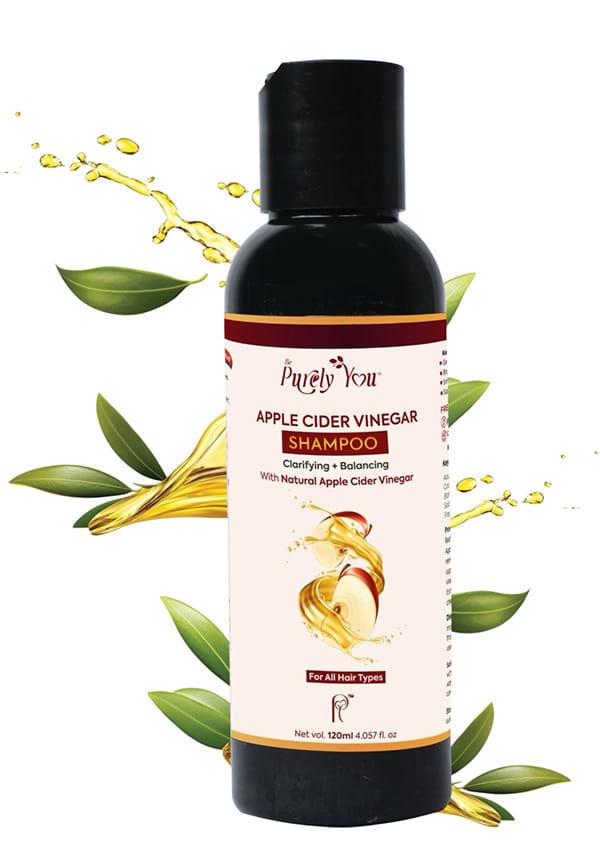
Apple Cider Vinegar Shampoo
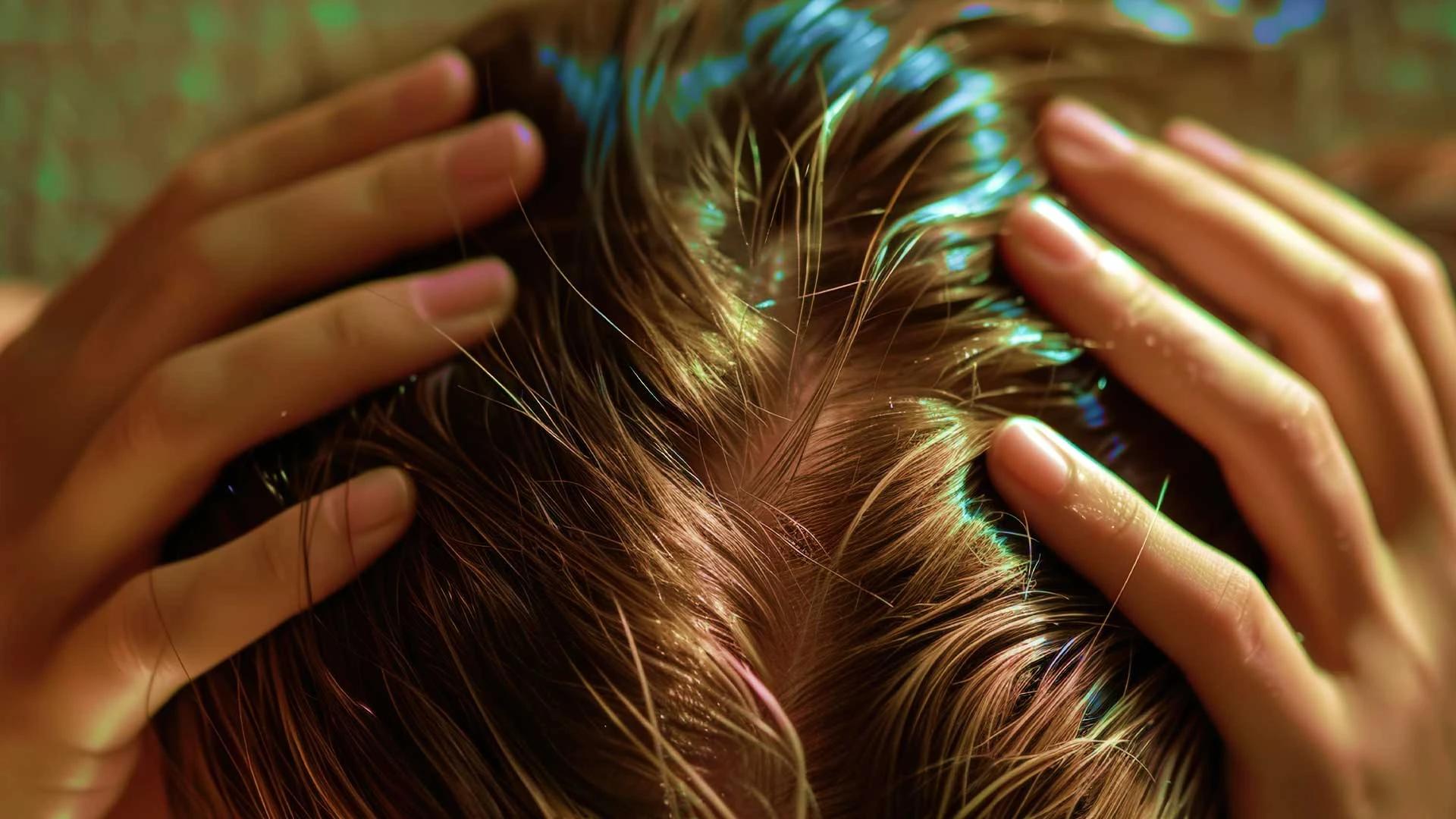
You know that annoying itch right on the crown of your head that just won't quit? The kind that makes you want to scratch in the middle of important meetings or leaves you tossing and turning at night? Top scalp irritation is one of those things that can drive you absolutely mad, especially when it comes with redness that makes your parting look like a tiny crime scene. Whether it's from that new shampoo you tried, stress from work, or just your scalp being dramatic for no reason, we've all been there. The good news? You don't have to suffer through it or resort to wearing hats forever.
Let's be real about top scalp irritation—it's not just an inconvenience, it's your scalp's way of telling you something's off. The crown area of your head is particularly vulnerable because it gets the most sun exposure, bears the brunt of tight hairstyles, and often receives the most aggressive brushing. When your scalp gets irritated, you'll typically notice redness, itching, flaking, and sometimes even tenderness that makes washing your hair feel like torture.
The tricky thing about scalp irritation is that it can be temporary (like from trying a new product) or chronic (indicating an underlying condition). Temporary irritation usually clears up within a few days to a week once you remove the trigger. Chronic issues, however, might need more targeted treatment and sometimes professional help. The key is understanding what you're dealing with so you can tackle it properly.
Most people experience scalp discomfort at some point, but when it becomes persistent or severe enough to affect your daily life, that's when you know it's time to take action. Your scalp should feel comfortable and healthy, not like it's constantly under attack.
Understanding the root cause of your scalp woes is half the battle won. Hair product scalp reactions are incredibly common—that sulfate-heavy shampoo or heavily fragranced conditioner might be the culprit behind your misery. Even products you've used for years can suddenly start causing issues if your scalp sensitivity changes due to hormones, stress, or environmental factors.
Seborrheic dermatitis is another major player in the scalp irritation game. It's different from regular dandruff because it involves inflammation and can cause more intense redness and scaling. The condition thrives in oily areas of your scalp and can be triggered by stress, hormonal changes, or even certain weather conditions.
Dry skin isn't just a winter problem—it can affect your scalp year-round, especially if you're over-washing, using hot water, or living in a dry climate. When your scalp lacks moisture, it becomes more prone to irritation and flaking. Fungal infections, particularly those caused by Malassezia yeast, can also create persistent itching and redness that won't respond to regular dandruff treatments.
Here's where things get interesting—dandruff and scalp irritation often get confused, but they're not the same thing. Dandruff typically involves white or yellowish flakes without significant redness or inflammation. Scalp irritation, on the other hand, usually comes with visible redness, tenderness, and sometimes even small bumps or sores. If you're seeing angry red patches along with flaking, you're likely dealing with irritation rather than simple dandruff.
Ready to give your scalp the relief it deserves? These methods range from simple home remedies to more targeted treatments, so you can find what works best for your specific situation. Remember, consistency is key—don't expect overnight miracles, but do expect gradual improvement with the right approach.
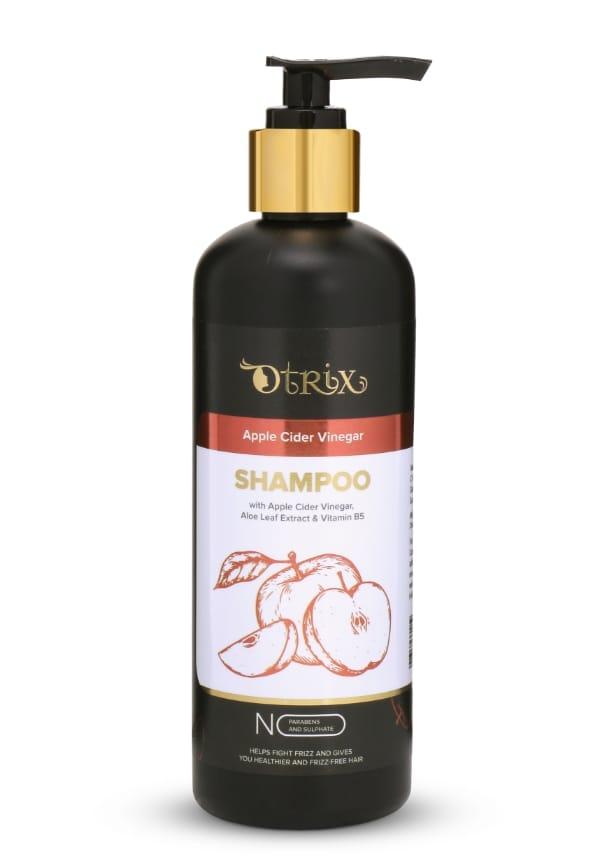
Apple Cider Vinegar Shampoo
1. Apple Cider Vinegar Rinse
This isn't just a wellness trend—apple cider vinegar genuinely helps balance your scalp's pH levels, which can reduce irritation and create an environment where healthy bacteria thrive. Mix one part ACV with three parts water, apply to damp hair after shampooing, let it sit for 2-3 minutes, then rinse thoroughly. The smell disappears once your hair dries, promise.
2. Tea Tree Oil Treatment
Tea tree oil is like that friend who's tough on the outside but means well—it's potent stuff that can seriously help with scalp inflammation remedies. Always dilute it (5-10 drops per tablespoon of carrier oil) and do a patch test first. Massage into your scalp, leave for 10-15 minutes, then shampoo as usual. Use this treatment 2-3 times per week maximum.
3. Coconut Oil Scalp Massage
Coconut oil isn't just for cooking—it's brilliant for dry flaky scalp treatment. Warm a small amount between your palms and gently massage into your scalp using circular motions. Leave it on for at least 30 minutes (or overnight if you're feeling ambitious), then wash out with a gentle shampoo. The massage action also improves blood circulation, which helps with healing.
4. Aloe Vera Gel Application
Aloe vera is nature's cooling system for irritated skin, and your scalp is no exception. Use pure aloe vera gel (not the green stuff with added fragrance) and apply directly to affected areas. Let it sit for 20-30 minutes before rinsing. It's particularly good for redness on scalp and provides immediate cooling relief.
5. Oatmeal Scalp Mask
Oatmeal contains compounds called avenanthramides that have anti-inflammatory properties. Grind plain oats into a fine powder, mix with enough water to make a paste, and apply to your scalp. Leave for 15-20 minutes before rinsing. It's gentle enough to use weekly and particularly effective for sensitive scalp conditions.
6. Medicated Shampoos
Sometimes you need to bring in the big guns. Look for shampoos containing zinc pyrithione (great for fungal issues), salicylic acid (helps with flaking), or ketoconazole (for persistent fungal problems). Use these 2-3 times per week, not daily, and always follow with a gentle conditioner to prevent over-drying.
7. Cool Water Rinses
Hot water might feel amazing, but it's terrible for scalp sensitivity relief. Cool water helps reduce inflammation and doesn't strip your scalp's natural oils. Finish every hair wash with a cool rinse—your scalp will thank you, even if the rest of you shivers a bit.
8. Gentle Scalp Exfoliation
Sometimes buildup is the real villain behind your scalp woes. Use a soft-bristled brush or your fingertips (never nails) to gently exfoliate your scalp while shampooing. This helps remove dead skin cells and product buildup that might be contributing to irritation. Do this once or twice a week, not daily.
9. Stress Management Techniques
Stress and scalp issues are more connected than you might think. When you're stressed, your body produces more cortisol, which can trigger inflammatory responses including scalp irritation. Regular meditation, adequate sleep, and exercise can genuinely help reduce scalp sensitivity. Even just 10 minutes of deep breathing daily can make a difference.
10. Diet and Hydration
What you eat affects your scalp health more than you'd expect. Foods rich in omega-3 fatty acids (like salmon and walnuts), zinc, and vitamins A and E can help reduce inflammation from the inside out. Staying properly hydrated also keeps your scalp from becoming overly dry and reactive.
11. Product Elimination Protocol
If you suspect a hair product scalp reaction, it's time to play detective. Strip back to the most basic, fragrance-free products for 2-3 weeks, then slowly reintroduce products one at a time. This helps identify specific triggers so you can avoid them in future.
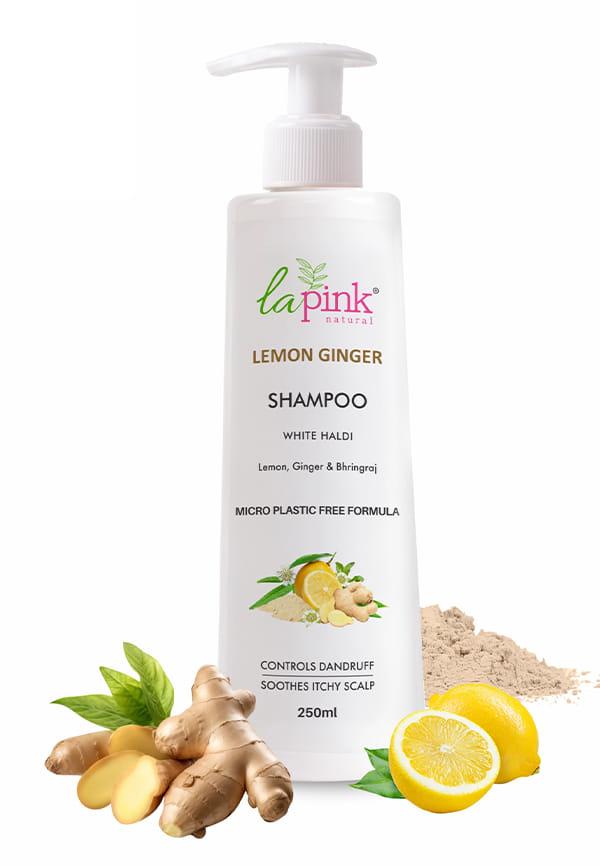
Lemon Ginger Shampoo with White Haldi to Control Dandruff & Soothe Itchy Scalp
When your scalp is throwing a tantrum, product selection becomes crucial. Look for sensitive scalp products that are free from sulfates, parabens, and artificial fragrances—these are common irritants that can turn a minor issue into a major drama. pH-balanced formulas are particularly important because they work with your scalp's natural acidity levels rather than against them.
Hypoallergenic doesn't always mean natural, and natural doesn't always mean gentle—some natural ingredients can be quite potent. The key is finding products specifically formulated for sensitive or reactive scalps. These usually contain soothing ingredients like chamomile, calendula, or oat extract that help calm inflammation while still effectively cleansing your hair.
Building a scalp-friendly routine means starting simple and adding products gradually. A gentle, sulfate-free shampoo and a lightweight, silicone-free conditioner are your foundation. From there, you can add treatments like scalp serums or masks as needed, but always introduce new products one at a time so you can identify any that don't agree with your scalp.
Sometimes DIY solutions aren't enough, and that's perfectly okay. If your scalp irritation persists for more than two weeks despite gentle care, or if you're experiencing severe redness, bleeding, or hair loss, it's time to consult a dermatologist. They can properly diagnose conditions like seborrheic dermatitis, psoriasis, or fungal infections that might need prescription treatments.
Professional treatments might include prescription-strength antifungal shampoos, topical corticosteroids for inflammation, or even light therapy for certain conditions. These treatments are more potent than over-the-counter options and can provide relief when nothing else seems to work.
Don't feel like you've failed if you need professional help—some scalp conditions are complex and require targeted medical treatment. The sooner you address persistent issues, the better your chances of preventing them from becoming chronic problems.
Once you've got your scalp irritation under control, the goal is keeping it that way. Daily scalp care doesn't need to be complicated—gentle cleansing, proper hydration, and protection from environmental stressors go a long way. Avoid tight hairstyles that pull on your scalp, and be mindful of how often you're touching or scratching the area.
Seasonal adjustments are important too. Your scalp might need more moisture in winter and lighter products in summer. Pay attention to how your scalp responds to changes in weather, stress levels, and hormonal fluctuations, and adjust your routine accordingly.
Regular scalp health monitoring means actually looking at your scalp (use a handheld mirror if needed) and noting any changes in texture, colour, or sensation. Catching issues early makes them much easier to treat.
Start with gentle, fragrance-free products and avoid over-washing. Use cool water, try natural remedies like aloe vera or coconut oil, and give your scalp time to heal. If irritation persists beyond two weeks or worsens, consult a dermatologist for proper diagnosis and treatment.
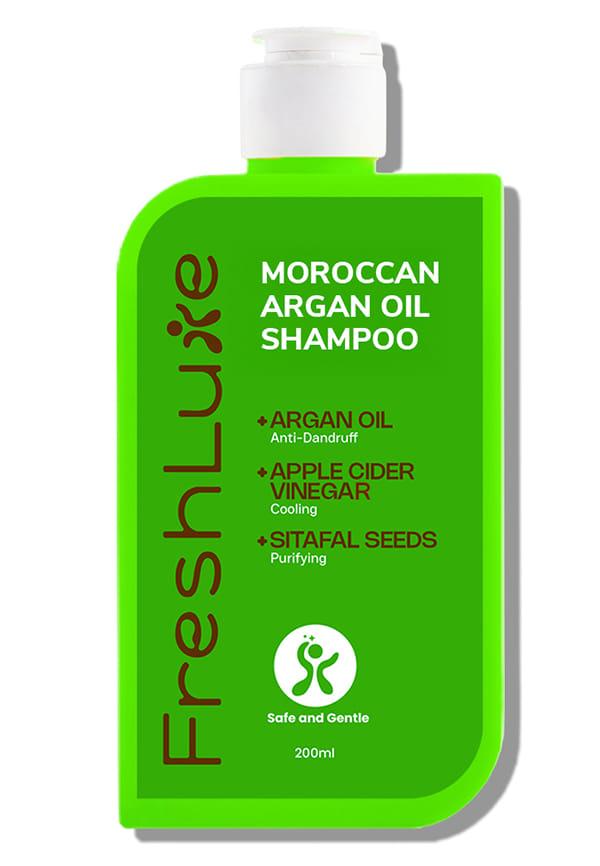
Luxe Repair Shampoo with Moroccan Argan Oil & Apple Cider
Prevention focuses on identifying and avoiding triggers, using gentle hair products, managing stress levels, and maintaining proper scalp hygiene without over-cleansing. A consistent, simple routine with pH-balanced products usually works better than constantly switching products.
Fungal scalp issues often involve persistent itching that doesn't respond to regular dandruff treatments, yellowish or greasy-looking flakes, and sometimes a musty smell. The itching tends to be more intense and may worsen in humid conditions. Professional diagnosis is recommended for proper treatment.
The crown area is particularly susceptible to sun damage, product buildup, and tension from tight hairstyles. It also receives the most direct application of hair products and aggressive brushing, making it prone to contact dermatitis and mechanical irritation.
Nighttime itching can be caused by dry air from heating or cooling systems, product buildup from the day, or even your pillowcase material. Stress and hormonal changes can also make itching more noticeable when you're trying to relax and sleep.
Natural remedies include apple cider vinegar rinses, tea tree oil treatments, aloe vera gel application, and gentle oatmeal masks. Consistency is key—most natural treatments take 2-4 weeks to show significant improvement, and results vary depending on the underlying cause.
Dealing with top scalp irritation doesn't have to be a never-ending battle. The key is understanding what's causing your specific issue and choosing the right combination of treatments and prevention strategies. Whether it's switching to gentler products, incorporating soothing treatments, or making lifestyle adjustments, there's usually a solution that works.
Remember that scalp health is an ongoing process, not a one-time fix. What works for your friend might not work for you, and what works for you now might need adjusting as your scalp's needs change. Be patient with the process and don't hesitate to seek professional help if home remedies aren't cutting it.
When you're ready to explore new scalp-friendly products, Smytten's curated selection includes gentle formulations from trusted brands that cater to sensitive scalps. Not sure which format works for your hair? Smytten also offers trial-size versions of many scalp care products—a smart way to test new solutions before committing to full-size bottles.
