11 Ways to Repair Damaged Hair with the Right Conditioner


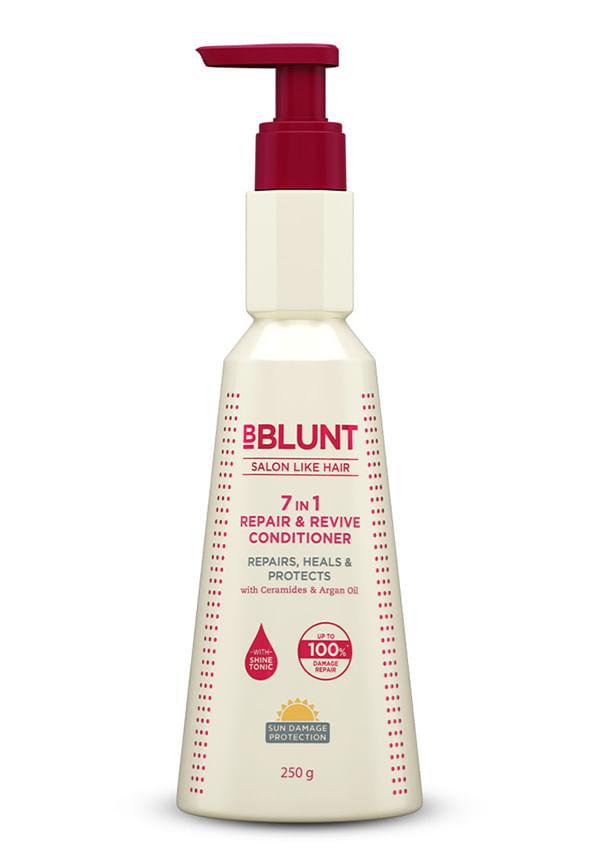
7 in 1 Repair & Revive Conditioner for Upto 100% Damage Repair
You know that moment when you catch your reflection and realise your hair looks more like straw than silk? We've all been there. Whether it's from too many heat styling sessions, that bleaching experiment gone wrong, or just life happening to your hair, damage is real and frustrating. The good news? The right conditioner for damaged hair can actually turn things around. Not overnight magic, but real, visible repair that makes your hair feel like yours again.
Let's be real about what damaged hair actually looks like. Split ends that seem to multiply overnight, strands that snap when you barely touch them, hair that feels rough no matter what you do, and that dull, lifeless look that no amount of brushing fixes. This happens because your hair's protective outer layer—the cuticle—gets compromised.
Heat styling, chemical treatments, aggressive brushing, and even environmental factors like sun and pollution all contribute to hair cuticle repair becoming necessary. When these cuticles lift or break, your hair loses moisture, protein, and its natural shine. Regular conditioner might smooth things temporarily, but severely damaged hair needs targeted repair that goes deeper than surface-level conditioning.
The science behind hair damage is actually quite straightforward. Your hair shaft has three layers, and when the outer cuticle gets damaged, it exposes the inner cortex to further harm. This creates a cycle where damage leads to more damage. That's why choosing the right conditioner for damaged hair isn't just about moisture—it's about rebuilding and protecting your hair's structure from the inside out.
Repairing damaged hair isn't about using any conditioner—it's about using the right techniques and formulas strategically. These eleven methods work together to address different aspects of hair damage, from structural repair to moisture restoration.
Your hair is essentially made of protein, so when it's damaged, protein treatment for hair becomes crucial. Look for conditioners containing keratin, hydrolyzed wheat protein, or silk proteins. These smaller protein molecules can actually penetrate your hair shaft and fill in gaps where your natural protein has been lost. Apply these treatments once or twice weekly, focusing on the most damaged areas.
Think of deep conditioning treatment as intensive therapy for your hair. Unlike daily conditioners that work on the surface, these formulas contain higher concentrations of repairing ingredients. Apply generously from mid-length to ends, cover with a shower cap, and leave for 15-20 minutes. The heat from your scalp helps the ingredients penetrate deeper into damaged cuticles.
Daily conditioning with a strengthening formula prevents further damage while gradually improving your hair's resilience. Look for ingredients like biotin, panthenol, and amino acids that fortify your hair shaft. This creates a protective barrier against daily stressors like brushing, styling, and environmental exposure.
The best conditioner for split ends contains ingredients that can temporarily bind split fibres together while nourishing the hair shaft. Ceramides, natural oils, and smoothing agents work to seal the cuticle and prevent splits from travelling up the hair shaft. Apply extra product to your ends and gently work through with your fingers rather than combing.
Proper application technique makes all the difference with moisturizing conditioner for dry hair. Start application about three inches from your roots to avoid weighing down your hair. Concentrate the most product on your ends, which are the oldest and most damaged part of your hair. Use a wide-tooth comb to distribute evenly through wet hair.
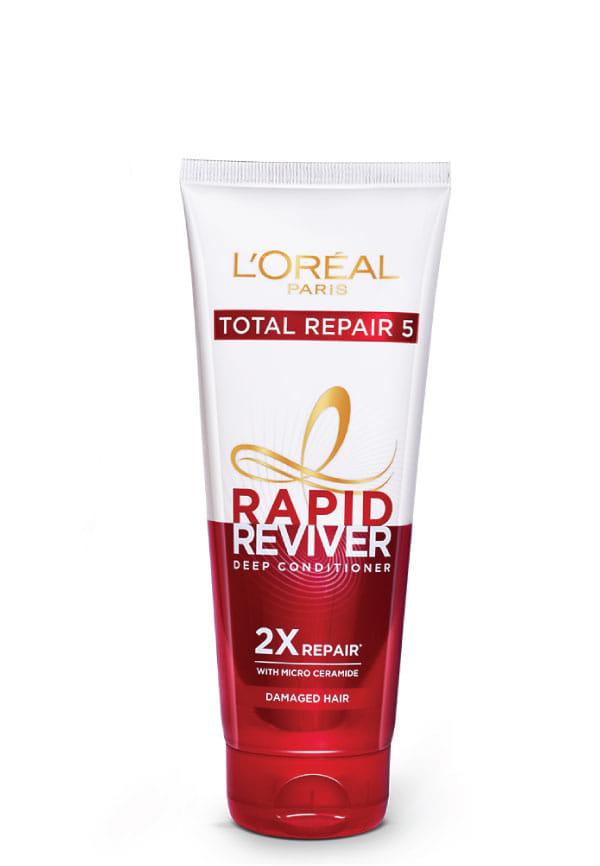
Rapid Reviver Total Repair 5 Deep Conditioner
A nourishing conditioner that you don't rinse out provides continuous protection throughout the day. These lightweight formulas contain heat protectants, UV filters, and moisturising agents that shield your hair from environmental damage. Apply to damp hair before styling, focusing on areas prone to breakage.
This technique involves applying conditioner before shampoo, which can be particularly beneficial for fine, damaged hair. The conditioner creates a protective barrier that prevents shampoo from stripping away too much moisture. Apply conditioner to dry hair, leave for a few minutes, then shampoo gently and follow with a lighter conditioning treatment.
Your hair's natural pH is slightly acidic, around 4.5-5.5. Using conditioners within this range helps seal the cuticle and reduces breakage. pH-balanced formulas work as an effective hair breakage solution because they don't disrupt your hair's natural protective mechanisms. Check product labels for pH information or look for "pH-balanced" claims.
Natural oils like argan, coconut, and jojoba have molecular structures that allow them to penetrate the hair shaft rather than just coating it. A rejuvenating hair conditioner containing these oils can restore elasticity and shine to damaged hair. These ingredients work particularly well for chemically processed or heat-damaged hair that's lost its natural lipid barrier.
Finishing your conditioning routine with cold water helps seal the cuticle and lock in the treatment benefits. The cold temperature causes the cuticle scales to lie flat, creating smoother, shinier hair that's less prone to tangling and breakage. This simple step can significantly improve the effectiveness of any conditioner.
Different types of damage require different solutions, so rotating between protein treatments, deep moisturising masks, and daily strengthening conditioners gives you comprehensive repair. Use protein treatments when your hair feels weak and stretchy, moisture treatments when it feels dry and brittle, and strengthening conditioners for daily maintenance.
Understanding ingredients helps you choose the most effective conditioner for damaged hair. Proteins like keratin and silk proteins rebuild damaged hair structure, while moisturisers like hyaluronic acid and glycerin attract and retain water in your hair shaft. Natural oils provide essential fatty acids that restore flexibility and shine.
Strengthening ingredients such as biotin and panthenol fortify weak hair, whilst repair agents like ceramides and peptides work to rebuild damaged bonds within your hair structure. Look for combinations of these ingredients rather than products that focus on just one benefit—damaged hair needs comprehensive care.
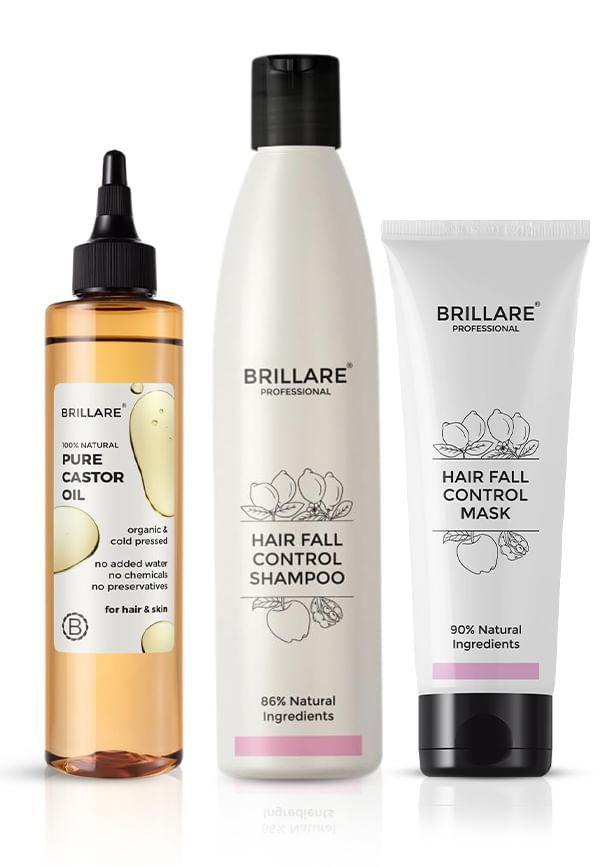
Ultimate Hair Strengthening Trio
Not all hair damage is the same, so your conditioning approach should match your specific situation. Understanding your damage type helps you select the most effective treatments and avoid products that might make things worse.
Chemical treatments like colouring, bleaching, and perming break down your hair's natural bonds and strip away protective oils. Choose sulfate-free conditioners with bond-rebuilding ingredients and colour-protecting agents. These formulas are gentler and help maintain your chemical treatment whilst repairing damage.
Excessive heat styling dehydrates hair and weakens its protein structure. Look for conditioners with thermal protection ingredients and proteins that can rebuild heat-weakened bonds. These formulas often contain silicones that provide a protective barrier against future heat damage.
Sun exposure, pollution, and harsh weather can leave hair dry, dull, and brittle. Antioxidant-rich conditioners with UV protection help repair existing damage whilst preventing future environmental harm. Ingredients like vitamin E and plant extracts neutralise free radicals that cause ongoing damage.
Getting salon-quality results at home is absolutely possible with the right technique. Start with freshly washed, towel-dried hair—this removes buildup that might prevent your deep conditioning treatment from penetrating properly. Apply your treatment generously, focusing on the most damaged areas.
Heat helps ingredients penetrate deeper into your hair shaft. Wrap your treated hair in a warm, damp towel or use the steam from your shower to create a mini-sauna effect. Leave the treatment on for the recommended time—usually 15-30 minutes for deep conditioning treatments. Rinse thoroughly with cool water to seal the cuticle and lock in benefits.
Frequency matters too. Severely damaged hair might benefit from deep conditioning treatments twice weekly initially, then once weekly for maintenance. Pay attention to how your hair responds and adjust accordingly—over-conditioning can make hair feel heavy and limp.
Even the best conditioner for damaged hair won't work if you're making these common mistakes. Over-conditioning is surprisingly easy to do—using too much product or conditioning too frequently can actually weigh your hair down and make it look greasy. Your hair needs a balance of protein and moisture, not just endless conditioning.
Using the wrong type of conditioner for your damage level is another issue. Severely damaged hair needs intensive repair treatments, whilst mildly damaged hair might only need gentle daily conditioning. Applying conditioner to your roots can cause buildup and make your hair look flat, so focus on mid-lengths and ends where damage typically occurs.
Skipping clarifying treatments allows product buildup to prevent your conditioner from working effectively. Use a clarifying shampoo once weekly to remove residue and allow your conditioning treatments to penetrate properly. Finally, expecting overnight results sets you up for disappointment—hair repair takes time and consistency.
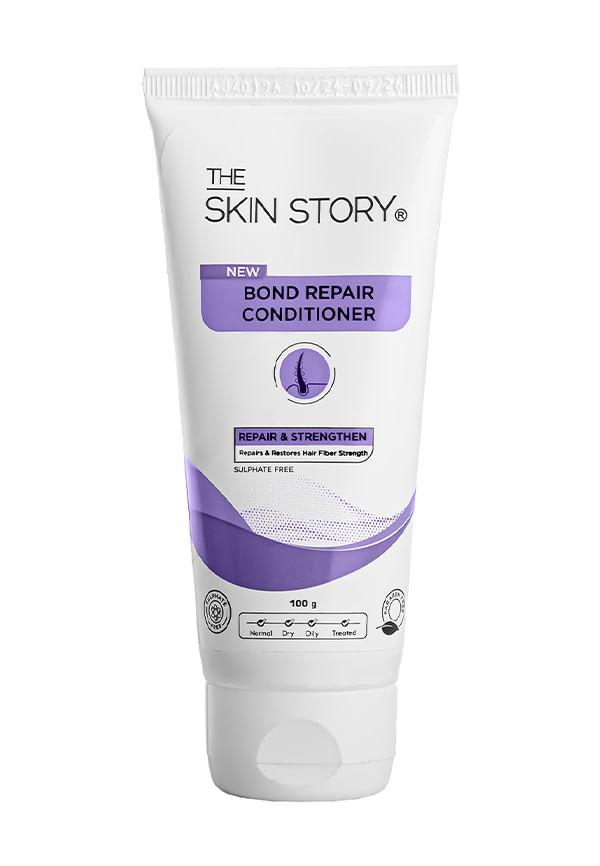
Sulphate Free Bond Repair Conditioner For Damage Repair Hair
Choose a conditioner based on your specific damage type and hair needs. For protein-deficient hair that feels weak and stretchy, use protein-rich formulas with keratin or hydrolyzed proteins. For dry, brittle hair, focus on moisturising conditioners with natural oils and humectants. Severely damaged hair benefits from alternating between protein and moisture treatments rather than using the same product daily.
Yes, the right conditioner can significantly improve damaged hair by smoothing the cuticle, adding moisture, and temporarily filling in gaps in the hair shaft. However, conditioner works best as part of a comprehensive hair care routine that includes gentle cleansing, heat protection, and regular trims. Severely damaged hair may also need professional treatments or cutting to fully restore health.
Look for conditioners containing a combination of proteins, moisturising agents, and natural oils. Key ingredients include keratin, argan oil, ceramides, hyaluronic acid, and panthenol. The best formula for you depends on whether your hair needs more protein or moisture—assess your hair's elasticity and texture to determine which approach will be most effective.
For hair that's both damaged and dry, choose conditioners with intensive moisturising ingredients like shea butter, coconut oil, and glycerin, combined with repairing agents like ceramides and amino acids. Deep conditioning treatments used weekly, paired with daily leave-in conditioners, provide the comprehensive care that severely dry and damaged hair requires.
Start with twice weekly deep conditioning treatments for severely damaged hair, then reduce to once weekly as your hair improves. Monitor how your hair responds—if it starts feeling heavy or greasy, reduce frequency. Mildly damaged hair typically needs deep conditioning once weekly or every other week, depending on the severity of damage and your hair type.
Conditioner can significantly improve the appearance and feel of damaged hair, but it cannot completely reverse structural damage. Split ends, for example, can only be permanently fixed by cutting. However, consistent use of appropriate conditioners can prevent further damage, improve manageability, and restore much of your hair's natural shine and softness.
This depends on what type of damage your hair has experienced. If your hair feels weak, stretchy, or limp when wet, it likely needs protein. If it feels dry, brittle, or rough, it needs moisture. Many people with damaged hair benefit from alternating between protein and moisturising treatments rather than using just one type consistently.
Repairing damaged hair with the right conditioner isn't about finding one miracle product—it's about understanding your hair's specific needs and using targeted treatments consistently. Whether you need protein reconstruction, deep moisture, or daily strengthening, the key is matching your conditioning routine to your damage type and being patient with the process.
Remember that hair repair takes time, and what works for your friend might not work for you. Pay attention to how your hair responds to different treatments and adjust your routine accordingly. With the right approach, even severely damaged hair can regain much of its strength, shine, and manageability.
When you're ready to explore different conditioning options, Smytten's curated selection includes premium haircare brands with various formulations for damaged hair repair. Not sure which format works for your hair? Smytten also offers trial-size versions of many of these products—a good way to test different conditioners before committing to full-size bottles.
