11 Ways to Master Hair Care for Wetness

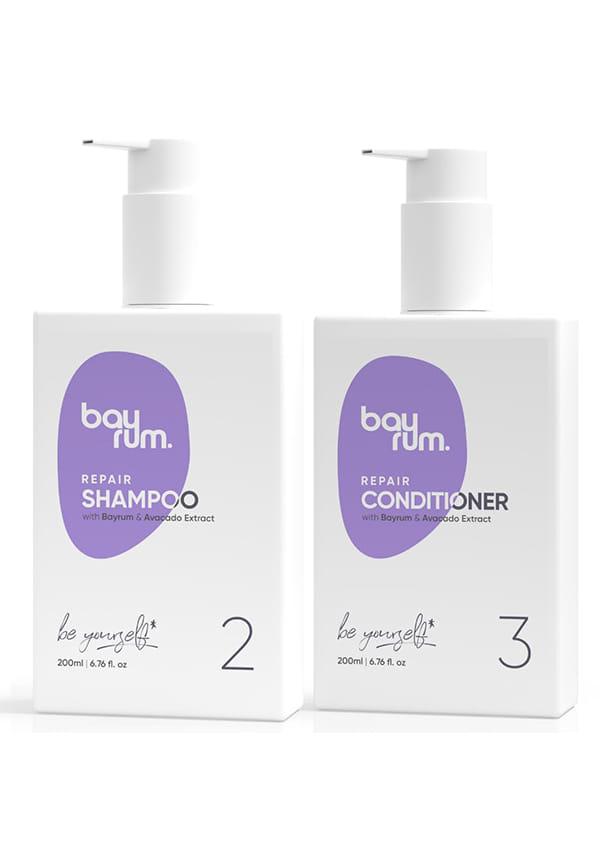
Hair Repair Shampoo & Conditioner Combo For Dry, Frizzy And Curly Hair
You know that moment when you step out of the shower, catch a glimpse of your reflection, and your hair looks like it's been through a monsoon? Or when you're caught in unexpected rain and suddenly your perfectly styled hair transforms into a frizzy disaster? Managing wet hair isn't just about waiting for it to dry—it's about understanding how moisture affects your strands and working with it, not against it. Whether you're dealing with post-shower tangles, humidity-induced chaos, or trying to nail that effortlessly wet look, mastering hair care for wetness is your ticket to healthier, more manageable hair in any condition.
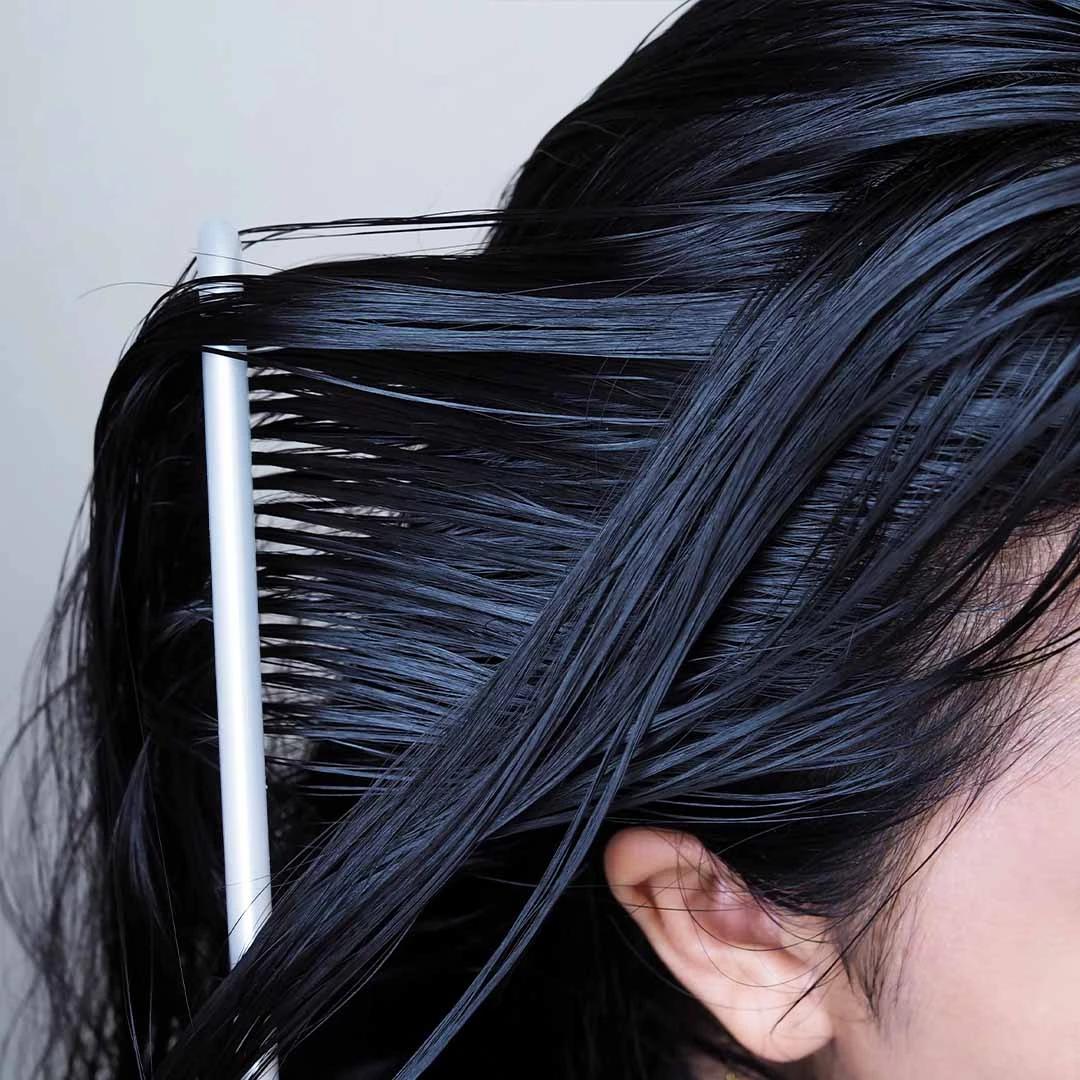
Let's be real—wet hair is basically your hair at its most vulnerable. When water penetrates your hair shaft, it causes the cuticles to swell and lift, making each strand up to 30% more fragile than when dry. This is why that aggressive towel-rubbing routine you've been doing is actually your hair's worst enemy. The lifted cuticles catch on each other, leading to tangles, breakage, and that dreaded frizz that seems to appear out of nowhere.
Think of wet hair like a delicate fabric—you wouldn't wring out a silk blouse, right? Your hair deserves the same gentle treatment. The science behind this vulnerability lies in hydrogen bonds that temporarily break when hair gets wet, making the entire structure more pliable but also more prone to damage. Understanding this fundamental change is the first step in developing proper hair care for wetness that actually works.
Different hair types react differently to moisture too. Fine hair might become limp and lifeless, while thick, coarse hair might turn into an unmanageable puff. Curly hair often becomes more defined when wet but can lose its shape if handled incorrectly. The key is recognising your hair's unique response to moisture and adapting your routine accordingly.
The best defence against wet hair chaos starts before your hair even touches water. Pre-shower preparation might sound extra, but it's actually a game-changer for managing wet hair effectively. Start by gently detangling your dry hair with a wide-tooth comb or detangling brush. This prevents knots from tightening when wet, making your post-shower routine infinitely easier.
For those planning swimming sessions or expecting high humidity, applying a light oil or leave-in conditioner creates a protective barrier. This hair protection from moisture technique works by filling the hair shaft with beneficial ingredients before water can penetrate and cause swelling. Coconut oil, argan oil, or even a silicone-based serum can work wonders here.
Hair care after swimming starts before you even dive in. Wet your hair with clean water first—saturated hair absorbs less chlorinated or salt water. Apply a generous amount of conditioner or a specialised swimming protection product to create a barrier against harsh chemicals and minerals that can strip your hair's natural oils.
Your post-shower hair routine can make or break your hair health, especially when dealing with damp hair regularly. The minutes immediately after washing are crucial for setting the foundation of how your hair will look and feel once dry. Here's where most people go wrong—they treat wet hair like dry hair, using the same techniques and expecting different results.
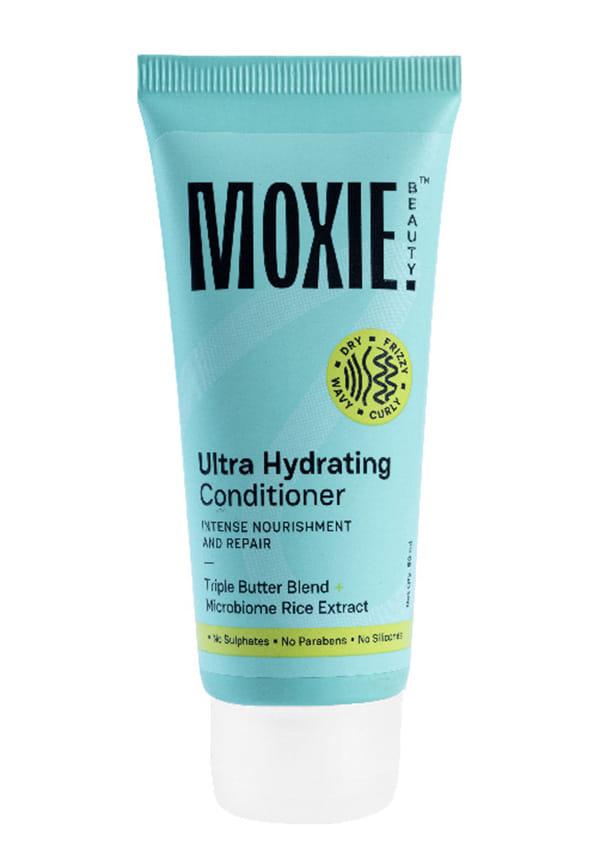
Ultra Hydrating Conditioner for Dry and Frizzy Hair
Ditch the regular towel and invest in a microfiber towel or even a cotton t-shirt for drying wet hair properly. These materials are gentler on lifted cuticles and absorb water without creating friction. Gently press and squeeze sections of hair rather than rubbing. This simple switch can dramatically reduce frizz and breakage.
Apply leave-in treatments to damp hair, not soaking wet hair. The ideal moisture level is when hair feels damp but isn't dripping. This allows products to penetrate effectively without being diluted by excess water. Layer products from lightest to heaviest—leave-in conditioner first, then heat protectant, followed by styling products.
When managing wet hair, always start detangling from the ends and work your way up to the roots. Use a wide-tooth comb or a wet brush specifically designed for damp hair. Section your hair into manageable portions—this prevents you from tugging on large chunks and causing unnecessary stress to vulnerable strands.
How you dry your hair after it's wet significantly impacts its health and appearance. The goal isn't just speed—it's about preserving your hair's integrity while achieving your desired style. Different drying methods work better for different hair types and lifestyles, so finding your perfect match is essential for optimal hair health for wet conditions.
Air drying isn't just about leaving your hair alone—there's strategy involved. For curly hair, try the plopping technique: wrap damp hair in a microfiber towel or cotton t-shirt to encourage curl formation while absorbing excess moisture. For straight hair, gently comb it into place and avoid touching it as it dries to prevent frizz.
When you need to speed up the drying process, use heat tools wisely. Keep your blow dryer on a medium heat setting and maintain at least six inches distance from your hair. Use a heat protectant religiously—it's non-negotiable for preventing damage. A diffuser attachment can help distribute heat more evenly, especially beneficial for textured hair types.
Living in humid climates or dealing with seasonal moisture changes requires specific strategies for hair care for humid climates. Humidity doesn't just affect how your hair looks—it can completely change its behaviour and manageability. The key is working with the environment rather than fighting against it.
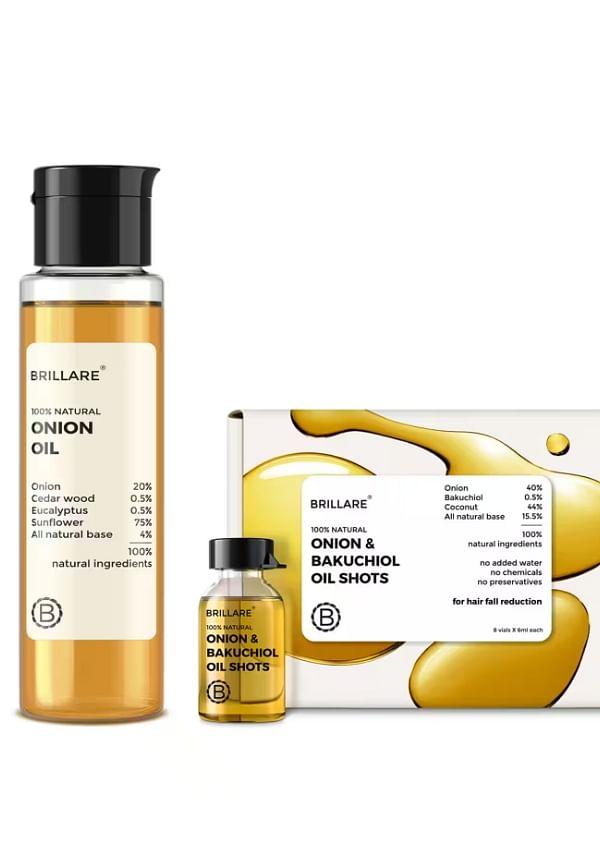
Hair & Scalp Treatment Duo for Dry, Frizzy & Hair Fall-Prone Hair
Preventing frizz in humid weather starts with proper product selection. Look for anti-humidity serums, smoothing creams, or lightweight oils that create a barrier against moisture in the air. These products work by sealing the hair cuticle, preventing external moisture from penetrating and causing frizz.
In humid conditions, embrace styles that work with moisture rather than against it. Braids, buns, and other protective styles can keep hair contained while looking polished. For those who prefer wearing hair down, consider texturising sprays that enhance natural movement rather than fighting it.
Understanding your hair's porosity level is crucial for effective moisture control for hair. Low porosity hair repels water initially but takes longer to dry, while high porosity hair absorbs water quickly but also loses moisture rapidly. This knowledge helps you customise your wet hair care approach for optimal results.
Low porosity hair benefits from lightweight, water-based products that won't weigh it down. High porosity hair needs heavier creams and oils to fill gaps in the cuticle and retain moisture. Medium porosity hair—the sweet spot—can handle a variety of products but still needs gentle handling when wet.
Consider salon treatments like keratin smoothing or deep conditioning masks specifically designed for moisture-prone hair. These treatments can temporarily alter your hair's structure, making it more resistant to humidity and easier to manage in wet conditions.
Even with the best intentions, many people unknowingly damage their hair when it's wet. Brushing soaking wet hair with a regular brush is one of the biggest culprits—it stretches hair beyond its limits and can cause permanent damage. Sleeping with wet hair is another major mistake that can lead to breakage, scalp issues, and morning tangles that are nearly impossible to manage.
Over-shampooing is particularly damaging to wet, processed hair. Chemical treatments like colouring or perming make hair more porous and vulnerable, requiring gentler cleansing and more intensive conditioning. Using products with harsh sulfates on already-vulnerable wet hair strips away natural oils that are essential for protection and moisture retention.
Ignoring your scalp health while focusing solely on hair strands is another common oversight. A damp scalp environment can encourage bacterial growth and exacerbate conditions like dandruff or seborrheic dermatitis. Proper scalp care includes thorough but gentle cleansing and ensuring complete drying, especially around the hairline and nape of the neck.
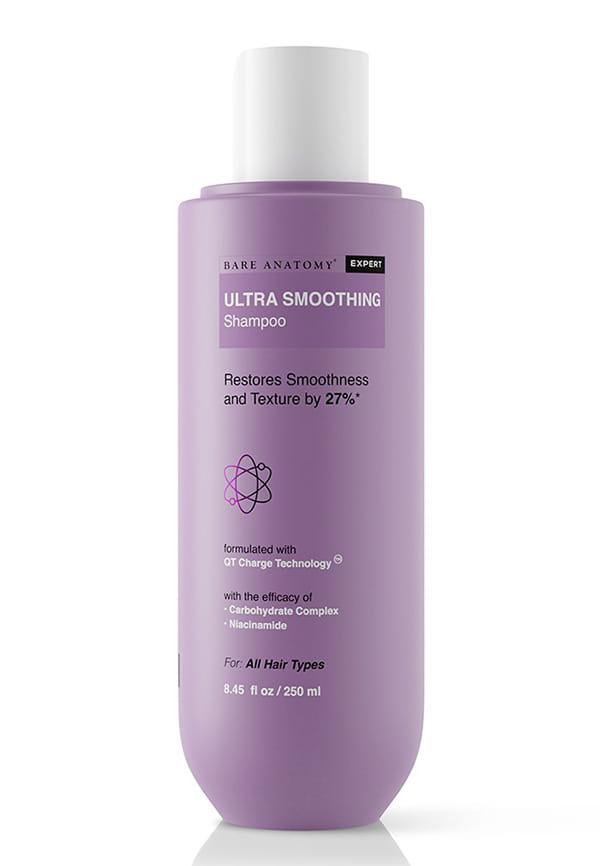
Expert Ultra Smoothing Shampoo To Restore Smoothness
The most effective approach to dealing with damp hair is developing a personalised system based on your hair type, lifestyle, and environmental factors. Fine hair might need volumising products applied to roots while avoiding the lengths, whereas thick hair might benefit from heavier creams distributed throughout. Colour-treated hair requires extra protection and moisture, while natural hair might need different techniques for different textures.
Consider your daily routine too. If you're always rushing in the mornings, invest in quick-drying products and efficient tools. If you have more time, you can focus on air-drying techniques that promote long-term hair health. The goal is creating a sustainable routine that you'll actually follow consistently.
Seasonal adjustments are also important. Your hair's needs change with weather patterns, so what works in dry winter months might not be ideal for humid summer conditions. Having a flexible approach allows you to adapt your routine as needed while maintaining healthy hair year-round.
Hair should be about 80% dry before applying heat styling tools. This usually means waiting 10-15 minutes after towel drying, depending on your hair thickness and length. Styling completely wet hair can cause severe damage and won't hold the style effectively.
Regular conditioner is too heavy for leave-in use and can weigh hair down or cause buildup. Leave-in conditioners are specifically formulated to be lighter and provide ongoing protection without residue. Using regular conditioner as a leave-in can make hair look greasy and attract dirt.
Extended drying times usually indicate low porosity hair, thick hair density, or product buildup preventing moisture evaporation. Try clarifying treatments to remove buildup, and consider lightweight products that won't impede the drying process.
Sleeping with damp hair can cause breakage from friction against pillowcases, create an environment for bacterial growth, and lead to morning tangles. If you must sleep with damp hair, use a silk pillowcase and loosely braid or tie hair to minimise movement.
Mastering hair care for wetness isn't about fighting against moisture—it's about understanding how water affects your hair and working with those changes to maintain healthy, manageable strands. From gentle drying techniques to humidity-fighting strategies, each step in your routine should support your hair's natural structure while protecting it from damage.
The key is consistency and patience. Good wet hair care habits take time to show results, but the payoff is worth it—stronger, shinier hair that looks great in any weather condition. Remember that what works for your friend might not work for you, so don't be afraid to experiment and adjust your routine based on your hair's unique needs.
Whether you're dealing with post-shower tangles, swimming regularly, or living in a humid climate, having the right products and techniques makes all the difference. Not sure which products might work best for your specific hair concerns? Smytten offers trial-size versions of many haircare products from trusted brands—a smart way to test different formulations before committing to full-size bottles.
