11 Ways Biotin Boosts Hair Growth for Fuller Locks

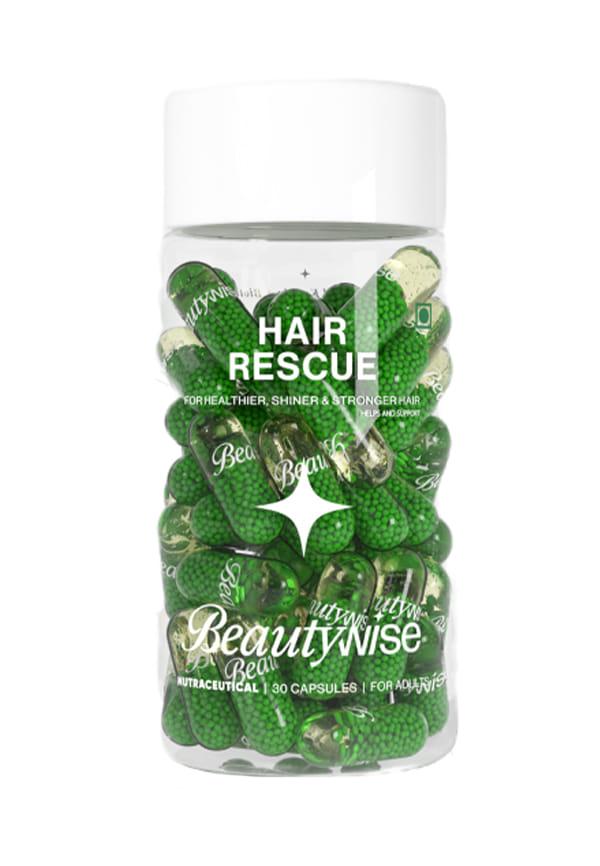
Hair Rescue, Hair Aminos, Vitamins, DHT Blocker for Hairfall Control & Growth
Good product, slow hair growth
 4
4“good product but slow process of growth of hair”
Hair Improvement
5“my hair are improving day by day.”
You know that moment when you're scrolling through before-and-after hair photos, wondering if there's actually something that works? Let's be real — hair thinning hits differently when it's happening to you. Whether it's postpartum shedding, stress-related hair loss, or just genetics doing their thing, biotin keeps coming up in every conversation about hair growth. But here's the thing: not all biotin solutions are created equal, and knowing which ones actually work can save you months of trial and error.
Think of biotin as your hair's personal trainer. This B-vitamin (specifically B7) doesn't just sit around looking pretty — it gets to work strengthening the keratin infrastructure that makes up your hair strands. When your follicles have enough biotin, they can produce stronger, thicker hair that's less likely to break or fall out prematurely.
The biotin for hair growth connection runs deeper than surface-level benefits. Your hair follicles need biotin to properly metabolise amino acids — the building blocks of keratin. Without adequate biotin, your follicles basically go on a slow strike, producing weaker strands that snap easily and grow more slowly.
Here's where it gets interesting: biotin deficiency signs often masquerade as "normal" hair issues. Excessive shedding (more than 100 strands daily), brittle hair that breaks when you brush it, and slower growth rates could all point to insufficient biotin levels. The recommended daily allowance sits at just 30 mcg, but therapeutic doses for hair concerns typically range from 5,000 to 10,000 mcg — that's a massive difference.
When it comes to the best biotin hair supplements, dosage matters more than fancy packaging. Look for tablets containing 5,000 to 10,000 mcg of biotin — these therapeutic doses are what clinical studies actually use to measure hair growth benefits.
Plant-based biotin supplements, particularly those featuring Sesbania Agati extract, offer excellent bioavailability. This means your body can actually use the biotin rather than just flushing it out. Biotin hair vitamins work best when combined with other hair-supporting nutrients like zinc, folic acid, and vitamin D3.
For those who struggle with swallowing tablets, biotin hair gummies have become incredibly popular. The strawberry-flavoured ones with added zinc and folic acid make daily supplementation feel less like a chore. Just check the biotin content — some gummies only contain 1,000 mcg, which might not be enough for significant hair benefits.
Topical biotin works differently than supplements, but it's equally valuable for hair health. Biotin shampoo benefits include direct follicle nourishment and improved scalp circulation. When biotin is applied directly to your scalp, it can penetrate the hair follicles and provide localised support for hair production.
The key with biotin hair treatment shampoos is consistency. Unlike supplements that work from the inside out, topical biotin needs regular application to maintain its benefits. Look for shampoos that combine biotin with other scalp-nourishing ingredients like niacinamide, caffeine, or saw palmetto extract.
Professional biotin shampoos typically contain higher concentrations than drugstore versions, but they also come with a higher price tag. The sweet spot is finding a biotin shampoo that contains at least 0.1% biotin along with gentle cleansing agents that won't strip your scalp's natural oils.
Sometimes the best biotin hair solutions come from your kitchen, not your medicine cabinet. Eggs are biotin powerhouses — specifically the yolks. One large egg yolk contains about 10 mcg of biotin, plus the protein your hair follicles need for keratin production.
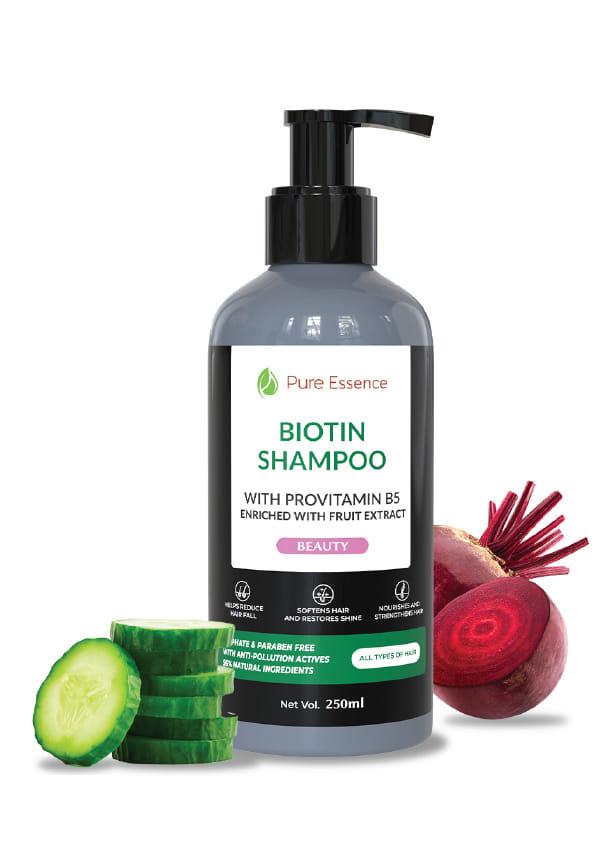
Biotin Shampoo | Softens Hair | Nourishes Scalp | Lowers Hairfall
Positive Product Review
5“Good product, thank you for the support”
Positive Product Experience
5“it's better experience everything in this product is soo nice good worth it ❤️”
Nuts and seeds offer excellent natural hair growth biotin options. Almonds, walnuts, and sunflower seeds are particularly rich sources. The bioavailability of food-based biotin is generally lower than supplements, but it comes with additional nutrients that support overall hair health.
Organ meats like liver contain the highest natural biotin concentrations, but let's be honest — not everyone's keen on adding liver to their weekly meal prep. Sweet potatoes, avocados, and spinach offer more palatable biotin sources that fit easily into most diets.
Hair loss biotin strategies need to be tailored to your specific type of hair loss. For androgenetic alopecia (pattern baldness), biotin works best when combined with DHT-blocking ingredients like saw palmetto or pumpkin seed oil. The biotin supports follicle health while other ingredients address the hormonal component.
Biotin for thinning hair requires patience and realistic expectations. Most people see initial improvements in hair texture and strength within 6-8 weeks, but significant growth changes typically take 3-4 months. This timeline aligns with your hair's natural growth cycle — follicles need time to produce stronger strands.
Age plays a role in biotin effectiveness too. Women in their 20s and 30s often respond faster to biotin supplementation, while those over 40 might need higher doses or combination therapies to see similar results.
Taking biotin isn't just about popping a pill — timing and combinations matter for maximum hair health biotin benefits. Biotin absorbs best on an empty stomach, but this can cause nausea in some people. If you experience stomach upset, take your biotin with a small amount of food.
B-vitamins work synergistically, so biotin paired with B12, folate, and B6 often produces better hair results than biotin alone. Iron deficiency can also limit biotin's effectiveness, so getting your iron levels checked makes sense if you're not seeing expected results.
Some people develop biotin tolerance over time, where their hair improvement plateaus. Cycling biotin — taking it for 3 months, then having a 2-week break — can help maintain its effectiveness long-term.
The most effective biotin hair treatment approaches combine internal and external methods. Using biotin supplements alongside biotin-enriched shampoos and conditioners creates multiple pathways for follicle nourishment.
Scalp massage with biotin-infused oils can enhance topical absorption. Rosemary oil, in particular, has shown hair growth benefits that complement biotin's effects. A weekly scalp treatment combining biotin serum with rosemary oil massage can boost circulation and nutrient delivery to follicles.
Professional treatments like biotin injections or mesotherapy are available for severe hair loss cases, but these should only be considered under dermatological supervision.
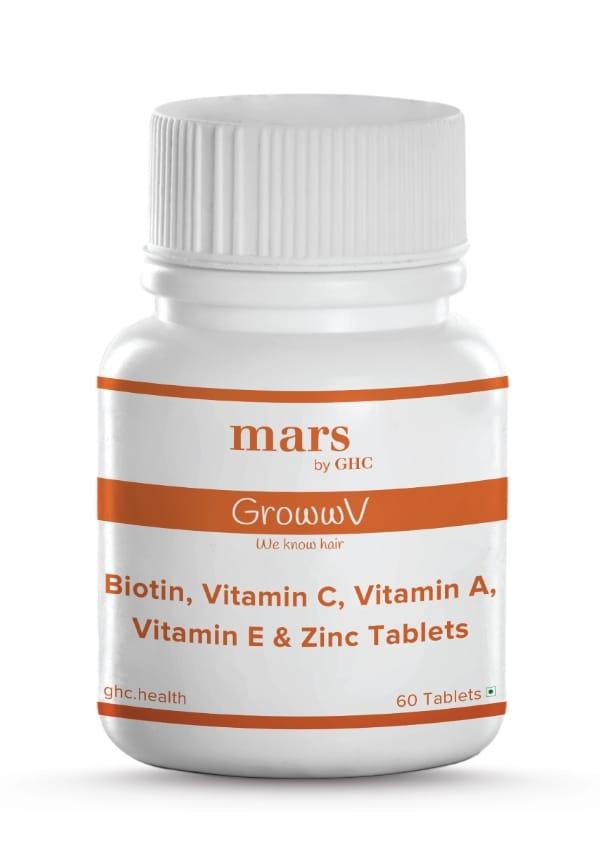
Biotin Natural Supplement to Control Hair Fall
Not all hair issues require the same biotin approach. For general hair health maintenance, 2,500-5,000 mcg daily is usually sufficient. This dose supports normal keratin production without overwhelming your system.
Active hair loss or significant thinning might warrant 7,500-10,000 mcg daily, but this higher dose should be discussed with a healthcare provider. Some people experience skin breakouts at very high biotin doses, particularly if they're not drinking enough water.
Pregnant and breastfeeding women often need additional biotin for both their hair health and their baby's development, but the exact amount should be determined by their doctor rather than self-prescribed.
Hormonal fluctuations — whether from PCOS, thyroid issues, or menopause — can significantly impact how well biotin works for hair growth. During hormonal imbalances, hair follicles become more sensitive to DHT and other androgens, making biotin's protective effects even more valuable.
Women with PCOS often see excellent results combining biotin with spearmint tea or inositol supplements, which help balance androgen levels. The biotin supports follicle health while the other ingredients address the hormonal root cause.
Postmenopausal hair thinning responds well to biotin, but it often needs to be paired with collagen supplements and adequate protein intake to compensate for declining oestrogen levels.
Not all biotin supplements deliver what they promise. Look for third-party tested products that verify both purity and potency. USP or NSF certification indicates the supplement contains what the label claims without harmful contaminants.
Biotin stability can be affected by heat and light, so choose supplements in dark, sealed containers rather than clear bottles. Expiration dates matter more with biotin than some other supplements — expired biotin loses potency quickly.
Indian brands like HealthKart, Carbamide Forte, and Nutrafirst offer quality biotin supplements at reasonable prices. International brands like Nature's Bounty and Solgar are also available through various platforms, though they typically cost more.
Tracking your hair's response to biotin helps optimise your routine. Take progress photos in consistent lighting every 4 weeks — hair changes are often subtle and hard to notice day-to-day. Measure your ponytail circumference monthly as an objective growth indicator.
Keep a simple log of daily shedding. Count the hairs in your brush or on your pillow for a week before starting biotin, then repeat monthly. Reduced shedding often appears before increased growth, so this early indicator can keep you motivated.
If you're not seeing improvements after 12 weeks of consistent biotin use, consider getting blood tests for iron, vitamin D, and thyroid function. Deficiencies in these areas can limit biotin's effectiveness regardless of dosage.
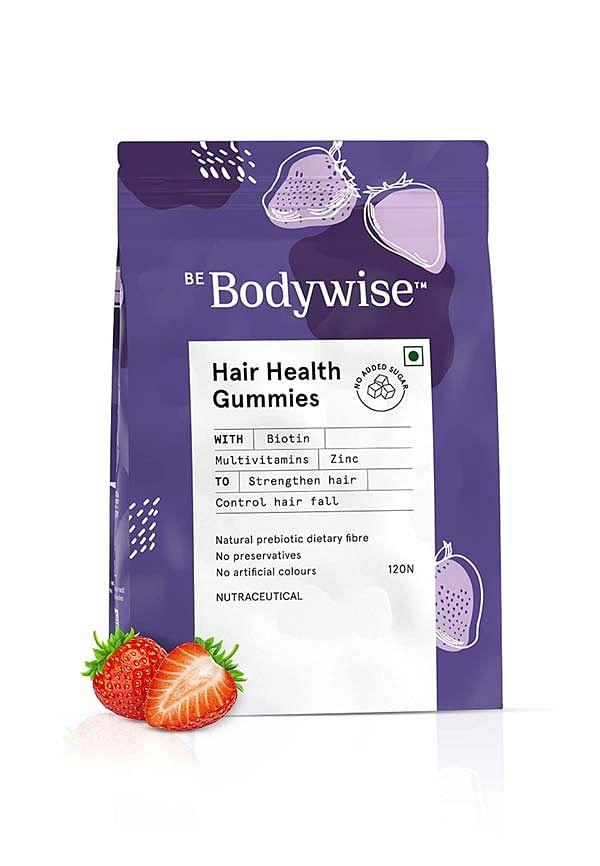
Biotin Hair Gummies
Long-term biotin users sometimes experience diminishing returns as their bodies adapt to consistent supplementation. Biotin cycling — alternating periods of supplementation with breaks — can help maintain sensitivity and effectiveness.
A typical cycling protocol involves 12 weeks of biotin supplementation followed by a 2-week break. During the break period, focus on biotin-rich foods and topical treatments to maintain some level of support without overwhelming your system.
Some people find that gradually increasing their biotin dose over time works better than starting with high amounts. Begin with 2,500 mcg for 4 weeks, then increase to 5,000 mcg, and finally to 7,500-10,000 mcg if needed.
The best biotin hair supplements focus on potency and purity rather than brand prestige. Look for products containing 5,000-10,000 mcg of biotin with third-party testing verification. Indian brands like HealthKart and Carbamide Forte offer excellent value, while international options like Nature's Bounty provide premium formulations. The key is choosing a brand that provides consistent dosing and doesn't include unnecessary fillers or artificial colours.
Clinical studies support biotin's role in hair health, particularly for people with biotin deficiency or suboptimal levels. A 2017 study showed significant hair growth improvements in women taking 10,000 mcg of biotin daily for 6 months. However, biotin isn't a miracle cure — it works best for people with underlying biotin insufficiency or those experiencing stress-related hair loss. Results typically appear after 3-4 months of consistent use.
High-dose biotin supplementation can interfere with certain laboratory tests, including hormone panels and cardiac markers. If you're taking more than 5,000 mcg of biotin daily, inform your doctor before any blood work and consider stopping supplementation 72 hours before testing. This interference doesn't affect your actual hormone levels — just the test results — but it can lead to misdiagnosis if not disclosed.
Combining topical and oral biotin is generally safe and often more effective than using either method alone. Biotin shampoo benefits work locally on the scalp, while supplements provide systemic support. There's minimal risk of biotin overdose from this combination since excess biotin is water-soluble and eliminated through urine. Just monitor for any skin reactions when starting new topical products.
The best biotin hair approach combines multiple strategies rather than relying on a single solution. Start with a high-quality supplement containing 5,000-7,500 mcg of biotin, add a biotin-enriched shampoo to your routine, and support your efforts with biotin-rich foods. Remember that hair growth takes time — give any biotin regimen at least 12 weeks before evaluating its effectiveness.
Individual responses to biotin vary significantly based on your baseline levels, overall health, and the specific cause of your hair concerns. What works brilliantly for your friend might need adjustments for your hair type and lifestyle. The key is starting with evidence-based dosages and making gradual adjustments based on your results.
Not sure which biotin format works best for your hair goals? Smytten offers trial-size versions of many biotin supplements and hair treatments — a smart way to test different approaches before committing to full-size products. With over 2,400 trusted brands available, you can explore various biotin solutions and find your perfect match through their curated trial packs.
