11 Top Rated Dry Scalp Solutions for Itchy Relief

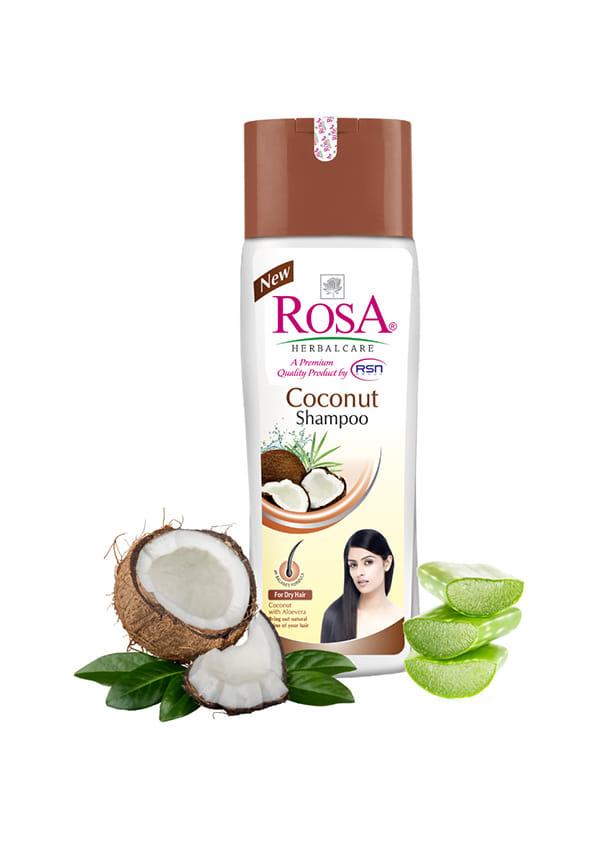
Coconut Shampoo With Coconut and Aloe Vera l Natural & Herbal ingredients
You know that moment when your scalp feels like it's been through a desert storm? The constant itching, those embarrassing white flakes on your shoulders, and the tight, uncomfortable feeling that no amount of scratching seems to fix. If you're nodding along, you're definitely not alone. Dry scalp affects millions of people, and finding the right solution can feel like searching for a needle in a haystack. The good news? We've done the heavy lifting and rounded up the top rated dry scalp treatments that actually deliver results. From gentle shampoos to nourishing treatments, these solutions tackle everything from mild dryness to seriously flaky situations.
Let's be real – most of us have confused dry scalp with dandruff at some point. They both involve flakes and itching, but treating them the same way is like using moisturiser for acne. The approach needs to be completely different. Dry scalp happens when your skin lacks moisture and natural oils. Think of it as your scalp's way of crying out for hydration. The flakes you see are small, white, and dry – basically dead skin cells that have nowhere else to go. Your scalp might feel tight, especially after washing, and the itching tends to be more of a persistent annoyance than an intense urge. Dandruff, on the other hand, is caused by an overgrowth of yeast called Malassezia. This creates larger, yellowish, oily flakes that stick to your hair and scalp. The itching is usually more intense, and you might notice some redness or irritation too. Why does this matter for treatment? Dandruff needs antifungal ingredients like zinc pyrithione or ketoconazole, while dry scalp craves moisture and gentle care. Using a harsh anti-dandruff shampoo on an already dry scalp is like pouring petrol on a fire – it'll make things worse, not better.
Before diving into solutions, it helps to understand why your scalp decided to go on a moisture strike in the first place. Environmental factors play a huge role – think harsh winters, air conditioning that runs 24/7, or spending too much time in heated indoor spaces. Your scalp's natural oil production slows down when it's constantly battling these conditions. Product-related causes are surprisingly common too. Over-washing strips away natural oils faster than your scalp can replace them. Those sulfate-heavy shampoos that create mountains of foam? They're often too harsh for sensitive scalps. Even some styling products can create a barrier that prevents your scalp from breathing properly. Medical conditions like eczema, psoriasis, or seborrheic dermatitis can also trigger scalp dryness. If you've tried multiple treatments without success, it might be worth chatting with a dermatologist to rule out underlying issues. Hormonal changes during pregnancy, menopause, or even stress can affect your scalp's oil production. Age plays a role too – as we get older, our skin naturally produces less oil, and that includes the scalp.
Finding the best shampoo for dry scalp feels like a quest, but these top-rated options have earned their stripes through real results and happy users.
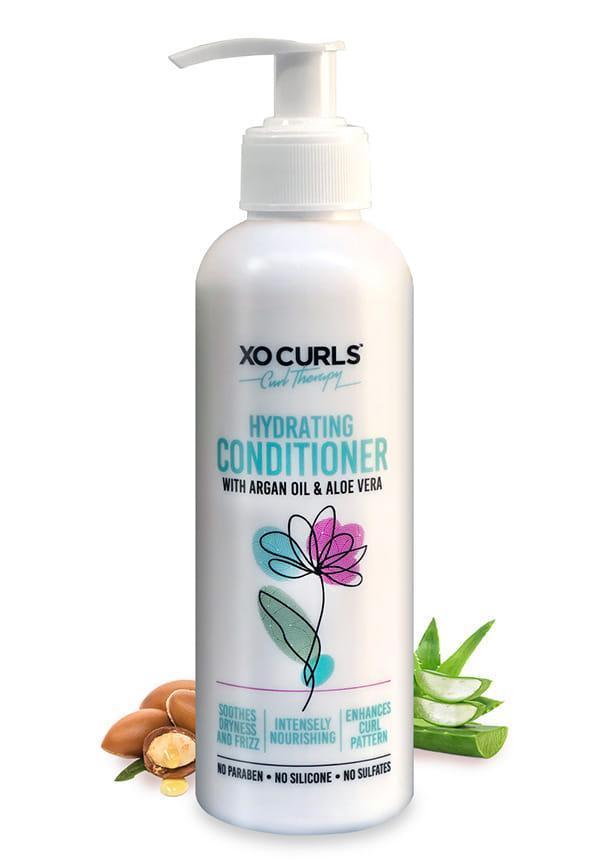
Hydrating Conditioner With Argan Oil And Aloe Vera For Easy Detangling And Soft Hair
Cetaphil PRO Gentle Daily Cleanser stands out for its soap-free formula that cleanses without stripping. It's formulated with ceramides and niacinamide – ingredients that actually help repair your scalp's moisture barrier while you wash. Neutrogena T/Gel Therapeutic Shampoo offers a unique approach with coal tar, which helps slow down skin cell turnover. It's particularly effective for those dealing with both dryness and mild scalp irritation.
Head & Shoulders Dry Scalp Care combines zinc pyrithione with moisturising ingredients, making it perfect for those unsure whether they're dealing with dryness or mild dandruff. It's gentle enough for daily use and won't break the bank. Dove DermaCare Scalp Dryness & Itch Relief Shampoo features pyrithione zinc and coconut oil. The formula is specifically designed to soothe irritation while adding moisture back to your scalp. When shopping for dry scalp shampoos, look for ingredients like glycerin, hyaluronic acid, and ceramides. These are moisture magnets that help your scalp hold onto hydration. Avoid sulfates, drying alcohols, and heavy fragrances that can irritate already sensitive skin.
Shampoo alone won't solve severe dryness – you need targeted moisturising scalp treatments to really turn things around. Think of these as your scalp's equivalent of a rich face cream. Leave-in scalp serums are game-changers for persistent dryness. Look for lightweight formulas with hyaluronic acid or glycerin that won't weigh your hair down. Apply them to damp scalp after washing, focusing on the driest areas. Weekly deep conditioning masks designed specifically for scalps can provide intensive moisture. These usually contain ingredients like shea butter, argan oil, or ceramides. Apply them before shampooing, leave for 10-15 minutes, then rinse thoroughly. Scalp massage isn't just relaxing – it actually boosts circulation and helps distribute natural oils. Use your fingertips (not nails) to gently massage in circular motions for 5-10 minutes. You can do this dry or with a few drops of jojoba oil for extra nourishment. Professional salon treatments like scalp facials are becoming more popular for good reason. These typically involve deep cleansing, exfoliation, and intensive moisturising treatments that you can't replicate at home.
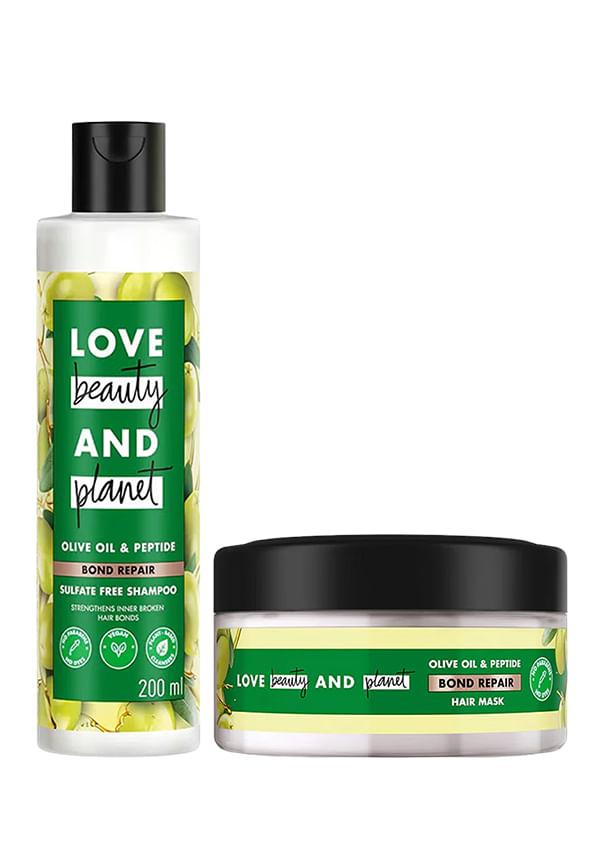
Olive Oil & Peptide Bond Repair Shampoo & Hair Mask
Sometimes the best dry itchy scalp remedies are sitting right in your kitchen cupboard. These natural options have actual research backing their effectiveness. Coconut oil is probably the most well-known natural remedy, and for good reason. Its molecular structure allows it to penetrate hair and scalp better than most other oils. Warm 2-3 tablespoons gently, massage into your scalp, and leave for at least 30 minutes before washing out. Aloe vera gel provides instant cooling relief for itchy, irritated scalps. Use pure aloe vera gel (not the green stuff with added ingredients) and apply directly to your scalp. Leave for 20 minutes before rinsing with cool water. Tea tree oil has antimicrobial properties that can help if your dry scalp has any underlying irritation. Always dilute it – mix 5-10 drops with a carrier oil like jojoba or coconut oil. Never apply tea tree oil directly to your scalp as it can cause burns. Oatmeal isn't just for breakfast – it's incredibly soothing for dry, itchy skin. Blend 1/2 cup of oats into a fine powder, mix with enough water to form a paste, and apply to your scalp for 15-20 minutes. Apple cider vinegar rinses can help restore your scalp's natural pH balance. Mix 2 tablespoons with 1 cup of water and use as a final rinse after shampooing. The smell disappears once your hair dries.
When you're dealing with visible flakes, you need flaky scalp solutions that address both the symptoms and the underlying dryness. Gentle exfoliation is key – you want to remove the buildup without irritating your already sensitive scalp. Scalp scrubs can be incredibly effective when used correctly. Look for ones with fine, round particles rather than harsh, jagged ones. Sugar-based scrubs are gentler than salt-based ones. Use them once a week maximum, and always follow with a moisturising treatment. Silicone scalp brushes are gentler than your fingernails and more effective at loosening flakes. Use them during shampooing with gentle, circular motions. They also help distribute shampoo evenly and boost circulation. Chemical exfoliation with ingredients like salicylic acid can be more effective than physical scrubs for some people. These ingredients help dissolve the bonds holding dead skin cells together, making them easier to wash away. Post-treatment care is crucial – always follow exfoliation with a moisturising treatment to prevent your scalp from becoming even drier. Think of it as the scalp equivalent of using moisturiser after exfoliating your face.
Sometimes DIY treatments and over-the-counter products aren't enough, and that's completely normal. Knowing when to seek professional help can save you months of frustration and potentially prevent more serious issues. Warning signs that warrant a dermatologist visit include persistent itching that interferes with sleep, thick, crusty patches that don't respond to treatment, or any signs of infection like pus, excessive redness, or swelling. If you've tried multiple treatments for 6-8 weeks without improvement, it's time to get professional input. Prescription treatments can be much more powerful than anything available over-the-counter. Topical steroids can quickly calm severe inflammation, while prescription antifungal treatments can address underlying yeast issues that might be contributing to your scalp problems. In-office procedures like professional scalp treatments or light therapy are becoming more common. These can provide faster results than at-home treatments, especially for stubborn cases. Cost-wise, seeing a dermatologist might seem expensive upfront, but it can actually save money in the long run by preventing you from buying countless products that don't work. Many insurance plans cover dermatology visits for medical conditions like severe dry scalp.
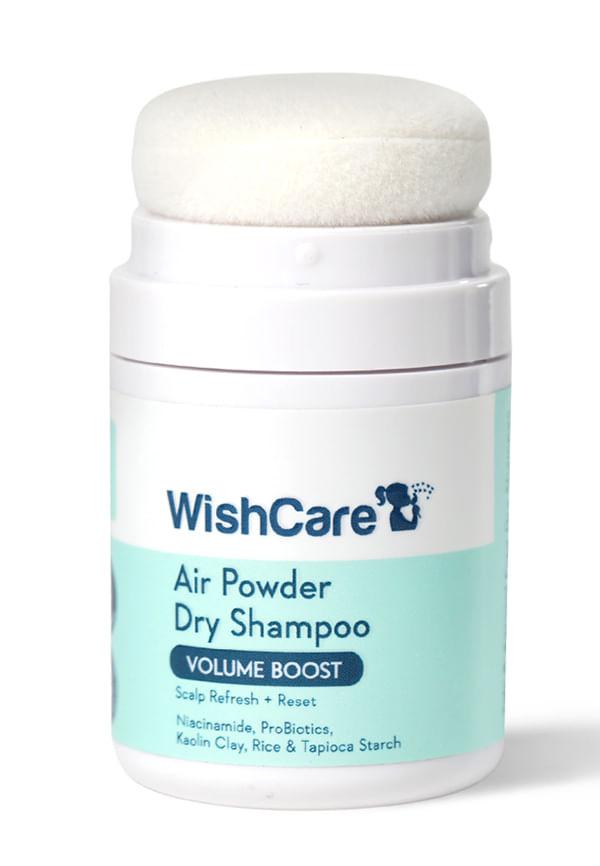
Air Powder Dry Shampoo for Oily Hair & Scalp
For extremely dry scalp, you need a multi-step approach combining gentle cleansing, intensive moisturising, and sometimes professional treatment. Start with a sulfate-free, moisturising shampoo used every other day rather than daily. Follow with a leave-in scalp serum containing hyaluronic acid or ceramides. Weekly deep conditioning treatments and gentle scalp massage can provide additional relief. If these steps don't improve your condition within 6-8 weeks, consider seeing a dermatologist for prescription treatments.
The ideal routine involves washing every 2-3 days with a gentle, moisturising shampoo, followed by a hydrating conditioner applied from mid-length to ends (avoiding the scalp). Use a leave-in scalp treatment 2-3 times per week, and incorporate a weekly deep conditioning mask. Daily scalp massage for 5 minutes helps distribute natural oils and boost circulation. Avoid heat styling when possible, and always use a heat protectant when you do style your hair.
The most effective treatments combine cleansing with moisturising. Scalp serums with hyaluronic acid or glycerin provide daily hydration, while weekly oil treatments with coconut, jojoba, or argan oil offer deeper nourishment. For severe cases, professional scalp treatments at salons can provide intensive care that's difficult to replicate at home. The key is consistency – sporadic treatments won't provide lasting relief.
While individual results vary, consistently top-rated options include Cetaphil PRO Gentle Daily Cleanser for its ceramide-rich formula, Dove DermaCare Scalp Dryness & Itch Relief for its combination of cleansing and moisturising ingredients, and Neutrogena T/Gel for those dealing with both dryness and irritation. The best choice depends on your specific scalp condition and hair type.
Dealing with dry scalp doesn't have to be a never-ending battle. The key is understanding your specific type of scalp dryness and choosing treatments that address the root cause, not just the symptoms. Whether you opt for gentle drugstore shampoos, natural home remedies, or professional treatments, consistency is crucial for seeing real results. Remember that what works for your friend might not work for you – scalp health is surprisingly individual. Start with gentle, moisturising products and gradually introduce more intensive treatments if needed. Most importantly, be patient. It typically takes 4-6 weeks of consistent care to see significant improvement in scalp dryness. If you're curious about trying different scalp treatments without committing to full-size products, Smytten offers trial-size versions of many top-rated scalp care products. It's a smart way to test what works for your specific scalp needs before investing in full bottles, especially when you're dealing with sensitive, dry scalp that might react unpredictably to new products.
