11 Scalp Treatment Options for Healthier Hair

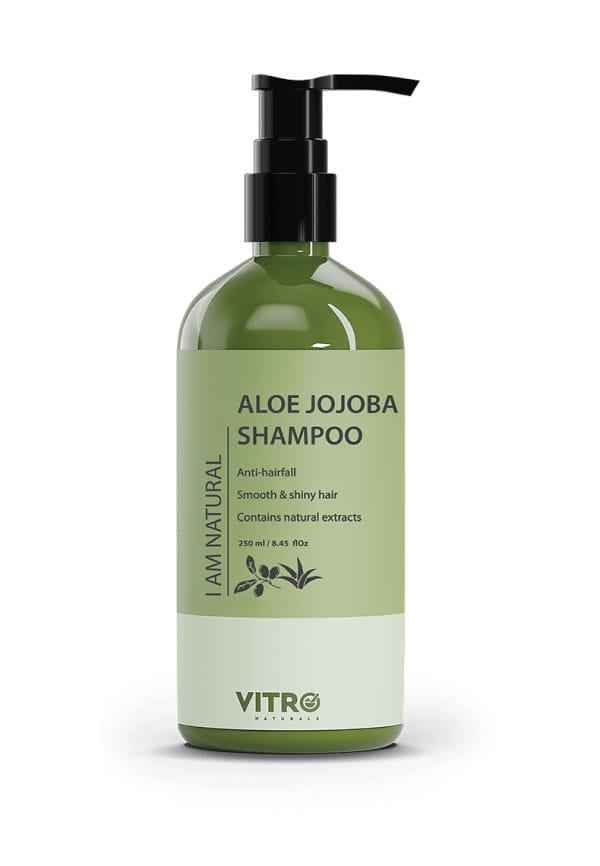
Aloe Jojoba Shampoo For For Hair Growth
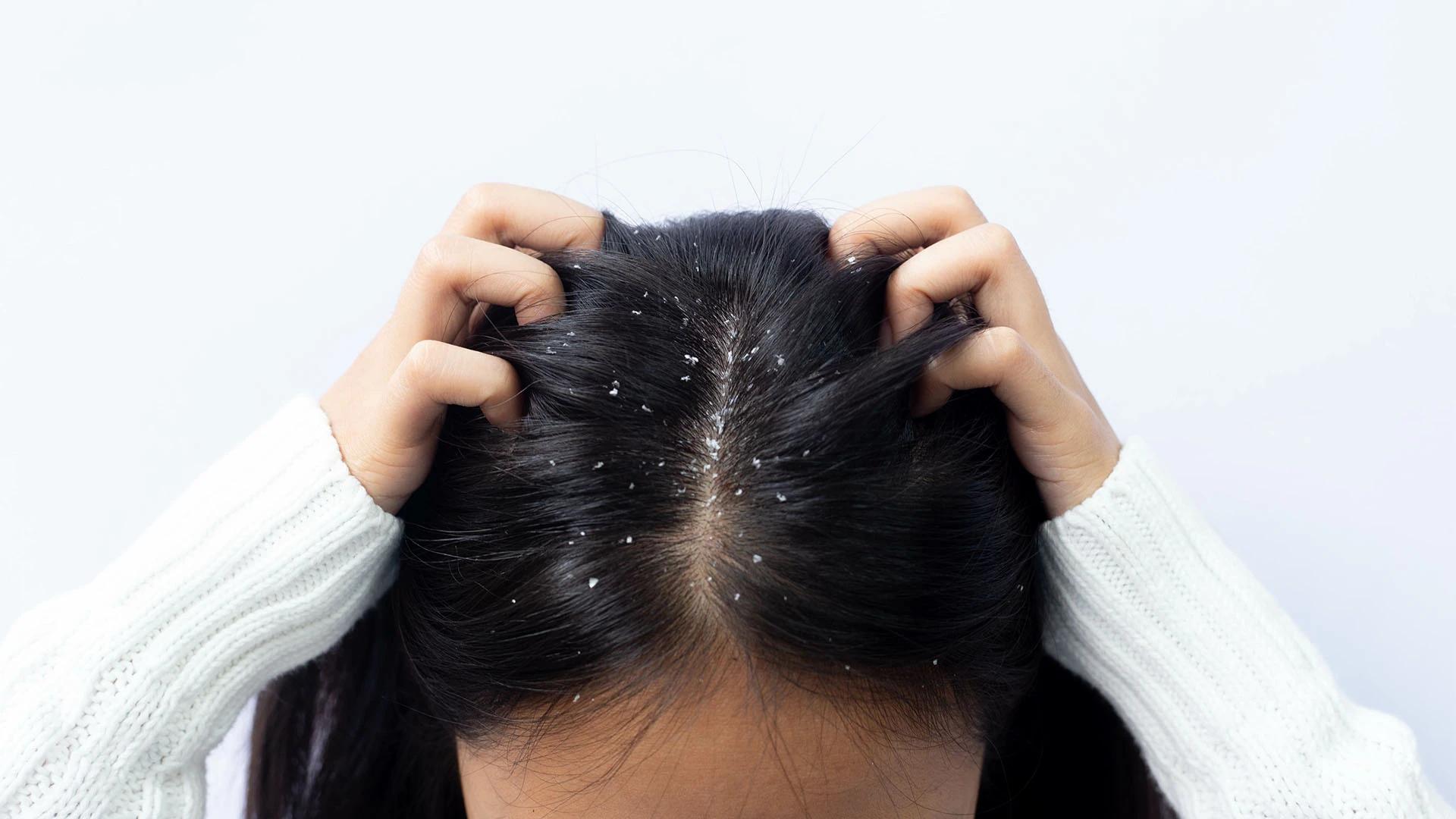
Ever had one of those days where your scalp feels like it's staging a rebellion? Maybe it's itchy, flaky, or so oily you could practically fry an egg on it. We've all been there, staring at our reflection wondering why our scalp seems to have its own agenda. The thing is, your scalp is basically the foundation for everything happening up top, and when it's not happy, your hair definitely isn't either. Finding the right scalp treatment options can feel overwhelming with so many products and methods out there, but once you crack the code for your specific needs, it's honestly game-changing.
Before diving into any scalp care solutions, you need to figure out what you're actually working with. Think of it like skincare for your face – you wouldn't use the same products for oily skin as you would for dry, right? Your scalp works exactly the same way, and getting this bit wrong is probably why half your previous attempts didn't work out.
Let's break down the main scalp personalities you might be dealing with. An oily scalp is pretty obvious – your hair looks greasy by day two (or honestly, sometimes by the end of day one), and you might notice your roots feeling heavy or looking flat. On the flip side, a dry scalp often comes with that tight, uncomfortable feeling, visible flakes that aren't quite dandruff, and sometimes even irritation or redness.
A balanced scalp is the sweet spot most of us are aiming for – normal oil production, minimal issues, and hair that behaves reasonably well between washes. Then there's the mixed scalp situation, which is probably more common than you'd think, where you've got oily areas (usually around the hairline and crown) and drier patches elsewhere.
The easiest way to figure out your scalp type is the day-after test. Wash your hair as usual, then check how it looks and feels 24 hours later. If it's already looking greasy or feeling heavy, you're likely dealing with an oily scalp. If it feels tight, looks dull, or you're seeing flakes, dry scalp is probably your situation.
Dry, itchy scalp is honestly one of the most frustrating things to deal with because it's so uncomfortable. The good news is that dry itchy scalp remedies have come a long way, and there are loads of effective options that actually work without making things worse.
Scalp masks are basically face masks for your head, and they're brilliant for giving your scalp that deep drink of moisture it's been craving. Aloe vera-based treatments are particularly good because aloe is naturally soothing and anti-inflammatory. You can find ready-made masks or even use pure aloe vera gel – just massage it into your scalp, leave it for 15-20 minutes, then rinse thoroughly.
Coconut oil is another winner for dry scalp situations. It's got natural antimicrobial properties and penetrates really well. The trick is to warm it slightly (not hot, just body temperature), massage it in, and leave it for at least 30 minutes before washing out.
This might sound counterintuitive, but gentle scalp exfoliation can actually help dry scalp by removing dead skin cells that might be blocking your hair follicles. Sugar scrubs work well for sensitive scalp care – mix brown sugar with a bit of olive oil and gently massage in circular motions before shampooing.
Chemical exfoliants like salicylic acid are gentler than physical scrubs and can be really effective. Look for scalp treatments with low concentrations (around 0.5-2%) and use them once a week maximum to start.
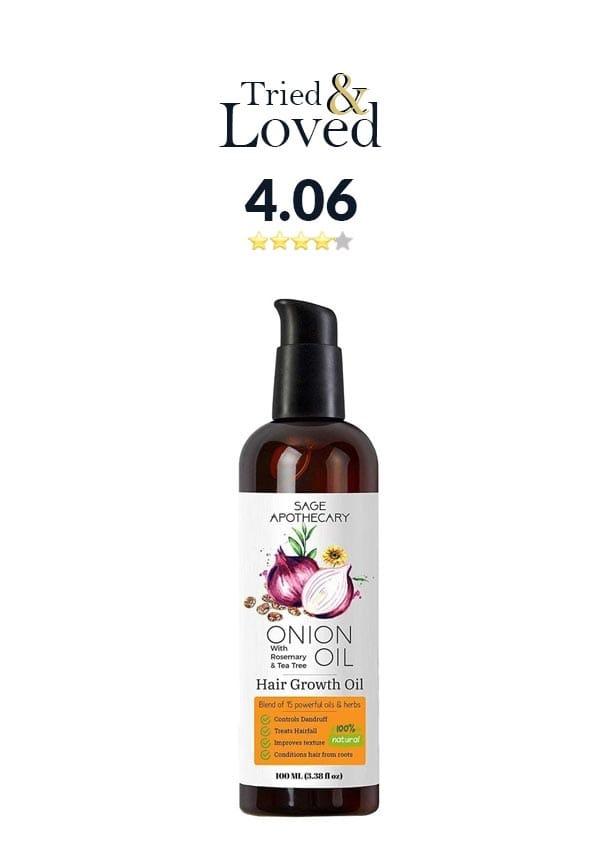
Anti Dandruff & Hair Fall Treatment Onion Hair Growth Oil
Scalp serums are like the skincare serums of the hair world – lightweight, targeted, and designed to address specific concerns. For dry scalp, look for ingredients like hyaluronic acid, vitamin E, or ceramides. Jojoba oil is particularly good because it's technically a wax ester, so it mimics your scalp's natural sebum really well.
If you're dealing with an oily scalp, the temptation is often to strip everything away with harsh products, but that usually backfires spectacularly. Your scalp just produces more oil to compensate, and you end up in this vicious cycle. The best oily scalp treatment approaches focus on balance rather than elimination.
Clarifying shampoos are your friend here, but you don't want to use them every day. Think of them as your weekly reset button. Tea tree oil-based formulations are particularly effective because tea tree has natural antimicrobial properties and helps regulate oil production without being too harsh.
The sulfate versus sulfate-free debate is real, but for oily scalps, a gentle sulfate shampoo used 2-3 times a week often works better than daily washing with a mild formula. It's about finding that sweet spot where you're removing excess oil without triggering overproduction.
Regular scalp exfoliation is brilliant for oily scalps because it helps prevent buildup that can clog follicles and make oiliness worse. BHA treatments (beta hydroxy acids like salicylic acid) are particularly good because they're oil-soluble, so they can get into your pores and clear out excess sebum.
Physical exfoliants can work too, but be gentle – you're not trying to scrub your scalp raw. A weekly treatment with a gentle scrub or a scalp brush during shampooing can make a real difference.
Clay-based masks are excellent for absorbing excess oil without completely stripping your scalp. Bentonite or kaolin clay mixed with a bit of water or apple cider vinegar makes an effective weekly treatment. Witch hazel toners can also help balance oil production – just apply with a cotton pad to your scalp after washing.
Real talk – dandruff is often caused by a fungus called Malassezia, which feeds on the oils on your scalp. This is why dandruff scalp treatment usually involves anti-fungal ingredients, and why regular moisturising treatments might not cut it on their own.
Zinc pyrithione is probably the most common anti-dandruff ingredient you'll see, and it's genuinely effective for most people. It's antifungal and antibacterial, and you'll find it in loads of over-the-counter shampoos. Ketoconazole is stronger and usually requires a prescription, but it's brilliant for stubborn dandruff cases.
Selenium sulfide is another option that works by slowing down the turnover of skin cells on your scalp. It can be a bit drying, so you might need to alternate with a moisturising shampoo.
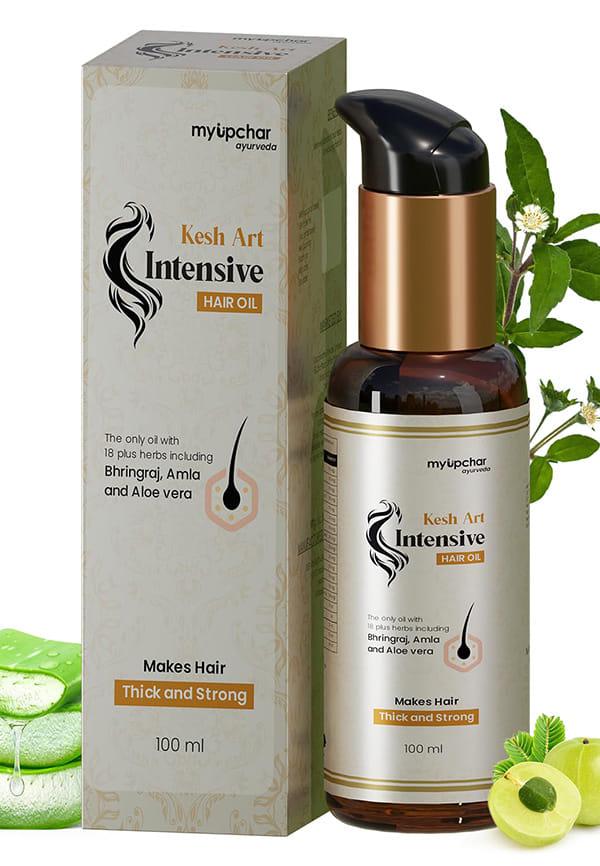
Ayurveda Kesh Art Bhringraj Hair Oil for Hair Growth | Control Hair Fall & Dandruff
If you prefer natural scalp treatments, apple cider vinegar rinses can be surprisingly effective. The acidity helps restore your scalp's natural pH balance and has mild antifungal properties. Mix one part ACV with two parts water and use as a final rinse after shampooing.
Tea tree oil is another natural option, but always dilute it – pure tea tree oil can be really irritating. A few drops in your regular shampoo or mixed with a carrier oil can help control the fungus that causes dandruff.
The key with dandruff is consistency rather than intensity. Most people see results within 2-4 weeks of regular treatment, but you'll probably need to maintain some kind of routine long-term. Alternating between medicated and regular shampoos often works well – use the medicated one 2-3 times a week and a gentle, moisturising formula on other days.
Hair loss scalp treatment is a bit more complex because there are so many different causes – genetics, hormones, stress, nutritional deficiencies, or scalp conditions. The good news is that improving your overall scalp health often helps with hair growth regardless of the underlying cause.
Minoxidil is probably the most well-known hair growth treatment, and it works by increasing blood flow to hair follicles. It's available over-the-counter in 2% and 5% concentrations, but you need to be consistent – results typically take 3-6 months to show up.
Caffeine-based scalp treatments are becoming really popular because caffeine can stimulate hair follicles and improve circulation. They're generally gentler than minoxidil and can be used alongside other treatments.
Regular scalp massage is one of the simplest and most effective things you can do for hair growth. It increases blood flow to your follicles, which means more nutrients and oxygen reaching your hair roots. Just 5 minutes of gentle massage with your fingertips (not nails) can make a difference.
Scalp massage tools like silicone brushes or jade rollers can be helpful, but your fingers work just fine. The key is consistency – daily massage is better than occasional longer sessions.
Your scalp needs proper nutrition to function well, and deficiencies in iron, vitamin D, or B vitamins can definitely affect hair growth. While supplements can help if you have deficiencies, getting nutrients from food is usually more effective.
Omega-3 fatty acids, found in fish, walnuts, and flaxseeds, are particularly good for scalp health because they help reduce inflammation and support healthy oil production.
Knowing when to DIY and when to call in the professionals can save you loads of time, money, and frustration. Some scalp issues really do need expert attention, while others respond brilliantly to simple home treatments.
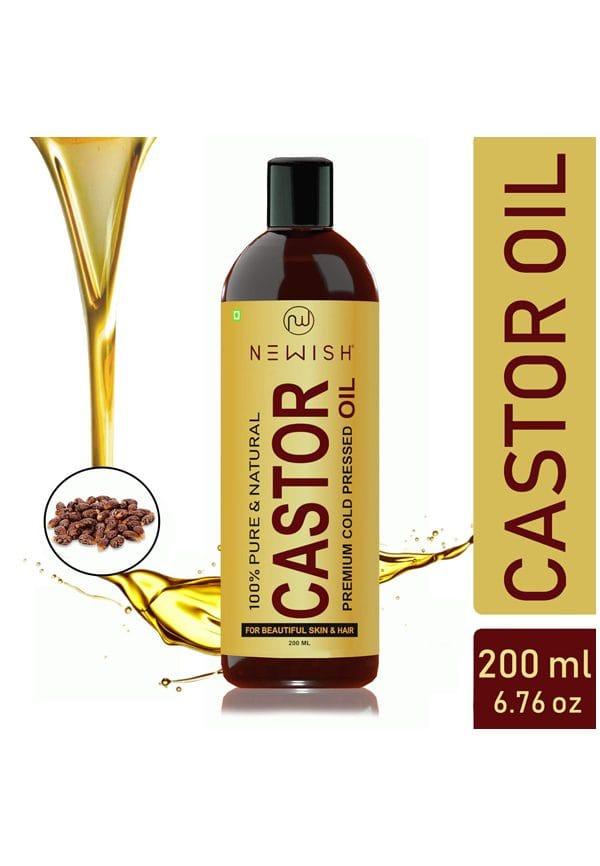
Organic Cold Pressed Castor Oil For Hair Growth And Skin Care, Eyebrow
If you've been dealing with persistent scalp issues for more than a few months, or if you're experiencing significant hair loss, it's worth seeing a dermatologist. They can prescribe stronger treatments and rule out underlying conditions like seborrheic dermatitis or alopecia areata.
Professional scalp treatments at salons can also be worth it for deep cleansing or if you want to kickstart a new routine. They often have access to stronger exfoliating treatments and professional-grade scalp health products.
Most scalp concerns can be managed really effectively at home with the right approach. DIY treatments using ingredients like honey, oatmeal, or various oils can be just as effective as expensive products, and you know exactly what's going on your scalp.
The key is being patient and consistent. Home treatments often take longer to show results than professional ones, but they're usually gentler and more cost-effective long-term.
The best approach is often a combination – maybe a professional treatment every few months with a solid home routine in between. This gives you the deep reset of professional care with the consistency of daily maintenance.
The best treatment really depends on your specific scalp type and concerns. For dry scalp, hydrating masks and gentle oils work brilliantly. Oily scalps respond well to clarifying treatments and regular exfoliation. Dandruff usually needs anti-fungal ingredients, while hair loss might require circulation-boosting treatments or professional intervention. The key is identifying your specific needs first, then choosing treatments accordingly.
There's honestly a huge range of scalp treatment options available now. You've got topical treatments like serums and oils, cleansing treatments like clarifying shampoos and exfoliating scrubs, moisturising treatments like masks and deep conditioners, and medicated options for specific conditions like dandruff or hair loss. Natural treatments using ingredients like tea tree oil or aloe vera are also really popular and effective.
The best approach is to start with identifying your scalp type and specific concerns, then build a routine around that. Generally, this means using a gentle shampoo suited to your scalp type, incorporating weekly treatments like masks or exfoliation, and being consistent with whatever routine you choose. Most people see results within 4-6 weeks of starting a proper scalp care routine.
Timeline varies quite a bit depending on what you're treating and which method you're using. Simple issues like dryness or mild oiliness often improve within 2-3 weeks of consistent treatment. Dandruff typically takes 4-6 weeks to see significant improvement. Hair growth treatments are the slowest – you're looking at 3-6 months minimum to see noticeable results, since that's how long it takes for new hair to grow.
Finding the right scalp treatment options is honestly about understanding what your scalp actually needs rather than just trying random products. Whether you're dealing with dryness, oiliness, dandruff, or hair loss, there are effective solutions available – you just need to match the treatment to your specific situation. The best scalp treatments are usually the ones you'll actually stick with consistently, so don't overcomplicate things.
Remember that scalp health is a long-term game, not a quick fix. Most treatments need at least a month of consistent use before you'll see real results, so patience is key. If you're not sure which approach to try first, Smytten offers trial-size versions of many scalp health products – a smart way to test different treatments before committing to full-size bottles.
