11 Hair Fall Solutions for Seasons: Beat Seasonal Thinning

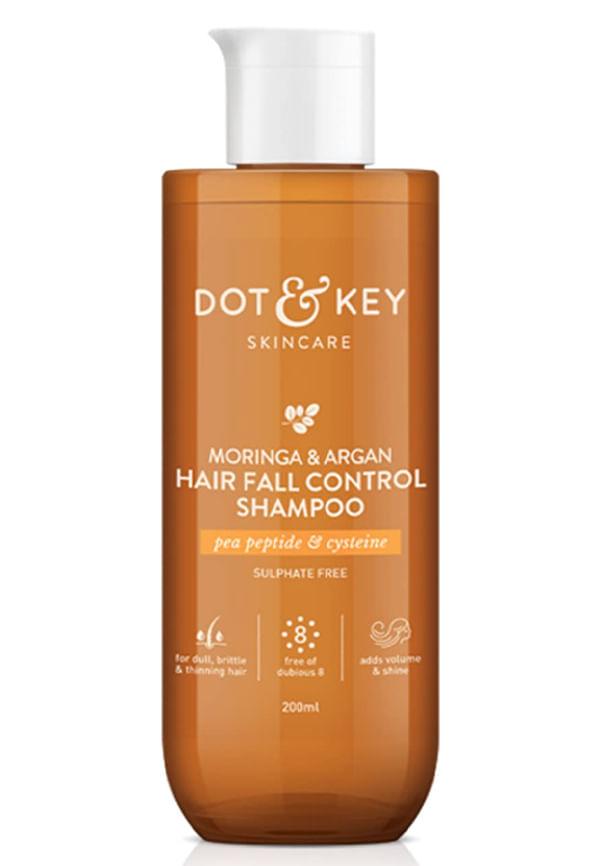
Moringa & Argan Oil Anti Hairfall Shampoo
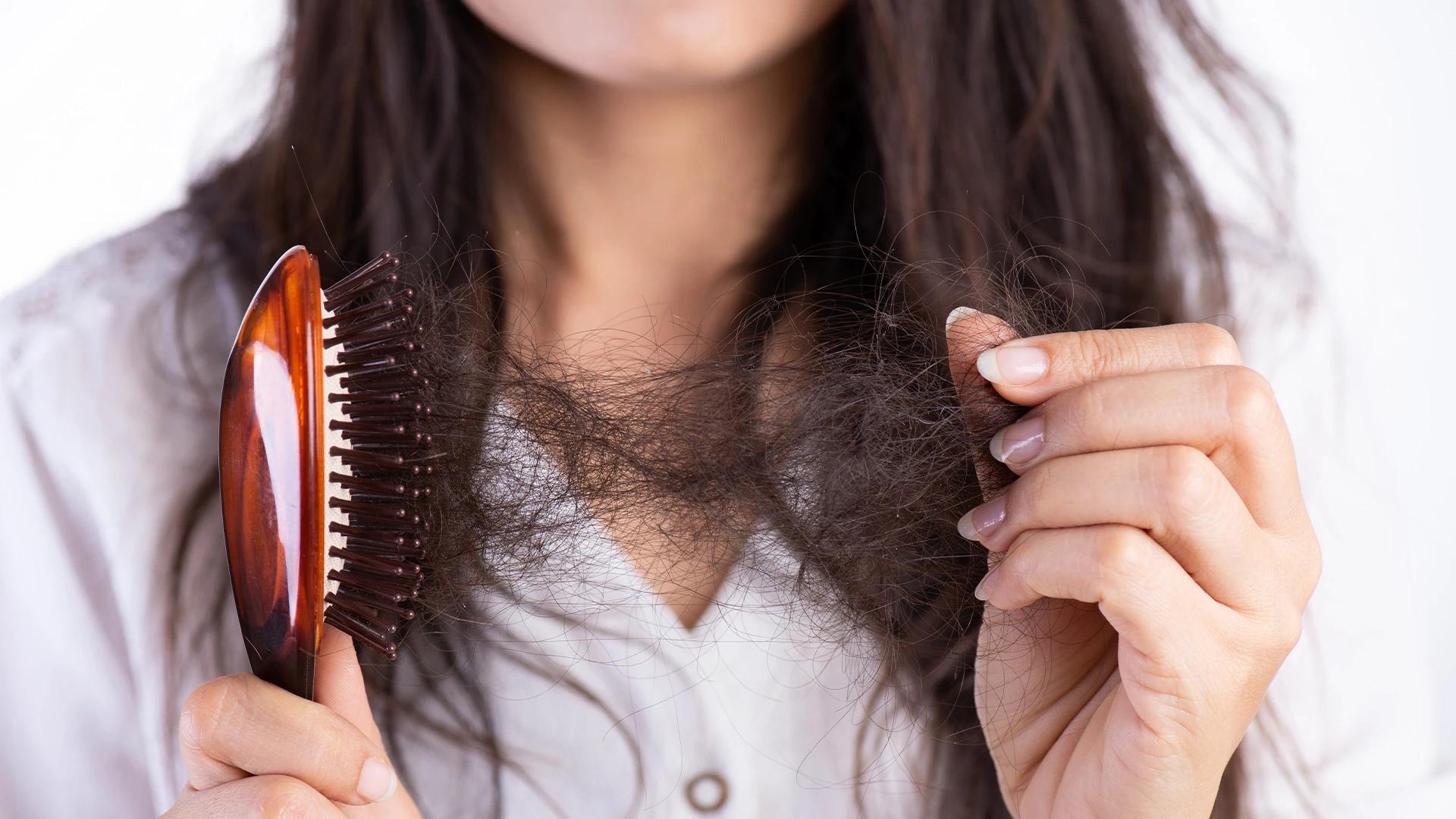
Ever noticed how your hairbrush seems to collect more strands during certain months? You're not imagining it. Your hair actually responds to seasonal changes just like your skin does. Whether it's the dry winter air making your scalp flaky or summer heat causing excess oil production, each season brings its own set of challenges for your hair. The good news? Once you understand these patterns, you can tackle seasonal hair thinning head-on with the right strategies.
Let's be real — seasonal hair thinning isn't just in your head. Your hair follicles are actually quite sensitive to environmental changes. During weather transitions, your scalp's natural oil production shifts, humidity levels fluctuate, and even your hormone levels can change slightly with the seasons.
Research shows that most people experience peak hair shedding during autumn months, typically September to November. This happens because hair that started growing in spring reaches the end of its natural cycle. Add changing temperatures and reduced daylight hours, and your hair follicles get a bit confused about what they should be doing.
Weather related hair problems aren't limited to just one season though. Winter brings dry air that strips moisture from your scalp. Summer heat can increase oil production and make you sweat more, potentially clogging follicles. Even spring, with all its promise of renewal, can trigger allergies that affect your scalp health. Understanding these patterns helps you prepare your hair care routine for what's coming next.
Winter is probably the trickiest season for your hair. The combination of cold outdoor air and heated indoor spaces creates the perfect storm for dryness and breakage. Here's how to keep your strands strong when the temperature drops.
Your hair needs extra hydration when humidity levels plummet. Try weekly deep conditioning masks with ingredients like shea butter or argan oil. These create a protective barrier that locks in moisture even when the air around you is bone dry.
Cold wind can literally shock your hair follicles into shedding mode. Wear a silk-lined hat or scarf to protect your scalp. Silk won't create friction like wool or cotton, so you avoid additional breakage while staying warm.
Central heating systems can make indoor air drier than a desert. A humidifier in your bedroom helps maintain optimal moisture levels while you sleep. Your hair (and skin) will thank you for this simple addition.
Winter hair doesn't get as oily as quickly, so you can probably stretch wash days. Overwashing strips natural oils your scalp desperately needs during cold months. Try washing every other day instead of daily.
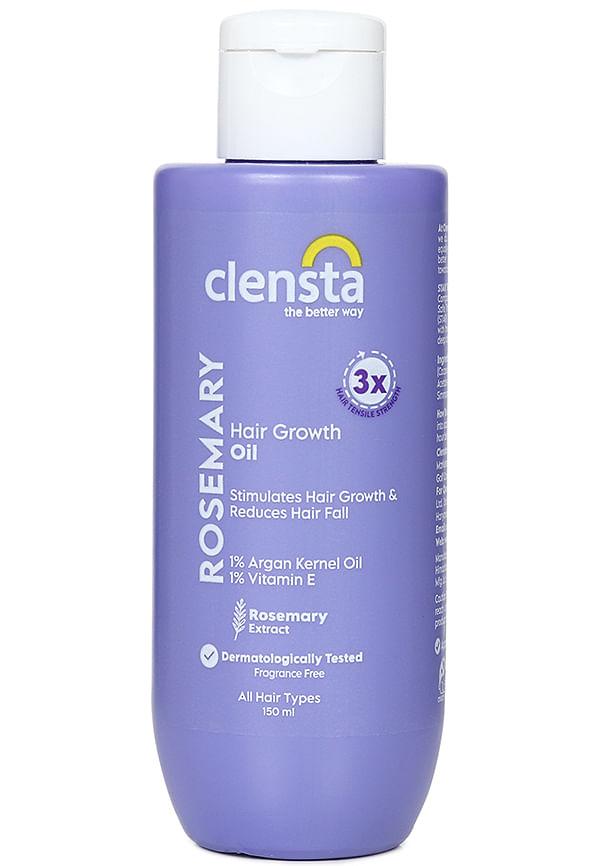
Rosemary Hair Growth Oil With Argan Oil & Vitamin E For Reducing Hair Fall, Strengthens Hair & Breakage
Loose braids, low buns, and gentle twists keep your hair tucked away from harsh elements. Avoid tight styles that create tension on already-stressed winter hair.
Less sunlight means less natural vitamin D production, which can affect hair growth cycles. Consider a supplement after chatting with your doctor, especially if you live somewhere with particularly dark winters.
Weekly hot oil massages boost circulation and provide deep nourishment. Coconut, jojoba, or olive oil work brilliantly. Warm the oil slightly, massage into your scalp, and leave for 30 minutes before washing.
Summer brings its own challenges for hair health. Between UV damage, increased sweating, and higher temperatures, your scalp needs different care strategies. Here's how to keep your hair happy when the mercury rises.
Your scalp can get sunburned just like your skin, leading to inflammation and hair fall. Use leave-in treatments with SPF or wear a wide-brimmed hat during peak sun hours. UV damage weakens hair shafts, making them more prone to breakage.
Hot weather dehydrates your entire body, including your hair follicles. Drink plenty of water and use lightweight, hydrating hair mists throughout the day. Look for products with hyaluronic acid or glycerin that attract moisture from the air.
Sweat mixed with styling products can clog follicles and create scalp irritation. Rinse your hair with cool water after workouts, even if you're not doing a full wash. This removes salt and buildup without stripping natural oils.
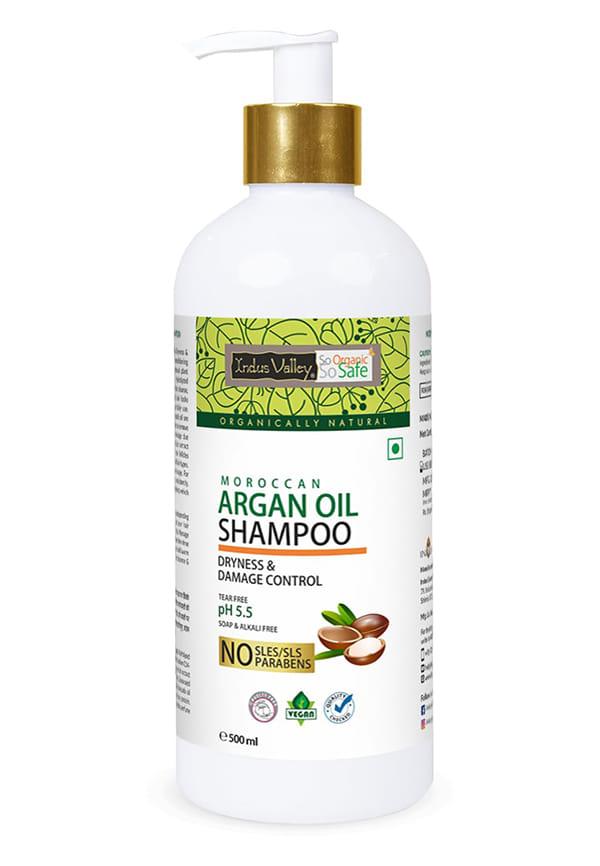
Argan Oil Shampoo for Dryness & Damage Control
Soothe an overheated scalp with cooling treatments. Fresh aloe vera gel provides instant relief and has anti-inflammatory properties that support healthy hair growth. Keep it in the fridge for an extra cooling effect.
High humidity seasons bring their own set of challenges. Your hair might feel constantly damp, and increased moisture in the air can actually make some hair problems worse. Autumn hair shedding is particularly common as your hair naturally cycles through its growth phases.
During monsoon season, excess moisture can lead to fungal growth on your scalp. This creates inflammation that disrupts normal hair growth cycles. Use antifungal shampoos with ingredients like ketoconazole or tea tree oil once or twice a week to keep your scalp healthy.
Proper drying becomes crucial during humid months. Never go to bed with damp hair, as this creates the perfect environment for bacteria and fungi. Use a microfibre towel to gently squeeze out excess water, then air dry or use a blow dryer on cool settings.
Your diet plays a bigger role during these seasons too. Include foods rich in biotin, iron, and zinc to support hair strength from the inside. Think eggs, spinach, nuts, and seeds. These nutrients help your hair withstand the stress of changing weather patterns.
Spring is your hair's chance for a fresh start. After months of winter stress, your scalp and strands need some serious TLC to bounce back. This is the perfect time to assess any damage and create a recovery plan.
Start with a gentle scalp detox to remove buildup from heavy winter products. Clay masks or clarifying shampoos help reset your scalp's natural balance. Follow up with nourishing treatments to repair any damage from cold weather exposure.
Spring hair regrowth tips include scalp massages with essential oils like rosemary or peppermint. These boost circulation and can stimulate dormant follicles. Spend five minutes each morning massaging your scalp before you get in the shower.
This is also the ideal time to trim away any winter damage and start fresh. Even a small trim removes split ends that can travel up the hair shaft and cause more breakage. Your hair will look healthier and grow more efficiently without damaged ends weighing it down.
While seasonal adjustments are important, some strategies work year-round for maintaining healthy hair growth. Consistency in your basic routine provides a stable foundation that can adapt to seasonal changes.
Scalp health seasonal changes require you to pay attention to how your scalp feels and looks throughout the year. Keep a simple hair diary noting when you experience more shedding, dryness, or oiliness. This helps you anticipate and prepare for your personal seasonal patterns.
Stress management plays a huge role in hair fall treatment for climate-related issues. Seasonal changes can affect your mood and stress levels, which directly impact hair growth. Regular exercise, adequate sleep, and stress-reduction techniques support healthy hair growth regardless of the weather outside.
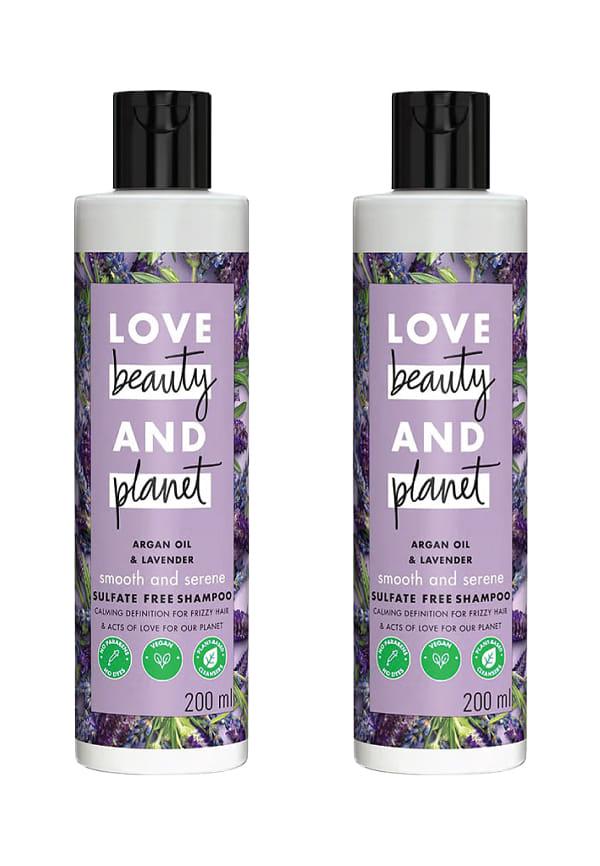
Argan Oil and Lavendar Sulfate Free Shampoo (Pack of 2)
Professional treatments can provide extra support during challenging seasons. Consider quarterly scalp treatments or consultations with a trichologist who can assess your specific needs and recommend targeted solutions.
The key is adapting your routine to each season's specific challenges. Use deeper moisturising treatments in winter, UV protection in summer, and antifungal care during humid months. Consistent scalp massage, proper nutrition, and gentle handling year-round provide the foundation for healthy hair growth.
Treatment depends on the season and underlying cause. Winter hair loss often responds to increased moisture and gentle care. Summer hair loss might need UV protection and cooling treatments. Autumn shedding is usually temporary and improves with patience and good nutrition.
Most people in India experience increased hair fall during monsoon season (June to September) and post-monsoon months (October to November). The combination of high humidity, pollution, and natural hair growth cycles creates peak shedding periods during these months.
Yes, seasonal hair loss is typically temporary. Hair that falls due to seasonal stress usually regrows within 3-6 months as your scalp adjusts to new conditions. However, consistent care and proper nutrition support faster and healthier regrowth.
Both seasons can increase hair fall, but for different reasons. Winter causes dryness and breakage, while summer brings UV damage and increased oil production. Many people notice more shedding in autumn as hair that grew during spring reaches the end of its cycle.
Seasonal hair thinning is completely normal, but that doesn't mean you have to suffer through it. Understanding your hair's natural cycles and adjusting your care routine accordingly makes a huge difference in maintaining healthy, strong hair year-round.
The most effective hair fall solutions for seasons combine prevention with targeted treatment. Protect your hair from environmental stressors, nourish your scalp consistently, and be patient with natural shedding cycles. Remember that what works for your friend might not work for you — your hair's needs are as unique as you are.
Finding the right products for your seasonal hair care routine often involves some trial and error. Smytten's curated selection includes haircare solutions from trusted brands that can help you tackle seasonal challenges. Not sure which treatments might work best for your specific concerns? Trial-size versions of many haircare products are available, letting you test different approaches before committing to full-size bottles.
