11 Frizzy Hair Treatments for Women to Tame Your Mane
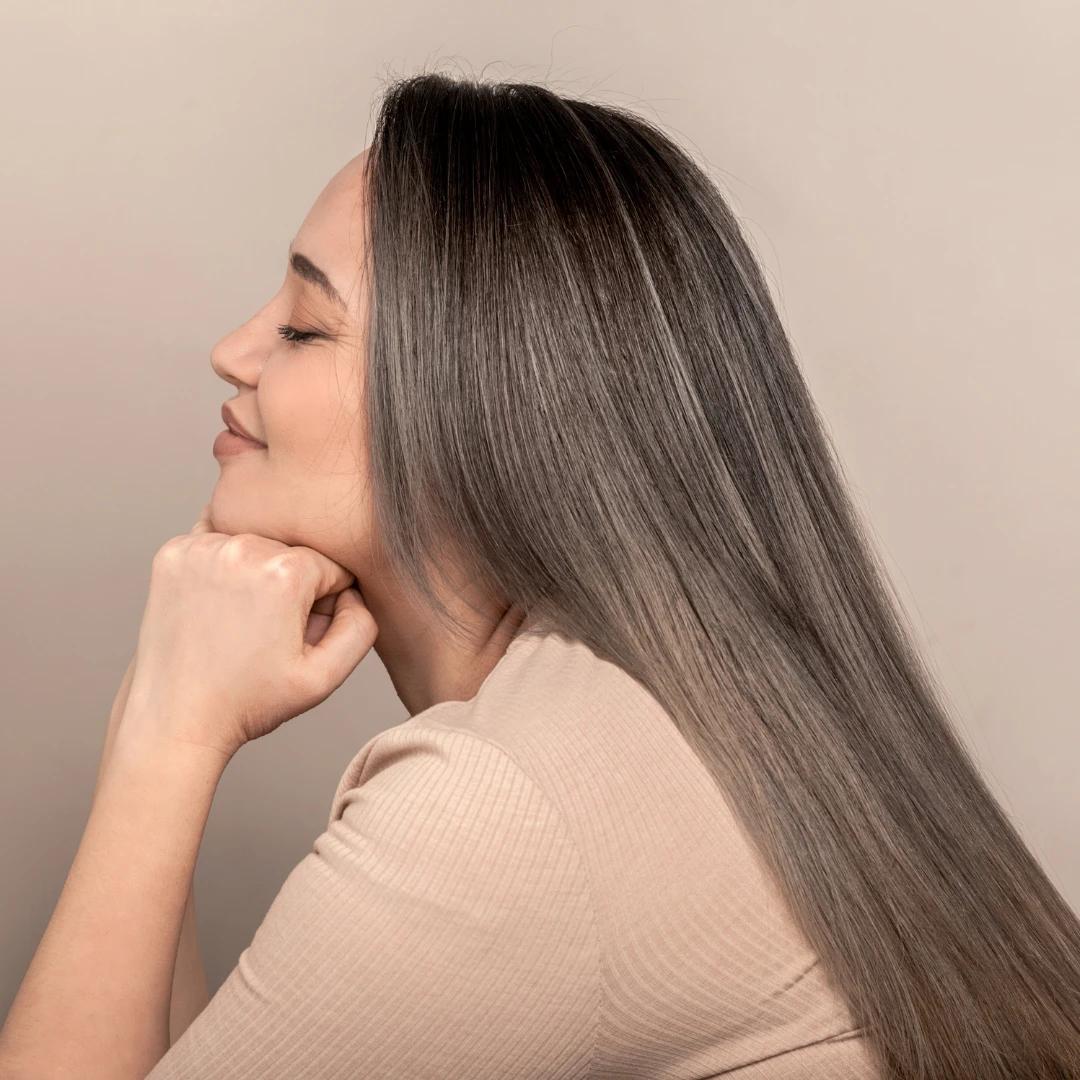

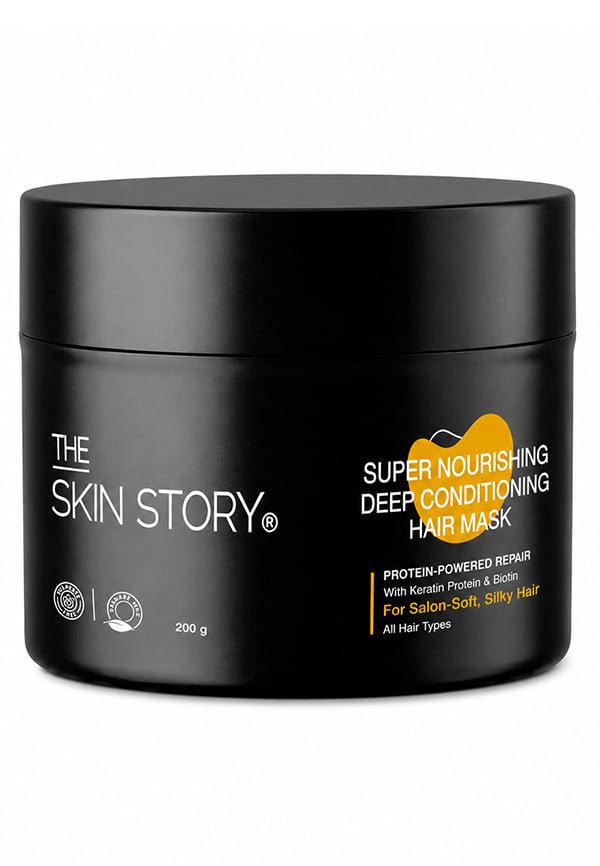
Super Nourishing Deep Conditioning Hair Mask Enriched With Keratin & Argan Oil
You know that moment when you step outside and your hair instantly transforms into a frizzy halo? Or when you spend ages styling your hair, only to have humidity turn it into a wild, untameable mess within minutes? Real talk — frizzy hair can feel like your worst enemy, especially when you're trying to look put-together. But here's the thing: frizz isn't something you just have to live with. There are actually loads of effective frizzy hair treatments for women that can help you get the smooth, manageable hair you've been dreaming of.
Before diving into solutions, let's get real about what's actually happening with your hair. Frizz occurs when your hair cuticles — those outer protective layers — lift up and allow moisture from the air to penetrate the hair shaft. This causes the hair to swell and creates that dreaded frizzy texture we all know too well.
Several factors contribute to frizzy hair in women. Damaged cuticles from heat styling, chemical treatments, or rough handling are major culprits. Your genetics also play a role — some people are simply more prone to frizz than others. Hair porosity matters too; highly porous hair absorbs moisture quickly, making it more susceptible to humidity-induced frizz.
There are different types of frizz you might be dealing with. Surface frizz affects just the outer layer of your hair, creating a fuzzy appearance. Halo frizz forms a ring of flyaways around your head, whilst in-the-strand frizz makes individual hair strands appear bumpy and uneven. Understanding your specific frizz type helps you choose the most effective treatment approach.
Humidity is perhaps the biggest enemy of smooth hair. When there's moisture in the air, your hair tries to balance its internal moisture levels with the environment, causing the cuticles to lift and create that familiar frizzy texture. This is why your hair might look perfect indoors but turn into a mess the moment you step outside on a humid day.
Sometimes, the best frizzy hair solutions require professional intervention. Salon treatments offer longer-lasting results and can address severe frizz that at-home methods might not tackle effectively.
Keratin treatments are among the most popular anti-frizz products for women seeking professional results. These treatments work by coating your hair with a protein layer that smooths the cuticles and creates a protective barrier against humidity. The process typically takes 2-4 hours and can last 3-6 months, depending on your hair type and maintenance routine. Best candidates are those with moderately damaged or naturally frizzy hair who want to reduce styling time whilst maintaining some natural texture.
Hair botox is a gentler alternative that focuses on deep conditioning rather than chemical restructuring. This treatment uses a blend of proteins, vitamins, and amino acids to fill in damaged areas of the hair shaft, resulting in smoother, shinier hair. It's particularly effective for those with chemically damaged or over-processed hair, offering frizz control without the commitment of traditional keratin treatments.
For those seeking the most dramatic results, Japanese hair straightening offers a permanent solution to frizz. This chemical process breaks down the hair's natural bonds and reforms them in a straight pattern. Whilst the results are long-lasting, this treatment requires significant commitment and isn't suitable for all hair types, particularly highly damaged or bleached hair.
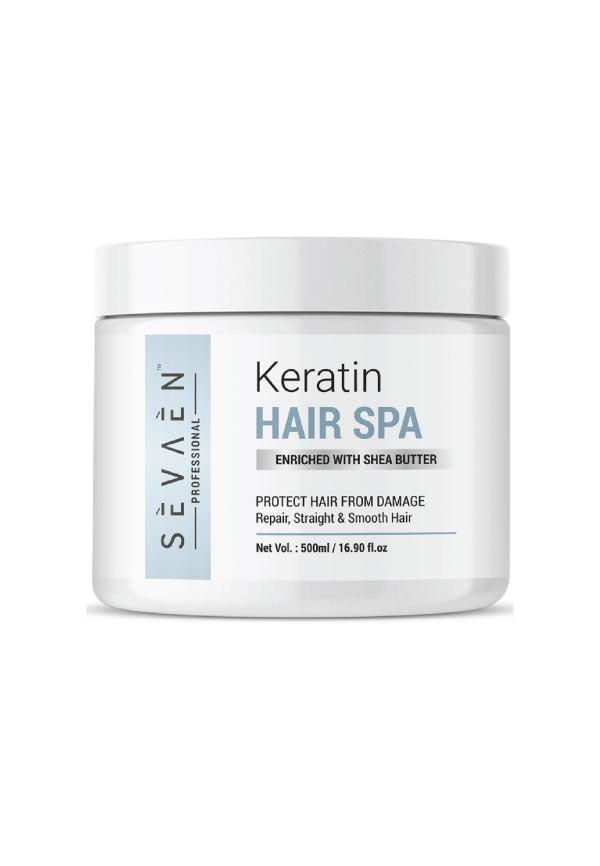
Keratin Hair Spa Cream For Hair Dry&Damage repair And strengthening&Smoothing Hair With Deep Conditioning Treatment
Awesome Product, Long-Term User
 5
5“the product was awesome I liked it & I was using this product using for 2 years.”
Awesome Product, Long-Term User
5“the product was awesome I liked it & I was using this product using for 2 years.”
Superb for Hair
5“Superb soo good cant explain mu hair feels soo good now ”
Not everyone wants or needs professional treatments. There are plenty of effective ways to tame frizzy hair from the comfort of your own home, using both store-bought and DIY solutions.
Regular deep conditioning is one of the most effective moisturising treatments for frizzy hair. These intensive treatments penetrate deeper than regular conditioners, providing long-lasting hydration and smoothing benefits. Apply a generous amount to damp hair, focusing on mid-lengths and ends, then leave for 15-30 minutes before rinsing thoroughly. For DIY options, try mashing half an avocado with a tablespoon of coconut oil, or whisk an egg with honey for a protein-rich treatment.
Natural oils are brilliant for those wanting to smooth frizzy hair naturally without harsh chemicals. Argan oil is particularly effective due to its lightweight texture and high vitamin E content. Apply a few drops to damp hair, focusing on the ends. Coconut oil works well for thicker hair types — warm it slightly for easier application. Apple cider vinegar rinses can also help smooth the cuticles; mix one part vinegar with three parts water and use as a final rinse after shampooing.
Sometimes frizz is a sign that your hair needs protein rather than moisture. If your hair feels mushy when wet or lacks elasticity, a protein treatment might be what you need. DIY protein masks can be made with ingredients like eggs, yoghurt, or rice water. However, be careful not to overdo protein treatments, as too much can make hair brittle.
Your daily product routine plays a crucial role in managing frizz. The right combination of products can make the difference between good and bad hair days.
Hair serums for frizz are lightweight products that create a protective barrier around each strand. They work by smoothing the cuticles and providing a glossy finish that reflects light beautifully. Apply a small amount to damp hair before styling, concentrating on the mid-lengths and ends. Silicone-based serums offer immediate smoothing effects, whilst silicone-free options provide longer-term conditioning benefits.
Leave-in conditioners are essential frizz-free hair products that provide ongoing moisture and protection throughout the day. Cream formulations work well for thicker hair types, whilst spray versions are perfect for fine hair that might be weighed down by heavier products. Layer these under your styling products for maximum effectiveness.
If you use heat styling tools, a good heat protectant is non-negotiable. These products create a barrier that prevents heat damage, which is a major cause of frizz. Look for products that offer protection up to 230°C and contain conditioning ingredients. Anti-frizz styling creams and gels can also help define your natural texture whilst keeping frizz at bay.
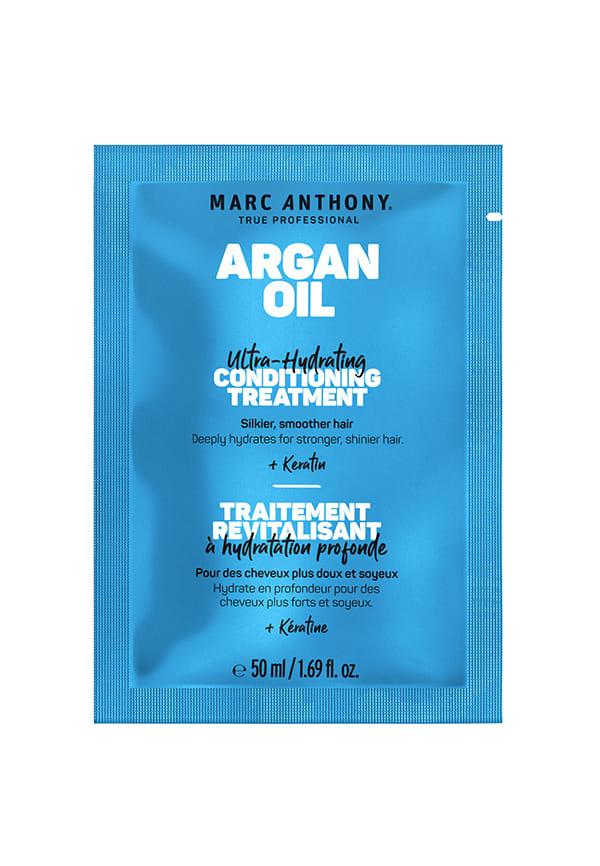
Nourishing Argan Oil Deep Hydrating Conditioning Treatment Mask
Curly hair has unique needs when it comes to frizz control. The key is enhancing your natural curl pattern whilst minimising frizz, rather than fighting against your hair's natural texture.
The curly girl method has gained popularity for good reason — it focuses on gentle cleansing, deep conditioning, and avoiding ingredients that can dry out curly hair. This approach typically involves using sulfate-free shampoos, avoiding heat styling, and applying products to soaking wet hair using the "praying hands" method.
For curly hair, look for products specifically designed for your curl type. Curl creams and gels can help define your pattern whilst controlling frizz. The key is finding the right balance of moisture and hold for your specific curl pattern. Plopping — wrapping wet hair in a cotton t-shirt — can also help enhance curls whilst reducing frizz.
Diffusing is often the best drying method for curly hair. Use a low heat setting and cup your curls gently with the diffuser, avoiding direct airflow that can disrupt the curl pattern and create frizz.
Prevention is often better than cure when it comes to frizz. Establishing a proper daily routine can significantly reduce frizz and improve your hair's overall health.
How you wash your hair matters more than you might think. Use lukewarm water rather than hot, as excessive heat can strip natural oils and damage the cuticles. Choose sulfate-free shampoos that cleanse gently without over-drying. When conditioning, focus on the mid-lengths and ends, and consider using a wide-tooth comb to distribute the product evenly.
Your drying technique can make or break your frizz control efforts. Never rub your hair with a regular towel — the friction creates frizz and can damage the cuticles. Instead, gently squeeze out excess water with a microfiber towel or cotton t-shirt. If you must blow-dry, use a heat protectant and keep the dryer moving to avoid concentrating heat in one area.
What you do before bed affects how your hair looks in the morning. Silk or satin pillowcases reduce friction that can cause frizz and tangles. Alternatively, wrap your hair in a silk scarf or use a silk hair wrap. Loose protective styles like a low bun or loose plait can also help maintain your style overnight.
Humidity doesn't have to be your hair's worst enemy. With the right humidity hair solutions, you can maintain smooth hair even on the most challenging weather days.
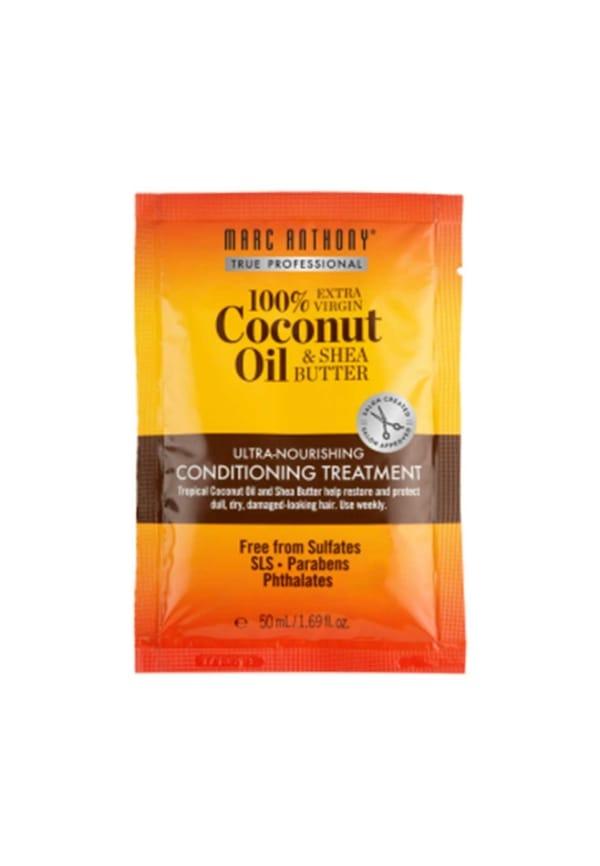
Hydrating Coconut Oil And Shea Butter Deep Nourishing Conditioning Treatment Mask
Anti-humidity products work by creating a barrier that prevents moisture from penetrating the hair shaft. Look for products containing ingredients like dimethicone or cyclomethicone, which form a protective coating around each strand. These are particularly effective when applied to slightly damp hair before styling.
Layering products strategically can also help. Start with a leave-in conditioner for moisture, add a heat protectant if you're using tools, then finish with an anti-humidity serum or spray. This multi-layer approach provides comprehensive protection against environmental factors.
On particularly humid days, consider protective styles that work with your hair's natural tendency to expand. Braids, buns, and updos can look intentionally textured rather than frizzy, and they keep your hair contained and protected from the elements.
The best treatment depends on your hair type, lifestyle, and budget. For immediate results, a good hair serum or leave-in conditioner can work wonders. If you want longer-lasting results, professional keratin treatments or hair botox offer 3-6 months of smoother hair. For those preferring natural approaches, regular deep conditioning masks and natural oils can significantly improve frizz over time.
Whilst no treatment is truly permanent, some options offer long-lasting results. Japanese hair straightening provides the most permanent solution but requires significant commitment. Keratin treatments last 3-6 months and can be repeated. However, the most sustainable approach combines professional treatments with a consistent at-home routine using the right products for your hair type.
Frizzy hair is caused by damaged or lifted cuticles that allow moisture to penetrate the hair shaft unevenly. Common causes include heat damage from styling tools, chemical processing, rough handling, genetics, and environmental factors like humidity. Understanding the root cause helps you choose the most effective treatment approach.
Absolutely! Natural methods can be very effective for managing frizz. Regular deep conditioning with natural ingredients like coconut oil, argan oil, or avocado can improve hair texture over time. Apple cider vinegar rinses help smooth cuticles, whilst protective styling and gentle handling prevent further damage. The key is consistency and patience, as natural methods typically take longer to show results than chemical treatments.
Managing frizzy hair doesn't have to be a daily battle. Whether you opt for professional treatments, natural remedies, or a combination of both, the key is finding what works for your specific hair type and lifestyle. Remember that consistency is crucial — even the best products won't work miracles if used sporadically.
Start with understanding your hair's unique needs, then build a routine that addresses those specific concerns. Don't be afraid to experiment with different approaches until you find your perfect combination. Your hair is unique, and what works for someone else might not work for you — and that's perfectly normal.
If you're unsure which products might work best for your hair type, Smytten offers trial-size versions of many anti-frizz treatments and styling products. This lets you test different formulations and brands before committing to full-size purchases — a smart way to discover your perfect frizz-fighting routine without the guesswork.
