Why Does My Perfume Not Last? Your Fragrance FAQ Answered

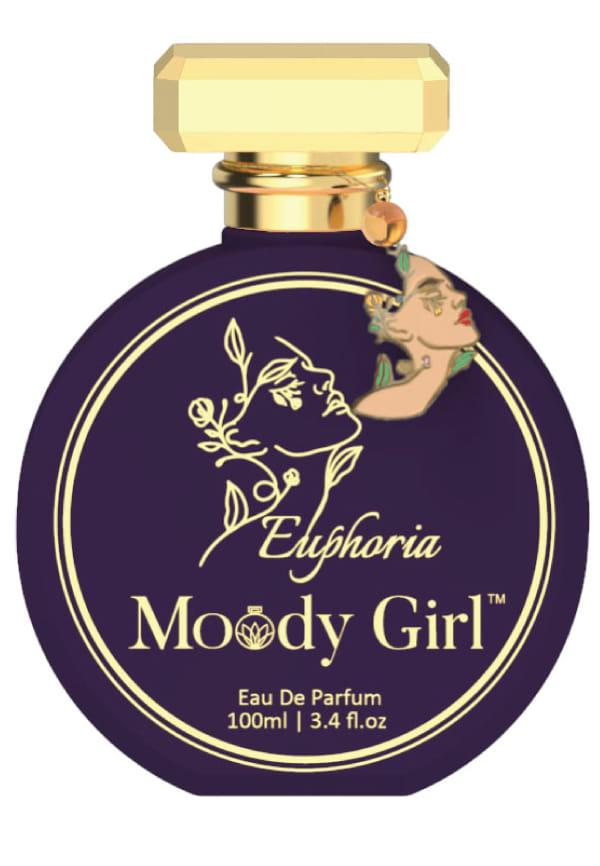
Euphoria,Eau De Parfum
Loved the product and packaging
 5
5“Amazing product loved it packing was also too good”
Strong & Long-Lasting Smell
4“very strong smell & stays very long lasting”
Wonderful Scent
5“Love the smell. Just lovely! Terrific!”
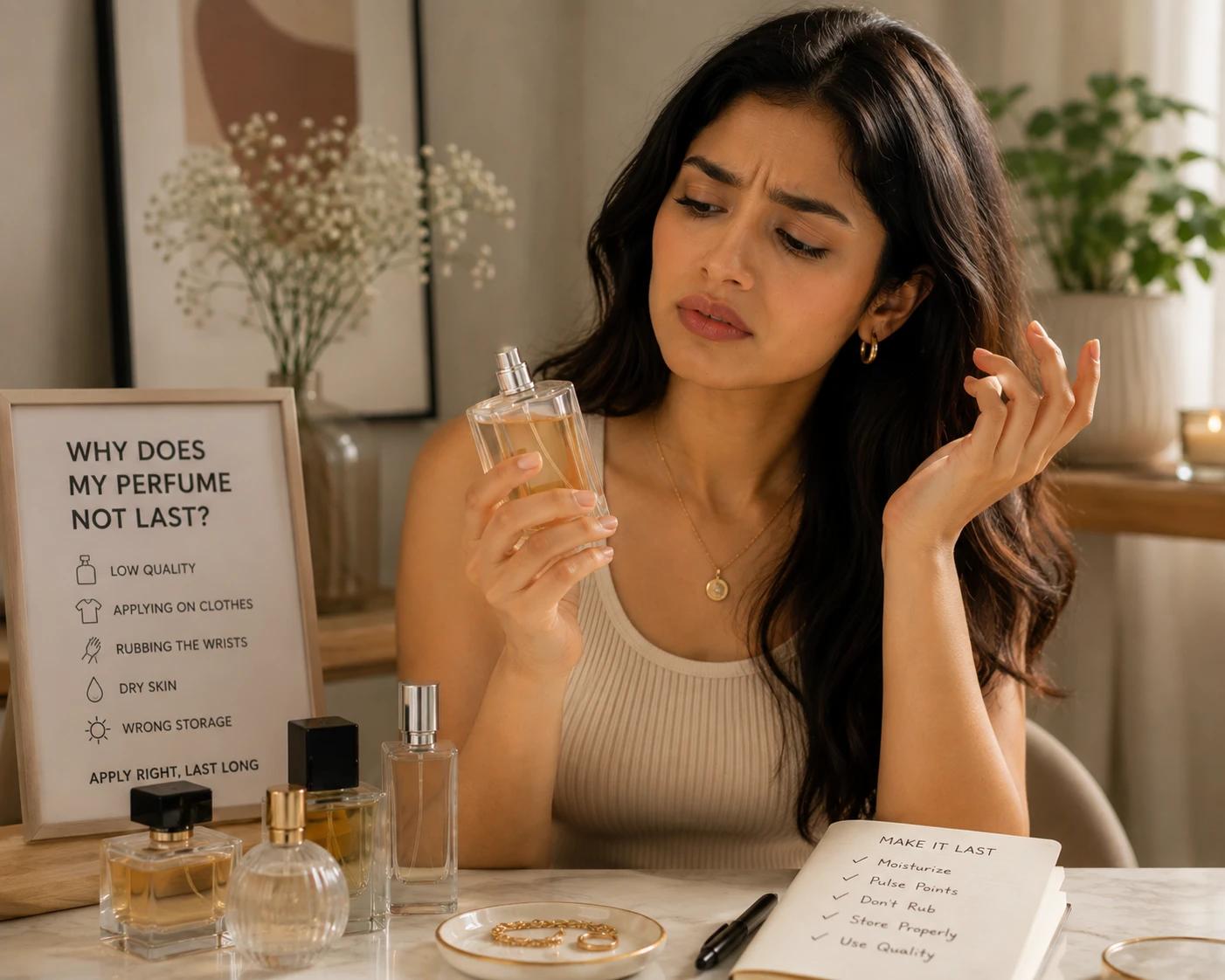
Ever sprayed your favourite perfume in the morning only to find it's completely vanished by lunch? You're definitely not alone in this fragrance frustration. The mystery of why perfume fades quickly has puzzled scent lovers for ages, and honestly, it's one of those beauty dilemmas that can make you question everything about your routine. Whether you've splurged on a designer bottle or picked up something budget-friendly, the disappointment of a disappearing scent hits the same. The good news? There's actual science behind why your fragrance disappears fast, and even better—there are proven ways to make it stick around longer. From understanding your skin chemistry to mastering application techniques, we're about to solve your scent longevity puzzle. Plus, with Smytten offering trial sizes of premium fragrances, you can test what works best for your skin before committing to full-size bottles.
TL;DR
Perfume fades quickly due to dry skin, low fragrance concentration, incorrect application, and environmental factors
Moisturising before application and targeting pulse points can significantly extend fragrance longevity
Eau de Parfum lasts longer than Eau de Toilette due to higher oil concentration
Olfactory fatigue (nose blindness) often makes you think your perfume has disappeared when others can still smell it
Proper storage and avoiding common mistakes like rubbing wrists together can preserve your scent
Understanding why your scent doesn't last long starts with knowing how fragrance molecules actually work with your skin. When you spray perfume, you're essentially applying volatile compounds that evaporate at different rates—this is what creates the famous top, middle, and base note progression. Your skin acts like a canvas, but not all canvases are created equal.
The evaporation process follows a predictable pattern called the scent pyramid breakdown. Light, citrusy top notes disappear first (usually within 15-30 minutes), followed by floral or spicy heart notes (lasting 2-4 hours), and finally the deeper base notes like musk or vanilla that can linger for 6-8 hours. However, this timeline can vary dramatically based on your individual body chemistry.
Some people naturally experience faster fragrance fade due to their skin's pH levels, temperature, and oil production. If you have naturally acidic skin (pH below 5.5), fragrances tend to break down more quickly. Similarly, if you run warm or have very active sebaceous glands, the heat and oils can accelerate the evaporation process, making perfume evaporation causes more pronounced than others.
Let's dive into the main culprits behind disappearing fragrances. Identifying which of these factors affects you is the first step towards solving your scent longevity issues.
Dry skin is honestly the biggest reason why does my perfume not last. Think of your skin like a sponge—when it's parched, it absorbs fragrance oils rapidly, causing them to disappear faster than you can say "where did my scent go?" Moisturising skin, on the other hand, creates a barrier that helps fragrance molecules sit on the surface longer, allowing them to evaporate slowly and maintain their presence throughout the day.
Not all perfumes are created equal when it comes to staying power. Eau de Cologne contains only 2-5% fragrance oils, Eau de Toilette has 5-15%, while Eau de Parfum boasts 15-20%. If your fragrance not sticking around is a constant issue, you might be using a lighter concentration that's simply not designed for all-day wear.
Here's a plot twist—sometimes your perfume hasn't actually faded, you've just become nose-blind to it. Your brain adapts to familiar scents within 15-20 minutes, essentially filtering them out as background noise. This is why others might compliment your fragrance when you're convinced it's completely gone.
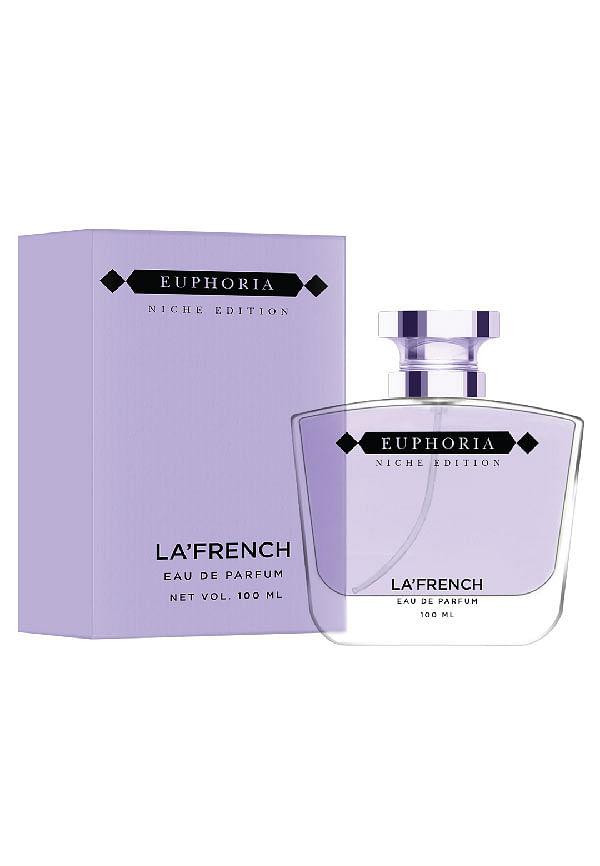
Euphoria Niche Edition Eau De Parfum
Wonderful Scent
5“Unique fragrance and awesome smell... Long lasting”
Light and Refreshing
5“it feels light and refreshing it makes feel good”
Light and Fragrant
5“It is light yet its frangance is very good.”
The classic wrist-rubbing move? It's actually crushing your fragrance notes and breaking down the molecular structure. Over-spraying can also backfire, creating a cloud that dissipates quickly rather than a lasting scent trail. Under-spraying, meanwhile, simply doesn't provide enough fragrance molecules to create longevity.
Heat, humidity, and air circulation all play major roles in how long your scent lasts. Hot weather accelerates evaporation, while air conditioning can strip fragrance molecules from your skin. Even seasonal changes affect performance—what works brilliantly in winter might disappear within hours during summer.
Your skin's natural pH can make or break a fragrance's longevity. Acidic skin tends to break down perfume faster, while more alkaline skin can help scents last longer. Diet, medications, and hormonal changes can all influence your skin chemistry and, consequently, how fragrances perform on you.
Sometimes the issue isn't you—it's the perfume itself. Fragrances that have been exposed to light, heat, or air can deteriorate, losing their staying power. If your once-reliable scent suddenly starts fading fast, it might be time to check if it's gone off.
Ready to transform your fragrance game? These proven techniques will help you get the most out of every spritz.
Start with clean, moisturised skin—this is non-negotiable for fragrance longevity. Apply an unscented body lotion or oil about 10 minutes before your perfume. This creates the perfect base for fragrance molecules to cling to. Timing matters too—apply your scent right after showering when your skin is still slightly damp for maximum absorption.
Target your pulse points—wrists, behind ears, base of throat, and inside elbows—where blood vessels are closest to the skin surface. The warmth helps diffuse the scent naturally. Remember the golden rule: spray, don't rub. Let the fragrance dry naturally to preserve its integrity. For extra longevity, try the layering technique using matching body wash, lotion, and perfume from the same fragrance family. The best way to apply perfume is targeting your pulse points for optimal diffusion and longevity.
Fabric holds scent longer than skin, making it a secret weapon for fragrance longevity. Spray your clothes from about 6 inches away, focusing on natural fibres like cotton and wool which retain scent better than synthetics. Just test on an inconspicuous area first to avoid staining, and avoid delicate fabrics like silk.
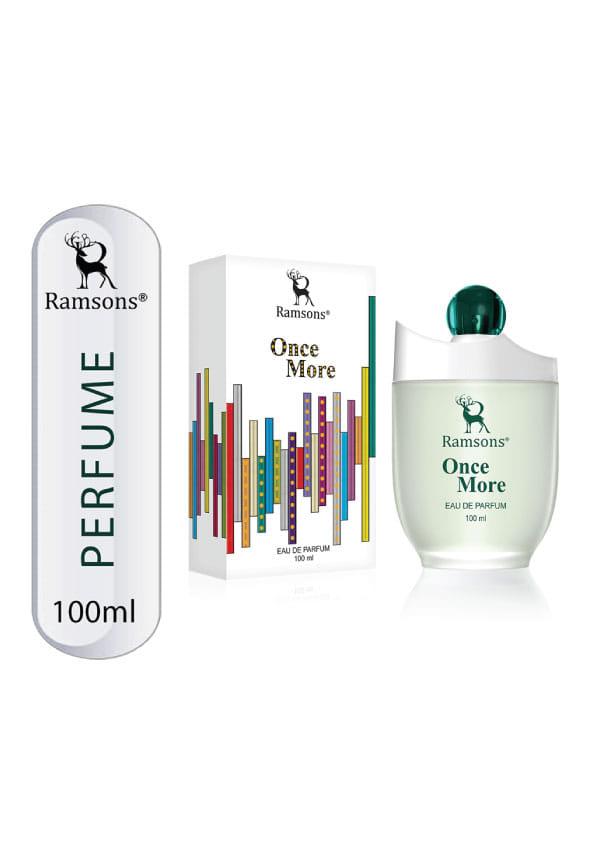
Once More - Eau De Parfum
Store your fragrances in a cool, dark place away from direct sunlight and temperature fluctuations. Your bathroom cabinet might seem convenient, but the humidity and heat can break down fragrance compounds. Adjust your application based on the season—use more in winter when dry air can cause faster evaporation, and less in summer when heat amplifies scent projection.
Let's break down what those fancy French terms actually mean for your scent's staying power. The concentration of fragrance oils directly impacts how long your perfume will last and how strong it will smell.
Eau de Cologne (2-5% oils) typically lasts 1-2 hours and offers light, refreshing wear perfect for hot weather or those who prefer subtle scents. Eau de Toilette (5-15% oils) provides 3-5 hours of wear with moderate projection, ideal for daytime office wear. Eau de Parfum (15-20% oils) delivers 6-8 hours of longevity with strong sillage, perfect for evening events or when you want your signature scent to last all day. Parfum or Extrait de Parfum (20-30% oils) can last 8-12 hours with intense projection—these are investment pieces for special occasions.
When choosing between concentrations, consider your lifestyle and budget. While EDPs cost more upfront, you'll use less product per application, potentially making them more economical in the long run. For testing purposes, trial sizes available on Smytten let you experience different concentrations without the full-size commitment.
Sometimes fragrance issues go beyond basic longevity problems. Let's address some specific scenarios that might be affecting your scent experience.
If you notice your perfume level dropping faster than expected, check your bottle's seal. Loose caps or damaged atomisers can cause evaporation even when you're not using the fragrance. Store bottles upright and ensure caps are tightly secured after each use.
This is classic skin chemistry incompatibility. Your skin's natural oils, pH, and temperature can dramatically alter how a fragrance develops. What smells amazing on your friend might turn sour or disappear entirely on you. This is why testing fragrances on your own skin for several hours is crucial before purchasing.
Price doesn't always equal longevity. Some designer fragrances focus on sophisticated, nuanced compositions that might be more delicate, while budget options sometimes use synthetic ingredients that can actually last longer. The key is finding what works with your specific skin chemistry, regardless of price point.
Product | Skin Type | Longevity | Price Range | Key Notes |
|---|---|---|---|---|
The Man Company Noir Perfume EDT | Normal to Oily | 6-8 hours | Premium | Bergamot, Jasmine, Musk, Sandalwood |
Wild Stone CODE Steel | All Skin Types | 8 hours | Mid-range | Citrus, Woody, Musk |
Bella Vita Always Fresh EDP | Normal to Combination | 6-8 hours | Mid-range | Citrus, Floral, Sandalwood |
Carlton London Incense Men EDP | Normal to Dry | 7-9 hours | Mid-range | Incense, Woody, Amber |
La' French Timeless | All Skin Types | 8-10 hours | Premium | Bergamot, Woody, Amber |
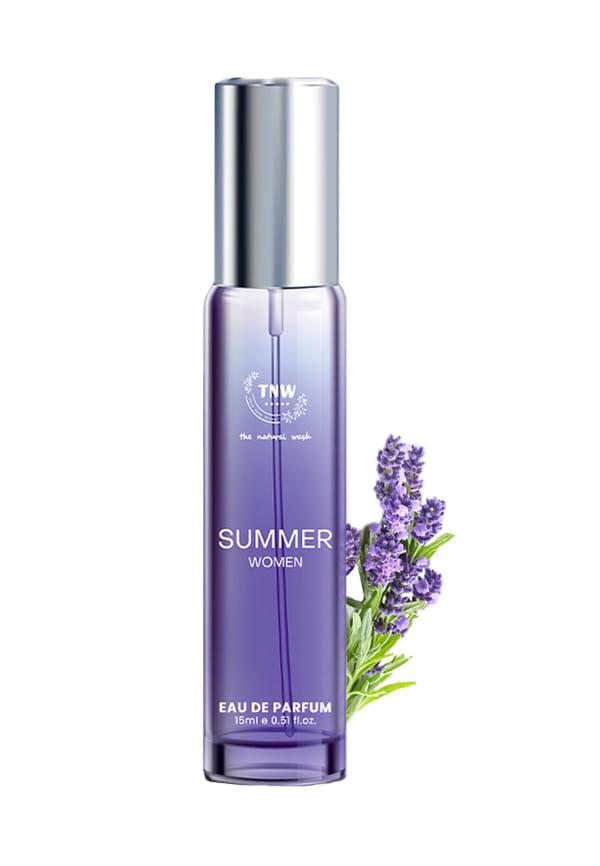
Summer Eau De Parfum Lightens Up Mood & gives Long Lasting Freshness 15 ml (perfume for women)
Realistic expectations vary by concentration type. Eau de Toilette should last 3-5 hours, Eau de Parfum 6-8 hours, and Parfum 8-12 hours. However, these are guidelines—your skin chemistry, application method, and environmental factors all influence actual performance. If your fragrance consistently underperforms these benchmarks, it might be time to reassess your application technique or try a different concentration.
Absolutely! Layering is your best friend here. Use matching body products from the same fragrance line, apply to pulse points and clothing, and consider using a fragrance primer or unscented oil as a base. You can also try applying to hair (spray on your brush first) or using the "spray and walk" technique where you mist the air and walk through it.
Generally, men's skin tends to be oilier and thicker, which can help fragrances last longer. However, individual skin chemistry matters more than gender. Hormonal fluctuations, particularly during menstruation or pregnancy, can affect how fragrances perform on women's skin. The key is understanding your personal skin chemistry rather than relying on gender generalisations.
This is completely normal and actually indicates a well-composed fragrance! Perfumes are designed to evolve through top, middle, and base notes over several hours. What you smell initially (citrus, herbs) gives way to heart notes (florals, spices), then settles into base notes (woods, musks). If the progression seems off or unpleasant, it might indicate skin chemistry incompatibility.
Check for colour changes (darkening or cloudiness), unusual separation, or off-putting smells when you first spray. The scent should smell recognisable, not vinegary or metallic. If stored properly in a cool, dark place, most fragrances remain good for 3-5 years. When in doubt, trial sizes from Smytten let you test newer formulations before investing in full bottles.
Yes! The terms are often used interchangeably, but cologne typically refers to Eau de Cologne, which has the lowest concentration of fragrance oils (2-5%). This naturally means shorter wear time compared to Eau de Parfum or Parfum concentrations. If your cologne disappears quickly, it's likely performing exactly as designed—consider upgrading to a higher concentration for longer wear.
The mystery of disappearing perfume isn't really a mystery at all—it's science, technique, and understanding your unique skin chemistry. Dry skin, low fragrance concentration, and incorrect application are the main culprits behind short-lived scents. The good news is that with proper preparation (moisturising first), strategic application (pulse points, no rubbing), and choosing the right concentration for your needs, you can dramatically extend your fragrance's staying power.
Remember that olfactory fatigue might be playing tricks on you—just because you can't smell your perfume doesn't mean it's gone. Environmental factors like heat and humidity will always affect performance, so adjust your routine seasonally. Most importantly, don't assume expensive equals long-lasting; finding the right fragrance for your skin chemistry is more valuable than any price tag.
Finding your perfect long-lasting fragrance doesn't have to involve expensive trial and error. Smytten is India's largest product discovery and trial platform, connecting consumers with top lifestyle, beauty, wellness, and grooming brands through curated trial packs from over 1,500 trusted brands. You can explore mini-sized fragrances from brands like Bella Vita, The Man Company, and Wild Stone before committing to full-size purchases. With trial packs available for just ₹249 and 100% cashback on trials redeemable for future orders, you can test different concentrations and formulations to find what works best with your skin chemistry. The platform's PAN-India delivery ensures authentic, brand-verified minis reach you wherever you are. After all, why settle for 'maybe' when you can try before you buy and discover your signature scent with confidence?
