What Perfume Experts Say About Layering Fragrances: FAQ

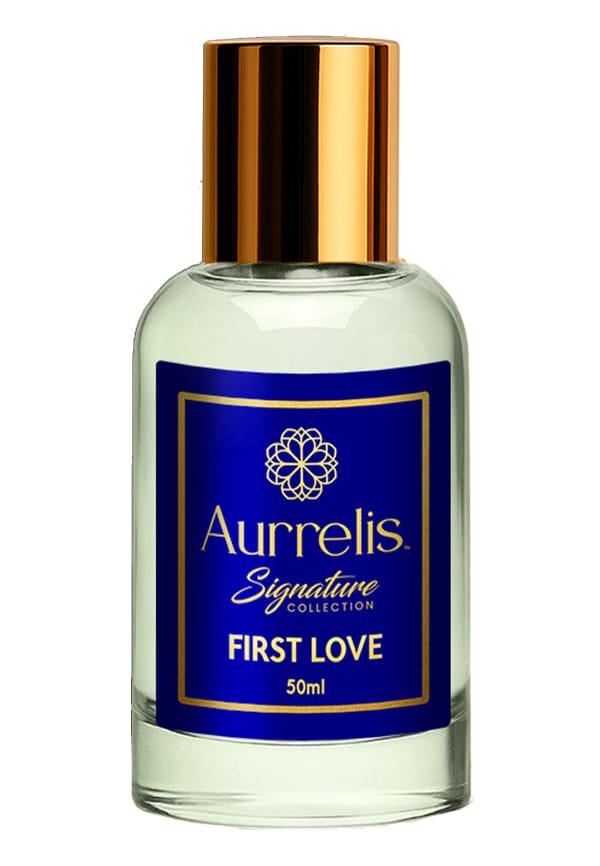
Signature First Love Extrait De Parfum
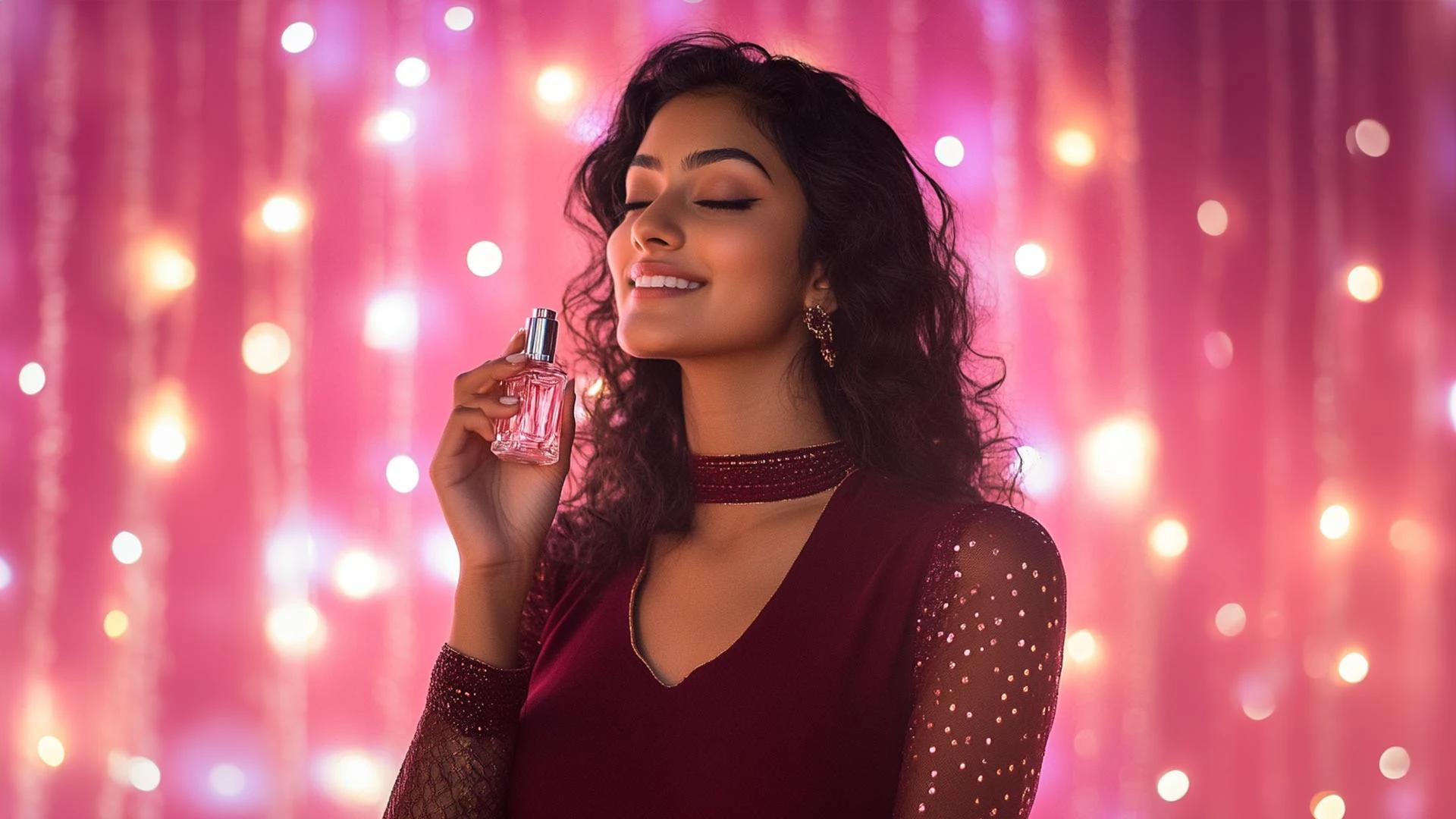
You know those people who always smell incredible? Like, their scent is just *chef's kiss*? The secret often lies in fragrance layering—a technique that's gained massive popularity, with the global fragrance market growing by 8.5% annually as more people discover the art of creating personalised scent profiles. What perfume experts say about layering fragrances might surprise you: it's not just about mixing random scents, but understanding the science behind how different notes interact with your skin chemistry. From master perfumers to fragrance consultants, industry professionals have developed specific techniques that can transform your scent game completely. Whether you're curious about creating your first layered combination or looking to perfect your technique, expert insights reveal the dos, don'ts, and everything in between. Smytten makes experimenting with fragrance layering more accessible than ever, offering trial-sized versions of premium scents so you can test combinations without committing to full bottles.
Fragrance layering works through molecular compatibility—experts recommend starting with complementary scent families rather than contrasting ones
Professional perfumers suggest the foundation building method: apply base notes first, wait 5-10 minutes, then add lighter top notes
Industry experts emphasise quality over quantity—two well-chosen scents often work better than multiple layers
Master perfumers recommend testing combinations on your skin for at least 2 hours before deciding, as body chemistry significantly affects the final result
Advanced layering techniques include seasonal rotation strategies and creating signature scent profiles using three-layer systems
Understanding what perfume experts say about layering fragrances starts with grasping the molecular science behind scent interaction. Master perfumer Sarah Chen, who's basically a scent wizard, breaks it down: successful fragrance layering techniques depend on how different aromatic molecules complement rather than compete with each other.
The molecular composition of fragrances determines their compatibility. Top notes (citrus, herbs) evaporate quickly, middle notes (florals, spices) form the heart, and base notes (woods, musks) provide foundation. Expert perfumers recommend understanding this pyramid structure before attempting any layering combinations.
Professional fragrance consultant Maria Rodriguez notes that scent projection and longevity improve when base notes from one fragrance support the middle notes of another. This creates what industry experts call "scent synergy"—where the combined effect exceeds individual performance.
Industry veteran James Morrison, who's created fragrances for luxury houses, debunks common misconceptions: "Layering isn't about making scents stronger—it's about creating complexity and uniqueness." He emphasises that master perfumers approach scent combinations by considering how each fragrance's evolution timeline will interact throughout the day.
Professional perfumers also stress that successful layering requires understanding your skin's pH levels and natural oils, as these factors significantly influence how layered scents develop and project.
When exploring fragrance layering for beginners, industry experts unanimously recommend starting with the foundation building method. This approach minimises the risk of creating clashing combinations while building confidence in scent selection.
Professional perfumers suggest beginning with base scents like vanilla, musk, or sandalwood as your foundation layer. These notes provide stability and rarely clash with other fragrances. Apply your base scent to pulse points, wait 5-10 minutes for initial settling, then add your secondary fragrance.
The step-by-step application process involves spraying the heavier, base-note-dominant fragrance first on wrists and behind ears. Timing between applications is crucial—experts recommend waiting until the alcohol evaporates before adding the second layer.
Learning how to layer scents effectively starts with choosing fragrances from the same family. Floral with floral, woody with woody, or citrus with citrus creates harmonious blends that experts consider "safe" for beginners.
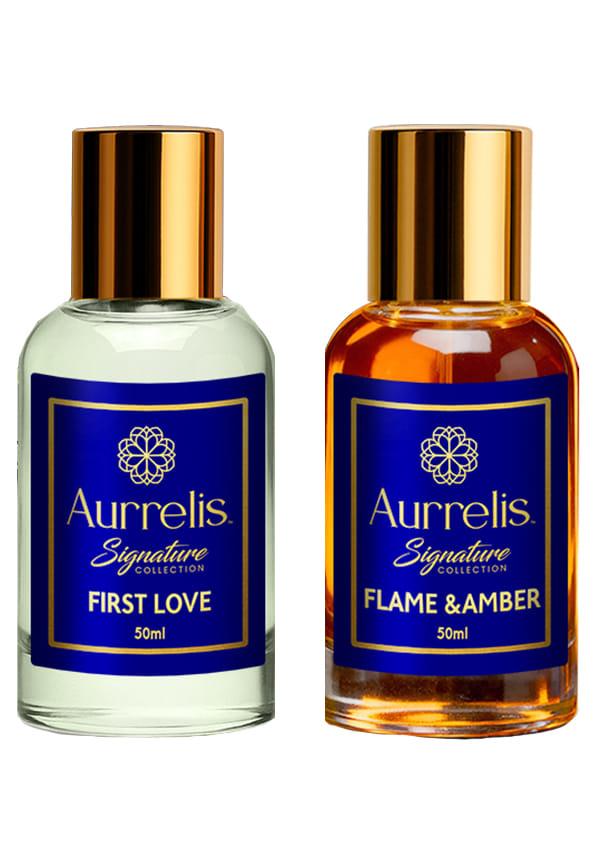
Signature Extrait De Parfum Combo Pack of 2 – First Love & Flame & Amber
Common beginner mistakes include applying too much of each fragrance and not considering how scents evolve. Expert tip: start with light application of both scents—you can always add more, but you can't take it away.
Once you've mastered basic techniques, professional perfumers recommend exploring more complex scent layering combinations. These advanced approaches require understanding how contrasting fragrance families can create sophisticated, unique profiles.
Expert perfumers suggest specific contrasting combinations: fresh aquatic scents paired with warm oriental fragrances create intriguing complexity. Floral and woody pairings offer elegant sophistication, while citrus and spicy blends provide energetic warmth.
Master perfumer Elena Vasquez recommends the "bridge note" technique—finding a common note between contrasting families. For example, bergamot appears in both citrus and oriental fragrances, making it an excellent bridge for layering these families.
Creating unique scents with layering involves adapting combinations to seasons. Spring and summer expert recommendations include light florals with fresh citrus, while autumn and winter combinations favour warm spices with deep woods.
Professional perfumers suggest transitional season approaches: layer fresh scents with slightly warmer base notes during spring, and combine warm scents with lighter top notes during autumn.
Industry experts emphasise that the best way to layer perfumes involves mastering application techniques and understanding intensity balance. Professional guidance can transform amateur attempts into sophisticated scent profiles.
Pulse point strategies vary depending on the fragrances being layered. Experts recommend applying the dominant scent to major pulse points (wrists, neck) and the secondary scent to minor points (behind ears, inner elbows).
The spray versus dab method debate among professionals leans towards spraying for even distribution, though some experts prefer dabbing oil-based fragrances. Optimal waiting times between layers range from 5-15 minutes, allowing each fragrance to settle before adding the next.
Expert tips for fragrance layering include the 70-30 rule: use 70% of your dominant scent and 30% of the accent fragrance. Professional perfumers adjust these ratios based on skin chemistry—oily skin holds fragrance longer, requiring lighter application.
Ratio recommendations from perfumers suggest starting conservatively and building intensity gradually. Professional tips for longevity include applying unscented moisturiser first, creating a base that helps fragrances adhere better to skin.
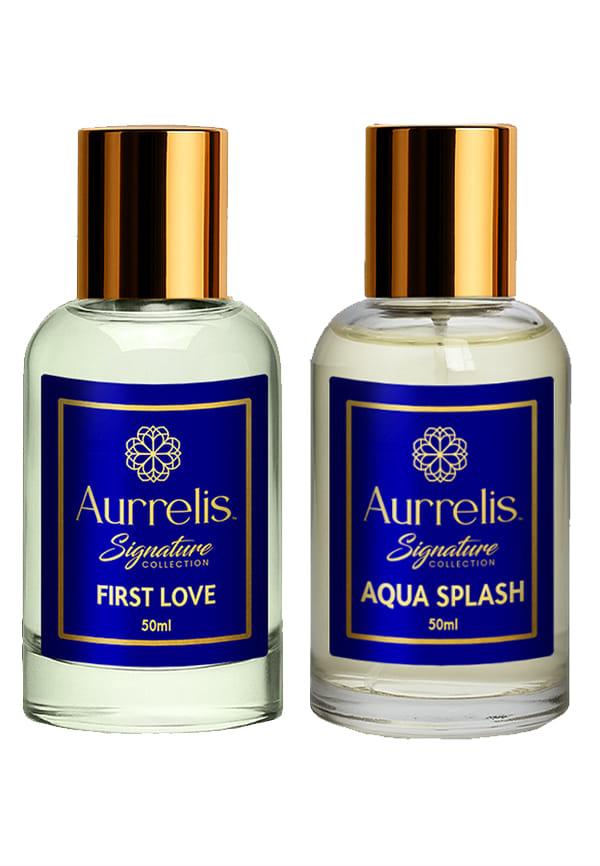
Signature Parfum Combo Pack of 2 – Aqua Splash & First Love Extrait De Parfum
Understanding perfume layering dos and don'ts from industry professionals can save you from costly mistakes and disappointing combinations. Expert guidelines provide clear frameworks for successful layering experiences.
Quality over quantity principles dominate professional advice—two high-quality fragrances create better results than multiple mediocre scents. Skin preparation importance cannot be overstated: clean, moisturised skin provides the best canvas for layered fragrances.
Testing combinations properly involves wearing the blend for at least two hours before making judgements. Body heat and time reveal how layered scents truly develop and interact.
Overwhelming combinations rank as the top mistake according to experts. Clashing fragrance families—like heavy orientals with light aquatics—rarely work without careful consideration of bridge notes.
Application timing errors include rushing between layers or applying too much initially. Storage and preservation issues arise when fragrances are exposed to heat or light, affecting their layering potential.
Advanced fragrance layering represents the pinnacle of scent artistry, where master perfumers create complex, evolving compositions. These sophisticated techniques require deep understanding of fragrance architecture and personal scent preferences.
Three-layer combinations involve base, heart, and top accent fragrances applied in sequence. Master perfumers recommend starting with woody or musky bases, adding floral or spicy hearts, then finishing with citrus or fresh top accents.
Seasonal rotation strategies involve maintaining core signature elements while adapting accent layers. Creating signature scent profiles requires documenting successful combinations and understanding how they evolve throughout different times of year.
Adjusting combinations for different occasions involves understanding scent appropriateness and projection levels. Building fragrance wardrobes requires strategic investment in versatile base fragrances that pair well with multiple accent scents.
Investment strategies for layering collections focus on acquiring complementary fragrances rather than random purchases. Professional perfumers suggest building around 2-3 signature bases and expanding with compatible accent fragrances.
Professional perfumers often recommend specific products that work exceptionally well for layering. The Bella Vita Gourmet Collection Vanilla Perfume for Men and Women serves as an excellent foundation fragrance, with its balanced vanilla and woody base notes providing stability for various accent scents. Its moderate sillage and 5-7 hour longevity make it ideal for daily layering experiments without overwhelming other fragrances.
Product | Best For Skin Type | Layering Strength | Price Range | Key Notes |
|---|---|---|---|---|
OSSA Vision Flowers Body Spray | All skin types | Light base layer | ₹200-400 | Bergamot, Jasmine, Musk |
Bella Vita Vanilla Perfume | Normal to dry skin | Medium foundation | ₹300-600 | Vanilla, Amber, Woody |
LA French Hikaya Imperial | All skin types | Versatile layering | ₹400-700 | Citrus, Floral, Musky |
The Love Co. Fall in Love | Sensitive skin | Light accent layer | ₹250-450 | Grapefruit, Jasmine, Vanilla |
Projekt Alternative Lost Leather | Normal to oily skin | Bold statement layer | ₹800-1200 | Leather, Spices, Amber |
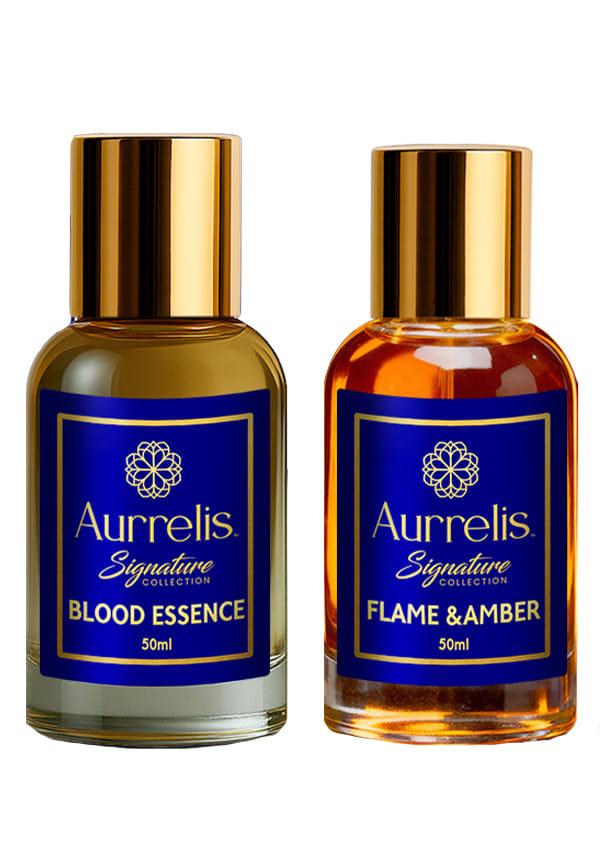
Signature Extrait De Parfum Combo Pack of 2 – Bold Essence & Flame & Amber
Expert perfumers recommend starting with two fragrances and gradually working up to three maximum. More than three scents typically create muddy, confusing combinations that lack clarity and definition.
Price doesn't determine layering success—quality and compatibility matter more. Many affordable fragrances available on Smytten layer beautifully with premium scents, offering excellent experimentation opportunities without significant investment.
Professional perfumers suggest waiting 5-10 minutes between applications for alcohol-based fragrances, allowing the initial alcohol to evaporate and the fragrance to settle on your skin.
Absolutely—brand mixing often creates the most unique combinations. Focus on note compatibility rather than brand loyalty when selecting fragrances for layering.
If a combination feels overwhelming, apply unscented moisturiser to dilute the intensity, or add a neutral scent like vanilla or light musk to balance harsh combinations.
Layering involves applying fragrances separately in sequence, while mixing combines fragrances before application. Layering allows each scent to maintain its character while creating complexity.
If people comment on your fragrance from more than arm's length away, or if you can smell it strongly yourself after 30 minutes, it's likely too intense. Start with lighter applications next time.
Yes, but apply oil-based fragrances first as they absorb into skin, then layer alcohol-based fragrances on top. This prevents the alcohol from interfering with oil absorption.
What perfume experts say about layering fragrances centres on understanding compatibility, application techniques, and personal experimentation. The foundation building method provides the safest starting point for beginners, while advanced techniques offer endless possibilities for creating unique signature scents. Professional guidance emphasises quality over quantity, proper timing between applications, and the importance of testing combinations on your skin before committing. Remember that successful layering requires patience, practice, and willingness to experiment with different combinations until you discover what works best with your body chemistry and personal preferences.
Mastering the art of fragrance layering opens up endless possibilities for creating your unique signature scent. With expert techniques and proper understanding of scent compatibility, you can transform simple fragrances into complex, personalised compositions that reflect your individual style. Smytten makes this journey of discovery both accessible and affordable through its extensive collection of trial packs from over 1,500 trusted brands. Whether you're drawn to the vanilla warmth of Bella Vita, the floral elegance of OSSA, or the bold complexity of niche fragrances, you can explore authentic brand-verified minis before committing to full sizes. With 100% cashback on trials and the convenience of trying before you buy, experimenting with different layering combinations becomes risk-free and rewarding. From beginner-friendly options to advanced niche compositions, Smytten's curated selection ensures you'll find the perfect fragrances to create your signature layered scent—because why settle for ordinary when you can #TryItAll!
