What is the Difference Between EDP and EDT: A Perfume Concentration Guide
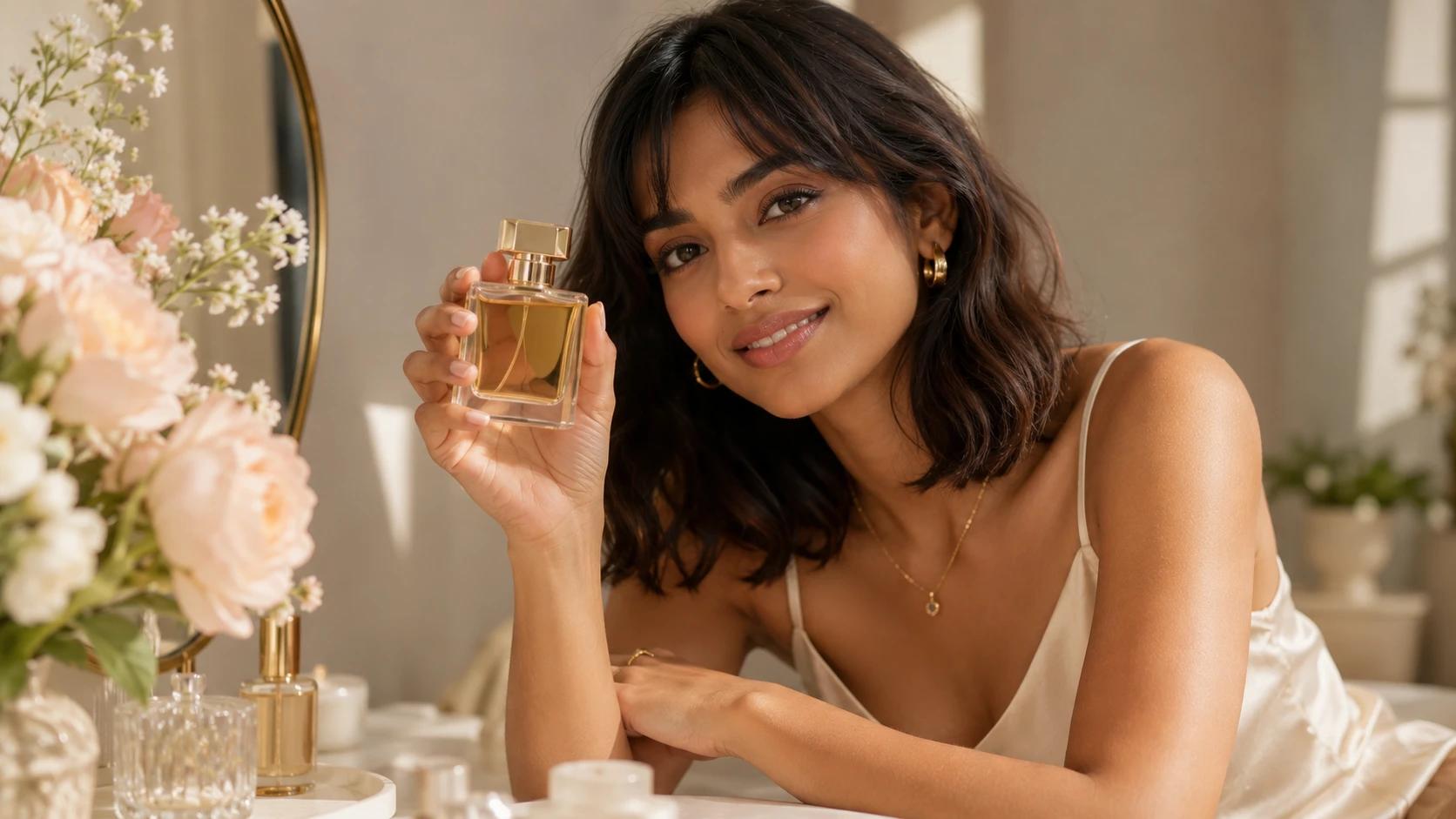

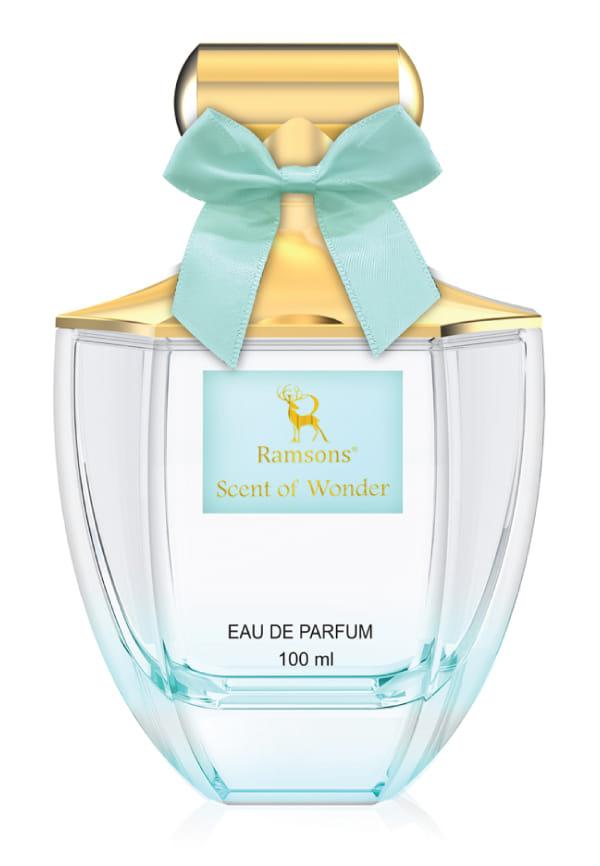
Scent of Wonder EDP
Ever stood in a perfume shop, completely baffled by the alphabet soup of fragrance types? You're not alone. The difference between EDP and EDT might seem like industry jargon, but understanding these concentrations can totally change your fragrance game. Whether you're hunting for a signature scent or just trying to make sense of why some perfumes cost more than others, knowing what sets eau de parfum apart from eau de toilette is your first step to smarter fragrance choices. With so many options available on Smytten, getting clued up on perfume concentrations means you'll never have to guess which type suits your vibe again.
EDP contains 15-20% fragrance oils vs EDT's 5-15%, making EDPs richer and longer-lasting
EDTs offer 3-5 hours of wear time while EDPs can last 6-8 hours or more
EDPs work better for evening events and colder weather, EDTs shine in professional settings and warmer climates
Higher concentration in EDPs means stronger projection but also higher price points
Your choice depends on lifestyle, occasion, and personal preference rather than one being universally "better"
Think of perfume concentrations like the strength of your morning coffee—the more concentrated, the stronger the impact. Fragrance strength comes down to one key factor: the percentage of aromatic oils mixed with alcohol and water. This isn't just about making perfumes smell stronger; it completely changes how a scent develops on your skin and how long it sticks around.
The fragrance pyramid—those top, middle, and base notes you've probably heard about—behaves differently depending on concentration levels. Higher concentrations mean the middle and base notes get more time to shine, creating a richer, more complex scent journey. Lower concentrations tend to highlight those fresh top notes, giving you that immediate burst of freshness that gradually fades.
Industry standards aren't just random numbers brands throw around. These concentration percentages determine everything from how a perfume is marketed to how much you'll pay for it. Understanding these basics helps you decode what you're actually buying when you see those three little letters on a bottle.
Let's get into the nitty-gritty of what actually separates these two fragrance types. The differences go way beyond just the concentration percentages—they affect everything from how you apply your perfume to when you'd want to wear it.
EDPs pack a serious punch with their 15-20% fragrance oil concentration. This higher oil content means you're getting a richer, more intense scent experience that can easily last 6-8 hours on your skin. The projection—how far your scent travels from your body—tends to be stronger too, so people might catch a whiff of your perfume even when you're not right next to them.
What makes EDPs particularly interesting is how they develop over time. With more concentrated oils, you'll notice the scent evolving throughout the day, revealing different facets as the hours pass. This complexity is what makes many fragrance enthusiasts gravitate towards EDPs for special occasions or when they want their scent to make a statement.
EDTs take a lighter approach with their 5-15% fragrance oil concentration. This creates a fresher, more uplifting scent profile that sits closer to your skin—perfect for those who prefer subtlety over boldness. You're looking at about 3-5 hours of wear time, which might sound limiting but actually works brilliantly for certain situations.
The beauty of EDTs lies in their versatility and ease of wear. They're less likely to overwhelm in close quarters, making them ideal for office environments or casual daytime activities. Plus, the lighter concentration means you can reapply throughout the day without worrying about creating a scent overload.
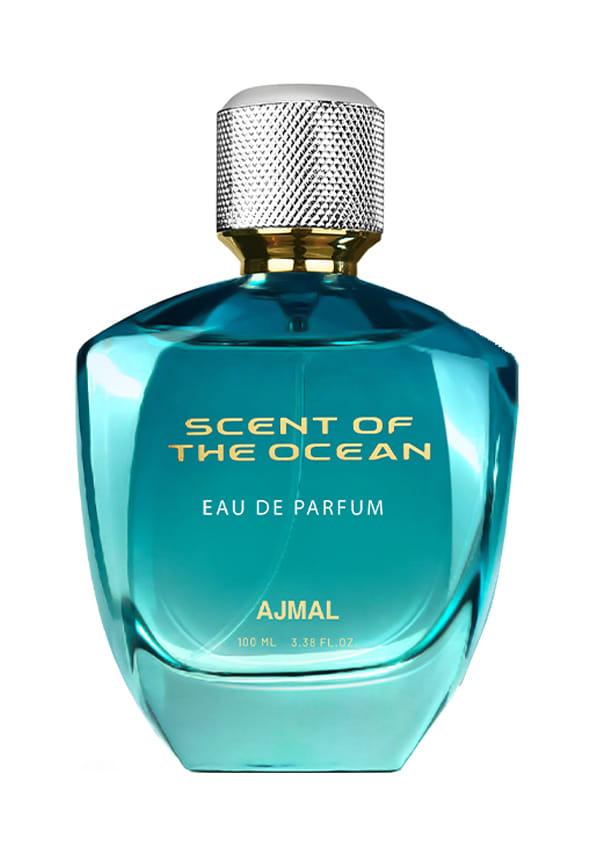
Long Lasting Unisex Perfume Scent Of The Ocean EDP
Here's how EDPs and EDTs stack up across the key factors that matter:
Oil Concentration: EDP (15-20%) vs EDT (5-15%)
Longevity: EDP (6-8 hours) vs EDT (3-5 hours)
Projection: EDP (stronger sillage) vs EDT (closer to skin)
Price Point: EDP (higher) vs EDT (more affordable)
Best For: EDP (evenings, special occasions) vs EDT (daily wear, office)
When it comes to staying power, EDPs are the clear winners, but there's more to the longevity story than just concentration levels. Your skin chemistry plays a massive role in how long any fragrance lasts. Oily skin tends to hold onto scents longer, while dry skin might cause even the strongest EDP to fade faster than expected.
Environmental factors matter too. Hot, humid weather can intensify fragrances but also make them evaporate quicker, while cold, dry conditions might make your scent last longer but project less. This is why many people switch between EDTs in summer and EDPs in winter—it's not just about preference, it's about performance.
Application technique can seriously boost longevity for both types. Pulse points like wrists and neck are classic choices, but applying to areas like behind your ears or on your clothing can extend wear time. For EDTs, consider applying to multiple pulse points to compensate for the lighter concentration.
The difference between EDP and EDT smell goes beyond just strength—it's about how the fragrance presents itself in space. EDPs create what perfumers call a "scent bubble" around you, a noticeable presence that announces your arrival. EDTs, on the other hand, create an intimate scent experience that people only notice when they're close to you.
This intensity difference affects how fragrances evolve throughout the day. EDPs have enough concentration to showcase their full personality, letting you experience the complete fragrance journey from bright opening to deep, complex dry-down. EDTs focus more on that initial impression, giving you a beautiful but shorter scent story.
Consider your personal space preferences when choosing between the two. If you love the idea of your signature scent preceding you into a room, EDPs are your friend. If you prefer a more personal, discover-me-gradually approach, EDTs offer that perfect level of subtlety.
Choosing between EDP and EDT isn't about finding the "better" option—it's about matching the right concentration to your lifestyle and the specific situation. Think of it like choosing between a bold statement necklace and delicate everyday jewellery; both have their perfect moments.
EDPs shine in situations where you want your fragrance to be part of your presence. Evening events, romantic dinners, or special celebrations are perfect EDP territory. The higher concentration means you won't need to worry about reapplication, and the richer scent profile adds to the occasion's significance.
Colder climates also favour EDPs since the concentration helps the fragrance project better in low temperatures. If you're someone who forgets to reapply perfume throughout the day, EDPs offer that set-and-forget convenience that keeps you smelling gorgeous from morning to night.
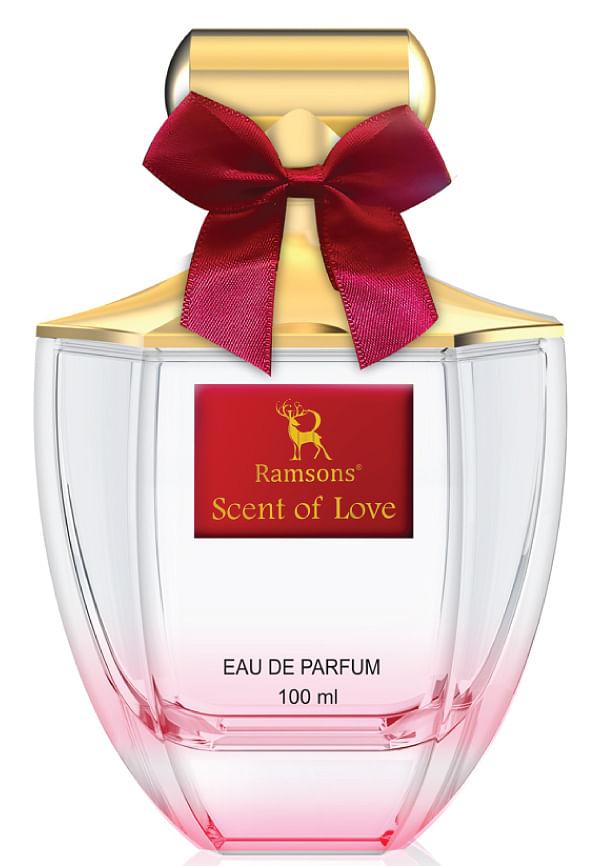
Scent of Love EDP
Professional environments often call for EDT's subtlety. You want to smell lovely without overwhelming colleagues in meeting rooms or lifts. EDTs also work brilliantly for active lifestyles—gym sessions, outdoor activities, or casual weekend plans where you want a fresh scent that won't compete with your activities.
Warmer climates and summer months are EDT's sweet spot. The lighter concentration feels more comfortable in heat and humidity, and the fresh character of most EDTs complements sunny, energetic vibes perfectly.
Your daily routine should influence your choice. If you're constantly on the go with back-to-back meetings, EDT's professional-friendly projection works better. If you have a more relaxed schedule with evening social events, EDP's longevity and richness might suit you better. Many fragrance lovers keep both types in their collection, switching based on the day's agenda.
EDPs typically cost more than EDTs, but the price difference often makes sense when you break down the value. Higher concentration means you need fewer sprays per application, and the longer wear time means less frequent reapplication. A 50ml EDP might actually last longer than a 100ml EDT if you factor in usage patterns.
From an investment perspective, EDPs often provide better cost-per-wear value, especially if you're someone who wears fragrance daily. The initial higher price gets balanced out over time through reduced usage and longer-lasting scent performance.
However, budget considerations matter too. If you love switching between different scents regularly, building a collection of EDTs might give you more variety for the same investment. The key is understanding your fragrance habits and choosing accordingly.
While EDPs and EDTs dominate the fragrance market, they're part of a larger family of concentration types. Understanding the full spectrum helps you make even more informed choices about what works for your preferences and lifestyle.
With just 2-5% fragrance oils, EDCs are the lightest option available. They offer a quick burst of freshness that typically lasts 1-2 hours. Perfect for hot summer days or as a refreshing pick-me-up, but don't expect longevity.
At the other end of the spectrum, parfums contain 20-40% fragrance oils, making them the most concentrated and longest-lasting option. They're typically the most expensive but offer unparalleled richness and longevity—often lasting 8-12 hours or more.
Parfum: 20-40% oils, 8-12+ hours, highest price
EDP: 15-20% oils, 6-8 hours, premium price
EDT: 5-15% oils, 3-5 hours, moderate price
EDC: 2-5% oils, 1-2 hours, lowest price
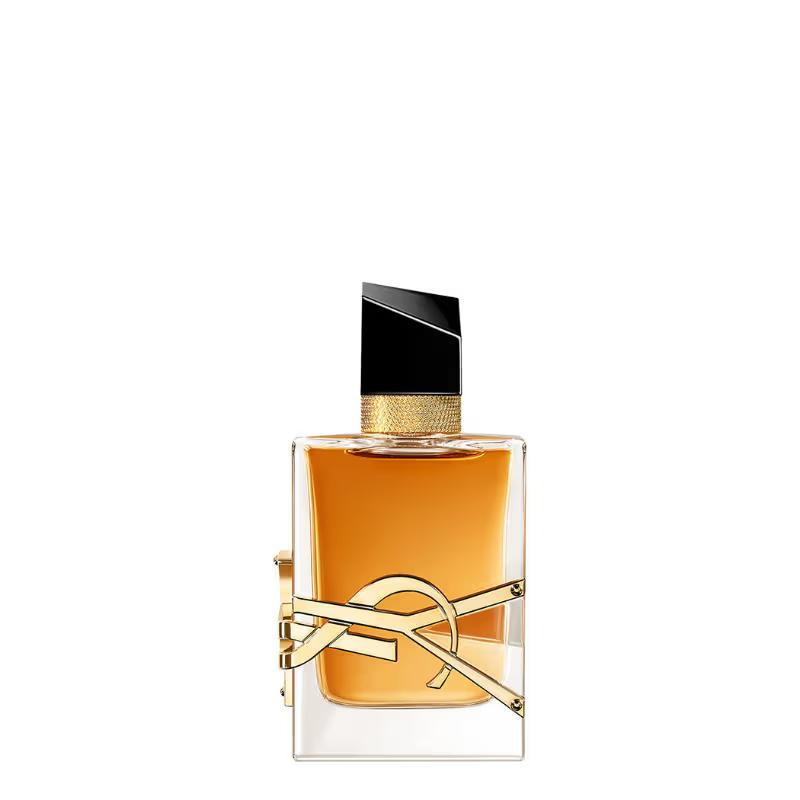
For those exploring luxury fragrances, The Yves Saint Laurent Libre Intense Eau De Parfum exemplifies how EDPs can deliver bold, complex experiences. This fragrance combines Burning Moroccan Orange Blossom with French Diva Lavender, creating an intensified presence that showcases the depth possible with higher concentration levels. The Smoldering Orchid Accord extends its powerful sillage throughout the day, demonstrating why EDPs work so well for evening occasions and when you want an unforgettable scent signature.
There's no universal "better" option—it depends entirely on your needs and preferences. Parfum offers the highest concentration and longest wear, EDP provides excellent longevity with rich complexity, while EDT gives fresh, everyday wearability. Consider your lifestyle, budget, and scent preferences when choosing.
Generally yes, especially if you wear fragrance regularly. EDPs offer better cost-per-wear value due to their longevity and the fact that you need fewer sprays per application. The higher upfront cost often balances out through extended usage and better performance.
EDP is significantly stronger than EDC. With 15-20% fragrance oils compared to EDC's 2-5%, EDPs offer much better projection, longevity, and overall scent intensity. EDCs are designed for light, refreshing wear rather than lasting impact.
Check the bottle label or product description—brands clearly indicate the concentration type. You'll see "Eau de Parfum," "Eau de Toilette," or their abbreviations prominently displayed on packaging. When shopping on Smytten, this information is always included in product details.
Absolutely! Layering can create interesting effects and extend wear time. Try applying EDP to pulse points for longevity, then add EDT for enhanced freshness. This technique works particularly well with fragrances that have different concentration formulations of the same scent.
Understanding the difference between EDP and EDT comes down to concentration, performance, and personal preference. EDPs offer richer, longer-lasting experiences perfect for special occasions and evening wear, while EDTs provide fresh, versatile options ideal for daily use and professional settings. Neither is inherently better—they serve different purposes in a well-rounded fragrance wardrobe.
Consider your lifestyle, budget, and scent preferences when making your choice. If you love bold, long-lasting fragrances and don't mind investing more upfront, EDPs might be your perfect match. If you prefer subtle, fresh scents for everyday wear or want to build a diverse collection, EDTs offer excellent value and versatility.
Navigating the world of fragrance concentrations doesn't have to be overwhelming when you have the right platform to explore your options. Smytten is India's largest product discovery and trial platform, connecting consumers with top lifestyle, beauty, wellness, and grooming brands through curated trial packs from over 1,500 trusted brands. This approach lets you explore different EDP and EDT options before committing to full-size purchases, making fragrance discovery both affordable and rewarding. With trial packs available for just ₹249 and 100% cashback on trials redeemable for future orders, you can confidently explore various perfume concentrations to find what works best for your lifestyle. After all, why settle for guessing when you can try before you buy and discover your perfect fragrance match through authentic, brand-verified minis available on Smytten?
