What Is Scent Stacking? The Perfume Layering Trend Explained


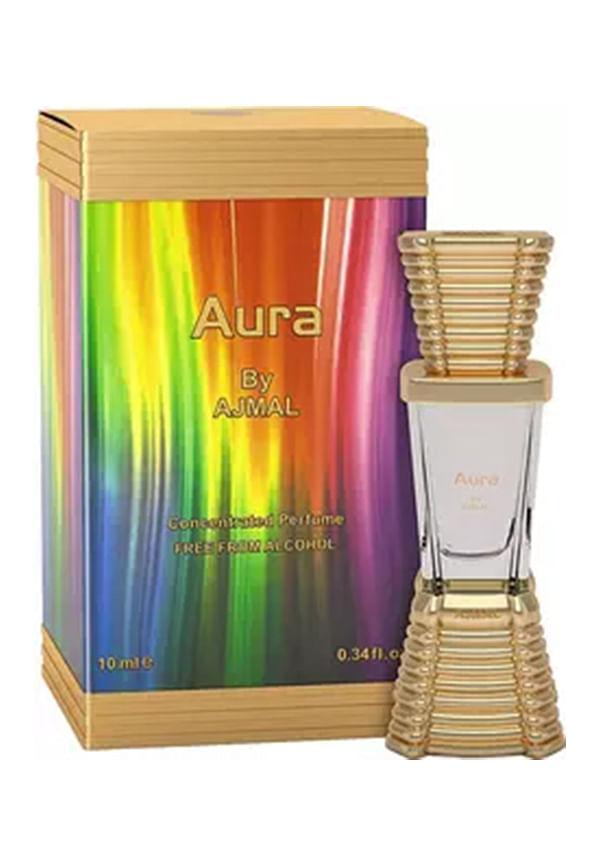
Aura Concentrated Floral Perfume
The art of fragrance has evolved beyond simply spritzing a single perfume and calling it done. Enter scent stacking—a sophisticated technique that's revolutionising how fragrance enthusiasts create their signature scents. This innovative approach involves layering multiple fragrances to craft a unique, personalised aroma that's entirely your own. Unlike traditional perfume application, scent stacking allows you to become your own perfumer, blending different notes and intensities to achieve complexity that no single bottle can deliver. Whether you're a fragrance novice or a seasoned collector, understanding this trend opens up endless possibilities for olfactory creativity and self-expression.
Scent stacking refers to the deliberate layering of multiple fragrances to create a custom scent profile that reflects your personality and mood. This technique has gained massive traction recently, with fragrance communities on social media showcasing their unique combinations and inspiring others to experiment.
The popularity surge stems from several factors: the desire for individuality in an oversaturated perfume market, the influence of niche fragrance culture, and the accessibility of trial-sized products that make experimentation affordable. Unlike wearing a single signature scent, scent stacking allows for daily creativity and adaptation to different occasions, seasons, or moods.
Perfume layering works on the principle of how different fragrance molecules interact and evolve on your skin. Each fragrance has top, middle, and base notes that develop at different rates, and when you layer multiple scents, these notes can either complement or contrast each other in fascinating ways.
The trend has influenced major fragrance houses to create "layering collections"—sets of complementary scents designed specifically for mixing. This shift represents a move away from the traditional "one perfect scent" philosophy toward a more personalised, artistic approach to fragrance.
Mastering fragrance layering requires understanding both technique and timing. The key lies in applying fragrances strategically, considering their intensity, longevity, and how they interact with your skin chemistry.
Start with the heaviest or most long-lasting fragrance as your base layer. This typically means applying oriental, woody, or amber-based scents first. Allow each layer to settle for 30-60 seconds before applying the next fragrance. This prevents the scents from muddling together immediately and allows each one to establish its presence on your skin.
Apply your base fragrance to pulse points—wrists, neck, and behind ears. For subsequent layers, consider applying to different areas: lighter scents on clothing or hair, complementary notes on opposite wrists, or contrasting fragrances on different sides of your neck.
Professional perfumers recommend waiting at least 15 minutes between applications when creating complex layering combinations. This allows you to assess how each addition affects the overall composition and prevents overwhelming your senses.
Creating harmonious layering fragrances for women and men requires following fundamental principles that prevent olfactory chaos. Understanding these rules helps you avoid common mistakes that can result in unpleasant or overwhelming combinations.
The most important rule is to start simple—begin with two complementary fragrances before attempting more complex combinations. Choose scents that share at least one common note family, such as both having floral elements or woody bases. This creates a natural bridge between the fragrances.
Never layer two extremely potent fragrances at full strength. If both scents are powerful, apply one lightly and the other at normal intensity. Consider using lighter concentrations for layering rather than parfum concentrations to maintain balance.
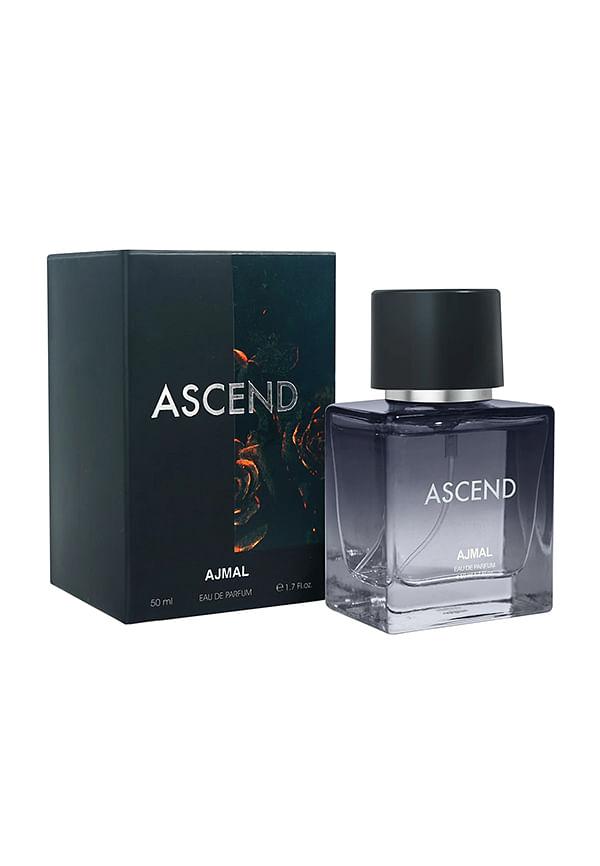
Ascend EDP Oriental Perfume
Complementary layering uses scents from similar families (florals with florals, woods with woods), while contrasting layering deliberately combines opposite elements (fresh citrus with warm vanilla). Both approaches can work, but contrasting requires more skill and experimentation.
Starting your scent stacking perfume journey becomes easier when you understand which fragrance families naturally complement each other. Certain combinations have proven successful across different skin types and preferences.
Citrus and floral combinations offer the safest starting point for beginners. The freshness of citrus notes (bergamot, lemon, grapefruit) pairs beautifully with light florals (rose, peony, lily of the valley). This combination creates an uplifting, versatile scent suitable for daily wear.
Woody fragrances (sandalwood, cedar, vetiver) blend seamlessly with oriental notes (vanilla, amber, patchouli). These combinations create sophisticated, long-lasting scents perfect for evening wear or cooler weather.
Marine and aquatic fragrances layer well with green notes (grass, leaves, herbs) or light musks. These combinations evoke natural, outdoor environments and work particularly well for active lifestyles or summer months.
Once you've mastered basic cologne layering principles, advanced techniques allow for more creative and complex fragrance compositions. These methods require patience and practice but can yield truly unique results.
Gradient layering involves applying the strongest scent to your torso and progressively lighter scents as you move toward your extremities. This creates a scent aura that changes as people move closer to you, offering different olfactory experiences at various distances.
Advanced practitioners adjust their layering combinations based on weather and season. Summer combinations might emphasise fresh, light notes on top of a subtle base, while winter layering could feature rich, warm notes as the dominant elements.
Create different "scent wardrobes" for various moods or occasions. Develop energising morning combinations, confidence-boosting work blends, and relaxing evening compositions. This approach treats fragrance as an extension of your emotional and psychological state.
Even experienced fragrance enthusiasts make errors that can ruin otherwise promising fragrance layering guide attempts. Learning from these common mistakes saves time, money, and prevents disappointing results.
The biggest mistake is over-application—using too much of each fragrance in an attempt to make every note prominent. This creates a cacophonous blend that overwhelms rather than delights. Remember that layering should complement, not overpower.
Certain fragrance ingredients don't mix well chemically. Avoid combining fragrances with high alcohol content with oil-based scents, as they can separate on the skin. Similarly, some synthetic molecules can clash, creating unpleasant metallic or chemical odours.
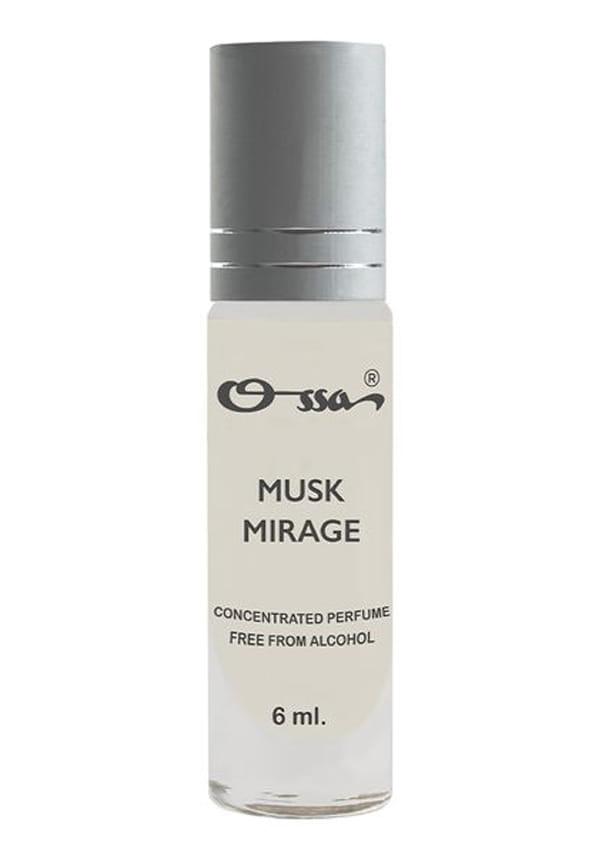
Musk Mirage Concentrated Perfume
What works on others may not work on you due to individual skin chemistry differences. pH levels, skin type, and even diet can affect how fragrances develop. Always test combinations on your own skin rather than relying solely on others' recommendations.
The journey to finding your signature scent stacking combinations requires systematic experimentation and patience. Professional perfumers spend years developing their palates, and amateur enthusiasts should expect a learning curve.
Smytten is India's largest product discovery and trial platform, connecting consumers with top lifestyle, beauty, wellness, and grooming brands. At its core, Smytten offers curated trial packs - mini-sized products from over 1,500 trusted brands. This lets users explore and experience products before committing to full-size purchases. The platform covers a wide range of categories, including fragrances, making it perfect for scent mixing experimentation. Each mini is linked with Trial Points, and users can get up to 8 minis for just ₹249. Plus, Smytten offers 100% cashback on the purchase of these minis, redeemable in the shop section for future orders, making product discovery both affordable and rewarding.
Keep a fragrance journal documenting successful and unsuccessful combinations. Note the specific fragrances used, application methods, weather conditions, and how the combination evolved throughout the day. This creates a personal database of what works for your unique preferences and skin chemistry.
Start with versatile base fragrances that pair well with multiple other scents. Invest in a few high-quality, complementary fragrances rather than many random options. Focus on building a cohesive collection where most pieces can work together in various combinations.
Industry professionals who create custom fragrances for celebrities and luxury clients share insights that can elevate your layering perfumes technique from amateur to sophisticated. Master perfumer recommendations emphasise the importance of understanding fragrance architecture—how top, middle, and base notes interact over time.
When layering, consider how each fragrance's development timeline will affect the overall composition throughout the day. Some combinations might smell amazing initially but become unpleasant as they dry down, whilst others might start weak but become beautiful after an hour.
Professional perfumers adjust their layering techniques based on environmental factors. Higher temperatures amplify fragrance projection, so summer layering requires lighter application. Humidity affects how fragrances develop, with some notes becoming more prominent in moist conditions.
Prepare your skin properly before applying layered fragrances. Use unscented moisturiser to create a smooth base that helps fragrances last longer. Avoid heavily scented body products that might interfere with your carefully crafted combinations.
Adapting your scent mixing approach to different seasons ensures your fragrance combinations remain appropriate and enjoyable year-round. Each season presents unique opportunities and challenges for layering enthusiasts.
Spring calls for fresh, optimistic combinations that mirror the season's renewal energy. Layer light florals with green notes or combine citrus with soft woods. These combinations should feel uplifting and clean, reflecting the season's fresh start mentality.
Summer heat intensifies fragrance projection, requiring lighter application and fresh note emphasis. Focus on aquatic, citrus, and light floral combinations. Consider applying base notes to clothing rather than skin to prevent overwhelming intensity in high temperatures.
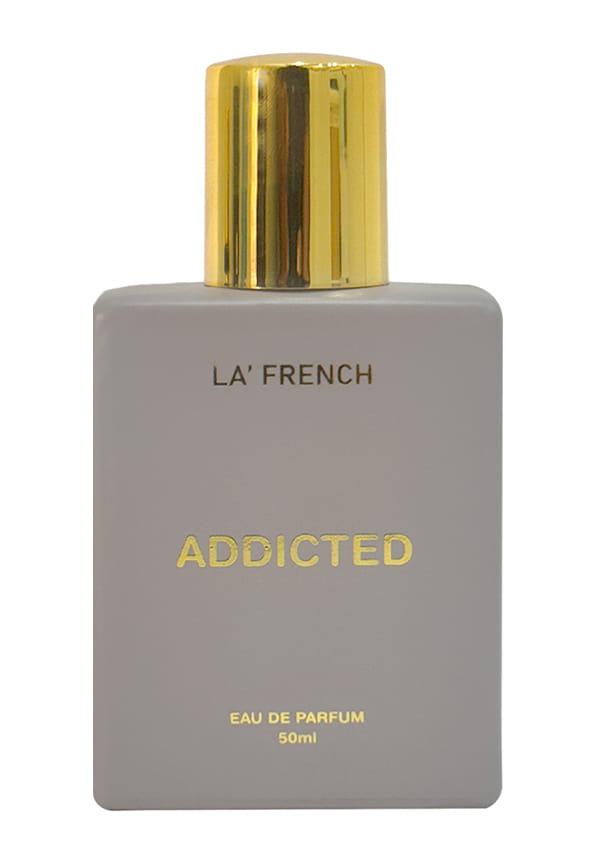
Addicted Long Lasting Elegant and Versatile Perfume
Cooler months allow for richer, more complex layering combinations. This is the perfect time to experiment with oriental, spicy, and gourmand layering. The lower temperatures help prevent these heavier combinations from becoming overwhelming.
Developing confidence in your how to scent stack perfumes abilities requires practice, patience, and self-trust. Many beginners doubt their choices, but building olfactory confidence is essential for successful layering.
Start by trusting your instincts—if a combination smells good to you, it's valid regardless of conventional wisdom. Your personal preference matters more than following rigid rules. However, seek feedback from trusted friends or family members whose opinions you value.
Analyse your existing fragrance collection to identify patterns in your preferences. Do you gravitate toward fresh, floral, woody, or oriental scents? Understanding your natural inclinations helps guide successful layering experiments whilst identifying areas for potential expansion.
Learn to articulate what you smell and how different combinations make you feel. This vocabulary helps you communicate with others about fragrances and makes it easier to replicate successful combinations or avoid unsuccessful ones.
Most experts recommend starting with 2-3 fragrances maximum. Whilst some advanced practitioners layer 4-5 scents, this requires significant skill and experience. Beginners should focus on mastering two-fragrance combinations before attempting more complex layering.
Yes, waiting 30-60 seconds between applications allows each fragrance to settle and prevents immediate muddling. For complex combinations, some perfumers wait up to 15 minutes between layers to assess how each addition affects the overall composition.
Absolutely. Mixing different concentrations can create interesting intensity variations. Generally, apply stronger concentrations first and lighter ones on top, but experimentation may reveal exceptions that work beautifully.
Layered combinations often have better longevity because you're essentially creating a more complex fragrance architecture with multiple development stages. However, the longevity depends on the specific fragrances used and their individual lasting power.
People with sensitive skin should approach layering cautiously, starting with gentle, hypoallergenic fragrances. Test each combination on a small skin area first, and consider applying some layers to clothing rather than directly to skin.
If a combination smells unpleasant, you can try adding a third fragrance to bridge the gap between conflicting notes, or simply wait for the top notes to fade, as the combination might improve as it develops. In worst cases, you may need to wash off and start over.
Scent stacking represents a creative evolution in personal fragrance that empowers individuals to become their own perfumers. This trend transforms fragrance from a simple beauty routine into an art form that reflects personality, mood, and creativity. Success in layering fragrances requires understanding basic principles, practising patience, and trusting your personal preferences whilst remaining open to experimentation.
The key to mastering scent stacking lies in starting simple, documenting your experiments, and gradually building complexity as your skills develop. With platforms like Smytten making fragrance experimentation accessible through trial-sized products, there's never been a better time to explore this fascinating aspect of personal style. Remember that the best layering combination is the one that makes you feel confident and expresses your unique identity—there are no absolute rules, only guidelines to help you discover your perfect scent signature.
