What is Scent Layering in Perfumery? Your Guide
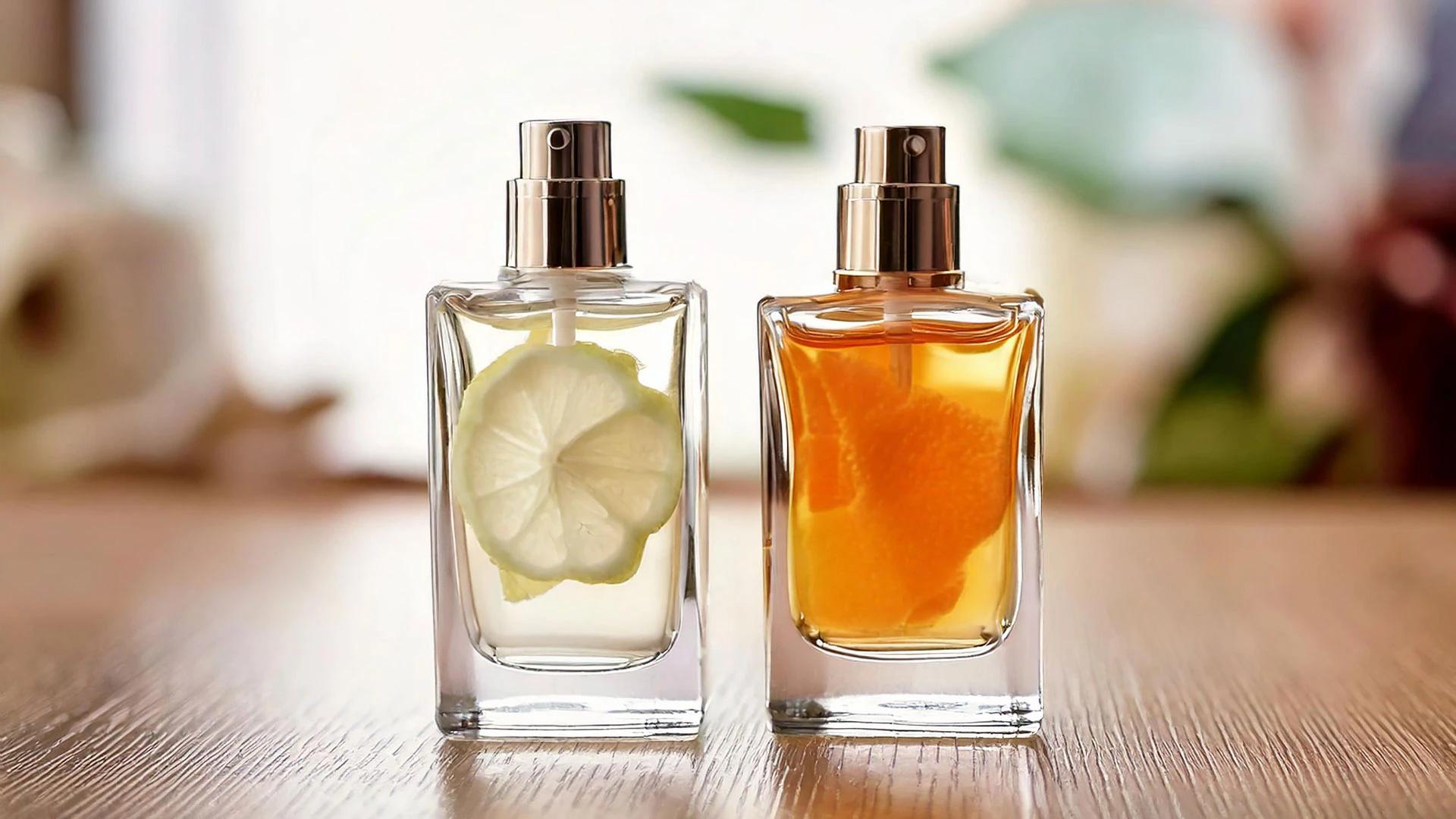

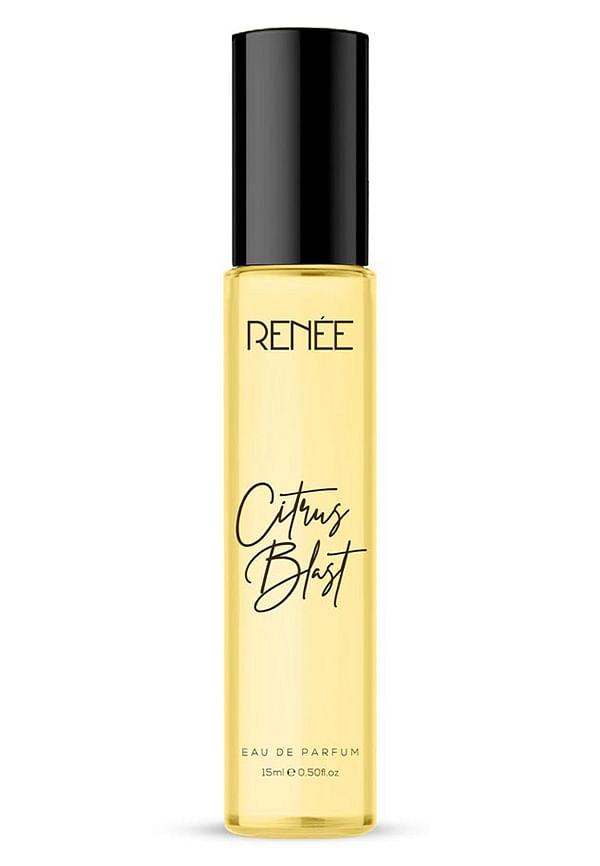
Citrus Blast Eau De Parfum
Unique Vanilla Citrus Fragrance
 5
5“Vanilla fragnace with hint of citrus….very unique ”
Excellent Product
5“One of the best product of smytten worth the money and buying”
Loved & Affordable Perfume
5“Love this perfume and affordable”
Ever wondered how some people seem to have this magical signature scent that's completely unique to them? The secret isn't finding one perfect perfume—it's mastering what is scent layering in perfumery. This art of combining perfumes has been quietly revolutionising how we think about fragrance, moving beyond the traditional one-bottle approach to creating something entirely your own. Whether you're a fragrance newbie curious about perfume layering techniques or someone ready to dive into advanced perfumery techniques, understanding how to layer fragrances opens up a whole new world of scent possibilities. With Smytten offering trial-sized versions of premium fragrances, experimenting with fragrance blending has never been more accessible or affordable. Let's explore this fascinating world where chemistry meets creativity, and where your next signature scent might just be a clever combination away.
TL;DR
Scent layering in perfumery is the art of combining multiple fragrances to create a unique, personalised scent profile that's entirely your own.
Successful fragrance layering requires understanding perfume notes structure (top, middle, base) and how different scent families interact chemically.
Essential perfume layering techniques include applying fragrances from light to heavy, allowing proper drying time between applications, and starting with complementary scent families.
Popular layering combinations include floral + woody, citrus + spice, and vanilla + oud pairings that create sophisticated, multi-dimensional fragrances.
Common mistakes include over-layering, clashing fragrance families, and ignoring skin chemistry—all easily avoided with proper technique and practice.
Scent layering in perfumery is the deliberate art of combining multiple fragrances to create a unique, personalised scent profile that's entirely your own. Unlike wearing a single fragrance, this technique involves strategically applying different perfumes to build depth, complexity, and longevity that no single bottle could achieve alone.
The practice differs fundamentally from traditional perfumery where you'd choose one signature scent and stick with it. Instead, combining perfumes allows you to become your own perfumer, crafting custom scents that reflect your mood, the season, or the occasion. Think of it as creating a fragrance cocktail—each element contributes something special to the final blend.
What makes building a perfume scent through layering so appealing is the endless possibilities it creates. You're not limited to what's available in stores; you can craft something that's uniquely yours. Professional perfumers have embraced this approach for decades, and now fragrance enthusiasts worldwide are discovering the joy of creating their own olfactory masterpieces.
The benefits extend beyond just smelling amazing. Layering can enhance longevity, create better sillage, and allow you to use fragrances you love in new ways. That citrus perfume that fades too quickly? Layer it with a woody base. That floral that's too sweet on its own? Balance it with something fresh and green.
Understanding how perfume notes layering works requires a bit of fragrance chemistry. Every perfume is structured in three layers: top notes (what you smell first), middle or heart notes (the main character), and base notes (the foundation that lasts longest). When you layer fragrances, these notes interact in fascinating ways.
The chemistry of scent combination is all about molecular compatibility. Some fragrance molecules naturally complement each other, while others clash. This is why certain scent families—like citrus and woody, or floral and vanilla—tend to work beautifully together, while others might create an unpleasant muddy effect.
When you layer fragrances, the scent evolution becomes more complex and interesting. The initial spray combines the top notes of both fragrances, creating an immediate burst that's often the most dramatic part of the experience.
During the heart note blending phase, the middle notes of your layered fragrances start to emerge and interact. This is where the magic really happens—where a simple floral might gain depth from a woody companion, or where a fresh citrus gets warmth from a spicy base. Top notes typically last 15-30 minutes, while heart notes emerge after 30 minutes and last 2-4 hours.
The base note foundation stage is where longevity comes into play. By layering fragrances with complementary base notes, you create a more robust foundation that lasts longer than either fragrance would alone. The dry down evolution continues for hours, with the scent morphing and revealing new facets as different notes fade and emerge.
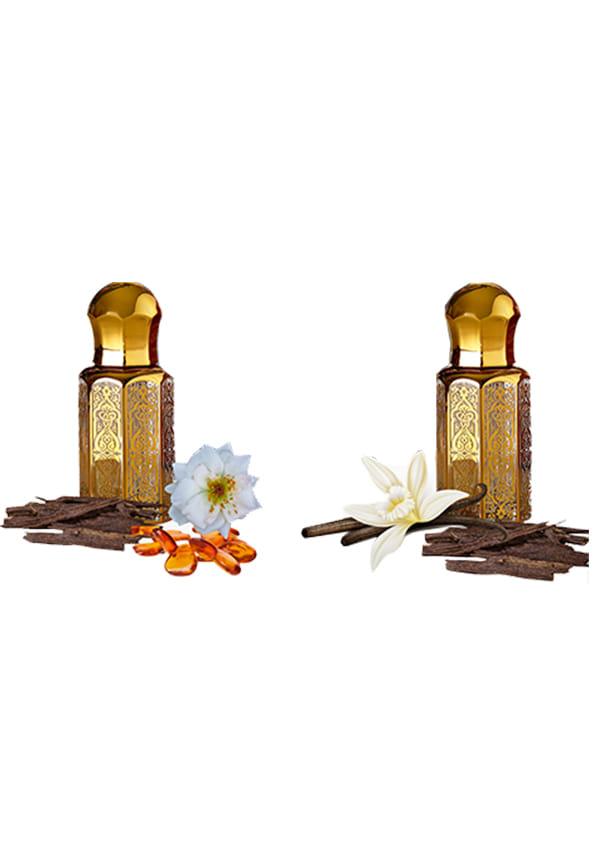
Vanilla Oudh + White Oudh Attar Perfume
Learning how to layer fragrances properly starts with understanding the basic application method. The golden rule is to apply from lightest to heaviest—start with your most delicate fragrance and build up to the most intense. This prevents heavier scents from overwhelming lighter ones.
Skin preparation is crucial for optimal scent combination. Clean, moisturised skin holds fragrance better and allows for more accurate blending. Apply your first fragrance and let it dry for about 30 seconds before adding the next layer. This timing prevents the alcohol from different fragrances from interfering with each other.
Start with complementary scent families rather than contrasting ones. Floral and fruity work well together, as do woody and spicy combinations. This creates harmony rather than competition between your chosen fragrances.
Use restraint when beginning your layering journey. Two fragrances are often enough to create something beautiful—you don't need to use your entire collection at once. Test combinations on your skin before committing to wearing them out, as fragrances can smell different on skin than they do in the bottle.
Consider the longevity and projection differences between your chosen fragrances. If one is much stronger than the other, use less of the dominant one to maintain balance throughout the wear time.
Once you've mastered basic layering, creating custom scents becomes an art form. Advanced practitioners often work with fragrances of different concentrations—combining an eau de toilette with an eau de parfum, or adding a parfum oil for depth and longevity.
Seasonal layering strategies can transform your fragrance wardrobe. In summer, layer light citrus with aquatic notes for refreshing complexity. Winter calls for warming combinations like vanilla with oud or spice with amber. These strategic approaches to fragrance blending ensure your scent always feels appropriate for the weather and occasion.
Professional perfumers often use the technique of 'bridging'—finding a common note between two fragrances to create seamless blending. If you want to combine a rose perfume with a woody scent, look for one that contains sandalwood and another with rose-sandalwood accords.
Building signature scent profiles involves creating multiple layering combinations that all feel cohesively 'you.' This might mean having a fresh daytime combination, a sophisticated office blend, and a sultry evening mix—all using overlapping fragrances to maintain your personal scent identity.
Some fragrance combinations have proven themselves as classics in the layering world. Floral and woody pairings create sophisticated, well-rounded scents that work for both day and evening wear. Think rose with sandalwood, or jasmine with cedar—these combinations offer femininity with grounding depth.
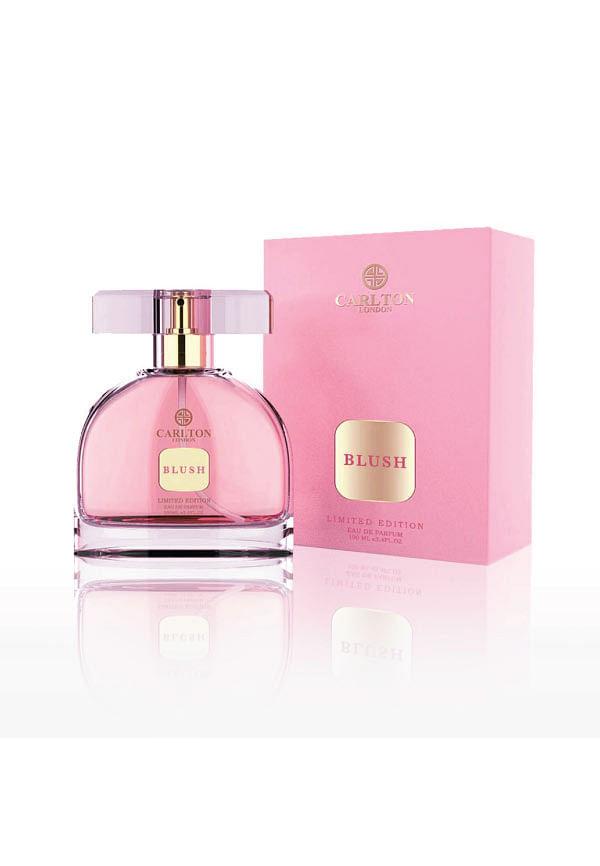
Limited Edition Blush Perfume
Really Good Product
5“bro I have no words for this it's really good too be honest”
Really Good Product
5“bro I have no words for this it's really good too be honest”
Really Good Product
5“bro I have no words for this it's really good too be honest”
Citrus and spice combinations bring fresh complexity that's perfect for transitional seasons. Bergamot with black pepper, or grapefruit with ginger create invigorating blends that are both energising and sophisticated. These pairings work particularly well for office environments where you want something noticeable but not overwhelming.
Fragrance Combination | Best For Skin Type | Occasion | Affordability | Key Ingredients |
|---|---|---|---|---|
BELLA VITA's Vanilla pick + OSSA Rose Velvet | Normal to Dry | Evening/Date Night | ₹800-1200 | Vanilla, Rose, Jasmine |
LA' FRENCH Hikaya Imperial + CFS Cargo Aqua | Oily to Combination | Daily Office Wear | ₹600-900 | Citrus, Aquatic, Floral |
ATARSTORY White Oudh + The Love Co. Fall in Love | Sensitive | Special Occasions | ₹500-800 | Oudh, Grapefruit, Jasmine |
DENVER Black Code + SECRET TEMPTATION Aura | Normal | Casual Day Wear | ₹400-600 | Bergamot, Green Apple, Lavender |
PROJEKT ALTERNATIVE Grand Matin + Plum Body Mist | All Skin Types | Weekend/Leisure | ₹1000-1500 | Citrus, Fruity, Aromatic |
Vanilla and oud pairings represent the luxury end of layering, creating warm, opulent scents perfect for evening wear or special occasions. The sweetness of vanilla balances the intensity of oud, while the oud adds sophistication to what might otherwise be a simple gourmand scent.
Fresh and musky combinations offer clean sophistication that works beautifully in professional settings. These pairings provide presence without being overwhelming, making them ideal for those who want to smell put-together without making a bold statement.
Over-layering is perhaps the most common mistake beginners make when learning perfume layering techniques. Using too many fragrances or applying too much of each creates a confusing, overwhelming scent that can be unpleasant for both you and those around you. The solution is simple: start with less than you think you need and build gradually.
Clashing fragrance families can create muddy, unpleasant combinations. Mixing very sweet gourmand scents with fresh aquatic ones, for example, often results in a confused smell that doesn't work. Stick to complementary families until you develop a better understanding of how different notes interact.
Improper application techniques can ruin even the best fragrance combinations. Spraying fragrances too close together without allowing drying time, or applying them to the wrong pulse points can affect how they blend and develop on your skin.
Ignoring your skin chemistry is another frequent error. What smells amazing on your friend might not work on you due to differences in skin pH, natural oils, and body chemistry. Always test combinations on your own skin and wear them for a full day before deciding if they work.
Not considering fragrance longevity differences can lead to unbalanced combinations. If one fragrance fades much faster than the other, you'll end up with a completely different scent after a few hours than what you started with.
Start by applying your lightest fragrance first, allow it to dry for 30 seconds, then apply your heavier fragrance. Focus on pulse points like wrists, neck, and behind ears. Use restraint—two sprays of each fragrance is usually sufficient. Test combinations on your skin before wearing them out, as fragrances can smell different on skin than in the bottle.
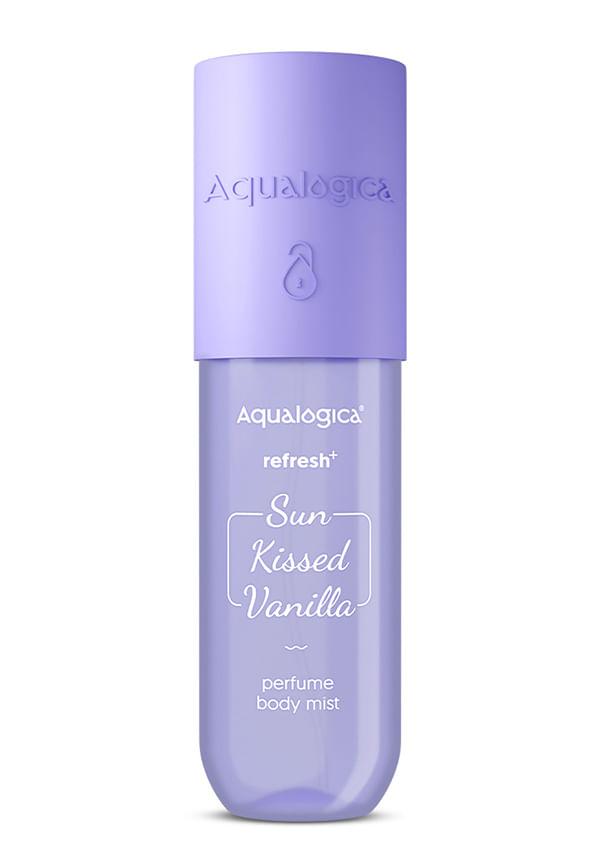
Refresh+ Sun Kissed Vanilla Perfume Body Mist
Lovely Vanilla Floral Mist
5“Must buyyyy mistttttttt Love itttttt!!! its fragrance is vanilla, floral, nice smell”
Lovely Vanilla Floral Mist
5“Must buyyyy mistttttttt Love itttttt!!! its fragrance is vanilla, floral, nice smell”
Lovely Vanilla Floral Mist
5“Must buyyyy mistttttttt Love itttttt!!! its fragrance is vanilla, floral, nice smell”
The five stages include: initial spray combining top notes, heart note blending phase (15-30 minutes), base note foundation establishment (1-2 hours), dry down evolution (2-4 hours), and final scent signature (4+ hours). Each stage reveals different aspects of your layered combination as various notes emerge and fade.
For beginners, three perfumes can be overwhelming and may create a muddy, confused scent. Start with two complementary fragrances and master that technique before adding a third. If you do use three, ensure they're from the same scent family or have common bridging notes.
Modern scent layering represents a shift from traditional single-fragrance wearing to personalised scent creation. It's about becoming your own perfumer, combining different fragrances to create unique signatures that reflect your personality, mood, or occasion. This approach offers endless customisation possibilities that single fragrances can't provide.
Start with fragrances from the same brand or scent family, use the 'light to heavy' application rule, test combinations on your skin first, and keep a fragrance journal to track what works. Popular beginner-friendly combinations include citrus + floral, vanilla + woody, or fresh + musky pairings. You can easily explore these combinations with trial sizes available on Smytten.
Yes, layering different concentrations like EDT with EDP can create interesting depth and longevity variations. The EDT provides initial freshness while the EDP offers lasting power. Apply the lighter concentration first, then the heavier one for best results.
Mastering what is scent layering in perfumery opens up endless possibilities for creating your unique signature scent. The key lies in understanding fragrance structure, starting with complementary scent families, and applying proper layering techniques. Remember that successful fragrance blending is about balance—using restraint while building complexity through thoughtful combination.
Whether you're combining citrus with woody notes for daytime sophistication or pairing vanilla with oud for evening luxury, the art of creating custom scents allows you to express your personality in ways that single fragrances simply can't match. Start with simple two-fragrance combinations, test everything on your skin, and keep track of what works for your unique chemistry.
The most important aspect of perfume layering techniques is experimentation. What works for others might not work for you, and that's perfectly fine. Your skin chemistry, personal preferences, and lifestyle will guide you towards combinations that feel authentically yours.
Exploring the world of scent layering becomes much more accessible when you can try before you buy. Smytten is India's largest product discovery and trial platform, connecting consumers with top lifestyle, beauty, wellness, and grooming brands. With curated trial packs from over 1,500 trusted brands including BELLA VITA, OSSA PERFUME, LA' FRENCH, and many others featured in this guide, you can experiment with different fragrance combinations without the commitment of full-size purchases. Each mini is linked with Trial Points, and users can get up to 8 minis for just ₹249, plus Smytten offers 100% cashback on the purchase of these minis, redeemable for future orders. This makes discovering your perfect layering combinations both affordable and rewarding. With over 25 million users and 100 million trial minis delivered across 27,000+ pincodes, Smytten helps you make smarter, more confident fragrance choices. After all, why settle for 'maybe' when you can #TryItAll!
