Step-by-Step Guide to Extracting Sandalwood Essential Oil


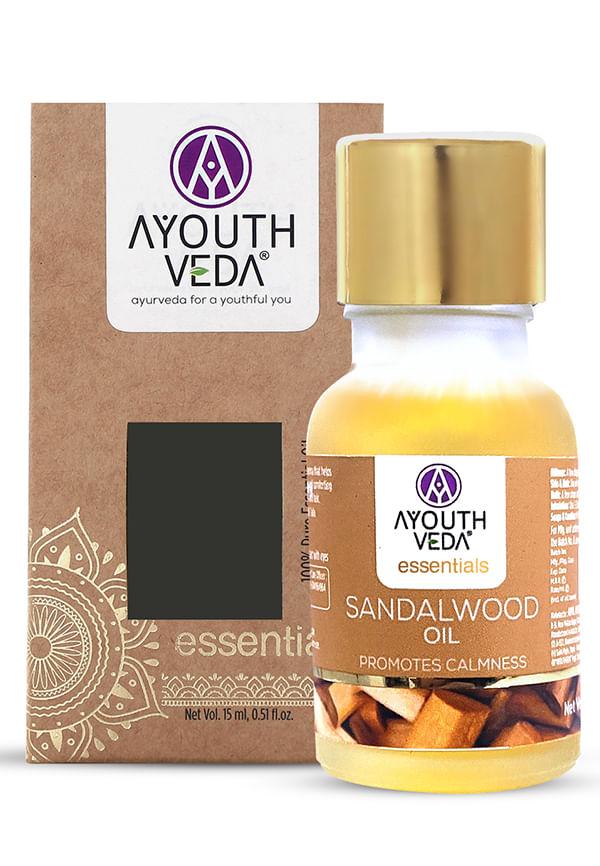
Sandalwood Essential Oil
Sandalwood has long captivated people with its warm, alluring aroma, as well as its reputation for delivering extensive benefits. This guide provides a clear, step-by-step process for extracting sandalwood essential oil, revealing the natural treasure hidden within. Whether you're an avid DIY enthusiast or simply curious, these detailed instructions, tips, and insights will enhance your understanding of why sandalwood holds such high value.
Sandalwood originates from the sandalwood tree and is cherished for its calming, luxurious fragrance. Found in various regions known for aromatic plants, the oil’s scent and therapeutic potency vary based on the tree's origin. Indian sandalwood is especially renowned, but other global varieties offer their unique qualities. This diversity influences the aroma and benefits provided by the extracted oil.
It’s crucial to prioritize sustainability today, as overharvesting has endangered many natural resources, including the sandalwood tree. By selecting ethically sourced, high-quality sandalwood, buyers actively contribute to preserving this botanical treasure. Sandalwood's calming fragrance and versatile therapeutic properties make it ideal for aromatherapy, skincare, and spiritual practices.
Before beginning the extraction, gathering the proper tools and materials ensures a successful and safe process. Here are the essentials required:
Grinding Tools: A mortar and pestle or grinder to create fine sandalwood particles.
Distillation Kit: A steam distillation setup for isolating the essential oil.
Heat Source: A stable, controllable heat source to gently warm the mixture.
Carrier Oil: Used to dilute and preserve the extracted sandalwood essential oil.
Ensuring the quality of your sandalwood material is paramount. Opt for trusted suppliers who provide high-grade chips or powder. Before you work with distillation equipment, familiarize yourself with safety protocols to handle equipment responsibly and operate in a ventilated space.
The extraction process provides a hands-on way to capture the essence of sandalwood. By following these steps, you can produce high-quality oil enriched with its signature fragrance and benefits.
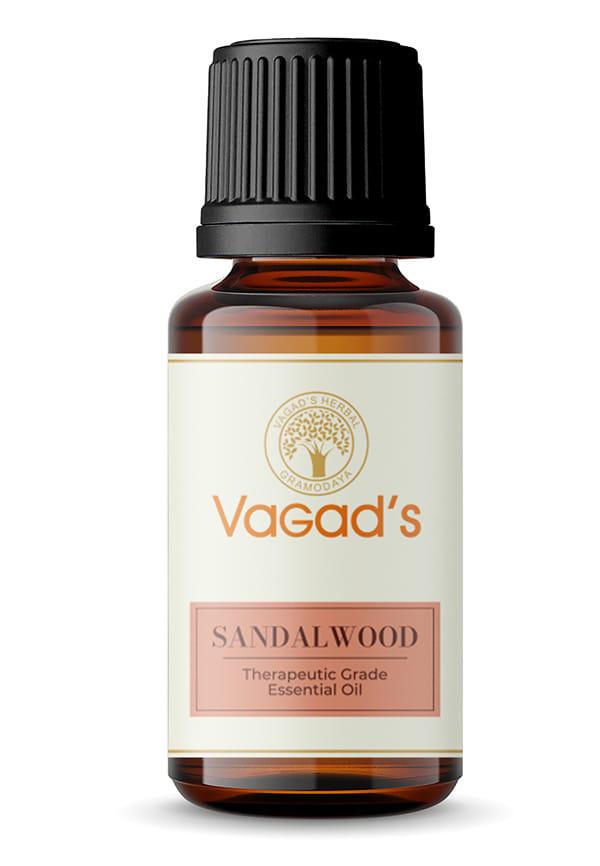
Sandalwood Essential Oil
Versatile Great Smell
 5
5“great smell can use in face masks and for refreshing room”
Amazing Fragrance
5“it's fragrance is amazing.....”
Good Product
4“good product ..................”
Start by grinding sandalwood chips or powder into fine particles. The finer the material, the better the yield during distillation. Ensure your sandalwood is dry, pure, and free of contaminants to maximize quality and aroma.
Steam distillation, a widely-used method for essential oil extraction, is the chosen technique here. Assemble your apparatus as per the instructions. Place the ground sandalwood into the chamber and set up tubes to direct the vapor towards the condensation unit. Apply heat gently to avoid altering the natural fragrance of the sandalwood.
As the mixture heats, steam will pass through the sandalwood, carrying its aromatic compounds. This steam condenses in the coil, collecting the volatile components in a liquid mixture. You can separate the essential oil from this liquid once the condensation completes.
After extracting the oil, transfer it into amber glass bottles to preserve its quality. These containers protect the oil from light exposure and ensure durability. Follow storage recommendations to retain the oil’s aromatic potency over time.
Pro Tip: If you lack access to distillation kits, solvent extraction offers a viable alternative to distill sandalwood essential oil efficiently when performed with precision.
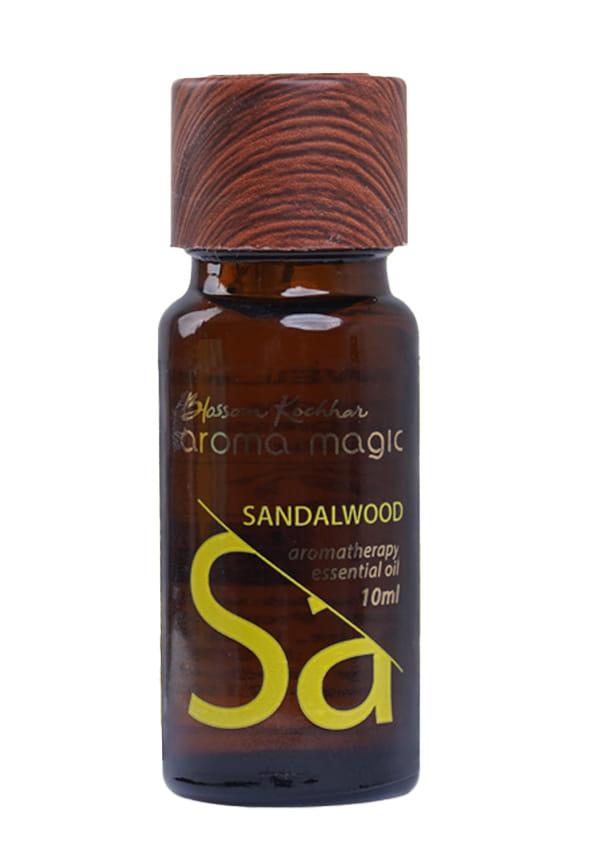
Sandalwood Essential Oil
The versatility of sandalwood essential oil allows you to enjoy its benefits across various applications. Here are some suggestions for integrating this oil seamlessly into your daily routine:
Aromatherapy: Add a few drops to a diffuser for stress relief and mental clarity. Its soothing aroma creates a calming atmosphere to unwind.
Skincare: Incorporate into a carrier oil for its anti-inflammatory benefits. Sandalwood essential oil helps alleviate acne and provides hydration for dry skin.
Perfume Creation: Blend the oil with unscented lotion or natural alcohol to craft your personalized sandalwood scent.
Spiritual Practices: Use the rich scent to deepen focus during meditation and rituals, enhancing mindfulness.
Sandalwood essential oil stands apart from other options like lavender or eucalyptus, offering a richer, longer-lasting aroma. Beyond relaxation, it evokes calm, clarity, and balance, making it uniquely suited for therapeutic use. Its deep ties to tradition and its distinctive fragrance boost its appeal compared to other oils.
The extraction process spans several hours, contingent on the equipment and techniques applied. Patience is essential to achieve optimal results.
Yes, solvent extraction serves as an alternative to steam distillation when performed correctly. However, it requires diligent handling to ensure success.
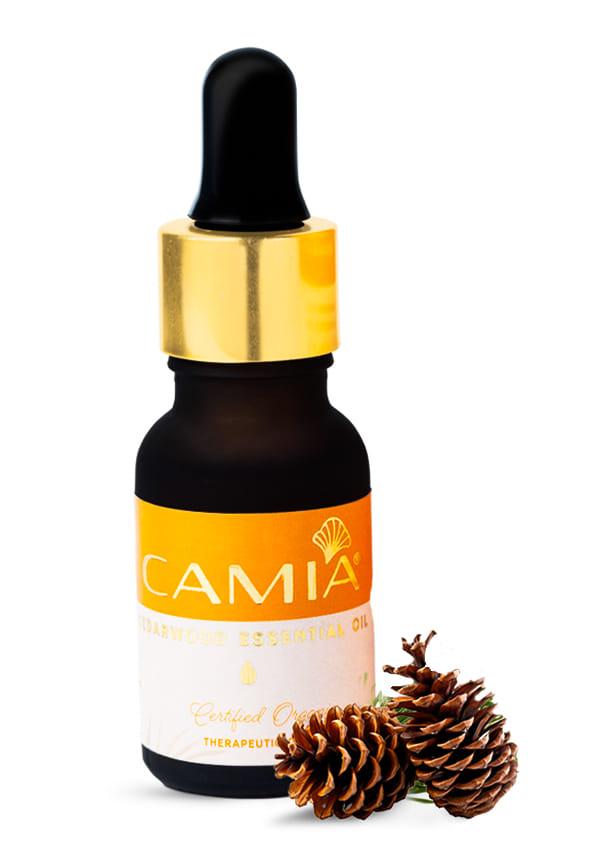
Cedarwood Essential Oil
Essential oil is a pure extract derived from sandalwood, while sandalwood fragrance may include synthetic components mimicking its scent.
The amount required depends on the extraction method and desired yield. Using higher quantities often results in increased oil output.
To ensure you purchase authentic sandalwood products, use some practical measures to verify their quality:
Examine the Source: Choose vendors who clearly outline their sourcing practices and ensure ethical standards.
Check the Appearance: Genuine sandalwood exhibits consistent texture and color, free from irregularities.
Ask for Certification: Look for certification verifying the product’s purity and sustainability.
Extracting sandalwood essential oil is a rewarding experience blending art and science. From careful preparation and setup to meticulous storage, every step contributes to creating a high-quality product that preserves its natural benefits. The oil’s diverse applications—whether in aromatherapy, skincare, or spiritual rituals—make the effort worthwhile.
By following this guide, you ensure the process is both effective and sustainable. As a steward of nature, you help protect the sandalwood tree while experiencing its advantages firsthand. Try your hand at extraction and discover how sandalwood’s alluring scent elevates everyday wellness practices.
If this guide resonated with you, delve deeper into our resources to learn more about using sandalwood essential oil. Explore topics such as crafting custom perfumes, understanding its therapeutic effects, and adopting sustainable cultivation techniques. Each article offers valuable insights to elevate your journey in natural aromatherapy.
We encourage you to share your journey and questions in the comments section. Your interaction enriches the learning experience for others and sparks further exploration of sandalwood’s amazing possibilities.
