Skin pH and Perfume: Your Questions Answered

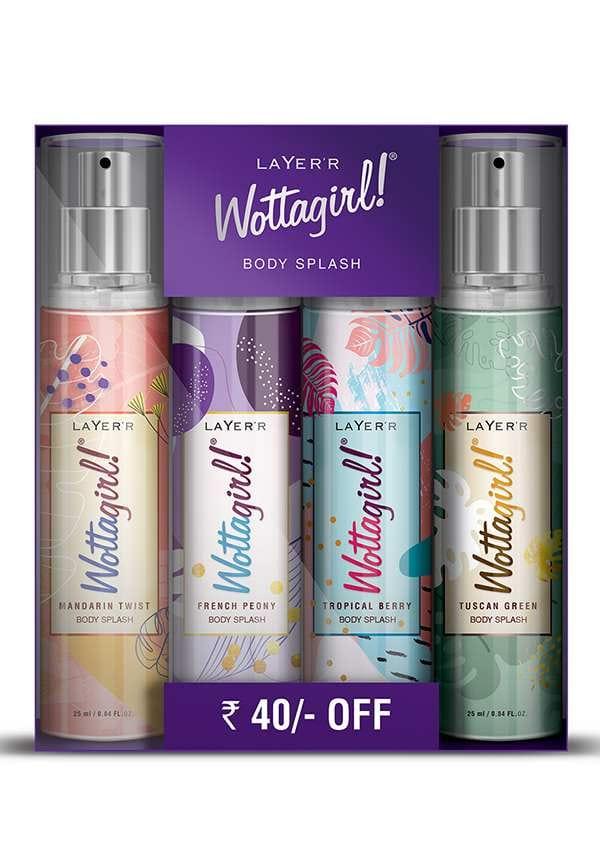
Body Splash
Ever wondered why that gorgeous perfume your friend swears by smells completely different on you? Or why your signature scent seems to vanish within hours while it lasts all day on someone else? The answer lies in something you might not have considered: your skin's pH level. How does skin pH affect how a perfume smells on you? It's all about the unique chemistry happening between your skin and those fragrance molecules. Understanding this invisible interaction can completely transform your fragrance game, helping you choose scents that truly work with your body chemistry rather than against it. With platforms like Smytten offering trial-sized fragrances, you can now explore how different perfumes interact with your unique skin chemistry without the commitment of full-size bottles.
Your skin's pH level (typically 4.7-5.75) directly influences how perfume molecules interact with your skin, changing the scent's character and longevity
Body chemistry factors like skin oils, hormones, and moisture levels affect how fragrances develop and last on your skin
Different fragrance families react differently to various skin types - what smells amazing on oily skin might fade quickly on dry skin
Understanding your skin's fragrance personality helps you choose perfumes that complement your natural chemistry
Simple testing techniques and application strategies can maximise any fragrance's performance on your unique skin
Your skin isn't just a canvas for fragrance - it's an active participant in how your perfume develops and evolves throughout the day. The relationship between skin pH and perfume is fascinating and complex, involving real chemical reactions that determine whether a scent becomes your signature or your nightmare.
Your skin maintains a naturally acidic environment, typically ranging from 4.7 to 5.75 on the pH scale. This acidic barrier, known as the acid mantle, protects your skin from harmful bacteria and environmental damage. However, this same acidity plays a crucial role in how perfume and skin acidity interact. Some people naturally have more acidic skin, while others lean towards the neutral end of the spectrum.
When you spray perfume on your skin, you're not just applying scent - you're starting a chemical reaction. Fragrance compounds interact with your skin's natural oils, pH level, and even the proteins in your skin. This is why perfume smells different on skin compared to how it smells in the bottle or on a paper strip. The warmth of your skin helps volatilise the fragrance molecules, while your skin's chemistry can actually alter the molecular structure of certain compounds.
Understanding body chemistry and fragrance interaction goes beyond just pH levels. Multiple factors work together to create your unique fragrance fingerprint, determining how perfumes will smell and perform on your skin.
Under Arm Roll On With 5% AHA, 2% Kojic Acid & 1% Mandelic Acid
Oily skin tends to hold fragrance longer because the natural oils help trap and slowly release scent molecules. If you have oily skin, you might find that fragrances last longer but can sometimes smell more intense. Dry skin, on the other hand, tends to absorb fragrance quickly, which can lead to faster fade times but often creates a softer, more subtle scent projection.
Skin oils and perfume work together in fascinating ways. Your sebaceous glands produce natural oils that can either enhance or compete with fragrance molecules. Body temperature also plays a crucial role - warmer skin projects fragrance more strongly, which is why pulse points (where blood vessels are close to the surface) are traditional application spots.
Your hormones can significantly impact how perfume interacts with skin. During different times of your menstrual cycle, pregnancy, or even stress periods, your skin chemistry changes. This explains why your favourite perfume might smell different on different days - it's not the perfume changing, it's your body chemistry.
The phenomenon of perfume dry down skin reactions is one of the most intriguing aspects of fragrance chemistry. Understanding this process helps explain why a perfume might smell completely different after a few hours compared to the initial spray.
Every perfume goes through three distinct phases on your skin. The top notes hit first - these are usually light, volatile molecules that evaporate quickly. Middle notes emerge next, forming the heart of the fragrance. Finally, base notes appear, which are heavier molecules that interact most deeply with your skin chemistry. How each stage develops depends heavily on your individual skin characteristics.
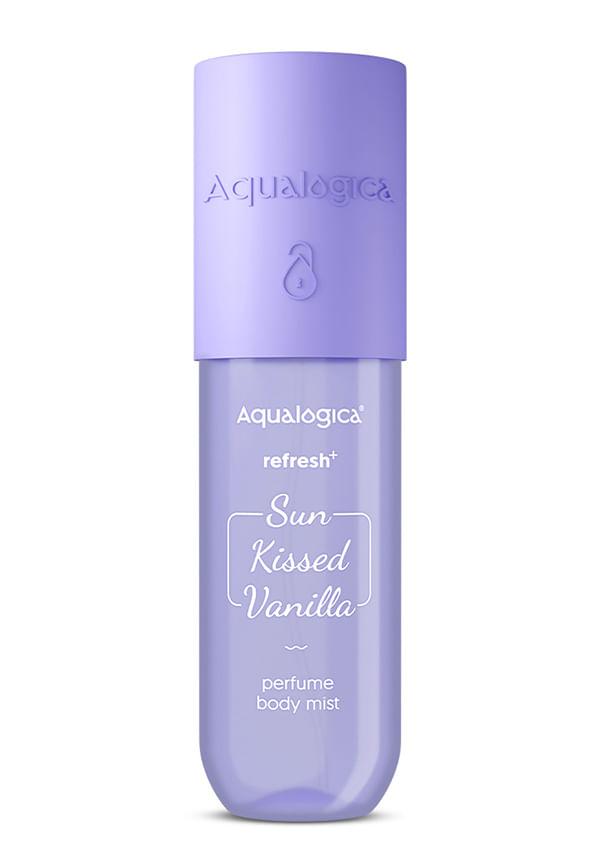
Refresh+ Sun Kissed Vanilla Perfume Body Mist
Your environment affects the influence of skin on fragrance performance. Humidity can make fragrances smell stronger and last longer, while dry air can cause them to fade quickly. Temperature changes throughout the day also impact how fragrance molecules behave on your skin.
Once you understand how your skin chemistry works with fragrances, you can take steps to optimise every perfume's performance. This knowledge transforms fragrance from a guessing game into a strategic choice.
For oily skin, apply fragrance to pulse points but avoid over-application, as your skin will naturally amplify the scent. For dry skin, consider moisturising first with an unscented lotion to create a better base for fragrance longevity skin type optimisation. The key is working with your skin, not against it.
Never judge a fragrance by its first impression. Apply it to your skin and wait at least 30 minutes to see how it develops. Better yet, wear it for a full day to understand its complete evolution on your skin. This is where trial sizes become invaluable - they let you properly test how a fragrance performs with your unique chemistry.
Absolutely. Your skin's pH level directly influences how fragrance molecules interact with your skin. More acidic skin can intensify certain notes while neutralising others, completely changing how a perfume smells compared to its original formulation.
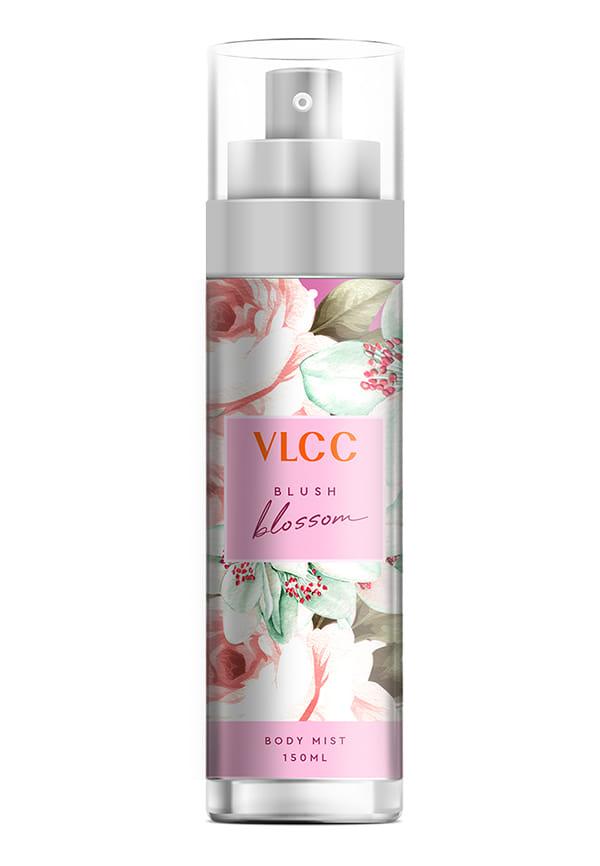
Body Mist Fragrance -Blush Blossom
Everyone's skin chemistry is unique, involving different pH levels, oil production, hormone levels, and even diet. These factors create individual chemical environments that interact differently with the same fragrance molecules, resulting in personalised scent experiences.
While you can't dramatically alter your natural pH, maintaining healthy skin through proper hydration and gentle skincare can optimise fragrance performance. Avoid harsh soaps or products that might disrupt your skin's natural balance before applying perfume.
Give a fragrance at least 4-6 hours to fully develop on your skin. The complete dry-down process reveals the true character of how a perfume interacts with your body chemistry. Trial sizes available on Smytten make this extended testing process much more affordable.
Generally, yes. Citrus and light florals often work well on oily skin, while richer orientals and woody scents can perform better on dry skin. However, individual chemistry varies, so personal testing remains the best approach.
This usually relates to skin type and chemistry. Dry skin tends to absorb fragrance quickly, leading to faster fade times. Additionally, if your skin is more alkaline, it might neutralise certain fragrance compounds more rapidly than acidic skin would.
Understanding how skin pH affects how a perfume smells on you opens up a whole new world of fragrance appreciation. Your skin's unique chemistry - from its pH level to oil production and hormonal fluctuations - creates a personalised environment that transforms every fragrance into something uniquely yours. Rather than fighting against your natural chemistry, embrace it and use this knowledge to make smarter fragrance choices.
The key is patience and proper testing. Don't judge a fragrance by its first spray or how it smells on someone else. Give it time to develop on your skin, understand your personal fragrance patterns, and choose scents that complement rather than compete with your natural chemistry. Remember that your fragrance preferences and skin chemistry can change over time, so stay open to new discoveries.
Finding your perfect fragrance match is a journey of discovery, and understanding your skin chemistry is just the beginning. Smytten makes this exploration both affordable and exciting through curated trial packs from over 1,500 trusted fragrance brands. With authentic brand-verified minis available across India, you can properly test how different perfumes interact with your unique skin chemistry before committing to full-size purchases. The platform's 100% cashback on trials means you can experiment with various fragrance families and notes without the financial risk. Whether you're discovering how citrus reacts with your skin's pH or exploring how oriental fragrances develop throughout your day, Smytten's trial before you buy approach ensures you'll find fragrances that truly work with your body chemistry. After all, why settle for maybe when you can try it all and find your perfect scent match?
