Rose in Perfumery FAQ: Your Questions Answered

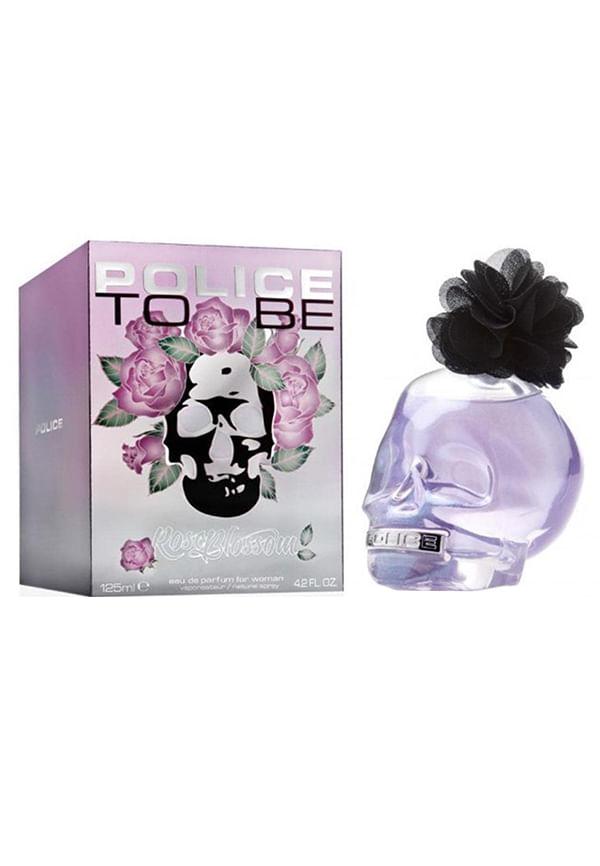
To Be Rose Blossom EDP
Rose has been the undisputed queen of perfumery for centuries, and honestly, it's not hard to see why. From ancient Egyptian temples to modern fragrance counters, this bloom has captivated noses and hearts alike. Whether you're curious about how rose oil makes its way into your favourite bottle or wondering why some rose perfumes cost more than others, we've got all your questions sorted. Let's dive into the fascinating world of rose in perfumery and discover what makes this floral note so special. Plus, if you're keen to explore rose fragrances without the commitment, Smytten's trial packs let you discover your perfect rose scent before going full-size.
TL;DR
Rose is used in 75% of feminine fragrances through various extraction methods like steam distillation (rose otto) and solvent extraction (rose absolute)
Different rose types offer unique scent profiles - Bulgarian rose is honeyed and complex, while Turkish rose brings spicy intensity
Rose typically appears as a heart note in perfume composition, providing depth and emotional connection
Quality rose perfumes vary in price based on extraction method, origin, and natural vs synthetic content
Modern perfumery combines traditional rose with contemporary molecules for innovative fragrance experiences
Rose fragrance holds a special place in perfumery that goes way beyond just smelling lovely. This bloom has been stealing hearts since ancient times, when Egyptians used rose water in their sacred rituals and Cleopatra supposedly filled her barge with rose petals. Fast forward to today, and rose appears in about 75% of feminine fragrances and even 10% of men's perfumes - talk about staying power!
What makes rose so irresistible as a perfume ingredient isn't just its gorgeous scent. It's the emotional connection it creates. Rose symbolises love, beauty, and power, making it the perfect choice for fragrances that want to tell a story. The complexity of rose fragrance means it can be fresh and dewy in the morning, romantic and sultry in the evening, or bold and confident whenever you need it to be.
The story of rose in perfumery reads like a proper historical drama. Ancient civilisations weren't just casually sprinkling rose petals around - they were serious about their rose water game. Persian and Arab perfumers perfected distillation techniques that we still use today, whilst French royal courts turned rose perfumes into symbols of luxury and refinement.
Getting that gorgeous rose scent into a bottle isn't as simple as crushing some petals (though wouldn't that be nice?). There are two main methods perfumers use to capture rose's essence, and each one creates a completely different olfactory experience. Understanding these extraction methods helps explain why some rose perfumes smell fresh and bright whilst others are deep and intoxicating.
The process is quite fascinating when you think about it. Rose oil in perfume comes from incredibly labour-intensive methods that require tonnes of rose petals to produce just a small amount of precious oil. This is why genuine rose-based fragrances often come with a higher price tag - you're literally wearing liquid gold.
Steam distillation creates rose otto, which captures the more volatile, fresh aspects of the rose. It's got this clean, almost green quality that feels like morning dew on petals. Solvent extraction produces rose absolute, which is richer, deeper, and more honeyed - think of it as the difference between a fresh rose garden and a romantic bouquet.
Rose absolute tends to be more popular in modern perfumery because it captures more of the rose's full personality. However, rose otto has this ethereal quality that works beautifully in lighter, more delicate compositions.
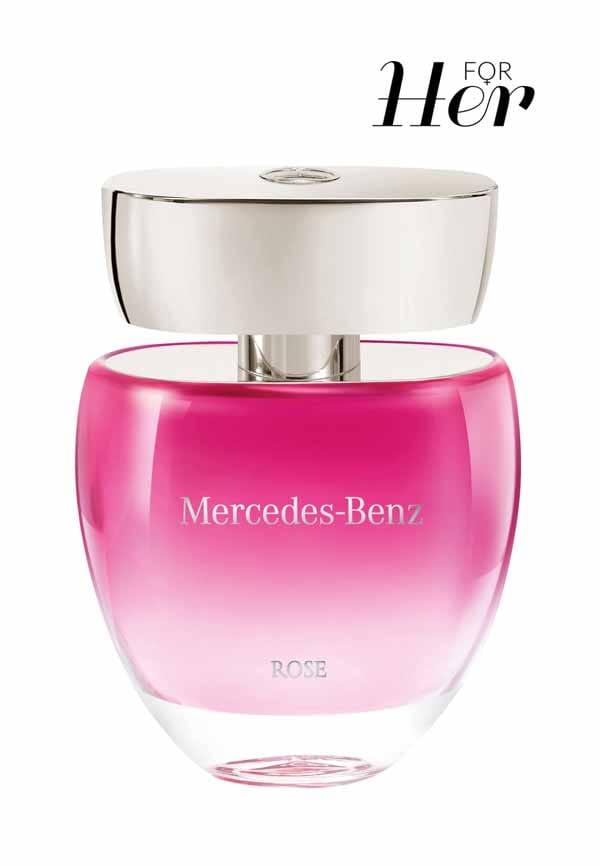
Rose For Women Eau de Toilette
Not all roses smell the same - shocking, right? Different types of rose scents bring their own personality to perfume compositions, and knowing these differences can help you find your perfect rose fragrance. Each variety has been cultivated in specific regions, developing unique characteristics based on soil, climate, and traditional growing methods.
The most prized roses for perfumery come from very specific locations, and there's a reason why Bulgarian rose commands such respect in the fragrance world. These aren't just marketing claims - the terroir genuinely affects how these blooms smell and perform in perfume formulations.
Bulgarian rose (Rosa Damascena) from the Valley of Roses is considered the crème de la crème. It's got this incredible honeyed, complex profile with hints of spice and fruit that makes it absolutely mesmerising. This is what you'll find in most high-end rose perfumes.
Turkish rose brings more intensity and spice to the table, whilst Moroccan rose offers a fresher, greener character. Modern perfumers also work with synthetic rose molecules that can recreate these scents or create entirely new rose experiences.
Understanding how rose fits into perfume composition is like learning the secret language of fragrance. Rose typically stars as a heart note, which means it's the emotional centre of the fragrance - the part that makes you go "mmm, what is that?" when someone walks past. Natural perfume ingredients like rose work differently than synthetic ones, and modern perfumers are masters at blending both for the perfect effect.
The art of perfume composition follows certain rules, but rose is versatile enough to break them beautifully. Whilst most floral fragrances follow the classic pyramid structure, rose can appear at different levels depending on what the perfumer wants to achieve. It's this flexibility that makes rose such a beloved ingredient in both classic and contemporary fragrances.
Rose plays well with others, which is why you'll often find it paired with complementary ingredients. Oud and rose create an exotic, luxurious combination that's hugely popular right now. Rose and vanilla offers comfort and warmth, whilst rose and citrus brings freshness and energy.
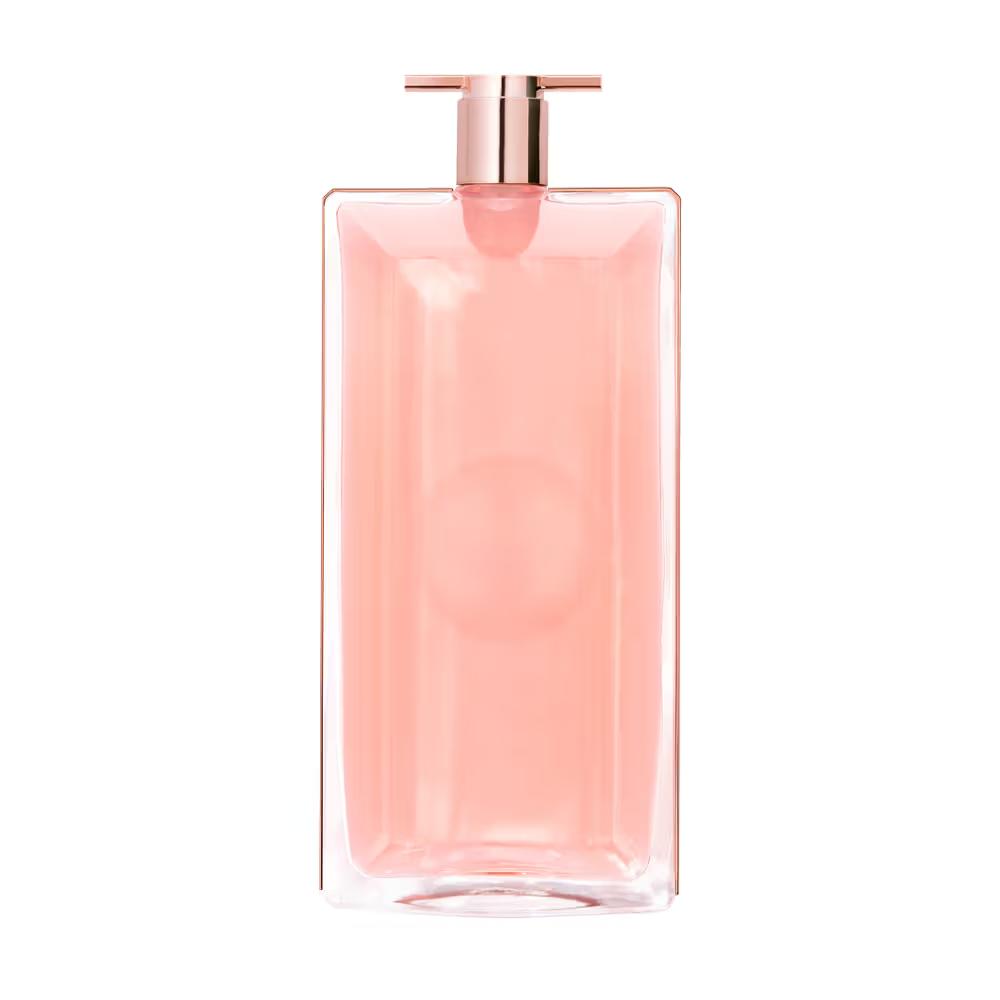
The Lancôme Idôle Eau De Parfum showcases how modern perfumery approaches rose with sophistication and sustainability. At its heart are sustainably sourced Isparta Rose and Spotless Jasmine, woven together with a clean Chypre Accord for a signature that feels like a second skin rather than an applied perfume. This fragrance demonstrates how contemporary rose perfumes can be both environmentally conscious and beautifully crafted, offering a fresh take on traditional floral compositions.
Finding the perfect rose fragrance is a bit like dating - you'll know when you've found "the one." The best rose fragrances aren't necessarily the most expensive ones; they're the ones that work with your skin chemistry and make you feel amazing. Quality rose perfumes share certain characteristics: they have depth, longevity, and that special something that makes people ask what you're wearing.
When you're exploring rose fragrances, pay attention to how they develop on your skin. A good rose perfume will tell a story from the first spray to the final dry-down, evolving and revealing different facets throughout the day.
Your skin chemistry plays a huge role in how rose fragrance performs. Some people amplify the fresh, green aspects of rose, whilst others bring out the deeper, more sensual qualities. Don't be afraid to try different formulations - what smells amazing on your friend might not work for you, and that's completely normal.
There's actual science behind why rose fragrance makes us feel good. The molecular components in rose - like phenylethyl alcohol and geraniol - trigger positive emotional responses in our brains. It's not just marketing fluff when brands talk about rose being uplifting or romantic; there's genuine neurological basis for these claims.
Rose fragrance also has therapeutic benefits that have been recognised for centuries. In aromatherapy, rose is used to reduce stress, boost confidence, and create feelings of comfort and security. When you wear a rose perfume, you're not just smelling good - you're potentially improving your mood too.
Absolutely! Rose is one of the most widely used ingredients in perfumery, appearing in approximately 75% of feminine fragrances. Both natural rose extracts (like rose otto and rose absolute) and synthetic rose molecules are commonly used. The fragrance industry uses millions of rose petals annually, with Bulgaria alone producing about 70% of the world's rose oil for perfumery.
Professional perfumers treat rose as a complex ingredient that requires careful handling. They consider factors like the rose's origin, extraction method, and how it will interact with other notes. Many perfumers blend natural and synthetic rose components to achieve the desired effect, as pure natural rose oil can be quite intense and expensive to use in large quantities.
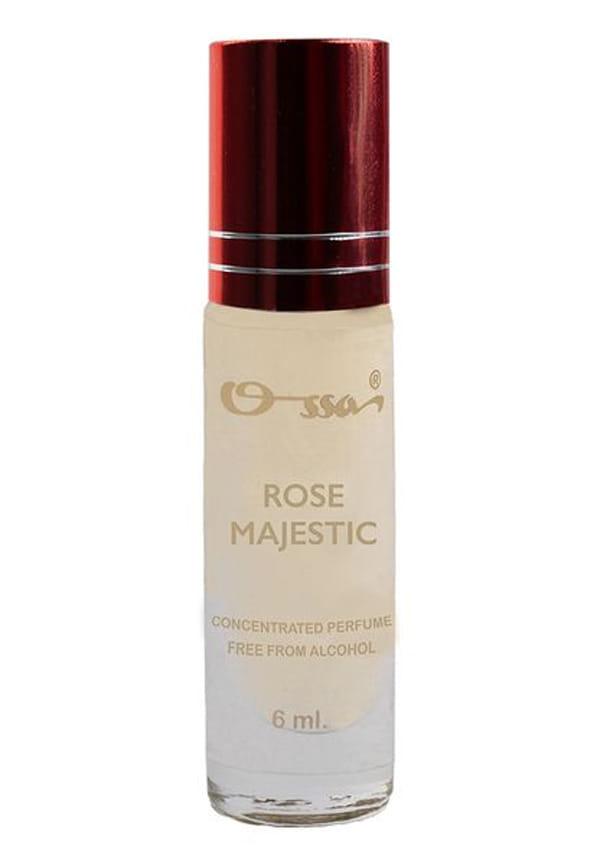
Rose Majestic Concentrated Perfume
Rose water is much lighter and more diluted than rose oil. Rose oil (whether otto or absolute) is highly concentrated and forms the actual perfume ingredient, whilst rose water is typically used in lighter formulations or as a refreshing mist. Rose oil can cost thousands of pounds per kilogram, whilst rose water is much more affordable but offers less longevity and intensity.
Some people can be sensitive to certain components in rose fragrances, particularly if they have existing flower allergies. Natural rose extracts contain compounds like geraniol and citronellol that can occasionally cause reactions. If you have sensitive skin, it's worth doing a patch test or trying samples before committing to a full-size bottle. Many brands available on Smytten offer trial sizes perfect for testing compatibility.
Price differences come down to several factors: the quality and origin of the rose (Bulgarian rose costs more than synthetic alternatives), the extraction method used, the concentration of rose in the formula, and the brand positioning. A perfume using pure Bulgarian rose absolute will cost significantly more than one using primarily synthetic rose molecules, though both can smell beautiful.
Rose fragrance longevity depends on the type of rose used and the perfume's concentration. Rose absolute tends to last longer than rose otto, and eau de parfum formulations will outperform eau de toilette. Generally, expect 4-8 hours of noticeable scent, with some high-quality rose perfumes lasting even longer. Proper storage away from heat and light helps maintain the fragrance's quality over time.
Rose remains the queen of perfumery for good reason - its complexity, emotional appeal, and versatility make it irreplaceable in fragrance composition. Whether you prefer the fresh brightness of rose otto or the deep sensuality of rose absolute, there's a rose fragrance out there that's perfect for you. The key is understanding what type of rose scent appeals to you and how different extraction methods and blending techniques create unique olfactory experiences.
Remember that finding your perfect rose fragrance is a personal journey. What smells divine on someone else might not work with your skin chemistry, and that's perfectly normal. Take your time exploring different rose perfume notes and don't be afraid to step outside your comfort zone - you might discover your new signature scent.
Exploring the world of rose fragrances doesn't have to mean committing to full-size bottles straight away. Smytten's trial packs let you discover authentic, brand-verified minis from over 1,500 trusted fragrance brands, making it easy to find your perfect rose scent without the guesswork. With 100% cashback on trials and the convenience of trying before you buy, you can explore different rose perfume compositions and find the one that truly speaks to you. After all, why settle for maybe when you can try it all and discover your ideal rose fragrance with confidence?
