Perfume Temperature Sensitivity FAQ: Your Scent Questions Answered


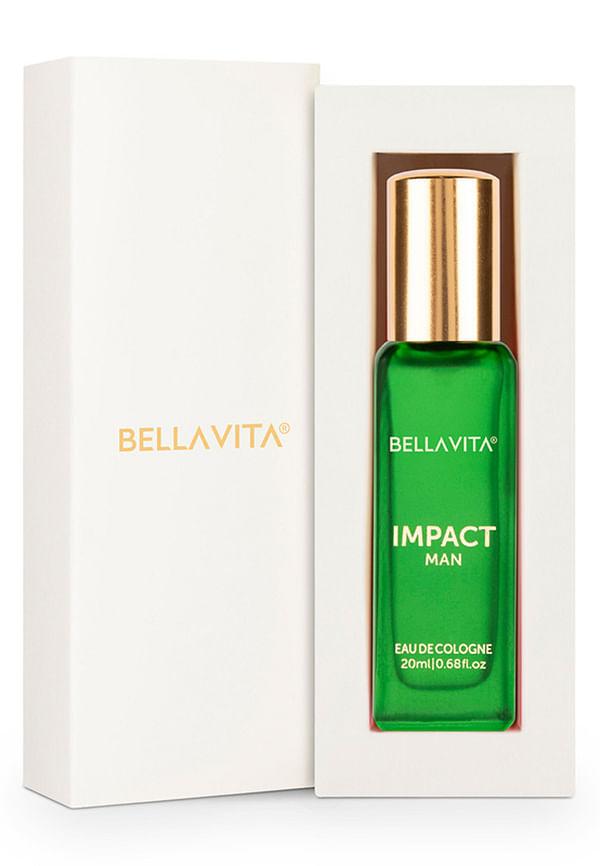
Impact Eau De Cologne Perfume For Man With Long Lasting Fragrance
Ever noticed how your favourite fragrance smells completely different on a sweltering summer afternoon compared to a crisp winter morning? You're not imagining things. Temperature plays a massive role in how your perfume behaves throughout the day, affecting everything from its initial burst to how long it lingers on your skin. Understanding this relationship can help you make smarter choices about which scents to wear when, and how to get the most out of your fragrance collection. Whether you're exploring new scents through trial packs on Smytten or wondering why your go-to perfume seems to vanish in the heat, we've got the answers you need.
Heat speeds up fragrance evaporation, making perfumes smell stronger initially but fade faster
Cold weather slows down scent molecules, extending wear time but reducing projection
Light, citrusy fragrances work best in hot weather, while rich, warm scents shine in cooler temperatures
Proper storage at around 20°C protects your perfumes from temperature damage
Strategic application timing and techniques can help your fragrance last longer in any weather
Let's get into the nitty-gritty of what actually happens when temperature meets your perfume. At a molecular level, fragrance compounds are constantly moving and evaporating from your skin. When temperatures rise, these molecules get more energetic and move faster, which means they evaporate more quickly.
Research shows that at 30°C (86°F), fragrance compounds can degrade up to 40% faster than at 20°C (68°F). This explains why your perfume might smell incredibly strong when you first step outside on a hot day, but then seem to disappear within a couple of hours. The volatile top notes - those fresh, light scents you smell first - are particularly sensitive to temperature changes because they're designed to evaporate quickly anyway.
Your skin temperature also plays a crucial role. Pulse points like your wrists and neck are naturally warmer, which amplifies the temperature effect. When you add external heat to these already warm spots, you're essentially creating little fragrance furnaces that burn through your scent faster than you'd like.
Picture this: you spray your favourite fragrance before heading out on a warm morning. Initially, it smells amazing - perhaps even stronger than usual. But by lunchtime, you're wondering if you forgot to put any on at all. This isn't your imagination; it's science in action.
Heat accelerates the evaporation process, causing your perfume to release more scent molecules at once. This creates that initial burst of intensity, but it also means your fragrance is literally burning through its reserves faster. What might normally last 6-8 hours could be down to 3-4 hours on a particularly hot day.
In warm weather, your perfume goes through distinct phases throughout the day. The top notes might be completely gone within 30 minutes instead of the usual hour, rushing you straight to the heart notes. By evening, you might only catch hints of the base notes that would normally still be going strong.
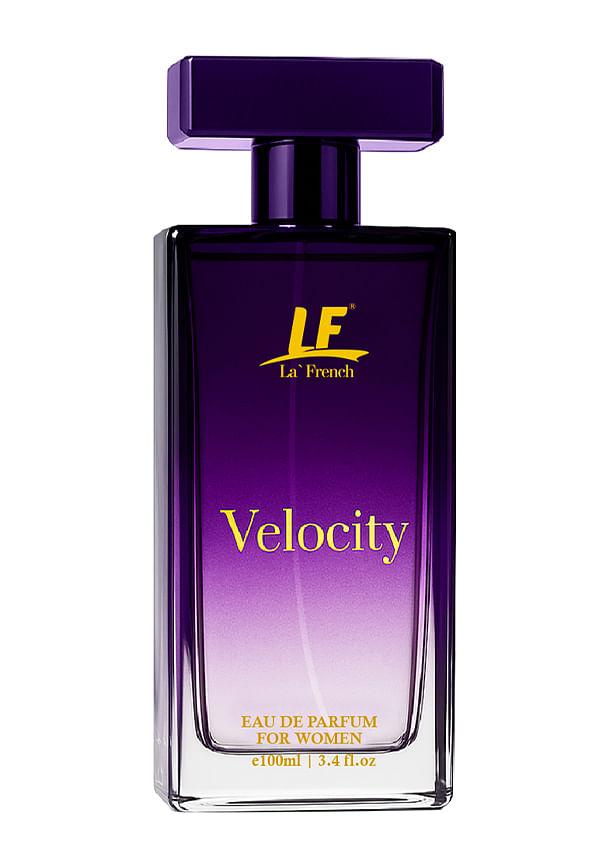
Velocity Long Lasting Perfume For Women
Cold weather creates the opposite effect. When temperatures drop, fragrance molecules slow down significantly. This means your perfume won't project as far from your skin, but it will stick around much longer. You might find yourself applying more than usual because the scent seems weaker, but in reality, it's just not travelling as far through the cold air.
Winter fragrances often seem to hug closer to your skin, creating more of an intimate scent bubble rather than the wider projection you get in warmer weather. This isn't necessarily bad - it just requires a different approach to application and expectations.
Choosing the right fragrance for the weather isn't just about personal preference - it's about working with temperature rather than against it. Light, fresh fragrances with citrus or aquatic notes are your best friends in hot weather because they're designed to be refreshing and won't become overwhelming when heat amplifies them.
For summer, look for fragrances with bergamot, lemon, mint, or marine notes. These scents actually benefit from a bit of heat, becoming more vibrant and energising. Eau de toilette concentrations work particularly well in warm weather because they're lighter and won't become cloying.
When temperatures drop, it's time to bring out the big guns. Rich, warm fragrances with notes like vanilla, amber, sandalwood, or spices work beautifully in cold weather. These scents need a bit of warmth to really bloom, and the slower evaporation rate means you'll get to enjoy their complexity for longer.
Eau de parfum or parfum concentrations are perfect for winter because their higher concentration of fragrance oils gives them more staying power in challenging conditions.
Temperature sensitivity doesn't just affect how your perfume smells when you wear it - extreme temperatures can actually damage the fragrance itself. The ideal storage temperature for perfumes is around 20°C (68°F), away from direct sunlight and heat sources.
Never leave your perfumes in a hot car, even for a short time. Temperatures inside vehicles can reach 60°C (140°F) or higher, which can break down the fragrance compounds and alter the scent permanently. You might notice your perfume smells different, weaker, or even unpleasant after heat exposure.
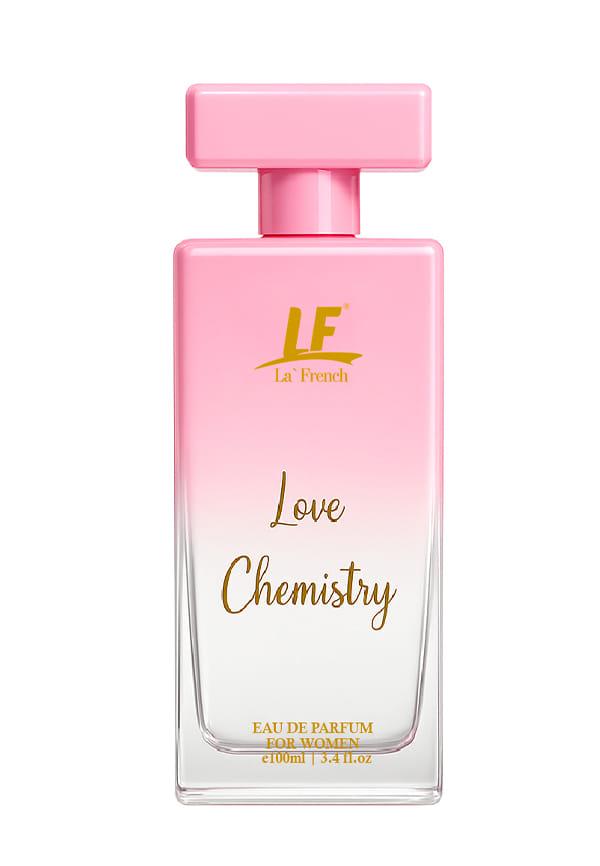
Love Chemistry Long Lasting Perfume For Women
Watch out for changes in colour (darkening is a common sign), separation of the liquid, or a noticeably different smell. Once a fragrance has been heat-damaged, there's no going back - the molecular structure has been altered.
The key to fragrance longevity in any temperature is strategic application. In hot weather, try applying your perfume to cooler areas of your body like behind your ears or on your clothing rather than traditional pulse points. This slows down the evaporation process.
Moisturised skin holds fragrance better, so apply an unscented moisturiser before your perfume. In cold weather, you might need to apply slightly more product or choose pulse points that are more exposed to air circulation to help the scent project.
Consider layering techniques that work with the weather. In summer, start with a light application and reapply as needed. In winter, you can afford to be more generous with your initial application since the scent will develop more slowly.
Temperature directly impacts how quickly fragrance molecules evaporate from your skin. Heat speeds up evaporation, making perfumes smell stronger initially but fade faster. Cold weather slows down the process, extending wear time but reducing projection. This means your morning fragrance application will behave very differently by evening depending on the temperature.
While you can wear any fragrance you love, adjusting your choices seasonally will give you better performance. Light, fresh scents work better in heat, while rich, warm fragrances shine in cooler weather. Many fragrance enthusiasts on Smytten discover seasonal favourites through trial packs before committing to full sizes.
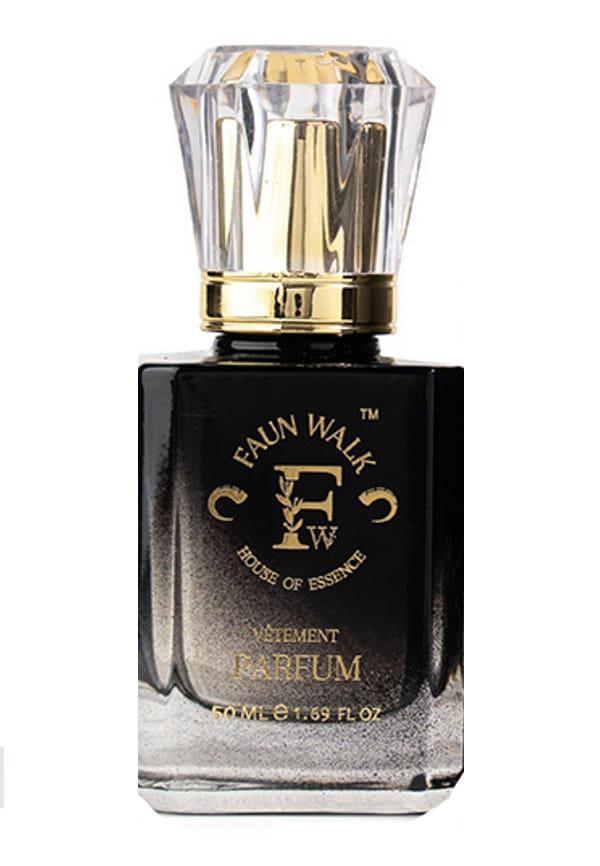
Toxicity | Long Lasting & Perfume For Women
In hot weather, perfume typically lasts 3-4 hours compared to 6-8 hours in moderate temperatures. The exact duration depends on the fragrance concentration, your skin type, and how hot it gets. Lighter concentrations like eau de toilette may fade even faster in extreme heat.
Yes, keep your perfumes in a cool, dark place away from windows and heat sources. A bedroom drawer or closet shelf works well. Avoid bathrooms where temperature and humidity fluctuate, and never leave perfumes in cars or direct sunlight.
Initially, yes. Heat causes more fragrance molecules to evaporate at once, creating a stronger scent projection. However, this also means the fragrance depletes faster, so the intensity is short-lived compared to cooler conditions.
Extreme cold is less damaging than heat, but very low temperatures can cause some fragrances to become cloudy or thick. This usually reverses when the perfume returns to room temperature, but frequent temperature fluctuations aren't ideal for fragrance stability.
Understanding how temperature affects your fragrance is like having a secret weapon in your scent arsenal. Heat makes perfumes more intense but shorter-lived, while cold weather extends wear time but reduces projection. The key is choosing the right fragrance for the conditions and adjusting your application accordingly.
Light, fresh scents are your summer allies, while rich, warm fragrances come into their own during cooler months. Proper storage protects your investment, and strategic application techniques help you get the most out of every spray regardless of the weather.
Remember that fragrance is personal, and what works for others might not work for you. The best approach is to experiment with different scents in various conditions to find your perfect matches for each season.
Temperature sensitivity in fragrances is just one of many factors that make scent selection so personal and interesting. Whether you're dealing with scorching summers or chilly winters, understanding how weather affects your favourite fragrances helps you make smarter choices and get better performance from your collection. Smytten's trial packs make it easy to test how different fragrances perform in various weather conditions without committing to full-size bottles. With over 1,500 trusted brands available on Smytten, you can explore seasonal scent options through authentic brand-verified minis and discover your perfect weather-appropriate fragrances. The platform's 100% cashback on trials means you can experiment with confidence, finding scents that work beautifully in any temperature. After all, why settle for a fragrance that only works half the year when you can try it all and find your perfect match for every season?
