Perfume Skin Chemistry FAQ: Understanding Fragrance Interaction
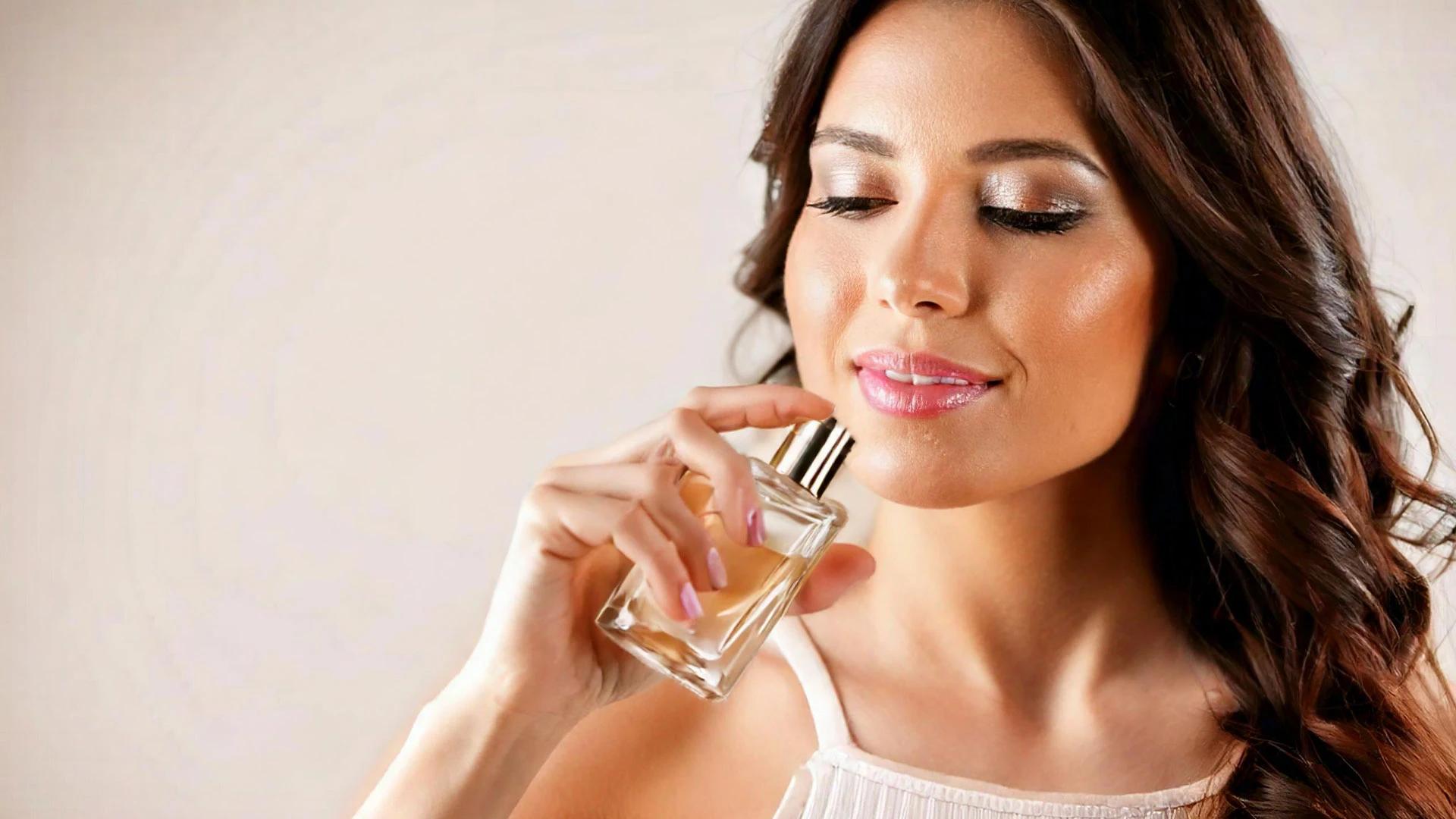

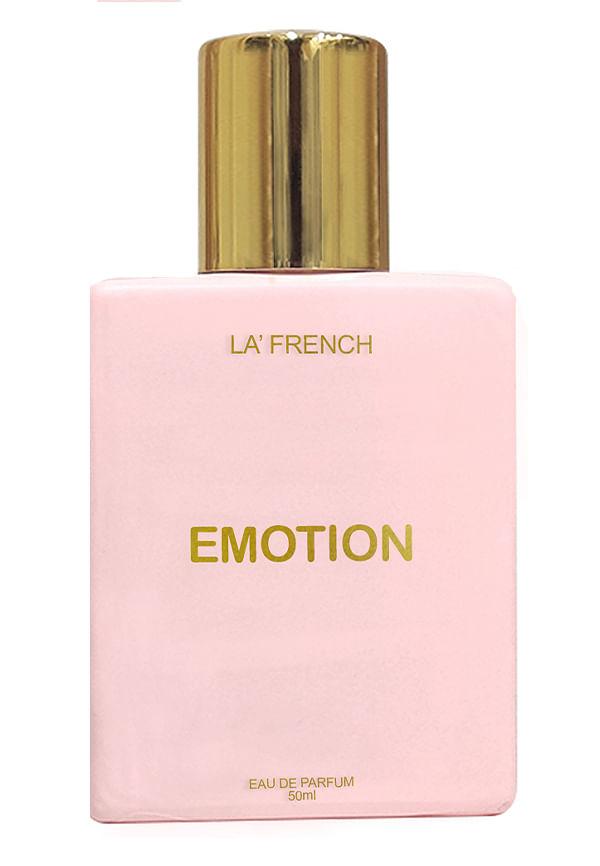
Emotion Long Lasting Elegant and Versatile Fragrance Perfume
Ever wondered why that gorgeous perfume your friend swears by smells completely different on you? Or why some fragrances seem to vanish within minutes while others linger all day? The answer lies in something called perfume skin chemistry – the unique way your body interacts with fragrance molecules. Understanding this fascinating science can transform how you choose and wear perfumes, helping you find scents that truly work with your natural chemistry. With platforms like Smytten offering trial packs from top fragrance brands, you can now explore this personal scent journey without the commitment of full-size purchases.
Skin chemistry refers to your body's unique pH, oil production, and temperature that affects how fragrances smell and last on you
Factors like skin type, hormones, diet, and even medication can influence how perfume reacts on your skin
Proper testing involves wearing a fragrance for several hours to understand its full development on your skin
Different skin types require different application techniques and fragrance concentrations for optimal performance
Understanding your individual scent profile helps you make smarter fragrance choices and avoid disappointing purchases
When we talk about skin chemistry in the context of wearing perfume, we're referring to the complex biological processes happening on your skin's surface. Your skin isn't just a passive canvas for fragrance – it's an active participant that can dramatically alter how a scent develops and performs.
Your skin's chemistry is determined by several key factors. The pH level of your skin typically ranges between 4.5 and 6.5, creating an acidic environment that can either enhance or diminish certain fragrance notes. Your sebaceous glands produce natural oils (sebum) at varying rates, whilst your skin's microbiome – the collection of beneficial bacteria living on your skin – also plays a role in how fragrances interact with your body.
This creates what experts call your individual scent profile – a unique signature that influences fragrance absorption and development. Think of it as your skin's personal fingerprint for scent.
Several biological factors determine how perfume reacts on skin. Your skin's pH level acts like a chemical modifier, potentially making floral notes more prominent or causing citrus notes to fade faster. Natural oil production affects perfume longevity on skin – oily skin tends to hold fragrance longer because oil molecules can trap and slowly release scent compounds.
Body temperature and circulation also matter significantly. Warmer skin amplifies fragrance projection, whilst cooler skin might make scents seem more subdued. Skin hydration levels complete the picture – well-moisturised skin provides a better base for fragrance adhesion.
Understanding your skin type is crucial for predicting fragrance interaction with skin. Different skin types create varying environments that can dramatically change how a perfume performs throughout the day.
Oily skin acts like a natural fragrance extender. The excess sebum production creates a lipid-rich environment that helps trap fragrance molecules, leading to better longevity and projection. If you have oily skin, you might find that perfumes last 6-8 hours or even longer.
Dry skin, conversely, tends to absorb fragrance quickly, sometimes causing scents to fade within 2-3 hours. The lack of natural oils means there's less to bind with the fragrance molecules, resulting in faster evaporation.
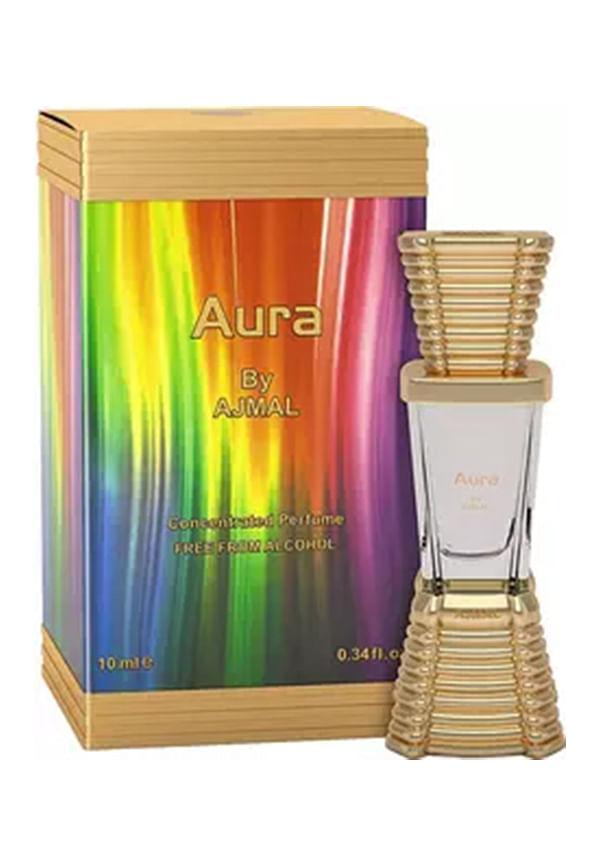
Aura Concentrated Floral Perfume
Skin pH and perfume interaction is fascinating. Slightly acidic skin (pH 4.5-5.5) tends to enhance woody and musky notes whilst potentially dulling bright citrus notes. More alkaline skin (pH 6-6.5) might make floral and fresh notes more prominent but could cause certain base notes to seem weaker.
Understanding your skin's pH can help explain why certain perfume notes and skin combinations work brilliantly whilst others fall flat.
Your body chemistry and fragrance relationship is influenced by numerous internal and external factors. These elements work together to create your unique scent signature, explaining why fragrance shopping can feel so personal and sometimes unpredictable.
Hormonal fluctuations significantly impact how fragrances develop on your skin. During different phases of your menstrual cycle, pregnancy, or menopause, you might notice that familiar scents smell different. This happens because hormones affect your skin's oil production and pH levels.
Your diet also plays a surprising role. Spicy foods, garlic, and alcohol can temporarily alter your skin's chemistry, whilst a diet rich in fruits and vegetables might create a more neutral base for fragrances. Even your genetic makeup influences which scent families naturally complement your skin chemistry.
Climate and humidity levels affect fragrance absorption skin processes. Hot, humid weather can intensify fragrances, whilst cold, dry conditions might make them seem more subdued. Certain medications, particularly those affecting hormones or circulation, can alter how your skin interacts with perfume.
Age-related changes in skin chemistry are also worth considering. As we age, our skin typically becomes drier and thinner, which can affect fragrance longevity and projection.
Understanding your skin's unique characteristics is the first step towards building a fragrance wardrobe that truly works for you. This knowledge helps you make informed choices and avoid disappointments when shopping for new scents.
Proper fragrance testing requires patience and methodology. Apply a small amount to your pulse points and wait at least 4-6 hours to experience the full development. The initial spray only shows you the top notes – the real magic happens as the fragrance settles into your skin chemistry.
Test only 2-3 fragrances at once to avoid overwhelming your senses. Use different pulse points for each fragrance, and avoid rubbing the scent in, as this can break down the fragrance molecules.
Good skin scent compatibility shows several signs: the fragrance develops smoothly through its notes, maintains reasonable longevity (4-6 hours minimum), and doesn't become overwhelming or disappear entirely. You should also feel comfortable and confident wearing the scent.
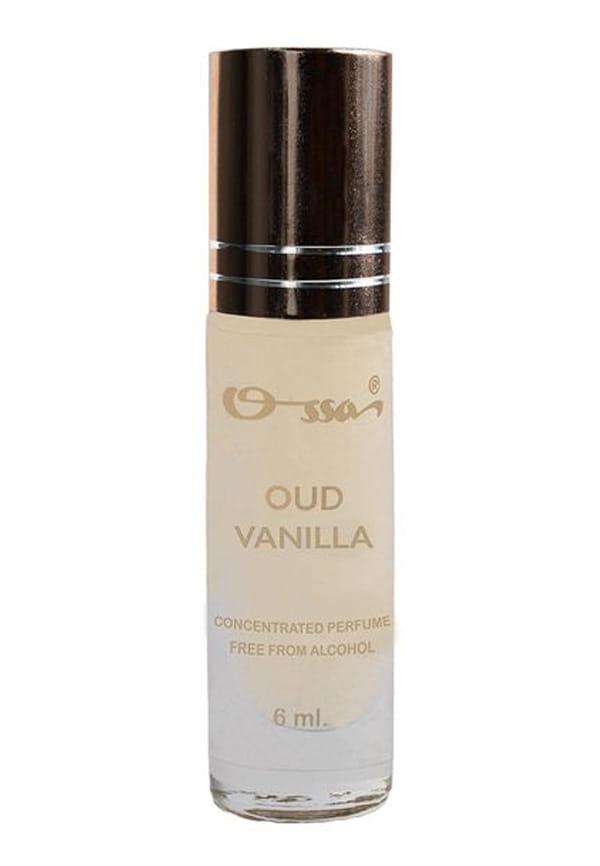
Oud Vanilla Concentrated Perfume
Red flags include fragrances that turn sour or medicinal on your skin, disappear within an hour, or seem to clash with your natural scent rather than complement it.
Once you understand your skin's characteristics, you can employ specific strategies to optimise fragrance performance. These techniques work with your natural chemistry rather than against it, ensuring better results from your fragrance investment.
For dry skin, moisturising before fragrance application is essential. Use an unscented moisturiser or one that complements your chosen fragrance. This creates a better base for the perfume to adhere to and helps extend longevity.
Oily skin benefits from lighter application and strategic placement. Focus on pulse points where the skin is slightly drier, such as behind the ears or on the wrists, rather than areas prone to excess oil production.
Your skin type should influence your choice between Eau de Toilette (EDT), Eau de Parfum (EDP), or Parfum concentrations. Dry skin typically benefits from higher concentrations like EDP or Parfum, whilst oily skin might find EDT sufficient for good performance.
Consider building a collection with different concentrations for various occasions and seasons, adjusting based on how your skin chemistry changes throughout the year.
The way perfume notes and skin interact creates the unique scent journey you experience when wearing fragrance. This interaction explains why some notes seem to vanish quickly whilst others linger for hours on your particular skin chemistry.
Top notes are the most volatile and typically last 15-30 minutes, regardless of skin type. However, your skin chemistry can influence how prominent these initial notes appear. Citrus notes might seem brighter on alkaline skin, whilst they could appear more muted on very acidic skin.
Middle notes, which develop after 30 minutes to 2 hours, are where skin chemistry really shows its influence. Floral notes might bloom beautifully on some skin types whilst seeming flat on others. Base notes, lasting 4-8 hours, are most affected by your skin's oil content and temperature.
Different fragrance families tend to perform better on certain skin types. Woody and oriental fragrances often work well on oily skin, as the natural oils help develop and sustain these rich, complex notes. Fresh and citrus fragrances might perform better on normal to slightly dry skin, where they won't be overwhelmed by competing natural oils.
Floral fragrances can be unpredictable – some bloom beautifully on warm, slightly oily skin, whilst others prefer cooler, drier conditions to maintain their delicate balance.
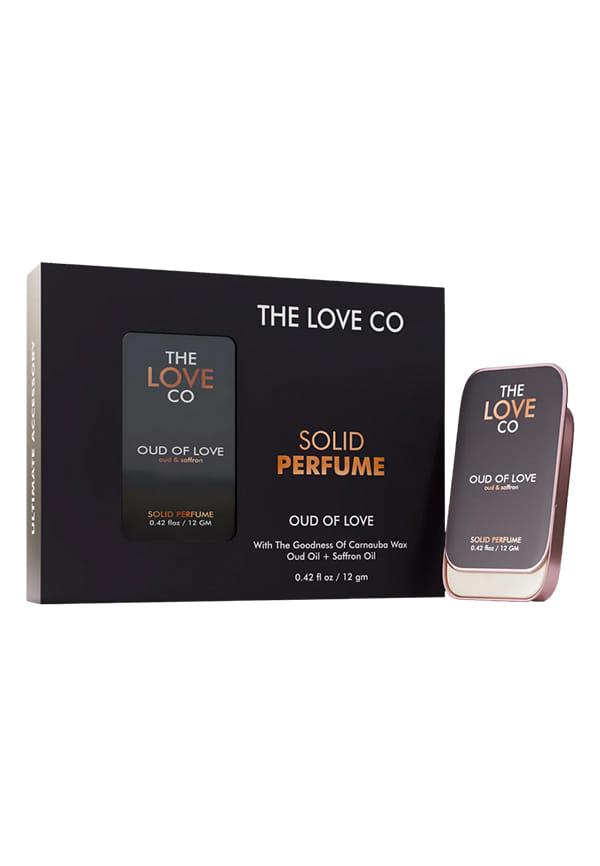
Oud of Love Solid Perfume
Skin chemistry refers to your body's unique biological characteristics – including pH levels, oil production, temperature, and natural scent – that interact with fragrance molecules to create your personal scent experience. It's why the same perfume can smell completely different on different people.
Each person's skin has a unique combination of pH levels, natural oils, temperature, and microbiome that acts as a chemical modifier for fragrance molecules. These factors can enhance certain notes whilst diminishing others, creating a personalised scent profile that's as individual as a fingerprint.
Ideally, test a fragrance for at least 6-8 hours to experience its full development cycle. This allows you to experience all three note phases and understand how the scent evolves on your particular skin chemistry. Many fragrance enthusiasts recommend testing over multiple days to account for daily variations in skin condition.
Whilst you can't fundamentally alter your skin chemistry, you can optimise conditions for better fragrance performance. Proper hydration, using unscented moisturisers, and maintaining healthy skin can improve fragrance longevity. However, working with your natural chemistry rather than against it typically yields better results.
Smytten's trial packs allow you to test fragrances properly without committing to full-size purchases. This means you can explore how different scents interact with your skin chemistry over several days, helping you build a better understanding of what works for your individual scent profile before making larger investments.
Yes, hormonal fluctuations can significantly impact your skin's pH and oil production, which in turn affects how fragrances develop. Many people notice that familiar scents smell different during pregnancy, menstruation, or menopause. This is completely normal and part of your body's natural chemistry variations.
Understanding perfume skin chemistry is essential for making informed fragrance choices that truly work with your body's unique characteristics. Your skin's pH, oil production, temperature, and natural scent all play crucial roles in how fragrances develop and perform throughout the day.
The key to fragrance success lies in working with your natural chemistry rather than against it. This means choosing appropriate concentrations for your skin type, using proper application techniques, and allowing adequate testing time to understand how scents develop on your skin.
Remember that your skin chemistry can change due to factors like hormones, diet, medication, and even seasonal variations. What works perfectly in summer might need adjustment in winter, and fragrances that suit you now might evolve as your skin changes over time.
Discovering your perfect fragrance match is a journey that requires patience, experimentation, and understanding of your unique skin chemistry. Rather than settling for scents that merely smell nice in the bottle, you can now make informed choices based on how fragrances truly interact with your body.
Smytten makes this exploration both affordable and accessible through its curated trial packs from over 1,500 trusted fragrance brands. With the ability to try before you buy, you can test how different scents develop on your skin chemistry without the risk of full-size purchases. The platform's 100% cashback on trials means you can explore India's largest minis collection whilst building confidence in your fragrance choices. When you find that perfect scent that works beautifully with your skin chemistry, purchasing the full-size version is just a click away. After all, why settle for 'maybe' when you can #TryItAll and find fragrances that truly complement your unique scent profile?
