Perfume Layering FAQ: Your Guide to Mixing Scents
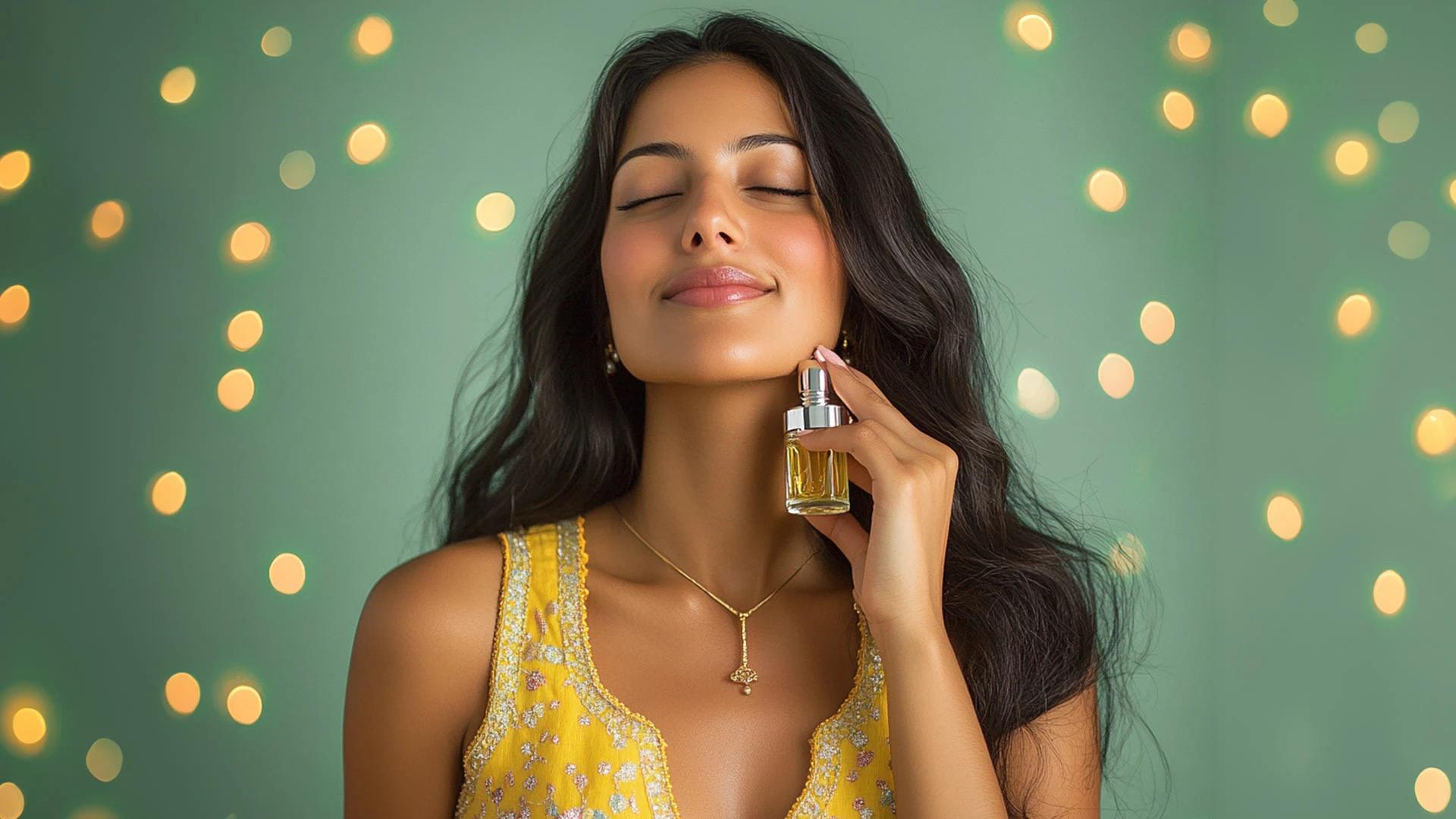

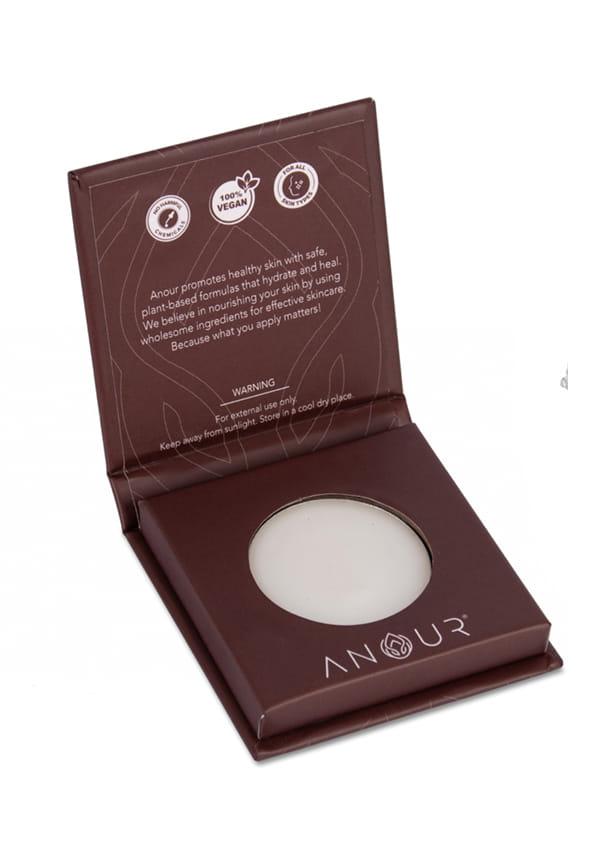
Cocktail Drop Alcohol Free Solid Perfume
Ever caught a whiff of someone's scent and thought, "That smells incredible, but I can't quite place it"? Chances are, they've mastered the art of perfume layering. Creating your own signature scent by combining fragrances might sound intimidating, but it's actually one of the most fun ways to express your personality through fragrance. The key is knowing how to layer two perfumes together without them clashing—and that's exactly what we're diving into today. Whether you're curious about mixing your current favourites or want to explore new scent combinations, platforms like Smytten make it easy to experiment with different fragrances through trial packs before committing to full-size bottles.
TL;DR
Perfume layering works best when you follow the 3:1:1 rule—three sprays of your base fragrance, one spray of your accent scent
Start with complementary fragrance families like citrus with woody notes or florals with musks
Apply your heavier, longer-lasting fragrance first, then add lighter notes on top
Test combinations on your skin before going all-in—what smells good in the bottle might react differently on you
Keep it simple with just two fragrances when you're starting out to avoid scent overload
Perfume layering is basically the art of combining two or more fragrances to create a unique scent that's entirely your own. Think of it like mixing paint colours—when done right, you get something completely new and beautiful. The science behind fragrance combining is pretty fascinating too.
Your skin acts like a canvas where different fragrance molecules interact and evolve throughout the day. Each perfume has top notes (what you smell first), heart notes (the main character), and base notes (what lingers). When you layer scents, these notes dance together, creating depth and complexity that a single fragrance might not achieve on its own.
The real magic happens because everyone's skin chemistry is different. Your natural oils, pH levels, and even what you've eaten can affect how fragrances develop. This means your layered combination will smell uniquely like you—no one else will have exactly the same scent signature.
Before you start mixing scents like a mad scientist, there are some golden rules that'll save you from creating an olfactory disaster. These fragrance layering techniques have been tested by perfume enthusiasts worldwide, so trust the process.
This is your safety net when learning how to combine fragrances. Apply three sprays of your base fragrance (usually the heavier, more complex scent), then add one spray of your accent fragrance. This ratio prevents either scent from overpowering the other whilst giving you enough of each to create something interesting.
When you're new to scent layering, stick to just two fragrances. Your nose needs time to understand how different combinations work together. Once you've mastered a few pairings, you can experiment with adding a third element.
Always apply your deeper, longer-lasting fragrance first. These are typically woody, oriental, or musky scents that have serious staying power. Then layer your lighter, more volatile notes on top—think citrus, light florals, or fresh aquatic scents.
Right, let's get into the actual how-to of creating your custom scents. This process is all about patience and experimentation—don't expect to nail it on your first try.
Your base should be a scent you already love and feel comfortable wearing. Look for fragrances with good longevity—usually those with woody, amber, or musky base notes. This becomes the foundation of your layered creation.
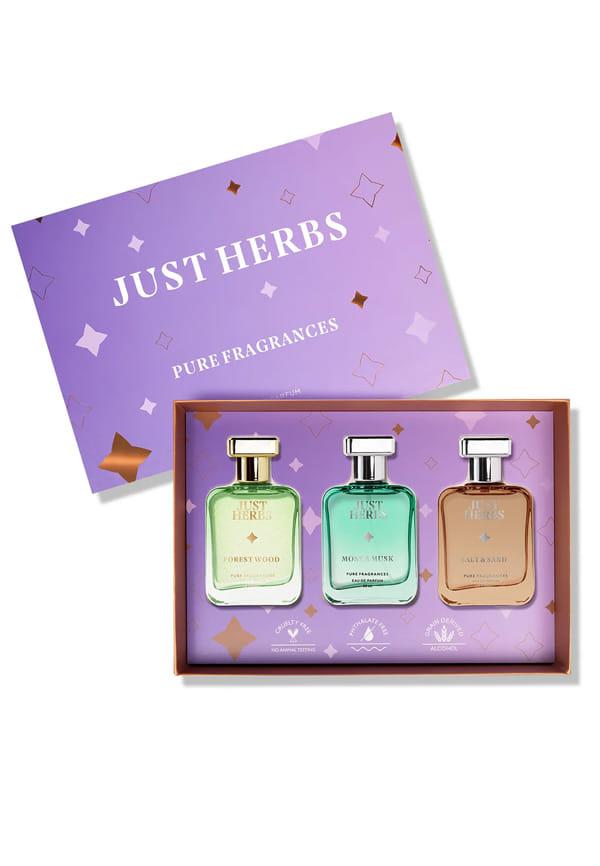
Pure Fragrances Energising & Relaxing Trio Perfume Set
Your accent fragrance should complement, not compete with, your base. If your base is warm and spicy, try adding something fresh and citrusy. If it's light and floral, consider a subtle woody or vanilla note to add depth.
Apply your base fragrance to pulse points—wrists, behind ears, and the hollow of your throat. Wait about 30 seconds for it to settle, then apply your accent scent. You can either layer it on the same spots or choose different pulse points to create a more complex scent trail.
Give your combination at least 15-20 minutes to develop before making any judgements. Fragrances need time to meld with your skin and each other. What might smell a bit off initially could transform into something gorgeous once it settles.
Some fragrance families are just meant to be together. These proven perfume layering combinations are perfect starting points for your mixing adventures.
Fresh bergamot or lemon scents pair beautifully with sandalwood or cedar-based fragrances. The citrus adds brightness whilst the wood provides grounding warmth. This combination works brilliantly for daytime wear and transitions well into evening.
Light florals like rose or jasmine become more sophisticated when layered with clean musks. The musk adds depth without overwhelming the delicate floral notes. This pairing is perfect for those who want something feminine but not overly sweet.
Rich, spicy oriental fragrances can feel heavy on their own, but add a splash of fresh aquatic or green notes, and you've got something truly special. This combination gives you complexity with breathability.
Real talk—vanilla is the ultimate team player in fragrance layering. It pairs well with almost everything, from fresh citrus to deep woods. If you're unsure about a combination, adding a touch of vanilla often smooths out any rough edges.
Even the most enthusiastic fragrance lovers make these mistakes when they're starting out. Learning what not to do is just as important as mastering the techniques.
Your first instinct might be to spray loads of both fragrances, but this usually ends in disaster. Over-application creates a scent cloud that's overwhelming rather than intriguing. Stick to the ratios and build up gradually if needed.

Pure Fragrances Refreshing & Energising Trio Perfume Set
Some fragrance combinations just don't work—like mixing heavy patchouli with delicate white florals, or combining competing citrus notes that end up smelling like cleaning products. Understanding fragrance families helps you avoid these clashes.
What smells amazing on your friend might not work on you. Skin pH, natural oils, and even hormones affect how fragrances develop. Always test combinations on your own skin rather than relying on how they smell in the bottle or on someone else.
Fragrance layering is not a quick fix. Each scent needs time to develop and interact with the others. Patience is key—give your combinations time to tell their full story before deciding if they work.
Once you've mastered the basics, these pro-level mixing scents techniques will take your layering game to the next level. These are the secrets that perfume enthusiasts use to create truly unique signatures.
Think of your fragrance collection like a capsule wardrobe—each piece should work well on its own but also play nicely with others. Invest in versatile base scents and a few statement accent fragrances that can transform your basics into something special.
Your layering approach should change with the seasons. Summer calls for lighter combinations with fresh, citrusy accents, whilst winter is perfect for richer, spicier blends. Having seasonal layering formulas means you'll always smell appropriate for the weather.
Keep notes about successful combinations—which fragrances you used, the ratios, and how they developed throughout the day. This fragrance diary becomes invaluable when you want to recreate a winning combination or avoid repeating mistakes.
Don't forget about scented body lotions, oils, and shower gels. These can add another dimension to your layering routine. A vanilla-scented body lotion under a fresh fragrance creates subtle complexity that pure perfume layering might not achieve.
Technically yes, but it's not recommended. Mixing perfumes in a bottle can alter their chemical composition and longevity. It's better to layer them on your skin where they can interact naturally with your body chemistry. Plus, if the combination doesn't work out, you haven't ruined two perfectly good fragrances.
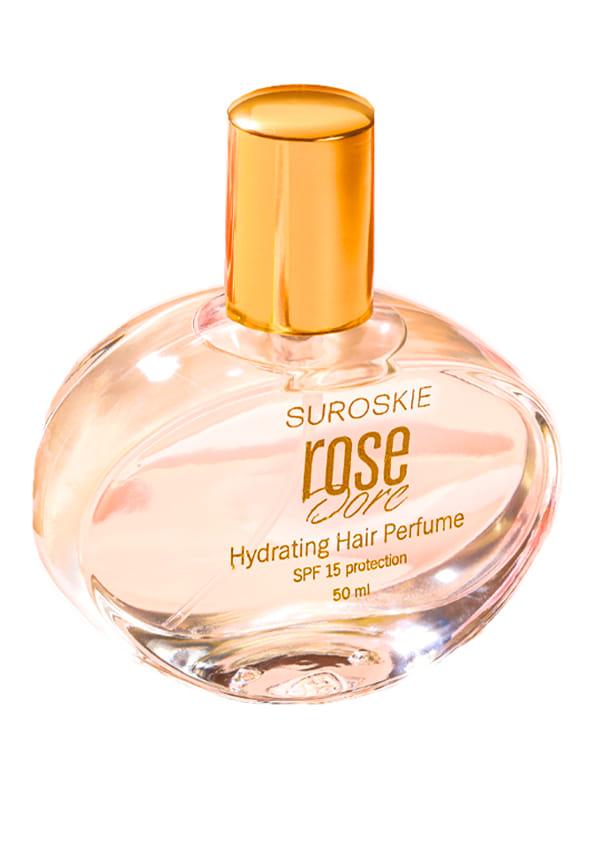
Rose Dore Hydrating Hair Perfume
Complementary families work best—think citrus with woody, floral with musky, or fresh with oriental. Avoid mixing competing scents from the same family (like two different citrus fragrances) as they tend to clash rather than complement each other.
Wait about 30 seconds to 1 minute between applications. This gives the first fragrance time to settle on your skin before adding the second layer. Applying too quickly can cause the scents to mix in an uncontrolled way.
If you have sensitive skin, start with smaller amounts and test combinations on a small area first. Layering does mean more fragrance ingredients on your skin, so patch testing is especially important. Consider using one fragrance on pulse points and another on clothing if skin sensitivity is a concern.
Layering involves applying separate fragrances in sequence, whilst blending typically refers to mixing fragrances together before application. Layering allows each scent to maintain its character whilst creating interaction, whereas blending creates an entirely new scent from the start.
A successful combination should smell harmonious, not like two separate fragrances fighting for attention. Ask trusted friends for their honest opinion, and pay attention to how the scent develops over several hours. If it still smells good after 4-6 hours, you've probably got a winner.
You can experiment with applying different fragrances to different pulse points, but be careful not to create a confusing scent trail. This technique works best when the fragrances are very complementary. For beginners, layering on the same pulse points is usually more successful.
Absolutely! Smytten's trial packs are perfect for experimenting with perfume layering combinations without committing to full-size bottles. You can try different fragrance pairings risk-free and discover what works best with your skin chemistry before making larger purchases.
Perfume layering is an art that becomes easier with practice and patience. Start with the 3:1:1 rule, choose complementary fragrance families, and always test combinations on your skin before committing. Remember that successful layering creates harmony, not competition between scents.
The most important thing is to have fun with the process. Your signature scent should reflect your personality and make you feel confident. Don't be afraid to experiment, but also don't feel pressured to create something completely unique—sometimes the best combinations are the simplest ones.
Keep notes about what works and what doesn't, and remember that your preferences might change with seasons, moods, or life stages. What matters is finding combinations that make you feel like the best version of yourself.
Creating your perfect fragrance combination doesn't have to be expensive or risky. Smytten's trial packs let you explore different scent layering possibilities with authentic brand-verified minis from top fragrance houses. With 100% cashback on trials, you can experiment with various perfume layering combinations without the commitment of full-size purchases. Whether you're looking to try before you buy or simply want to expand your fragrance horizons, Smytten's India's largest minis collection makes it easy to discover your next signature scent blend. After all, why settle for just one fragrance when you can create something uniquely yours?
