Perfume Concentration Explained: Your FAQ Guide


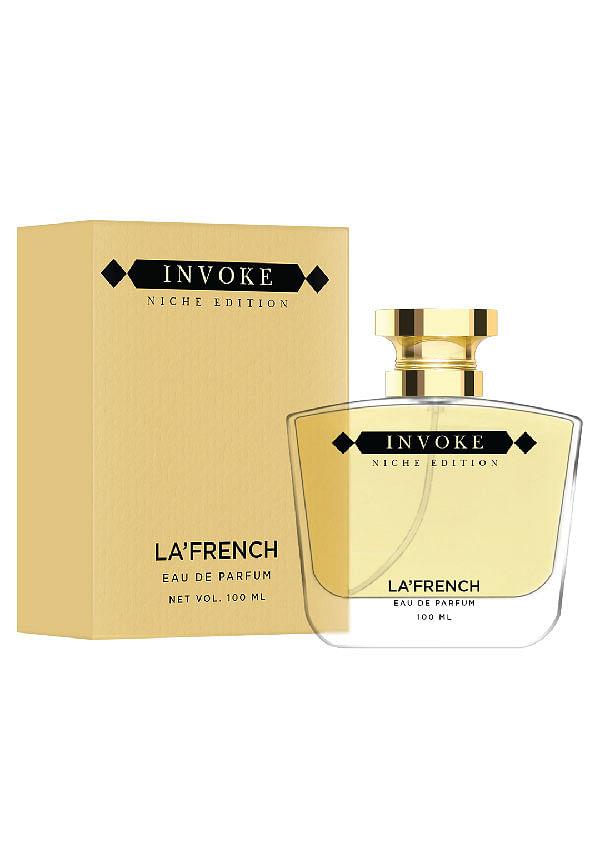
Invoke Niche Edition Eau De Parfum
Good fragrance, value product
 4
4“good fragrance, value for money”
Good Product, Nice Quality
5“good very product and nice quality”
Positive Product Review
5“good smell... ... nice worth it”
TL;DR
Perfume concentration refers to the percentage of fragrance oils in the formula—higher percentages mean stronger, longer-lasting scents
The main types range from Eau Fraiche (1-3%) to Parfum (20-40%), with Eau de Toilette and Eau de Parfum being the most common
Look for abbreviations like EDT, EDP, or EDC on labels, plus check ingredient lists and pricing as concentration clues
Higher concentrations cost more but offer better value per wear, whilst lighter concentrations work better for daily office wear
Understanding concentration helps you choose the right fragrance intensity for different occasions and skin types
Think of perfume concentration as the strength dial on your fragrance. It's literally the percentage of aromatic compounds (fragrance oils) mixed with alcohol and water in your bottle. The higher this percentage, the more intense and long-lasting your scent becomes.
But here's where it gets interesting—concentration isn't just about smelling stronger. It affects everything from how the fragrance develops on your skin to how much you'll pay at checkout.
Most fragrances contain three main components: aromatic oils, alcohol, and water. The magic number everyone talks about is that oil percentage. A 20% concentration means one-fifth of your bottle is pure fragrance oils, whilst the rest is alcohol and water working as carriers.
Industry standards vary slightly between brands, but these percentages give you a reliable framework for expectations. Some niche brands might push boundaries, but mainstream fragrances generally stick to these established ranges. For accuracy, note that percentages can vary between brands.
Higher concentrations don't just last longer—they project differently too. A 5% eau de toilette might hug your skin, perfect for close encounters. Meanwhile, a 25% parfum creates that gorgeous scent trail people notice when you walk by.
Price-wise, you're paying for those precious oils. That's why a 30ml parfum costs more than a 100ml eau de toilette from the same brand. But when you break it down per wear, concentrated formulas often offer better value.
Ready for the concentration hierarchy? Each level has its own personality and purpose, from barely-there freshness to all-day luxury. Understanding these categories helps you pick the right intensity for any situation.
Let's break down each type so you know exactly what you're getting into.
Eau Fraiche (1-3%): The whisper of the fragrance world. Mostly water with just a hint of oils, perfect for a subtle refresh that won't overwhelm anyone. Think gym-friendly or hot summer days when anything stronger feels too much.
Eau de Cologne (2-5%): Classic and crisp, traditionally citrus-heavy. These were the original colognes—light, fresh, and designed for frequent reapplication. Great for those who love that just-showered feeling.
Eau de Toilette (5-15%): Your daily driver. Balanced enough for office wear but with enough presence to feel special. Most people's sweet spot for everyday fragrances that won't cause complaints in lifts.
Eau de Parfum (15-20%): The goldilocks zone. Strong enough for special occasions, sophisticated enough for important meetings. This is where most signature scents live.
Parfum/Extrait de Parfum (20-40%): The luxury tier. Rich, complex, and designed to evolve beautifully throughout the day. One spray goes a long way, making these surprisingly economical despite the higher price tag.
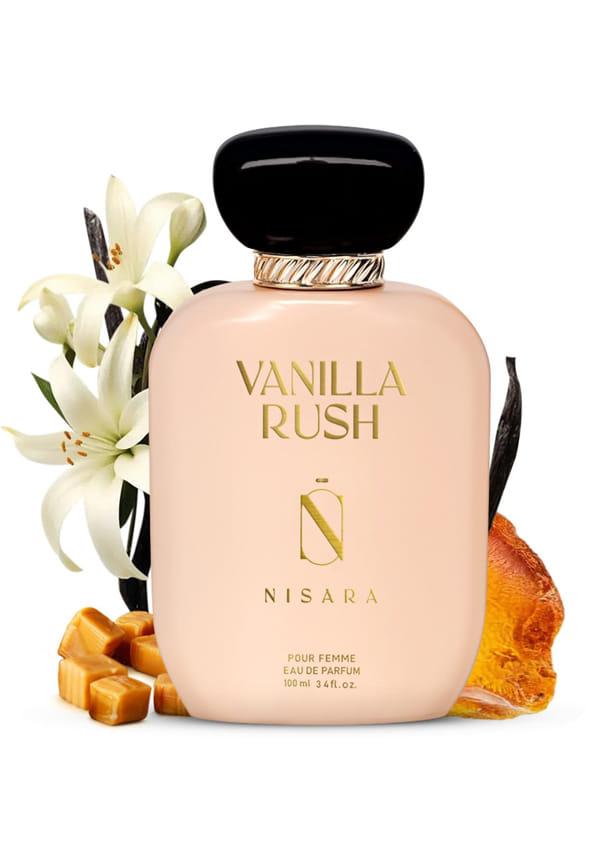
Vanilla Rush Eau De Parfum
Loved this perfume! Refreshing and long-lasting.
5“Honestly, I loved this perfume! 😍 The fragrance is super refreshing and gives a premium feel. It lasts for hours and people around me actually noticed it. It’s perfect for both day and night use. Totally worth it!”
Excellent Warm Vanilla Perfume
5“Nisara Vanilla Rush is a warm, sweet, long-lasting perfume with a smooth vanilla base. It feels cozy, elegant, and perfect for daily wear. Great projection, budget-friendly, and truly value for money.”
This is the comparison everyone wants to understand. EDPs typically last 6-8 hours with moderate to strong projection, whilst EDTs give you 3-5 hours of lighter presence. For office environments, EDT often works better—it's noticeable without being overwhelming.
Value-wise, EDP might cost 30% more but last twice as long, making it the better investment if you're not switching scents daily. EDT wins for variety lovers who want different fragrances for different moods.
Time for the detective work. Brands don't always make concentration obvious, but once you know where to look, those labels start making perfect sense. Most information hides in plain sight—you just need to know the code.
Let's decode those mysterious abbreviations and find the concentration clues brands leave scattered across their packaging. Understanding how to decipher perfume labels is key to making informed choices.
Start with the obvious: look for "Eau de Parfum," "Eau de Toilette," or their abbreviations (EDP, EDT, EDC) usually printed near the brand name or on the bottom of the bottle. These are your biggest clues.
Next, check the ingredient list. Alcohol (or ethanol) appears early for lighter concentrations, whilst oil-heavy formulas list it further down. The order matters—ingredients are listed by quantity.
Size and price can be telling too. If a 30ml bottle costs the same as a 50ml from the same brand, the smaller one is likely a higher concentration.
Some brands get creative with naming. "Intense," "Concentrée," or "Absolue" usually signal higher concentrations. "Fresh," "Light," or "Sport" versions typically lean towards EDT or lighter.
Bottle design offers clues too. Heavier, more ornate bottles often house stronger concentrations, whilst sleek, minimalist designs usually contain lighter formulas designed for frequent use.
Here's where things get personal. Your skin type, lifestyle, and even the weather affect how different concentrations perform. What works brilliantly on your friend might disappear on you within hours, or vice versa.
Let's figure out what "high" and "low" actually mean in practical terms, and how to choose what works for your world. This is where fragrance intensity explained.
Absolutely. 20% puts you firmly in parfum territory—that's luxury-level concentration. Most mainstream fragrances hover between 5-15%, so 20% is definitely high-end. You'll get 8-12 hours of wear, strong projection, and complex note development.
A 40% concentration is rare and expensive—think exclusive niche brands or special editions. These are powerhouse formulas where one spray can last all day and into the next morning.
For context, anything above 15% is considered "high," 8-15% is "medium," and below 8% is "light." This helps you set realistic expectations for performance and longevity.
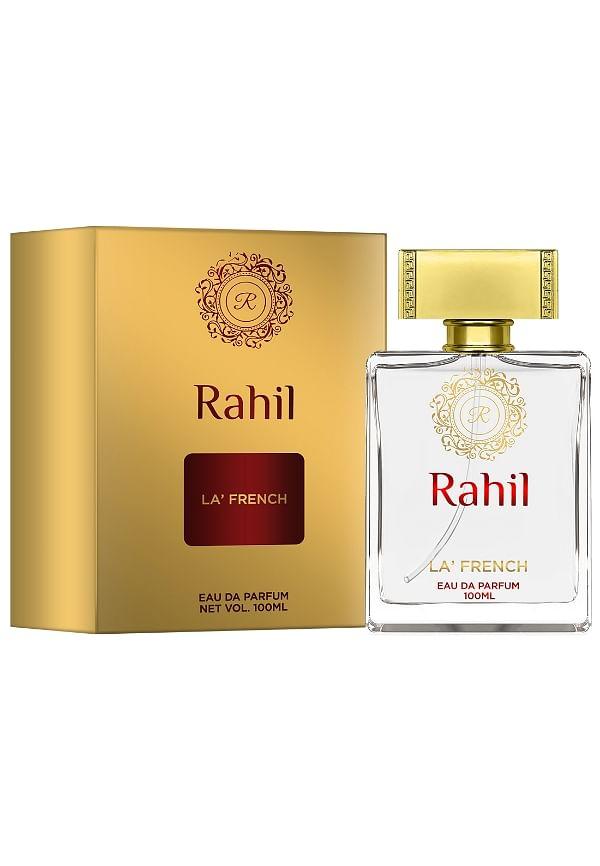
Rahil Eau De Parfum, 100ml
Oily skin holds fragrance longer, so you might prefer lighter concentrations to avoid overwhelming projection. Dry skin absorbs fragrance faster, making higher concentrations a better investment.
Climate matters too. Humid weather amplifies fragrance, making EDTs perfect for summer, whilst cold weather calls for EDPs or parfums that won't disappear in winter air.
Here's something fascinating: concentration doesn't just affect strength—it changes how your fragrance tells its story. Higher concentrations reveal more complexity, letting you experience notes that lighter versions might skip entirely.
Understanding this relationship helps you choose concentrations that showcase the notes you actually want to smell.
In lighter concentrations, top notes dominate because there's less oil to support the heavier base notes. You get that initial burst of citrus or freshness, but it fades quickly without much depth.
Higher concentrations let the full fragrance pyramid unfold. You'll experience the bright opening, the heart notes that define the fragrance's character, and those rich base notes that create lasting impression and complexity.
This is why the same fragrance can smell completely different in EDT versus EDP versions—you're literally experiencing different parts of the composition.
Note listings usually appear on packaging or brand websites as "top," "heart/middle," and "base" notes. Understanding these helps you predict how different concentrations will perform.
If you love the base notes (vanilla, musk, woods), higher concentrations will serve you better. If you're all about that fresh opening (citrus, herbs, light florals), EDT might be perfect.
Let's talk about the myths that trip everyone up. The fragrance world loves its mystique, but some "rules" are just marketing nonsense that costs you money and satisfaction.
Time to bust some concentration myths and help you make smarter choices.
"More expensive equals higher concentration" is the biggest myth. Designer brands often charge premium prices for EDT formulations, whilst some niche brands offer parfum concentrations at competitive prices.
Another misconception: "Designer brands always have lower concentrations than niche." Plenty of mainstream brands offer excellent EDP and parfum options—you just need to look beyond the heavily marketed EDT versions.
"Higher concentration always means better" isn't true either. Sometimes you want that light, fresh feeling that only lower concentrations provide.
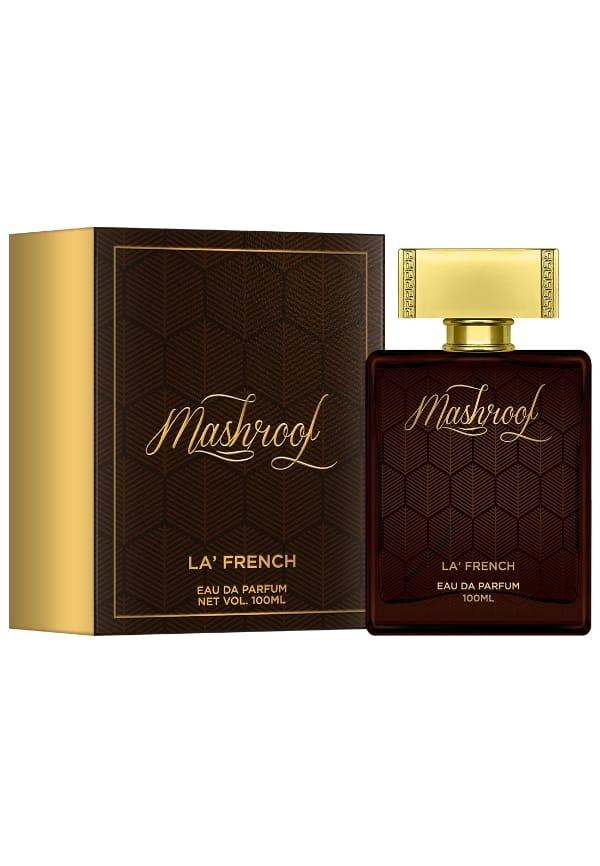
Mashroof Eau De Parfum, 100ml
Red flags include vague terms like "long-lasting" without specific concentration information, or prices that seem too good to be true for claimed parfum concentrations.
Reliable sources include brand websites, authoritative fragrance databases, and reviews from trusted fragrance communities. When in doubt, sample first—performance tells the real story.
Product | Brand | Concentration Type | Longevity | Best For | Price Range |
|---|---|---|---|---|---|
Black.Code Original Deodorant Body Spray | DENVER | Body Spray (Low) | 6-8 hours | Daily office wear, gym | Mid-range |
Vision Flowers Body Spray | Ossa Perfume | Body Spray (Medium) | 5-7 hours | Everyday casual wear | Mid-range |
Midnight Rouge Perfume Body Mist | The Perfume Co. | Perfume Mist (Medium-High) | 6-8 hours | Evening, party wear | Premium |
White Oudh Luxury Attar | ATARSTORY | Attar (High) | 6-8 hours | Travel-friendly, daily use | Mid-range |
Bodylovin' Hazelnut Eclair Body Mist | Plum | Body Mist (Low-Medium) | 4-6 hours | Casual daily wear | Mid-range |
Yes, 20% is considered high concentration, placing it in the parfum category. This level offers 8-12 hours of wear with strong projection and complex note development. Most mainstream fragrances range from 5-15%, so 20% is definitely luxury territory that provides excellent longevity and value per wear.
Look for terms like "Eau de Parfum" (EDP), "Eau de Toilette" (EDT), or "Parfum" on the bottle or packaging. Check the ingredient list—alcohol appears earlier for lighter concentrations. Compare bottle sizes and prices from the same brand, as smaller bottles at similar prices often indicate higher concentrations.
A 40% concentration represents the highest tier of luxury fragrances, typically found in exclusive niche brands or special editions. These powerhouse formulas offer exceptional longevity (12+ hours), intense projection, and complex note evolution. One spray can last all day, making them surprisingly economical despite premium pricing.
Eau de Parfum (EDP) is stronger than Eau de Toilette (EDT). EDPs contain 15-20% fragrance oils versus EDTs' 5-15%, resulting in 6-8 hours of wear compared to EDTs' 3-5 hours. EDPs also offer better projection and more complex note development, whilst EDTs provide lighter, more office-appropriate presence.
Eau Fraiche lasts 1-2 hours, Eau de Cologne 2-3 hours, Eau de Toilette 3-5 hours, Eau de Parfum 6-8 hours, and Parfum 8-12+ hours. However, longevity varies based on skin type, climate, and application method. Oily skin holds fragrance longer, whilst dry skin may need reapplication sooner.
Absolutely! Smytten offers trial packs from over 1,500 trusted fragrance brands, letting you test different concentrations before committing to full-size purchases. You can explore various perfume types and concentrations through their curated minis collection, making it easier to find your perfect scent match without the guesswork. Smytten's trial packs are a great way to discover new scents.
Understanding perfume concentration labels transforms you from confused browser to confident buyer. Remember that concentration percentages directly impact longevity, projection, and price—higher isn't always better, just different. EDT works brilliantly for daily office wear, whilst EDP suits special occasions and signature scents.
Look for clear labelling with terms like EDT, EDP, or Parfum, and don't be fooled by marketing terms that avoid specific concentration information. Your skin type, lifestyle, and climate should guide your concentration choice more than trends or price tags.
Most importantly, sample before you buy. What works beautifully on someone else might not suit your chemistry, regardless of concentration level.
Navigating the world of fragrance concentrations becomes much easier when you can try before you buy. Smytten is India's largest product discovery and trial platform, connecting consumers with top lifestyle, beauty, wellness, and grooming brands. At its core, Smytten offers curated trial packs - mini-sized products from over 1,500 trusted brands, letting users explore and experience different fragrance concentrations before committing to full-size purchases. Each mini is linked with Trial Points, and users can get up to 8 minis for just ₹249. Plus, Smytten offers 100% cashback on the purchase of these minis, redeemable in the shop section for future orders, making fragrance discovery both affordable and rewarding. With over 25 million users and 100 million trial minis delivered across 27,000+ pincodes, Smytten helps consumers make smarter, more confident choices about perfume concentrations. After all, why settle for 'maybe' when you can try before you buy and find exactly the right concentration for your lifestyle?
