Perfume Chemistry FAQ: Why Scents Vary on Different Skin

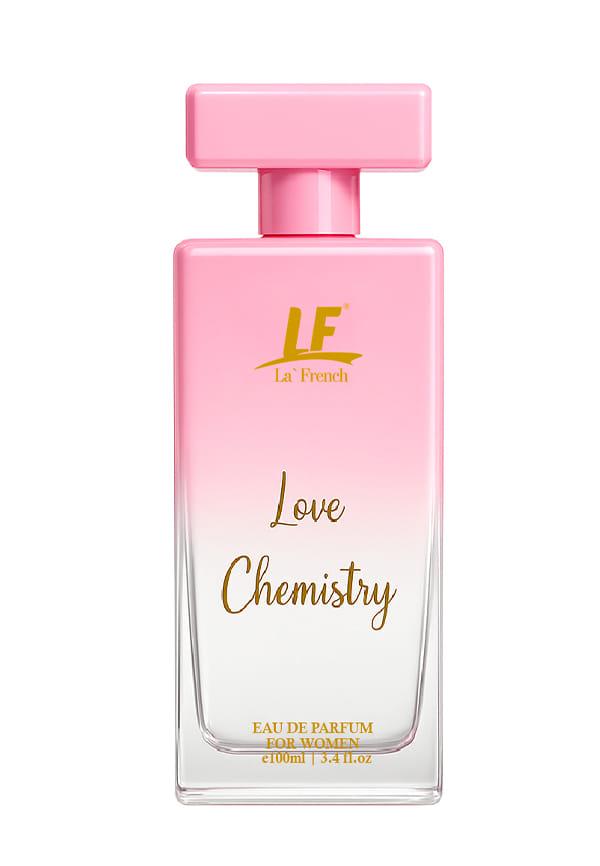
Love Chemistry Long Lasting Perfume For Women
Ever sprayed the same perfume on yourself and your mate, only to wonder if you're wearing completely different scents? You're not imagining things. The same fragrance can smell wildly different from person to person, and it's all down to the fascinating world of perfume chemistry. Your skin is basically a unique canvas that transforms every fragrance in its own special way. Understanding why this happens can save you from those awkward moments when your dream perfume turns into a nightmare on your skin. Plus, with trial options available on Smytten, you can test how different fragrances react with your body chemistry before committing to full-size bottles.
Your skin's pH, natural oils, and body chemistry create unique reactions with fragrance molecules
Individual scent profiles are influenced by genetics, diet, hormones, and lifestyle factors
Perfumes evolve differently on each person due to varying skin temperatures and hydration levels
Testing fragrances on your own skin is crucial for finding your perfect match
Understanding your body chemistry helps you choose fragrances that work best with your natural scent
Your skin isn't just a surface—it's a complex ecosystem that actively interacts with fragrance molecules. When you spray perfume, those tiny scent particles don't just sit there looking pretty. They're busy mixing with your skin's natural oils, proteins, and even the bacteria that live on your skin (don't worry, the good kind!).
Perfume chemistry gets really interesting when you consider how your sebaceous glands work. These little oil factories in your skin produce sebum, which can either enhance or completely change how a fragrance smells. People with oilier skin often find that their perfumes last longer but might smell more intense, whilst those with drier skin might notice their scents fade faster but stay truer to the original bottle scent.
Your skin contains unique proteins that act like tiny magnets for different fragrance notes. This is why some people are natural matches for woody scents whilst others make florals sing. The interaction between these proteins and fragrance molecules creates what perfumers call your "skin signature."
Here's where things get properly scientific. Your skin pH and perfume have a relationship that's more complicated than your last situationship. Most people's skin sits somewhere between 4.5 and 6.5 on the pH scale, but even tiny variations can dramatically change how a fragrance develops.
If you've got more acidic skin (lower pH), you might find that citrus notes pop more but fade faster, whilst base notes like vanilla and musk really come alive. People with more alkaline skin often discover that their perfumes smell softer and more muted, but certain floral notes absolutely glow on them.
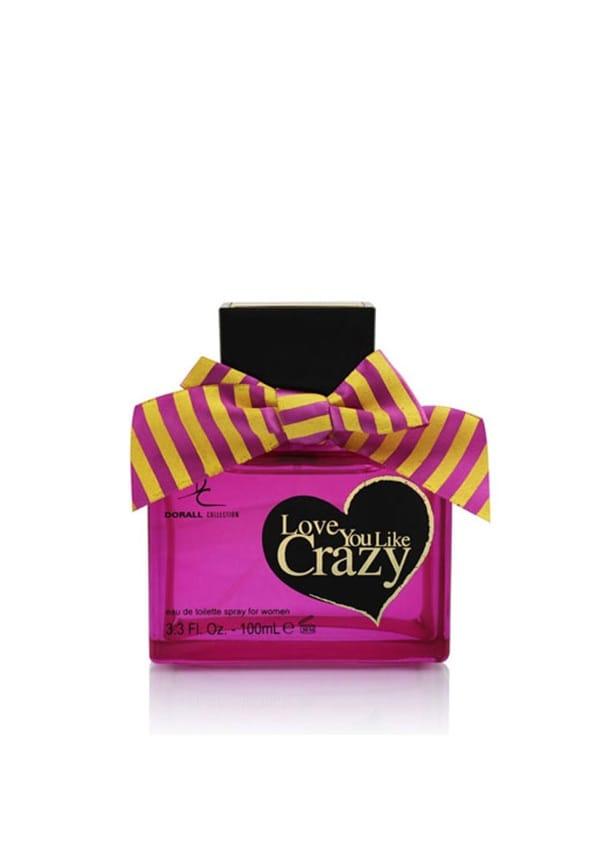
Love You Like Crazy For Women
Beautiful Products, Good Results
 5
5“beautiful products good results”
Refreshing and Awesome Smell
5“love the smell.its so refreshing and just awesome..”
Excellent Product and Packaging
5“nice packaging product is really good i love this product it is excellent like other products from this company ❤️thanks smytten ❤️”
Real talk—some people just seem to make perfumes disappear or smell completely off. This isn't a personal failing; it's usually down to having very alkaline skin or specific enzyme activity that breaks down fragrance molecules faster than you can say "eau de toilette."
That gorgeous scent you sprayed this morning? It's been on quite the journey. Why perfume changes throughout the day has everything to do with how your body temperature fluctuates, your stress levels, what you've eaten, and even how much water you've had.
Your body heat acts like a diffuser, pushing different fragrance notes to the surface at different times. This is why you might catch whiffs of your perfume randomly throughout the day—your skin is literally releasing different layers of the scent as your temperature changes.
Your hormones are basically the directors of your personal scent story. During different times of the month, pregnancy, or even when you're stressed, your perfume longevity on skin can change dramatically. Some people find their signature scent smells completely different during certain life phases.
Your individual scent profiles are like fingerprints—completely unique to you. This comes down to a cocktail of factors that make you, well, you. Your natural skin oils, hydration levels, diet, and even your genetics all play a part in how fragrances develop on your skin.
People who eat lots of spicy food or garlic might find that certain fragrance families clash with their natural scent, whilst those with diets rich in fresh fruits and vegetables often discover that light, fresh fragrances work beautifully on them.
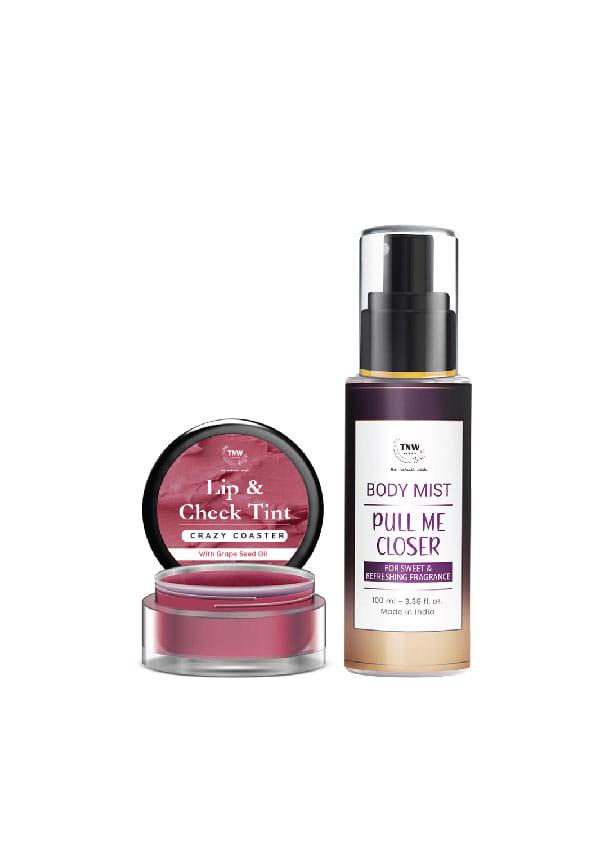
Pull Me Closer Body Mist & Crazy Coster Lip Tint
Well-moisturised skin holds onto fragrance molecules better than dry skin. This is why perfume always seems to last longer right after you've slathered on your favourite body lotion. Perfume interactions with skin are much more successful when your skin barrier is healthy and hydrated.
Sometimes a perfume just doesn't work, and that's completely normal. Fragrance variations between people can be so dramatic that what smells like heaven on your friend might smell like a chemical disaster on you. This usually happens when there's a mismatch between your skin chemistry and certain fragrance molecules.
If you consistently find that perfume smells different or unpleasant on you, it might be worth looking at fragrance families that traditionally work better with your skin type. For instance, people with very oily skin often do better with fresh, citrusy scents rather than heavy, musky ones.
Some fragrance notes are notorious for going wonky on certain skin types. Vanilla can turn cloying on very warm skin, whilst citrus can smell sharp and harsh on more alkaline skin. Pay attention to patterns in what works and what doesn't.
Each person's skin chemistry is unique, creating different reactions with fragrance molecules. Factors like skin pH, natural oils, body temperature, and even diet all influence how a perfume develops and smells on different people.
Body chemistry varies based on genetics, hormones, lifestyle, and skin composition. These individual differences cause fragrance molecules to interact differently with each person's skin, creating unique scent profiles even with the same perfume.
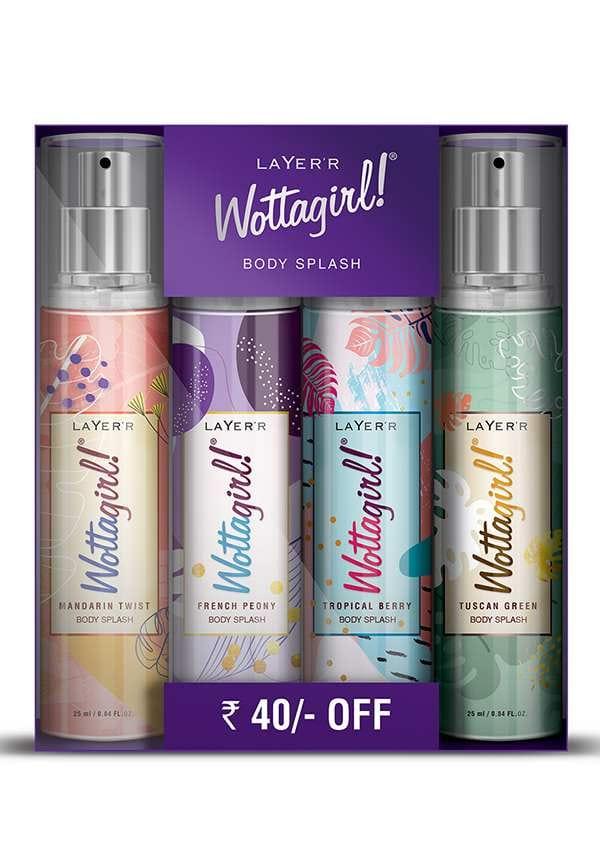
Body Splash
Accurate & Liked Fragrances
5“Each fragrance smells the exact same that has been written on the bottle! And I liked all of them”
Affordable & Travel-Friendly
5“Affordable set of fragrance.. travel friendly pack..”
Nice for gifting
5“it is a nice set to guft as well”
This usually indicates a mismatch between your skin chemistry and certain fragrance notes. Your skin's pH level, natural oils, or body temperature might be incompatible with specific ingredients in the perfume, causing unpleasant reactions.
Yes, some fragrances are particularly reactive to individual body chemistry. Complex perfumes with many different notes or those containing certain synthetic molecules tend to vary more dramatically between different people.
Absolutely. Perfumes are designed to evolve throughout the day, releasing different notes as they interact with your skin's changing temperature and chemistry. This natural progression is part of how fragrances are meant to work.
Testing on your own skin is essential for finding the right fragrance. Trial options available on Smytten let you experience how different perfumes react with your body chemistry before investing in full-size bottles, making fragrance discovery much more affordable and risk-free.
Understanding your body chemistry is the secret to finding fragrances that truly work for you. Your skin's unique composition—from pH levels to natural oils—creates a personalised reaction with every perfume you try. Rather than getting frustrated when a fragrance doesn't work, embrace the fact that your skin chemistry is helping you find your perfect scent match. Pay attention to patterns in what works and what doesn't, and don't be afraid to step outside your comfort zone when testing new fragrances.
Finding your signature scent is a journey of discovery, and understanding why perfumes smell different on different people makes that journey so much more interesting. Your unique body chemistry isn't something to work against—it's your personal fragrance superpower. With trial packs available on Smytten, you can explore how different fragrances interact with your skin chemistry without the commitment of full-size purchases. The platform's collection of authentic brand-verified minis from trusted fragrance brands lets you experiment safely, and with 100% cashback on trials, discovering your perfect scent becomes both affordable and exciting. After all, why settle for a fragrance that's just okay when you can find one that's absolutely perfect for your unique chemistry?
