Parfum vs Extrait de Parfum FAQ: Understanding Fragrance Strength

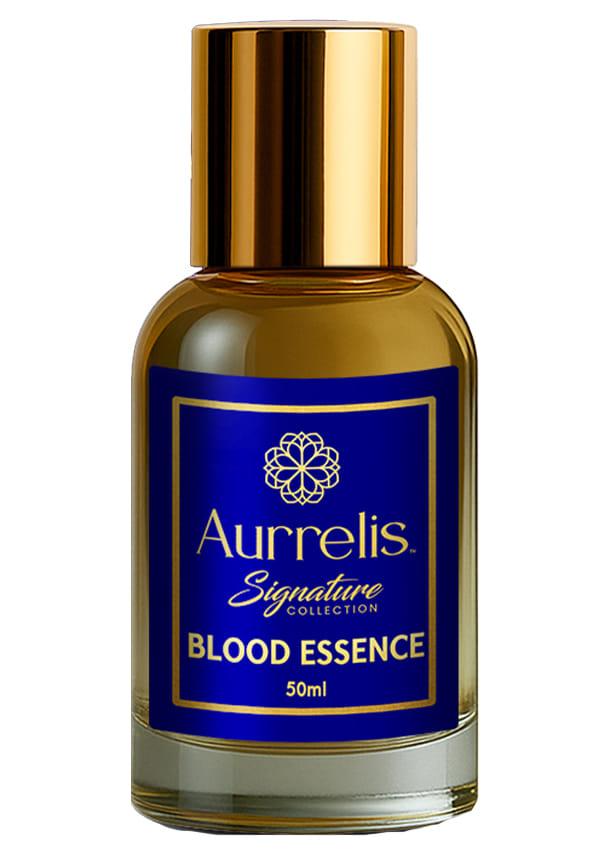
Signature Bold Essence Extrait De Parfum
Ever stood in the fragrance aisle feeling completely lost about what makes one perfume different from another? You're definitely not alone. The world of fragrances can feel like a maze of fancy French terms and confusing concentrations. Two terms that often leave people scratching their heads are parfum and extrait de parfum. While they might sound similar, they're actually quite different in terms of strength, longevity, and how they perform on your skin. Understanding these differences can totally change how you choose and enjoy your fragrances. Whether you're building your first fragrance collection or looking to upgrade your scent game, knowing what sets these concentrations apart will help you make smarter choices. Plus, with platforms like Smytten offering trial packs of various fragrances, you can actually test these different concentrations before committing to a full-size bottle.
Parfum contains 10-15% fragrance oils, while extrait de parfum packs 20-40% oils for maximum intensity
Extrait lasts 8+ hours with richer texture, parfum gives 4-6 hours with lighter feel
Higher concentration means stronger scent, longer wear, and higher price point
Choose extrait for special occasions and parfum for daily wear
Both have their place in a well-rounded fragrance wardrobe
Let's start with the foundation of how fragrances actually work. Every perfume is essentially a blend of fragrance oils, alcohol, and water. The magic happens in the ratio of these ingredients, particularly the concentration of fragrance oils.
Parfum concentration refers to the percentage of aromatic compounds dissolved in the alcohol base. Think of it like making tea – the more tea leaves you use, the stronger your brew becomes. In the fragrance world, more oils equal stronger scent and longer-lasting performance.
The industry has established pretty clear standards for different fragrance types. These aren't just random categories – they actually determine how your perfume will smell, how long it'll last, and yes, how much you'll pay for it. The concentration directly affects everything from the initial spray to how the scent develops throughout the day.
Here's why this matters for your wallet and your skin: higher concentrations typically cost more because they contain more precious fragrance oils. But they also tend to be gentler on sensitive skin since they contain less alcohol. It's basically a trade-off between intensity, longevity, and price.
Now for the main event – what actually separates these two powerhouses? The extrait de parfum definition is pretty straightforward: it's the most concentrated form of fragrance you can buy, containing anywhere from 20-40% fragrance oils. This makes it the strongest option available in most fragrance lines.
Regular parfum (often called Eau de Parfum) sits at a more moderate 10-15% concentration. While this might seem like a small difference on paper, it's actually huge in terms of performance and experience.
Extrait de parfum feels noticeably different when you apply it. It's got this almost oily, luxurious texture that sits on your skin rather than immediately evaporating. Parfum, on the other hand, feels lighter and absorbs more quickly.
Quick clarification because this trips people up: "parfum" and "perfume" are often used interchangeably, but technically parfum refers to the concentration level while perfume is the general term for any scented product. Think of parfum as a specific type of perfume.
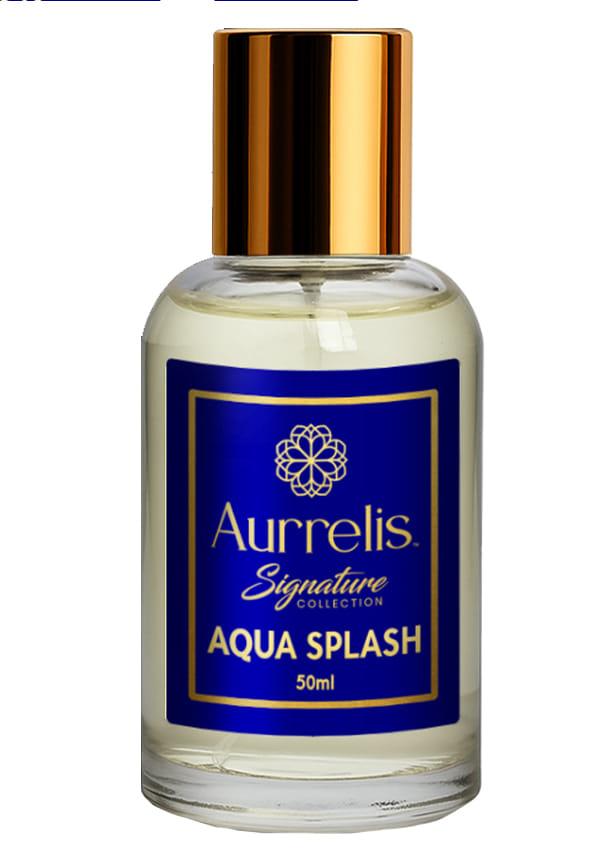
Signature Aqua Splash Extrait De Parfum
Extrait de parfum typically costs 2-3 times more than regular parfum. But here's the thing – you need way less product per application, so the cost per wear might actually work out similarly.
This is where things get really interesting. Perfume longevity varies dramatically between these two concentrations, and understanding this can completely change how you approach fragrance wearing.
Extrait de parfum is the marathon runner of the fragrance world. We're talking 8+ hours of solid performance, sometimes lasting well into the next day on clothes. The scent tends to stay closer to your skin but with incredible richness and depth.
Parfum gives you that perfect middle ground – about 4-6 hours of wear with moderate projection. It's strong enough to be noticed but won't overwhelm your colleagues in a meeting.
Summer calls for lighter concentrations like parfum, while winter is perfect for the intensity of extrait. The perfume strength of extrait can feel overwhelming in hot weather but absolutely divine when it's chilly.
With extrait, less is definitely more. One small dab on pulse points is usually enough. Parfum allows for more generous application – think 2-3 sprays on different areas.
Let's break down the entire fragrance concentration spectrum so you know exactly what you're getting into. This fragrance concentration guide will help you navigate any perfume counter with confidence.
Understanding these different types of perfume will help you build a collection that works for every occasion and budget.
The lightest option, perfect for a quick refresh. Lasts about 1-2 hours and feels incredibly fresh and citrusy.
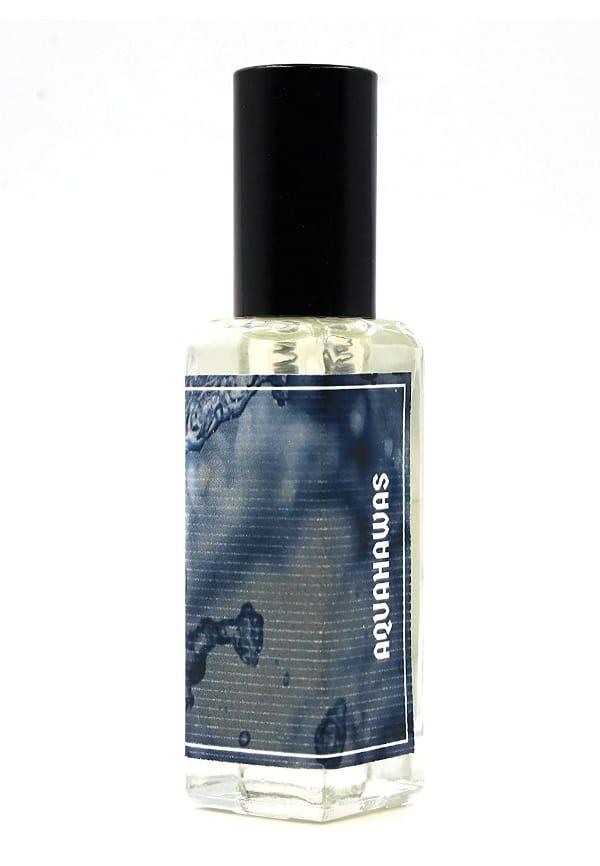
Aqua-Hawas By Projekt Alternative Extrait De Parfum
Your everyday workhorse. Light enough for office wear, lasting 2-4 hours with decent projection.
The sweet spot for most people. Strong enough to last through your day but not overwhelming.
The luxury tier. These are your special occasion scents or signature fragrances for those who want maximum impact.
Real talk – there's no universal "better" option here. It's all about what works for your lifestyle, skin chemistry, and preferences. But let's break down the factors that should influence your decision.
If you have sensitive skin, extrait might actually be your friend despite being stronger. The lower alcohol content means less irritation for many people. However, the intensity might be too much if you're scent-sensitive.
Extrait costs more upfront but you use tiny amounts. Parfum is more affordable initially but you might go through bottles faster. Do the maths based on how often you wear fragrance.
Smart strategy: start with parfum for daily wear, then add extrait versions of your absolute favourites. This gives you options without breaking the bank.
Parfum works brilliantly for work, casual outings, and daytime events. Save extrait for date nights, special occasions, or when you want to make a lasting impression.
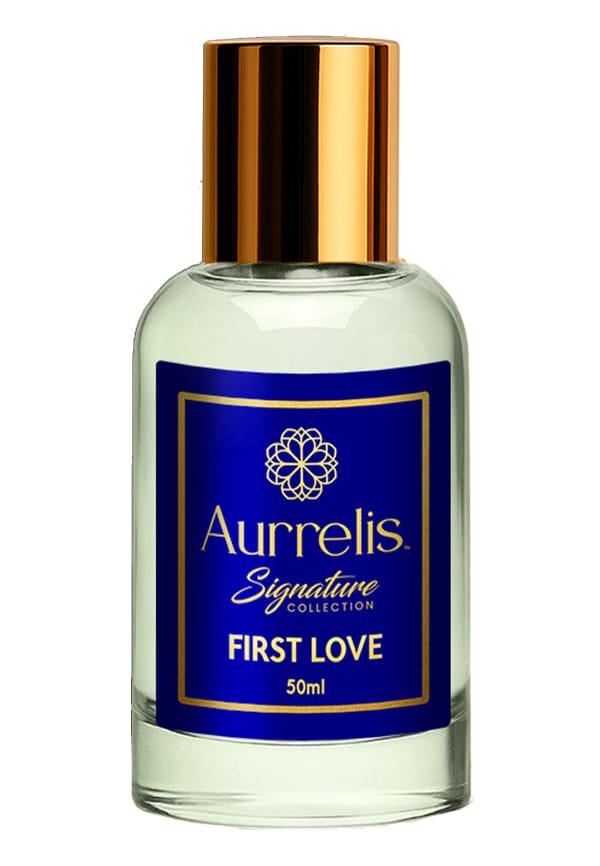
Signature First Love Extrait De Parfum
The main difference lies in concentration levels. Parfum contains 10-15% fragrance oils while extrait de parfum packs 20-40% oils. This means extrait is stronger, lasts longer (8+ hours vs 4-6 hours), and has a richer, more intense scent profile. Extrait also costs more but requires less product per application.
Extrait de parfum is significantly stronger than eau de parfum. With double or triple the concentration of fragrance oils, extrait delivers more intense scent and superior longevity. However, eau de parfum offers better projection and is more suitable for everyday wear.
If you love a particular fragrance and want maximum longevity, extrait can be worth it. You'll use less product per application, and the scent lasts much longer. For special occasions or signature scents, the investment often pays off. Trial packs available on Smytten let you test extrait versions before committing to full sizes.
You can, but use it sparingly. Extrait is quite potent, so a tiny amount goes a long way. Many people prefer saving extrait for special occasions and using eau de parfum for daily wear to avoid overwhelming others.
Extrait often works well on dry skin since the higher oil content provides better longevity. Oily skin might find parfum more suitable as it won't feel as heavy. The lower alcohol content in extrait can also be gentler on sensitive skin.
Use much less than you would with regular parfum. One small dab on pulse points like wrists or behind ears is usually sufficient. Avoid spraying extrait – dabbing gives you better control over the amount.
Understanding the difference between parfum and extrait de parfum comes down to concentration, performance, and personal preference. Extrait offers maximum intensity and longevity with its 20-40% oil concentration, making it perfect for special occasions or when you want a signature scent that lasts all day. Parfum, with its 10-15% concentration, strikes an ideal balance for daily wear – strong enough to be noticed but not overwhelming.
Your choice should depend on your lifestyle, budget, and how you like to wear fragrance. If you're someone who prefers subtle, everyday scents, parfum is your go-to. If you love making a statement and want maximum longevity, extrait is worth the investment. Remember, you don't have to choose just one – having both concentrations of your favourite scents gives you options for different occasions.
The key is understanding what each concentration offers and how it fits into your fragrance routine. Whether you're drawn to the everyday versatility of parfum or the luxurious intensity of extrait, knowing these differences helps you make confident choices that match your preferences and lifestyle.
Navigating the world of fragrance concentrations doesn't have to feel overwhelming when you have the right guidance and, more importantly, the chance to try before you buy. Smytten makes exploring different parfum and extrait de parfum options incredibly accessible through their curated trial packs from over 1,500 trusted brands. Instead of committing to expensive full-size bottles without knowing how a fragrance performs on your skin, you can discover authentic brand-verified minis that let you experience the true difference between concentrations. With 100% cashback on trials and PAN-India delivery, building your perfect fragrance wardrobe becomes both affordable and risk-free. Whether you're curious about trying your first extrait de parfum or want to explore how different parfum concentrations work with your skin chemistry, Smytten's trial packs give you the freedom to experiment and find your signature scents without the guesswork. After all, why settle for maybe when you can try it all and discover exactly what works for you?
