Jasmine Mogra in Attar vs. French Perfume: Your FAQ

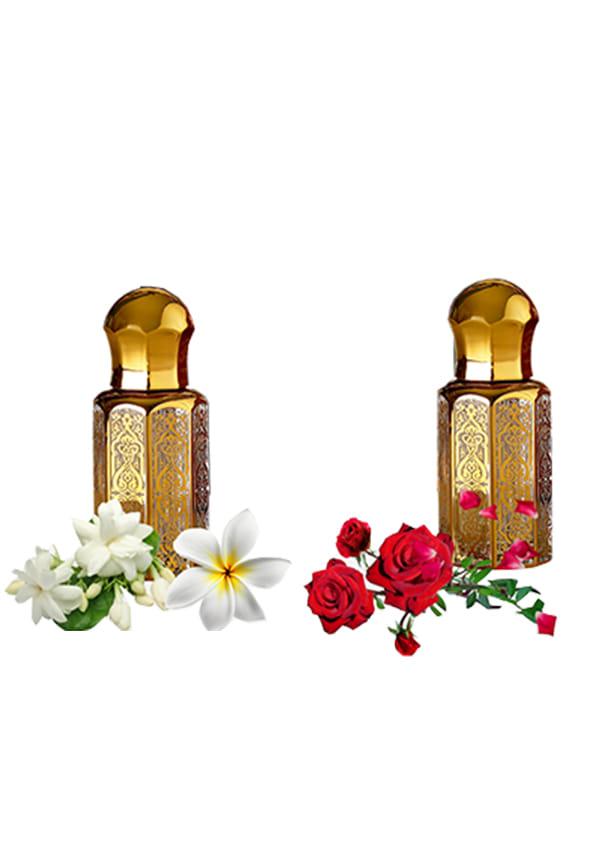
Arabic Jasmine + Rosa Luxure Attar Perfume
Ever wondered why the same jasmine mogra that graces Indian temple offerings also finds its way into the most luxurious French perfumes? The journey of this queen of flowers from Madurai's fields to Parisian perfume houses tells a fascinating tale of two completely different fragrance philosophies. While Indian attar makers have been distilling mogra for centuries using ancient techniques, French perfumers have revolutionised how this precious bloom is captured and presented to the world. Understanding how jasmine mogra is used differently in Indian attar versus French perfumery reveals not just technical differences, but entire cultural approaches to scent. Whether you're exploring fragrances available on Smytten or simply curious about this aromatic art, let's dive into the captivating world where tradition meets innovation.
TL;DR
Indian attar uses pure mogra oil distilled in sandalwood base through traditional deg-bhapka method, creating intense, long-lasting fragrances
French perfumery employs modern extraction techniques like solvent extraction and CO2 methods to capture mogra's essence for alcohol-based perfumes
Attar focuses on spiritual and therapeutic properties, while French perfumes emphasise artistic blending and commercial appeal
Mogra concentration and fragrance development differ significantly between oil-based attars and alcohol-based French perfumes
Both traditions value Madurai jasmine as the finest quality, but use it in completely different fragrance architectures
Mogra isn't just another jasmine variety—it's the crown jewel of the jasmine family. This jasmine mogra fragrance comes from Jasminum sambac, a specific species that's quite different from your regular garden jasmine. The intensity, sweetness, and complexity of mogra's scent profile make it absolutely irresistible to perfumers worldwide.
Let's get real about what makes mogra special. While common jasmine (Jasminum officinale) has a light, fresh scent, mogra packs a serious aromatic punch. The flowers are thicker, more waxy, and release their fragrance in waves throughout the day. Madurai mogra, grown in Tamil Nadu's specific climate and soil conditions, is considered the world's finest quality. The harvesting happens at dawn when the flowers are just beginning to open, capturing maximum fragrance potency.
In Indian culture, mogra goes way beyond just smelling good. These flowers crown brides, adorn deities, and create sacred garlands for religious ceremonies. The mogra essential oil extracted from these blooms carries spiritual significance, believed to calm the mind and connect the wearer to divine energy.
Traditional Indian attar ingredients tell a story of patience and artistry. The ancient deg-bhapka distillation method hasn't changed much over centuries, and there's good reason for that—it works brilliantly. This process creates some of the most concentrated and long-lasting fragrances you'll ever experience.
Picture this: fresh mogra flowers are placed in a copper vessel called 'deg' with water, then connected to a receiver containing sandalwood oil through a bamboo pipe. The slow steam distillation process can take 12-15 hours, and the entire aging process stretches over months or even years. No alcohol, no shortcuts—just pure botanical extraction that captures the soul of the flower.
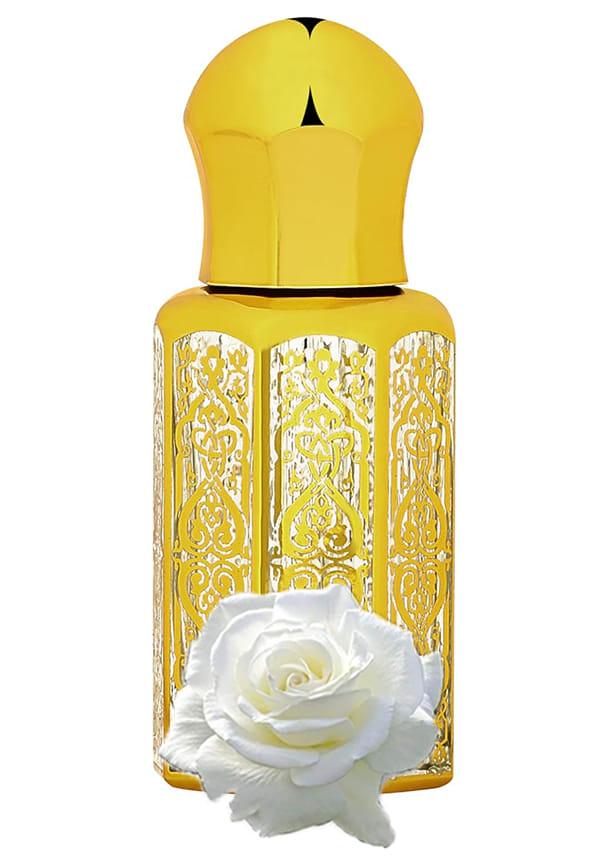
Attar Alcohol Free Roll On for Daily use | Long Lasting Fragrance (Arabic Jasmine)
In traditional attar making, mogra often plays the starring role rather than a supporting character. Master attar makers blend it with rose, sandalwood, or oud to create complex fragrance profiles. The concentration levels are incredibly high—sometimes up to 30-40% of the final blend. This explains why a tiny drop of quality mogra attar can last all day on your skin.
French perfumers approach mogra with scientific precision and artistic flair. Their French perfumery notes showcase mogra in entirely different ways, using cutting-edge extraction methods to capture nuances that traditional distillation might miss. The focus shifts from spiritual significance to olfactory artistry.
Modern French perfumery employs solvent extraction, where flowers are treated with hexane or ethanol to extract the aromatic compounds. Some luxury houses still use enfleurage—a traditional French technique where flowers are placed on animal fat to absorb their essence. CO2 extraction, the newest method, captures the most complete fragrance profile without using heat, preserving delicate top notes that might otherwise be lost.
Here's where fragrance blending techniques get really interesting. French perfumers position mogra strategically within the fragrance pyramid. It might appear as a heart note in a floral bouquet, supported by synthetic molecules that extend its longevity. Famous houses like Dior and Guerlain source their jasmine directly from Madurai but blend it with modern aromachemicals to create fragrances that appeal to contemporary tastes.
The attar vs perfume debate really comes down to philosophy and technique. These two approaches to capturing mogra's essence couldn't be more different, yet both create stunning results. Understanding these differences helps you appreciate why the same flower can smell so different in various formulations.
Oil-based attars contain mogra in its most concentrated form, often 15-20 times stronger than alcohol-based perfumes. When you apply attar, your body heat activates the oils, creating a warm, enveloping fragrance that develops throughout the day. French perfumes, diluted with alcohol, offer immediate projection but may fade faster. The jasmine oil uses in attar focus on longevity and skin compatibility, while French perfumes prioritise immediate impact and versatility.
Indian attar makers view fragrance as therapy for the soul. Their approach emphasises the therapeutic and spiritual benefits of natural perfume ingredients. French perfumers, meanwhile, treat fragrance as wearable art, focusing on emotional storytelling and market appeal. Both are valid approaches, just serving different purposes and audiences.
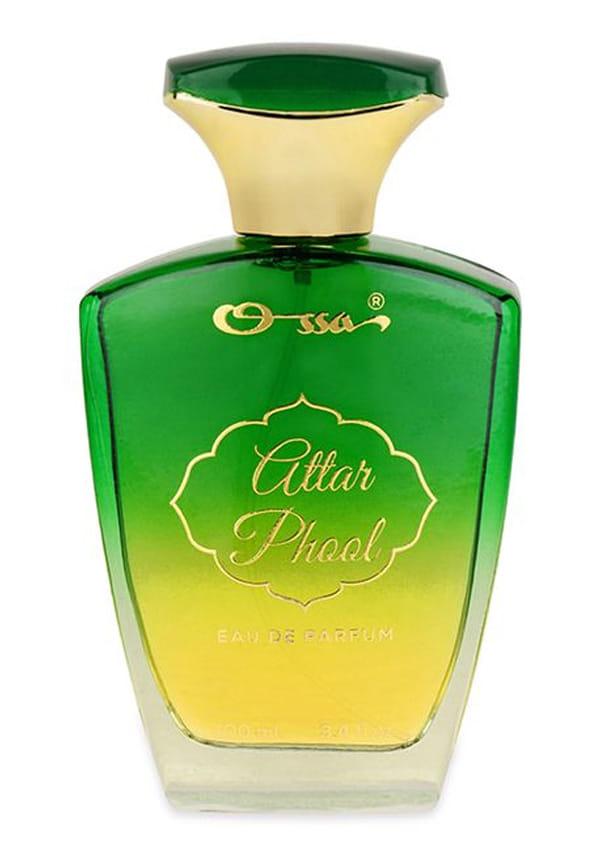
Attar Phool Eau De Parfum
The same mogra flowers create completely different floral fragrance profiles depending on the extraction and blending methods used. It's fascinating how technique can transform the same raw material into such distinct olfactory experiences.
Pure mogra attar hits you with intense, undiluted jasmine that's almost narcotic in its richness. The sandalwood base adds earthy, grounding notes that balance the flower's sweetness. You'll often detect medicinal undertones—not unpleasant, but definitely therapeutic. Regional variations exist too; Kannauj mogra attar tends to be earthier, while South Indian versions are more floral and sweet.
French interpretations of mogra tend to be more refined and balanced. The perfume making process involves careful orchestration with other notes—perhaps bergamot for freshness, or white musk for modernity. These fragrances feel more approachable for daily wear, designed to complement rather than overwhelm.
India produces about 80% of the world's jasmine oil, with Madurai alone contributing a significant portion. This tiny flower has massive economic impact, supporting thousands of farming families and feeding the global fragrance industry's appetite for authentic jasmine.
The journey from flower to fragrance involves complex supply chains. Quality control is crucial—authentic mogra oil commands premium prices, sometimes reaching ₹50,000 per kilogram. Certification processes ensure purity, but sustainability challenges threaten traditional farming methods as urbanisation encroaches on jasmine-growing regions.
Seasonal availability affects pricing dramatically. Peak flowering season (March to October) determines annual supply, while growing demand from luxury perfume houses keeps prices climbing. Traditional attar makers compete with modern extraction facilities, each serving different market segments but all dependent on the same precious raw material.
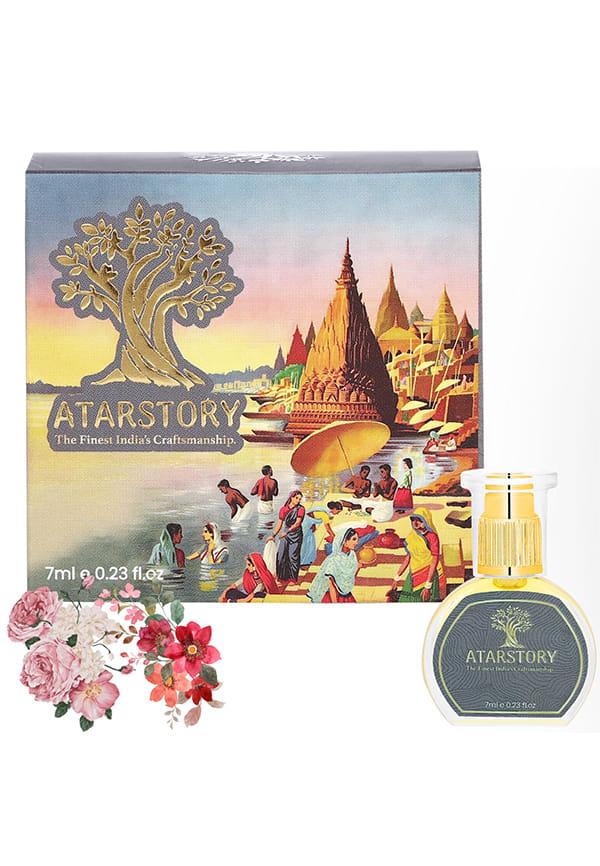
Floral (GG Flora) Luxury Ittar Attar Perfume Roll On
Accurate Chocolate Scent
 5
5“Chocolate musk is the fragrance and it feels like chocolate ”
Excellent Product Experience
5“The product was really good. feel like trying it again and again.”
Mogra (Jasminum sambac) is a specific jasmine variety with thicker, more fragrant flowers than common jasmine (Jasminum officinale). Mogra has a richer, more complex scent profile with greater longevity and intensity. It's considered the premium jasmine variety for perfumery.
India is the world's largest producer of jasmine oil, contributing about 80% of global supply. While Egypt also produces jasmine, Indian mogra from regions like Madurai is considered superior quality and is preferred by luxury perfume houses worldwide.
Authentic mogra attar has a complex, evolving scent that develops on your skin over hours. It should have natural variations in intensity and subtle earthy undertones from the sandalwood base. Synthetic versions often smell flat, overly sweet, or fade quickly. You can trial authentic mogra fragrances on Smytten to experience the difference firsthand.
Indian mogra, particularly from Madurai, has the highest concentration of aromatic compounds and the most complex fragrance profile. The specific climate, soil conditions, and traditional cultivation methods in India produce jasmine with superior olfactory qualities that French perfumers value for luxury fragrances.
Quality mogra attar can last 8-12 hours or even longer because it's oil-based and highly concentrated. French perfumes with mogra typically last 4-8 hours depending on concentration (EDT, EDP, or parfum). Attar develops and changes throughout the day, while perfumes tend to have more linear development.
Madurai's unique microclimate, with specific temperature and humidity patterns, along with traditional farming techniques passed down through generations, creates jasmine with exceptional fragrance intensity and complexity. The soil composition and harvesting methods also contribute to the superior quality that's recognised globally.
The world of jasmine mogra in perfumery reveals two beautiful but distinct approaches to capturing nature's essence. Indian attar represents centuries of spiritual and therapeutic tradition, creating intensely concentrated, long-lasting fragrances that connect the wearer to cultural heritage. French perfumery brings scientific innovation and artistic vision, transforming the same precious flowers into modern, wearable art that appeals to contemporary sensibilities. Both traditions deserve appreciation for their unique contributions to the fragrance world. Whether you prefer the meditative depth of traditional attar or the sophisticated elegance of French perfumery, mogra's versatility ensures there's a perfect expression for every preference.
Exploring the fascinating differences between Indian attar and French perfumery opens up a world of fragrance possibilities worth discovering. If you're curious about experiencing authentic mogra fragrances from both traditions, Smytten offers an incredible opportunity to trial before you buy. As India's largest product discovery platform, Smytten connects you with over 1,500 trusted fragrance brands, letting you explore everything from traditional attars to modern French-inspired perfumes through curated trial packs. With 100% cashback on trials and authentic brand-verified minis available across 27,000+ pincodes, you can discover your perfect mogra fragrance without the commitment. Whether you're drawn to the spiritual depth of traditional attar or the artistic sophistication of contemporary perfumery, why settle for wondering when you can try it all and find your signature scent?
