Investing in Luxury Perfumes: Your Collector's FAQ

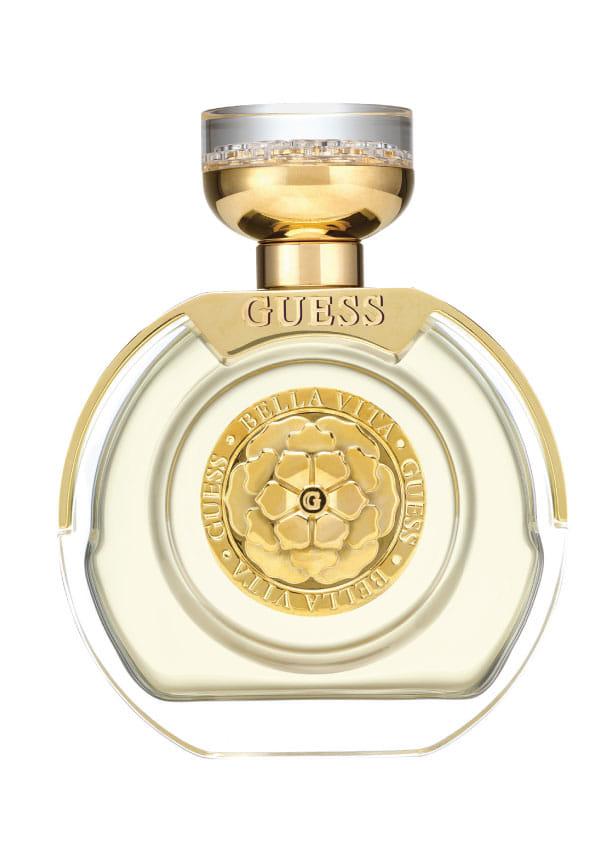
Bella Vita Eau de Parfum
The world of luxury perfumes isn't just about smelling divine anymore—it's become a legitimate investment opportunity that's catching the attention of collectors worldwide. From rare vintage bottles appreciating faster than some stocks to limited edition releases selling out within hours, investing in luxury perfumes has evolved into a sophisticated market worth exploring. Whether you're drawn to the artistry of niche fragrances or the heritage of iconic houses, understanding this market can help you build a collection that's both personally meaningful and financially rewarding. Platforms like Smytten make it easier than ever to discover and trial premium fragrances before committing to full-size investments, letting you explore what's worth adding to your collection without the usual financial risk.
TL;DR
Luxury perfume investing combines passion with profit potential, with rare and discontinued fragrances often appreciating significantly over time
Successful collectors focus on limited editions, vintage classics, and niche brands with strong heritage and provenance
Proper storage, authentication, and market research are crucial for protecting and growing your fragrance investment portfolio
The market favours collectors who understand brand heritage, rarity factors, and emerging trends in the global fragrance industry
Starting with trial sizes and building knowledge before major purchases helps minimise risk and maximise returns
The rare perfume market has quietly transformed into a thriving alternative investment sector, with certain bottles appreciating by 300-500% over the past decade. Unlike traditional collectibles, fragrances offer the unique advantage of being both functional and collectible—you can actually enjoy your investment while it appreciates. The global luxury fragrance market, valued at over $15 billion, continues growing at 5-7% annually, driven by emerging markets and increasing appreciation for artisanal craftsmanship.
What makes this perfume investment guide particularly relevant today is the shift towards niche and artisanal brands. While mainstream designer houses maintain steady value, it's the limited releases and discontinued gems that deliver the most impressive returns. Collectors are increasingly drawn to brands like Creed, Tom Ford Private Blend, and Maison Francis Kurkdjian, where scarcity drives demand and prices skyward.
Not every luxury bottle deserves a spot in your investment portfolio. The most valuable collectible fragrance bottles share specific characteristics that savvy collectors recognise immediately. Limited production runs, especially those numbered or signed by perfumers, consistently outperform mass-market releases in terms of appreciation.
Brand heritage plays a massive role in determining investment potential. Houses with decades or centuries of craftsmanship—think Guerlain, Chanel, or Creed—maintain value even during market fluctuations. Their discontinued fragrances often become the most sought-after pieces, especially if they contained now-restricted ingredients or represented significant moments in perfumery history.
The rarest bottles often come from regional exclusives, perfumer collaborations, or reformulation casualties. When IFRA regulations force ingredient changes, original formulations can triple in value overnight. Collectors particularly prize pre-2000s bottles of classics like Opium, Poison, or Shalimar for their unrestricted oakmoss and animalic notes.
Luxury perfume collecting isn't just about the juice inside—bottle design significantly impacts investment potential. Collaborations with renowned artists, crystal houses like Baccarat, or limited edition packaging can make ordinary fragrances extraordinary investments. Lalique bottles, in particular, have developed their own collector market independent of the fragrance itself.
Smart investing in niche fragrances requires the same strategic thinking as any serious investment portfolio. Diversification across different categories, price points, and risk levels helps protect against market volatility while maximising growth potential. Most successful collectors allocate 60% to established classics, 30% to emerging niche brands, and 10% to high-risk, high-reward vintage pieces.
Building a perfume collection strategically means understanding your local market dynamics too. Indian collectors, for instance, might find better value in Middle Eastern exclusives or European limited editions that haven't saturated the domestic market yet. The key is identifying gaps in your regional market before they become obvious to everyone else.
Vintage Classics: Pre-1990s formulations of iconic fragrances, particularly those affected by modern reformulations. Think original Mitsouko, vintage Shalimar, or early Tom Ford releases.
Limited Artist Collaborations: Pieces where renowned perfumers or artists created exclusive releases. These often appreciate fastest due to their artistic credibility and limited availability.
Regional Exclusives: Fragrances released only in specific markets, especially Middle Eastern or Asian exclusives that haven't reached global distribution.
Discontinued Mainstream Favourites: Popular fragrances that brands have discontinued, creating instant scarcity and collector demand.
Understanding vintage perfume value requires expertise that goes far beyond simply checking online prices. Professional appraisers consider factors like fill level, original packaging condition, batch codes, and provenance documentation. A 1980s Chanel No. 5 parfum in perfect condition with original box can be worth 10 times more than the same fragrance with damaged packaging or questionable authenticity.
Authentication has become increasingly crucial as the market grows. Counterfeiters target high-value vintage pieces, making professional verification essential for serious investments. Reputable auction houses like Bonhams or specialist fragrance authenticators provide certificates that significantly impact resale value.
Fill Level: Evaporation affects both scent quality and value. Bottles with 95%+ fill levels command premium prices, while those below 80% may lose significant value regardless of rarity.
Original Packaging: Complete presentation with boxes, papers, and any included accessories can double a fragrance's value. Collectors particularly prize cellophane-wrapped pieces or those with original price tags.
Batch Identification: Specific production runs, especially early batches of popular releases, often carry premiums. Knowledgeable collectors can identify valuable batches through codes and packaging variations.
Proper storage can make the difference between a fragrance that appreciates and one that deteriorates into worthlessness. Investment-grade pieces require climate-controlled environments with stable temperatures between 15-20°C and humidity levels around 45-55%. Light exposure, particularly UV rays, can break down fragrance molecules and fade packaging, destroying both scent quality and collectible value.
Many serious collectors invest in wine refrigerators or dedicated fragrance storage units that maintain optimal conditions. The initial cost pays for itself by preserving the integrity of valuable pieces. Insurance considerations become important once collections exceed ₹50,000-₹100,000 in value, requiring specialised collectibles coverage rather than standard homeowner policies.
Climate-controlled storage isn't just about temperature—air circulation prevents stagnation while avoiding drafts that could cause temperature fluctuations. Professional collectors often use museum-quality storage boxes that protect against light while allowing air circulation.
Documentation becomes crucial for valuable pieces. Photographing bottles from multiple angles, recording fill levels, and maintaining purchase records helps with insurance claims and eventual resale. Digital inventory systems help track collection value and identify pieces ready for strategic selling.
The luxury perfume collecting market is experiencing unprecedented growth, driven by younger collectors who view fragrances as both passion investments and social media content. Instagram and TikTok have created new appreciation for rare bottles, with certain pieces becoming viral sensations that drive prices up rapidly. This social media effect particularly benefits visually striking bottles and brands with strong storytelling.
Sustainability trends are reshaping what collectors value. Brands emphasising natural ingredients, refillable bottles, or carbon-neutral production are gaining investment appeal as conscious consumption becomes mainstream. This shift suggests that eco-friendly luxury fragrances might outperform traditional releases in coming years.
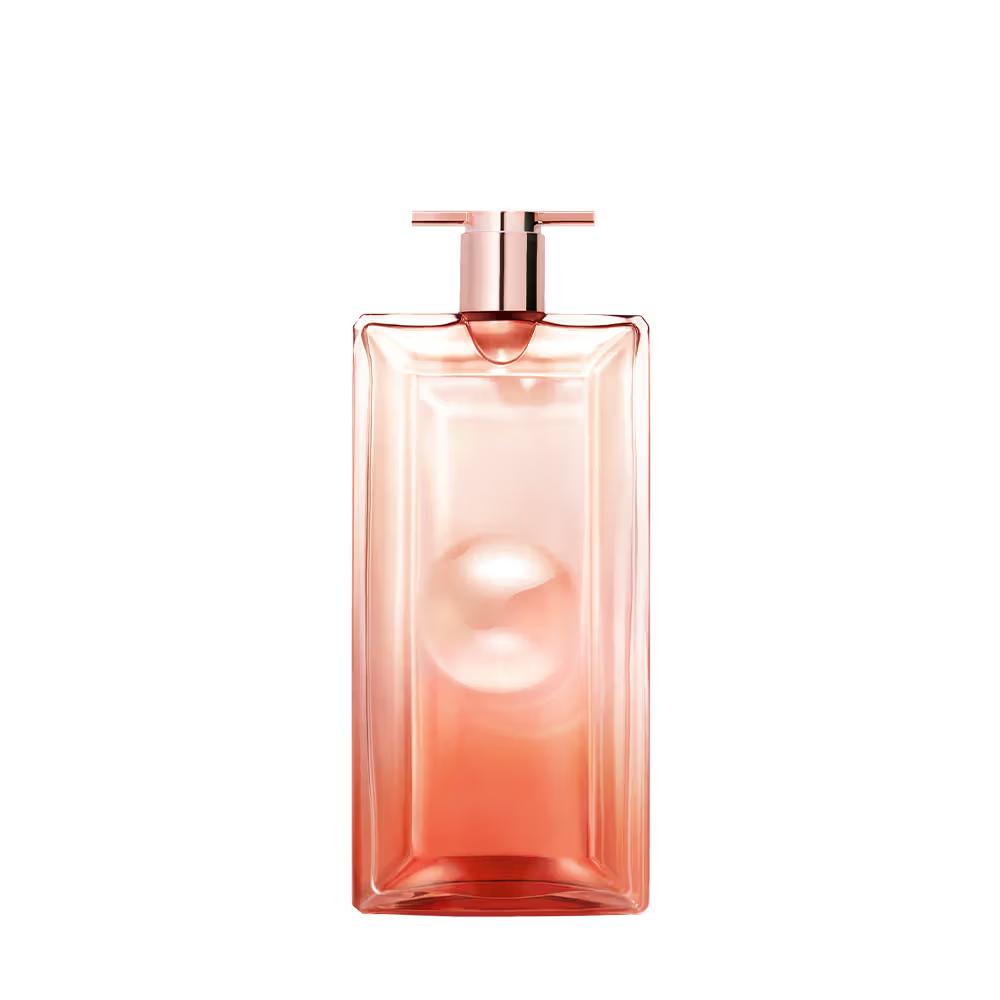
The Lancôme Idôle Now Eau De Parfum represents this new generation of collectible fragrances, where innovative ingredients like Upcycled Rose Water and NaturePrint Orchid showcase both luxury craftsmanship and environmental consciousness. Its Augmented Vanilla base provides the longevity that serious collectors demand, while the high-intensity floral-amber composition appeals to modern fragrance enthusiasts who want both beauty and substance in their investment pieces.
Brand | Investment Grade | Typical ROI | Risk Level | Best Categories |
|---|---|---|---|---|
Creed | High | 15-25% annually | Low-Medium | Vintage batches, Limited editions |
Tom Ford Private Blend | High | 20-30% annually | Medium | Discontinued releases, Oud collection |
Maison Francis Kurkdjian | Medium-High | 10-20% annually | Medium | Baccarat Rouge variations, Limited editions |
Chanel | High | 12-18% annually | Low | Vintage parfums, Les Exclusifs |
Amouage | Medium | 8-15% annually | Medium-High | Early releases, Royal collection |
You can begin with ₹15,000-₹25,000 for entry-level investment pieces, though serious collectors typically allocate ₹50,000-₹100,000 initially. Focus on one or two high-quality pieces rather than multiple lower-value bottles. Platforms like Smytten let you trial expensive fragrances affordably before committing to full-size investment purchases.
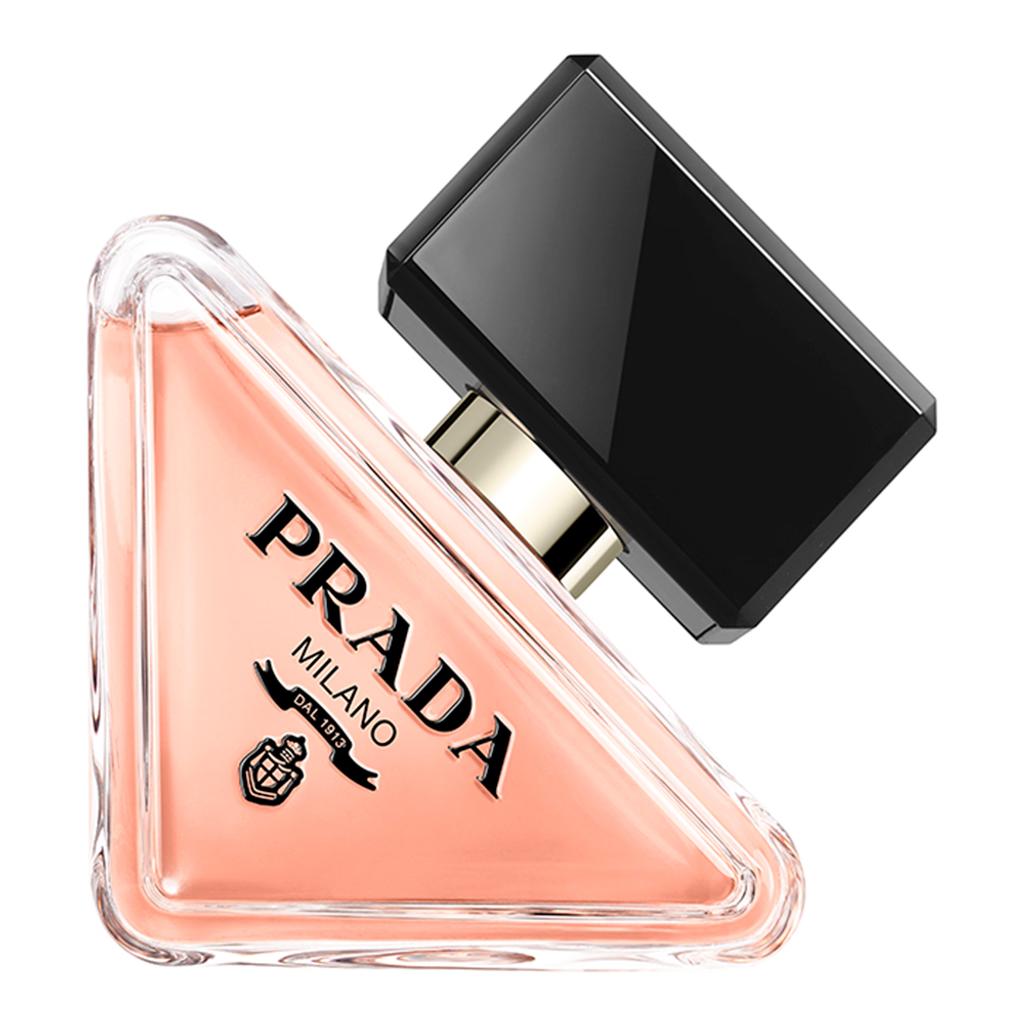
Established houses like Creed, Tom Ford, Chanel, and Guerlain offer the most stable returns. Emerging niche brands like Maison Francis Kurkdjian and Amouage show strong growth potential. Focus on brands with strong heritage, limited production, and cult followings among fragrance enthusiasts.
Professional authentication services examine bottle design, packaging materials, batch codes, and scent composition. Learn to identify period-correct packaging, font styles, and bottle shapes. When in doubt, purchase from reputable auction houses or dealers who guarantee authenticity.
Well-chosen pieces can appreciate 10-25% annually, with exceptional pieces seeing 50-100% gains. However, this requires expertise, proper storage, and patience. Treat perfume collecting as a long-term investment with 5-10 year holding periods for optimal returns.
Liquidity varies significantly by piece and market conditions. Popular classics sell quickly through online platforms, while rare pieces might require specialist auctions or collector networks. Plan for 3-6 months to sell most pieces, longer for very rare items.
Both categories offer opportunities. Designer houses provide stability and broad market appeal, while niche brands can deliver higher returns but with greater risk. A balanced portfolio includes both, with niche pieces offering the highest growth potential for knowledgeable collectors.
Investing in luxury perfumes successfully requires combining passion with strategic thinking. The market rewards collectors who understand brand heritage, rarity factors, and proper preservation techniques. Start with established houses and proven classics before venturing into high-risk vintage or emerging niche territory.
Remember that fragrance collecting differs from other investments—you're buying something beautiful that you can actually enjoy while it appreciates. The best collectors are those who genuinely love fragrances and understand the artistry behind them. This passion translates into better buying decisions and longer-term success.
Market trends suggest continued growth, particularly in sustainable luxury and niche artisanal brands. The key is staying informed about industry developments, building relationships with reputable dealers, and maintaining your collection properly to preserve both scent quality and investment value.
Building a valuable perfume collection starts with understanding what makes fragrances special—and that's where trial and discovery become invaluable. Smytten, India's largest product discovery and trial platform, connects you with over 1,500 trusted fragrance brands through curated trial packs that let you explore premium scents before making investment-level purchases. With authentic brand-verified minis available for just ₹249 for up to 8 trials, plus 100% cashback redeemable for future orders, you can affordably discover which luxury fragrances deserve a place in your collection. From established houses like Bella Vita to emerging niche brands, Smytten's PAN-India delivery ensures you can trial before you buy, making smarter investment decisions with confidence. After all, why settle for guessing when you can #TryItAll and build a collection based on genuine appreciation and knowledge?
