Indian Fragrance Ingredients FAQ: Iconic Notes Answered


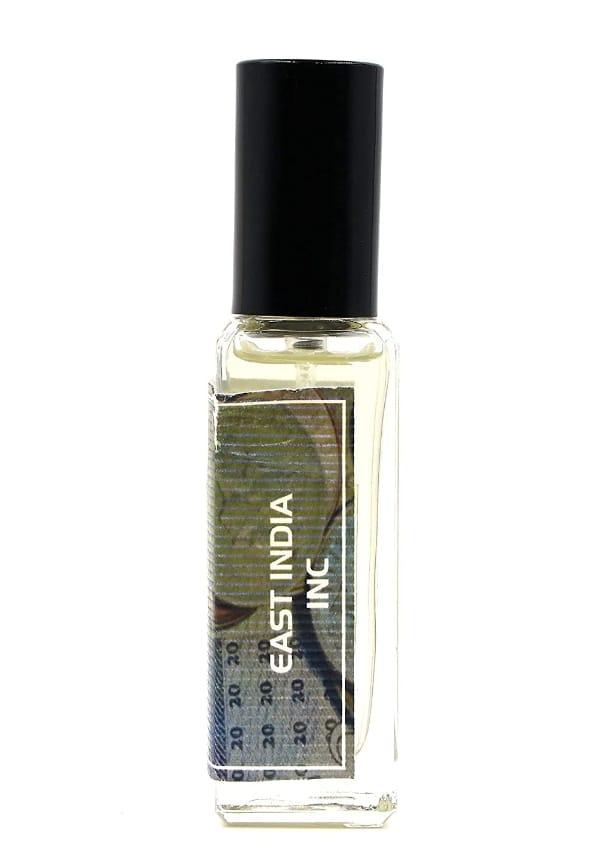
East India Inc By Projekt Alternative Extrait De Parfum
India has been the world's fragrance capital for centuries, gifting the global perfume industry some of its most treasured and iconic ingredients. From the sacred sandalwood groves of Mysore to the jasmine fields of Tamil Nadu, Indian fragrance ingredients have shaped perfumery traditions across cultures. These natural treasures aren't just about scent—they carry stories, traditions, and an artistry that modern perfumers still chase. Whether you're curious about what makes Indian attars so special or wondering why sandalwood commands such premium prices, understanding these ingredients opens up a whole new world of fragrance appreciation. Platforms like Smytten make it easier than ever to explore authentic Indian fragrances and discover your next signature scent through trial-sized options.
India produces some of the world's most prized fragrance ingredients including sandalwood, jasmine, oud, and aromatic spices
Traditional Indian attars use oil-based formulations that last longer than alcohol-based Western perfumes
Mysore sandalwood and Assam oud are considered the gold standard in their respective categories
Indian fragrance ingredients often carry cultural and spiritual significance beyond their olfactory properties
Sustainability and ethical sourcing are becoming crucial factors in the Indian fragrance ingredient trade
India's role as the world's fragrance hub dates back thousands of years, when ancient trade routes carried precious aromatic materials from Indian shores to distant lands. The country's diverse climate zones and rich biodiversity created the perfect conditions for cultivating some of the world's most sought-after fragrance ingredients. From the Himalayan foothills to the Western Ghats, each region developed its own signature aromatic treasures.
What sets Indian fragrance ingredients apart is their deep connection to cultural and spiritual practices. Unlike purely commercial fragrance production, Indian ingredients were traditionally harvested and processed with reverence, often tied to religious ceremonies and healing practices. This spiritual dimension adds layers of meaning that modern perfumers find irresistible.
Indian attars represent a completely different approach to fragrance creation. These oil-based concentrates skip alcohol entirely, relying on natural carrier oils to deliver pure, undiluted scent experiences. The result is fragrances that develop and evolve on the skin in ways that alcohol-based perfumes simply can't match.
Today's luxury perfume houses regularly source ingredients from India, recognising that authentic Indian materials bring depth and complexity that synthetic alternatives struggle to replicate. The growing appreciation for natural and sustainable beauty products has only increased demand for genuine Indian fragrance ingredients.
When perfumers talk about the ultimate base note, Mysore sandalwood often tops the list. This creamy, woody treasure from Karnataka has been prized for over 4,000 years, and for good reason. True Mysore sandalwood offers a complexity that's both grounding and uplifting—think warm, milky woods with hints of rose and spice.
The magic happens in the heartwood of mature sandalwood trees, which can take 15-20 years to develop their full aromatic potential. This patience requirement is part of what makes authentic sandalwood so precious and expensive in today's market.
While Australian sandalwood has become more common due to sustainability concerns, Mysore sandalwood remains the gold standard. The Indian variety offers a richer, more complex profile with better longevity and projection.
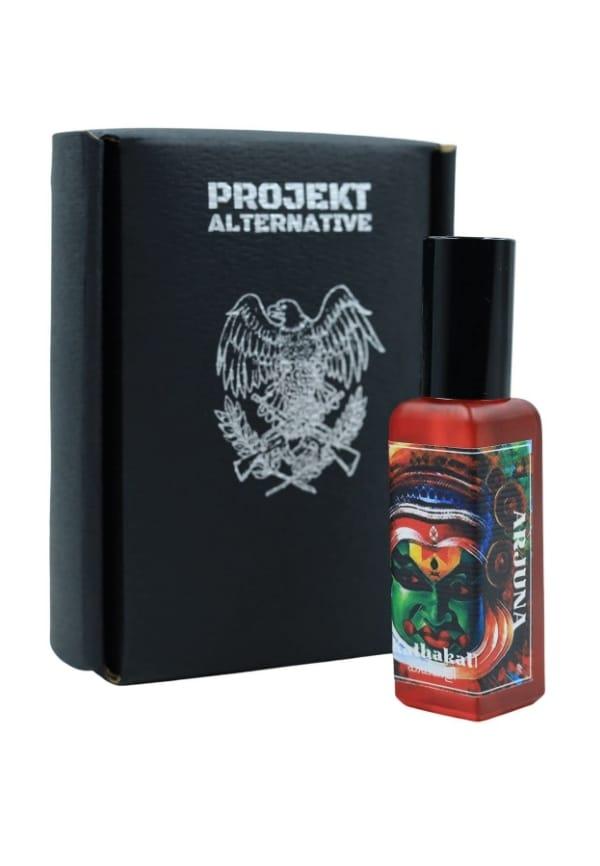
Arjuna By Projekt Alternative
Over-harvesting has made genuine Mysore sandalwood increasingly rare and regulated. Ethical sourcing now involves supporting reforestation programs and working with certified suppliers who prioritise sustainable practices.
If sandalwood is India's woody crown jewel, jasmine sambac (known locally as mogra) claims the floral throne. This night-blooming beauty produces one of the most intoxicating and expensive natural fragrance ingredients in the world. The flowers must be picked at dawn when their scent is most potent, making jasmine extraction a labour of love.
What makes Indian jasmine special is its incredible richness and complexity. Unlike synthetic jasmine, the natural ingredient offers layers of green, fruity, and indolic notes that create an almost narcotic effect. It's no wonder that jasmine features prominently in both traditional Indian attars and modern luxury perfumes.
Traditional enfleurage and modern steam distillation both have their place in jasmine processing. Each method captures different facets of the flower's personality, from the fresh green aspects to the deeper, more sensual undertones.
Beyond perfumery, jasmine holds deep cultural meaning in India, symbolising purity, love, and divine beauty. This emotional connection adds another dimension to fragrances featuring authentic Indian jasmine.
Assam oud represents one of India's most valuable contributions to global perfumery. This dark, resinous treasure forms when agarwood trees become infected with a specific type of mould, creating a complex aromatic compound that's both animalic and ethereal. The rarity of natural oud formation makes it one of the most expensive fragrance ingredients in the world.
Indian oud, particularly from Assam, offers a different profile compared to Middle Eastern varieties. Assam oud tends to be more medicinal and barnyard-like initially, but develops into incredibly complex woody, sweet, and balsamic notes over time.
Indian oud makers have perfected distillation methods passed down through generations. These traditional techniques often involve long, slow distillation processes that can take weeks to complete, resulting in oils with unmatched depth and complexity.
Contemporary perfumers use Indian oud both as a starring ingredient and as a supporting player that adds richness to floral and woody compositions. Its versatility makes it valuable in both Eastern and Western fragrance traditions.
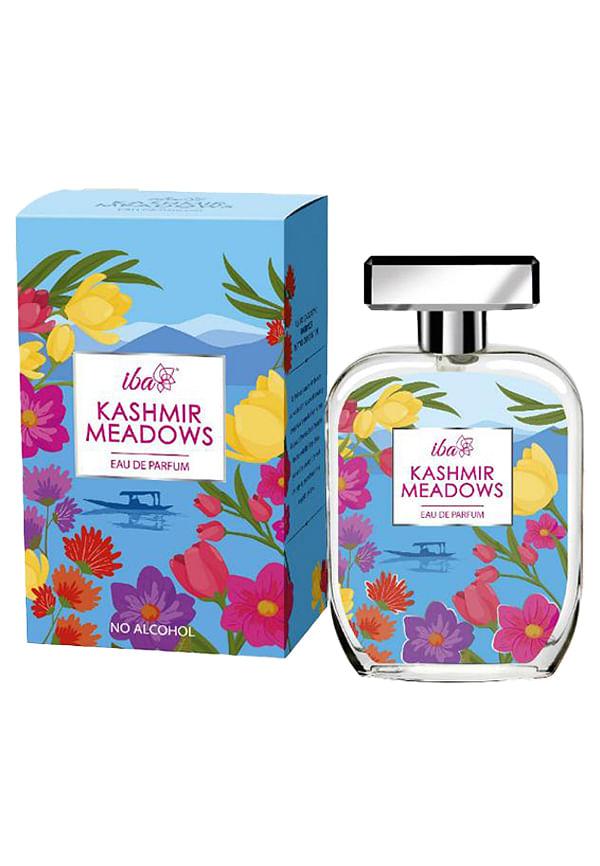
Eau De Parfum – Kashmir Meadows, Long Lasting Floral & Oriental Fragrance for Women
India's spice markets offer a treasure trove of fragrance ingredients that add warmth, complexity, and exotic appeal to perfume compositions. These aromatic spices bring the vibrant energy of Indian cuisine and culture into the world of fragrance.
Green cardamom offers fresh, eucalyptus-like qualities with hints of citrus and mint. Black cardamom brings smokier, more intense characteristics that work beautifully in masculine and unisex fragrances.
Hand-harvested from crocus flowers, saffron brings warm, honeyed, and slightly metallic notes to fragrances. Its labour-intensive production makes it one of the world's most expensive spices by weight.
Cinnamon bark and leaf oils offer different facets of the same spice—bark oil is sweeter and warmer, while leaf oil brings more eugenol-rich, clove-like qualities. Black pepper adds fresh, peppery brightness that lifts heavier base notes.
Understanding the difference between traditional Indian attars and modern alcohol-based perfumes helps explain why Indian fragrance ingredients behave so uniquely. Attars use oil as their base, which allows the fragrance molecules to develop more slowly and intimately on the skin.
This oil-based approach means attars often last longer and evolve more dramatically than their alcohol-based counterparts. The scent journey becomes more personal and nuanced, changing throughout the day as body heat activates different aromatic compounds.
Ruh Khus (vetiver essence) offers earthy, cooling properties perfect for hot climates. Ruh Gulab (rose essence) captures the romantic essence of Indian roses. Shamama represents complex blends that showcase the art of Indian perfumery.
Contemporary perfumers often study traditional attar-making techniques to understand how Indian ingredients work best together. This knowledge helps them create more authentic and complex fragrance compositions.
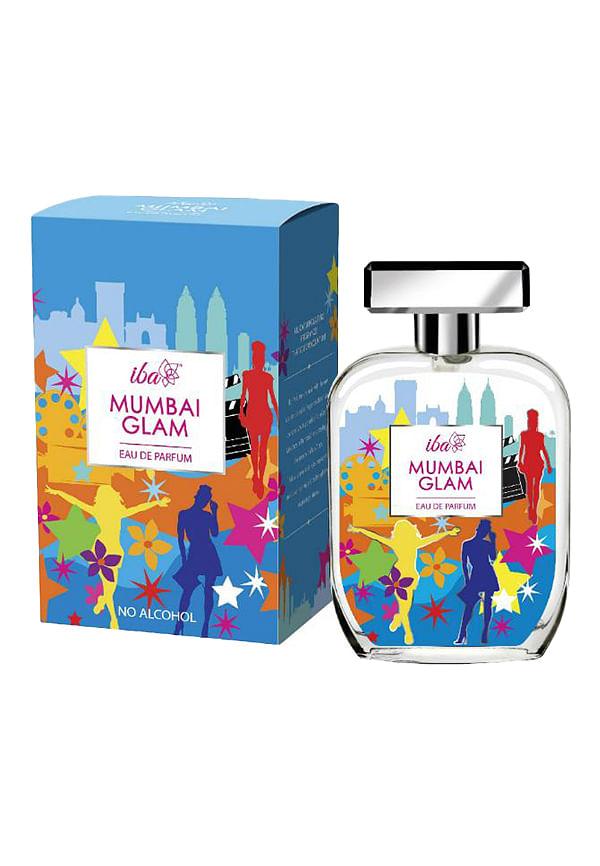
Eau De Parfum – Mumbai Glam, Long Lasting Floral & Fruity Fragrance For Women
The most iconic Indian fragrance ingredients include Mysore sandalwood, jasmine sambac, Assam oud, saffron, cardamom, vetiver, and rose. These ingredients form the backbone of both traditional Indian attars and modern international perfumes due to their exceptional quality and unique olfactory profiles.
Indian attars use oil as their base instead of alcohol, which allows for slower, more intimate scent development on the skin. This oil-based formulation typically provides better longevity and creates a more personal fragrance experience that evolves throughout the day.
Mysore sandalwood commands premium prices due to its exceptional quality, the 15-20 year maturation period required for optimal scent development, and strict government regulations protecting the remaining trees. Sustainable harvesting practices and limited supply further increase its value.
Indian jasmine sambac offers unmatched richness and complexity compared to synthetic alternatives. The night-blooming flowers must be hand-picked at dawn when their scent is most potent, and the natural extraction captures layers of green, fruity, and indolic notes that create an intoxicating effect.
Authentic Indian fragrance ingredients typically have complex, evolving scent profiles that synthetic versions can't replicate. Look for reputable suppliers with proper certifications, and be prepared to pay premium prices for genuine materials. Trial options available on Smytten can help you experience authentic Indian fragrances before committing to full-size purchases.
Sandalwood, oud, and vetiver excel as base notes due to their excellent fixative properties and ability to anchor lighter top and middle notes. These ingredients provide depth, longevity, and the warm, woody foundation that makes Indian fragrances so distinctive and long-lasting.
Indian fragrance ingredients represent thousands of years of perfumery expertise, offering complexity and authenticity that synthetic alternatives struggle to match. From the sacred groves of sandalwood to the night-blooming jasmine fields, these natural treasures carry cultural significance that adds emotional depth to any fragrance composition. The traditional oil-based attar approach provides insights into how these ingredients work best together, creating longer-lasting and more intimate scent experiences.
Understanding these iconic ingredients helps you appreciate why Indian fragrances command such respect in the global perfume industry. Whether you're drawn to the meditative qualities of sandalwood, the intoxicating richness of jasmine, or the complex evolution of oud, each ingredient tells a story of place, tradition, and artistry.
Exploring Indian fragrance ingredients opens up a world of olfactory discovery that goes far beyond simple scent appreciation. These natural treasures represent a living heritage of perfumery knowledge that continues to influence modern fragrance creation. As interest in authentic, natural ingredients grows, Indian fragrance materials become even more valuable for their sustainability, cultural significance, and unmatched aromatic complexity.
Smytten makes discovering authentic Indian fragrances accessible through curated trial packs from over 1,500 trusted brands. With India's largest minis collection available for trial, you can explore traditional attars and modern Indian-inspired fragrances without the commitment of full-size purchases. The platform's 100% cashback on trials means you can experience these precious ingredients risk-free, helping you make confident choices about which fragrances deserve a place in your collection. Available on Smytten with PAN-India delivery, authentic brand-verified minis let you try before you buy, ensuring you find fragrances that truly resonate with your personal style.
