Indian Attar FAQ: History and Natural Perfume Making


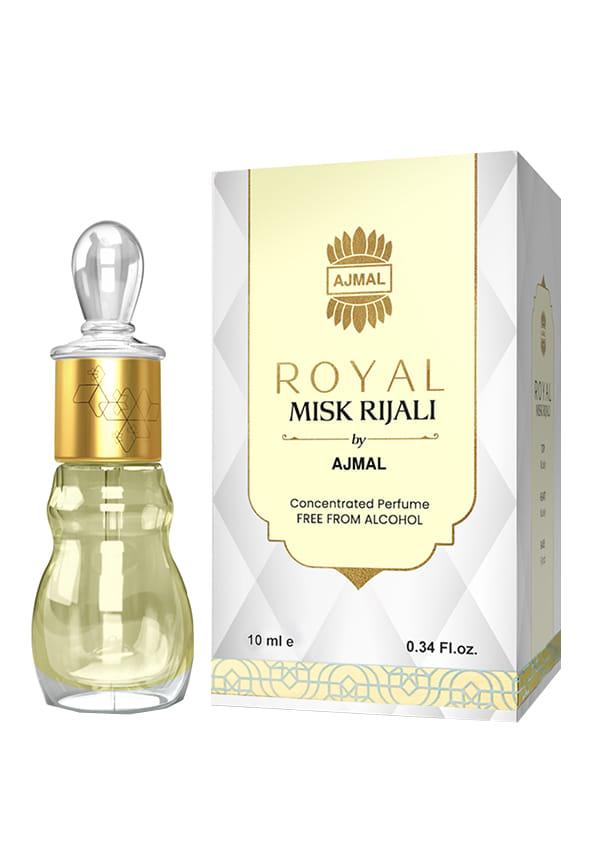
Royal Misk Rijali Attar Concentrated Perfume
Ever wondered about those tiny bottles of liquid gold that have been captivating hearts for thousands of years? Indian attar isn't just another fragrance—it's a piece of living history that's been passed down through generations. From ancient Vedic texts to modern perfume counters, this traditional art of natural perfume making has survived empires, colonisation, and the synthetic fragrance revolution. Whether you're curious about the steam distillation secrets of Kannauj or want to understand what makes rose attar so special, you're about to dive into a world where science meets spirituality. And if you're thinking of exploring authentic Indian fragrances, Smytten's curated collection lets you discover these treasures without the commitment of full-size bottles.
TL;DR
Indian attar dates back to 3000 BCE, originating in Vedic civilisation with deep spiritual and medicinal roots
Traditional fragrance distillation uses the ancient deg-bhapka system with copper vessels and sandalwood oil as base
Popular varieties include rose attar and jasmine attar, made through steam distillation of fresh botanicals
Unlike synthetic perfumes, attar contains 100% natural essential oils and zero alcohol or chemicals
Kannauj remains India's perfume capital, preserving centuries-old attar perfumery techniques
The story of Indian attar begins way before your favourite influencer started talking about clean beauty. We're talking 3000 BCE—when our ancestors were already mastering the art of capturing nature's essence in tiny bottles. This wasn't just about smelling good; it was about connecting with the divine, healing the body, and preserving cultural traditions that would outlast empires.
The earliest mentions of attar perfumery appear in ancient Vedic texts, where fragrances weren't luxury items but essential elements of daily life. Sages and healers used these concentrated essential oils for meditation, religious ceremonies, and Ayurvedic treatments. The word 'attar' itself comes from the Persian 'itir', meaning fragrance—but the practice was already deeply rooted in Indian soil.
Fast forward to the 16th century, and the Mughal courts turned traditional Indian perfume into an art form. Emperors like Akbar and Shah Jahan didn't just wear attar—they patronised master perfumers who developed sophisticated fragrance distillation techniques. Persian and Arabian influences merged with local knowledge, creating the complex layering methods we still use today.
If attar had a hometown, it would definitely be Kannauj in Uttar Pradesh. This small city has been the heart of natural perfume making for over 400 years. Families here have been passing down distillation secrets through generations, and the local climate is perfect for growing the flowers that become liquid poetry.
Real talk—making authentic Indian attar isn't something you can rush. It's a process that demands patience, skill, and respect for nature's timing. The traditional methods haven't changed much since the Mughal era, and there's a good reason for that: they work beautifully.
The heart of attar perfumery lies in the deg-bhapka system—a copper vessel setup that looks deceptively simple but requires years to master. Fresh flowers or herbs go into the deg (copper pot) with water, whilst the bhapka (receiving vessel) contains sandalwood oil as the base. Steam carries the essential oils through a bamboo pipe into the base oil, creating that signature attar concentration.

Handcrafted Long Lasting Timeless Attar Treasure
Some perfume ingredients need the gentler touch of hydro-distillation, where botanicals are completely submerged in water before heating. This method works particularly well for delicate flowers like jasmine, preserving those subtle top notes that make jasmine attar so enchanting.
Here's where patience becomes a virtue. Fresh attar needs time to develop its full personality—sometimes up to 10 years. During this aging process, the sandalwood oil base slowly integrates with the floral essences, creating complex chemical bonds that synthetic fragrances simply can't replicate. It's like fine wine, but for your pulse points.
The magic of traditional Indian perfume lies in its ingredients—each one carefully selected for its unique properties and cultural significance. Unlike synthetic fragrances that rely on laboratory-created molecules, attar celebrates the raw beauty of nature's own chemistry.
Rose attar remains the queen of Indian fragrances, typically made from Damask roses harvested at dawn when their oil content peaks. Jasmine attar captures the intoxicating scent of night-blooming flowers, whilst sandalwood oil from Mysore provides the perfect base—woody, warm, and incredibly long-lasting.
Beyond the famous florals, attar perfumery incorporates herbs like vetiver, spices such as cardamom, and even exotic ingredients like oud. Each region of India contributes its own botanical treasures—from Himalayan herbs to coastal flowers—creating a diverse palette of perfume ingredients that tells the story of our subcontinent's biodiversity.
Authentic Indian attar contains zero synthetic chemicals, alcohol, or artificial preservatives. This 100% natural composition makes it suitable for sensitive skin and aligns perfectly with the growing demand for clean beauty products. The absence of alcohol also means the fragrance develops differently on your skin, creating a more intimate and personal scent experience.
Whilst traditional Indian perfume making might seem like pure art, there's serious science behind every drop. Understanding the molecular structure of essential oils and how they interact during fragrance distillation helps explain why attar has such incredible longevity and complexity.
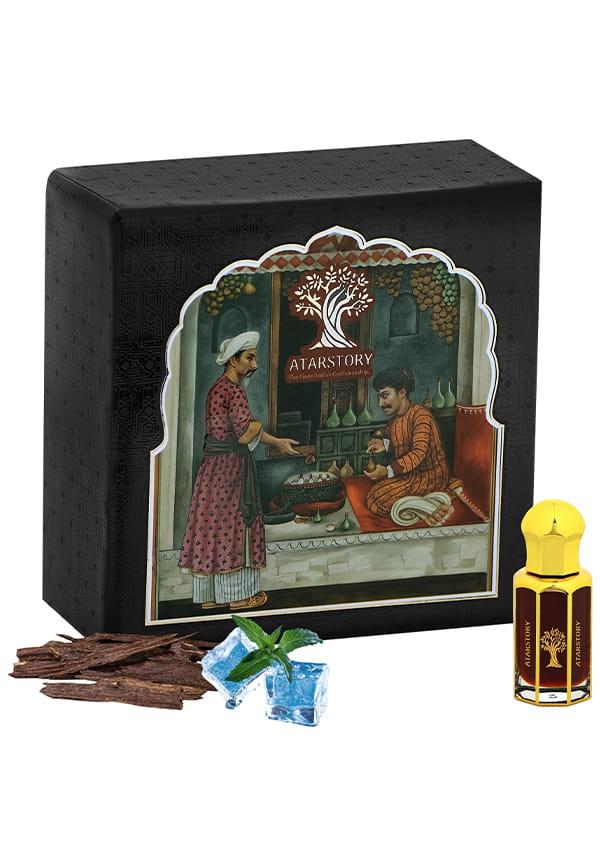
Mint Oudh Luxury Fragrence | Attar Perfume | 100% Alcohol Free | Long Lasting Herbal Attar
The temperature control during distillation is crucial—too hot and you'll destroy delicate aromatic compounds, too cool and you won't extract enough oil. Master distillers can judge the perfect temperature just by listening to the bubbling sounds in their copper vessels. It's this kind of intuitive knowledge that makes natural perfume making both an art and a science.
Unlike Western perfumes with their distinct top, middle, and base note structure, Indian attar creates a more fluid fragrance journey. The sandalwood oil base allows other essential oils to bloom gradually, creating waves of scent that can last for hours or even days on your skin.
Traditional quality assessment relies on the nose and experience of master perfumers who can detect subtle variations in batches. Modern attar perfumery also uses gas chromatography to verify purity levels, ensuring that what you're getting is genuinely natural and free from synthetic adulterants.
The beauty of traditional Indian perfume extends far beyond just smelling amazing. These fragrances carry deep cultural meaning and continue to play important roles in contemporary life, from spiritual practices to luxury beauty routines.
In Hindu traditions, specific attars are used during pujas and festivals—rose attar for devotion, jasmine attar for purity, and sandalwood for meditation. Islamic culture also embraces attar, particularly during Eid celebrations and Friday prayers. These aren't just cultural practices; they're sensory bridges connecting us to our heritage.
Ayurveda recognises the healing properties of various essential oils used in attar perfumery. Rose is believed to cool the mind and balance emotions, whilst sandalwood promotes clarity and calm. Modern aromatherapy has validated many of these traditional beliefs, showing how certain perfume ingredients can genuinely affect mood and wellbeing.
The global shift towards natural and sustainable beauty has put Indian attar back in the spotlight. Luxury perfume houses are collaborating with traditional distillers, and conscious consumers are choosing alcohol-free, natural alternatives. This renaissance is helping preserve ancient techniques whilst introducing them to new generations.
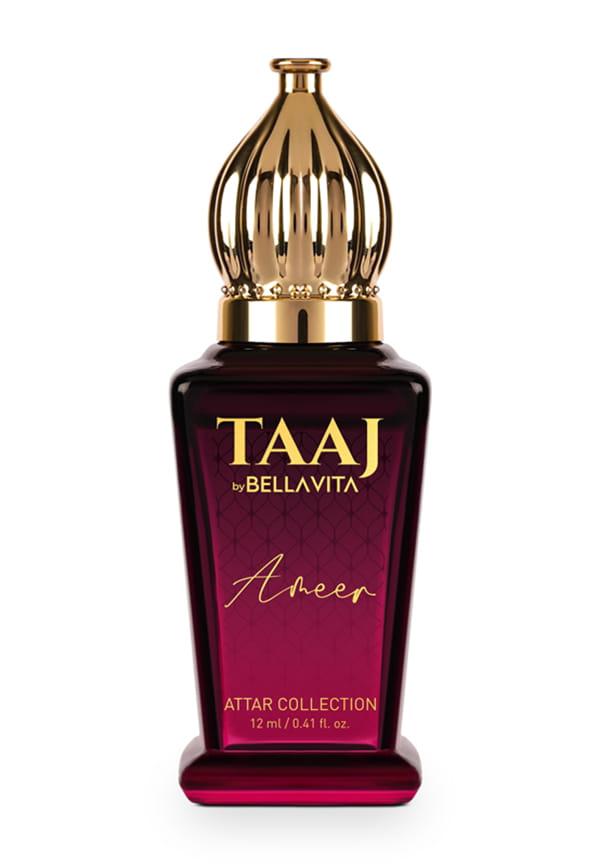
Taaj By Ameer Attar
Authentic Indian attar contains 100% natural essential oils with no alcohol, synthetic chemicals, or artificial preservatives. The traditional fragrance distillation process using sandalwood oil as a base creates a unique scent profile that develops differently on each person's skin.
The actual distillation for rose attar or jasmine attar can take 12-15 hours, but the complete process including aging can extend from several months to 10 years. This lengthy maturation period allows the perfume ingredients to fully integrate and develop their complex fragrance profiles.
Kannauj has been the centre of attar perfumery for over 400 years, with families passing down natural perfume making techniques through generations. The region's climate is ideal for flower cultivation, and local artisans have perfected the traditional deg-bhapka distillation system that produces the finest quality attars.
Yes, platforms like Smytten offer curated collections of authentic traditional Indian perfume from verified brands. The trial pack system lets you explore different attar varieties before committing to full-size bottles, making it easier to discover your perfect fragrance match.
Rose attar typically has a rich, romantic fragrance with cooling properties, whilst jasmine attar offers a more intoxicating, sensual scent that's traditionally associated with evening wear. Both use the same fragrance distillation techniques but require different harvesting times and processing methods.
Store your Indian attar in a cool, dark place away from direct sunlight and heat. The natural essential oils can be sensitive to temperature changes, and proper storage ensures your attar maintains its potency and fragrance integrity for years.
The world of Indian attar represents one of humanity's oldest and most sophisticated approaches to natural perfume making. From its ancient Vedic origins to modern applications, this traditional art form continues to captivate fragrance lovers who appreciate authenticity and craftsmanship. The steam distillation techniques perfected in Kannauj create complex, alcohol-free fragrances that develop uniquely on each wearer's skin. Whether you're drawn to the romantic allure of rose attar, the exotic appeal of jasmine attar, or the grounding presence of sandalwood oil, these traditional fragrances offer a sensory journey that synthetic perfumes simply cannot match. Understanding the history and process behind attar perfumery helps us appreciate not just the final product, but the cultural heritage and artisanal skill that goes into every precious drop.
The ancient art of traditional Indian perfume making continues to thrive in our modern world, proving that some things truly are timeless. As more people seek authentic, natural alternatives to synthetic fragrances, Indian attar offers the perfect solution—steeped in history, crafted with care, and completely free from harmful chemicals. Smytten's curated fragrance collection makes it easier than ever to explore these liquid treasures through trial packs, letting you discover authentic brand-verified minis before investing in full-size bottles. With 100% cashback on trials and PAN-India delivery, you can embark on your own attar journey from the comfort of your home. After all, why settle for synthetic when you can experience the real magic of traditional attar perfumery? Available on Smytten, these authentic fragrances represent India's largest minis collection of natural perfumes, making it simple to try before you buy and find your perfect scent match.
