How Vetiver Differs in Indian vs. Western Perfume Composition


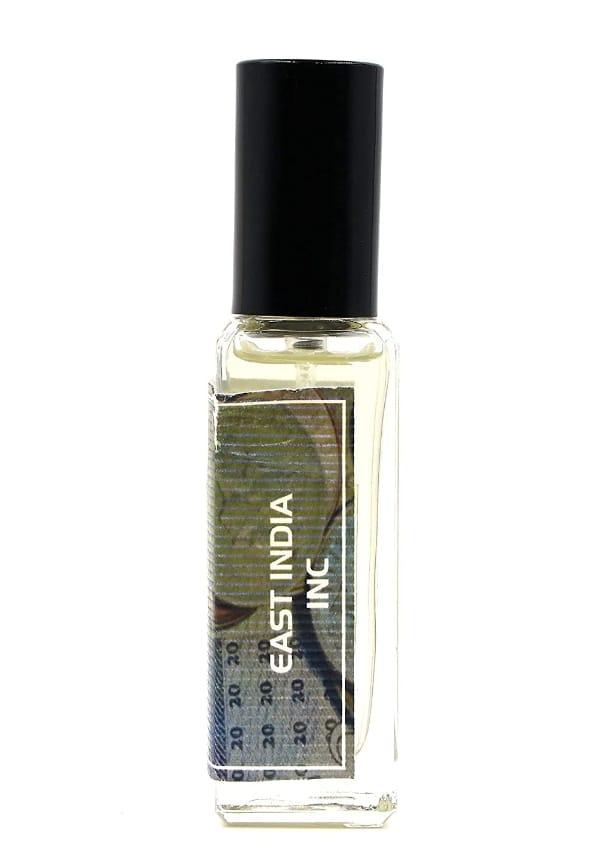
East India Inc By Projekt Alternative Extrait De Parfum
Ever wondered why that vetiver fragrance you tried feels so different from the one your friend swears by? The secret lies in how this earthy, grounding note is treated across different perfume traditions. Vetiver, known as khus in Northern India and derived from Tamil வெட்டிவேர் (meaning "root that is dug up"), creates completely different olfactory experiences depending on whether it's crafted using traditional Indian methods or modern Western techniques. While both approaches celebrate this remarkable aromatic compound, they couldn't be more different in philosophy, composition, and final scent profile. Whether you're exploring vetiver perfume options on Smytten or simply curious about fragrance ingredients, understanding these regional differences will transform how you experience this beloved note.
TL;DR
Indian vetiver compositions use the note as a dominant, minimally diluted element for cooling and spiritual purposes, whilst Western perfumery treats it as a refined base note in complex blends
Geographic origin significantly impacts scent profile—Indian vetiver offers clean, earthy intensity whilst Haitian varieties provide fresh, citrusy lift
Traditional Indian applications focus on standalone potency and cultural significance, whereas Western approaches emphasise sophisticated balance and modern fragrance families
Both traditions create distinct olfactory experiences that reflect their cultural values and perfumery philosophies
Vetiver isn't just another fragrance ingredient—it's a cultural bridge that connects ancient traditions with modern perfumery. This aromatic grass, scientifically known as Chrysopogon zizanioides, produces one of the most complex and versatile aromatic compounds in the fragrance world. The roots, which can grow up to two metres deep, contain the precious oil that gives vetiver perfume its distinctive character.
Geography plays a massive role in how vetiver develops its scent profile. Indian vetiver, particularly from regions like Rajasthan and Tamil Nadu, produces oils with remarkable intensity and complexity. The hot, dry climate and specific soil conditions create a vetiver that's clean, clear, and deeply earthy with subtle smoky undertones. This differs dramatically from Haitian vetiver, which tends to be fresher and lighter, or Indonesian varieties that lean darker and more intense.
In Northern India, vetiver goes by "khus," whilst Southern regions often use variations of the Tamil root word. These aren't just linguistic differences—they reflect how deeply embedded vetiver is in regional cultures and daily life.
The vetiver oil uses vary based on the chemical makeup, which changes with geography. Indian vetiver typically contains higher concentrations of vetiverol and khusimol, contributing to its distinctive cooling properties and intense aroma.
Understanding how vetiver differs in Indian fragrance notes versus Western compositions starts with recognising their completely different cultural foundations. In India, vetiver isn't just a fragrance ingredient—it's woven into the fabric of daily life, spirituality, and wellness practices.
Traditional Indian applications treat vetiver as a multifunctional element that goes far beyond scent. From cooling mats during scorching summers to sacred ceremonies, vetiver serves practical and spiritual purposes that Western perfumery rarely acknowledges.
Spiritual and ceremonial uses: Vetiver plays a crucial role in bride sanctification rituals and temple ceremonies. The cooling, grounding properties are believed to promote mental clarity and spiritual connection.
Practical cooling solutions: Khus mats and evaporative coolers utilise vetiver's natural cooling properties. When water evaporates through vetiver roots, it creates a naturally air-conditioned environment with a subtle, pleasant aroma.
Ayurvedic wellness: Traditional medicine incorporates vetiver in various forms, from cooling sharbats to therapeutic oils. The calming properties make it valuable for stress relief and mental balance.
Colonial introduction: European perfumers discovered vetiver through colonial trade routes, initially viewing it as an exotic curiosity rather than understanding its cultural significance.
Modern extraction methods: Western perfumery developed sophisticated distillation and extraction techniques that often prioritise consistency and shelf stability over traditional potency.
The way vetiver smells in your favourite fragrance depends heavily on where those roots were grown and how they were processed. Fragrance ingredients like vetiver showcase terroir just like fine wine—the soil, climate, and local processing methods all contribute to the final scent profile.
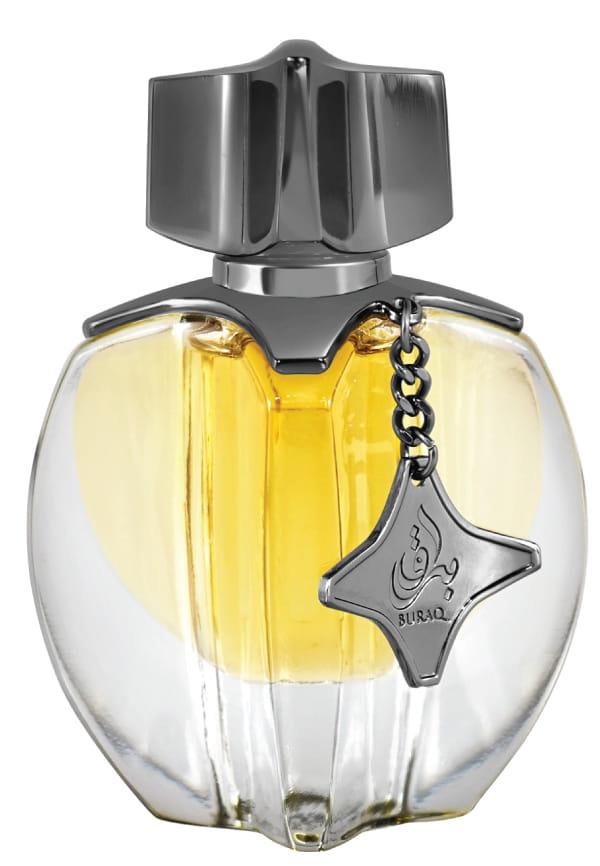
Buraq Concentrated Oriental Perfume Free From Alcohol
Indian vetiver stands out for its remarkable clarity and intensity. Unlike other origins that might feel muddied or overly complex, Indian varieties offer what perfumers describe as "clean" earthiness—you get all the grounding, woody depth without any harsh or unpleasant undertones.
Scent profile: Clean, clear earthy aroma with very light smoky notes that develop during the drydown. The intensity is remarkable—a little goes a very long way in perfume composition.
Texture and weight: Indian vetiver oil is notably heavy and viscous, requiring careful dilution and blending techniques. This density contributes to its excellent longevity and projection.
Haitian vetiver: Offers a fresher, cleaner profile with subtle citrusy lift. It's lighter and more approachable but lacks the depth of Indian varieties.
Indonesian (Javan) vetiver: Darker and more intense, sometimes with animalic undertones that require skilled handling in compositions.
Bourbon (Reunion) vetiver: Provides balanced complexity that sits between Indian intensity and Haitian freshness.
The philosophical differences between Indian and Western perfumery become crystal clear when you examine how each tradition handles vetiver in perfume accords. These aren't just technical differences—they reflect entirely different ideas about what fragrance should accomplish and how it should make you feel.
Indian perfumery treats vetiver with respect for its natural potency and cultural significance. The goal isn't to tame or refine the ingredient but to showcase its inherent power and complexity. Western approaches, whilst equally skilled, focus more on integration and balance within complex fragrance families.
Dominant presence: In traditional Indian compositions, vetiver often takes centre stage rather than playing a supporting role. The idea is to experience the full power of this remarkable ingredient.
Minimal dilution: Traditional attar-making techniques preserve maximum intensity. Where Western perfumers might use 1-2% vetiver, Indian compositions can feature 10-15% or even higher concentrations.
Traditional pairings: Indian fragrance notes like sandalwood, rose, and jasmine complement vetiver without competing. These combinations have been refined over centuries of traditional perfumery.
Oil-based compositions: Attar techniques use carrier oils rather than alcohol, allowing for richer, more concentrated experiences that develop differently on the skin.
Sophisticated base note: Western fragrance notes typically position vetiver as a grounding element that supports rather than dominates the composition.
Careful blending ratios: Modern perfumery uses precise measurements, typically keeping vetiver between 1-5% of the total composition to maintain balance.
Synthetic enhancement: Western techniques often combine natural vetiver with synthetic molecules to achieve specific effects or improve performance.
Contemporary integration: Vetiver gets paired with modern ingredients like ambroxan, iso e super, or various aldehydes to create contemporary interpretations.
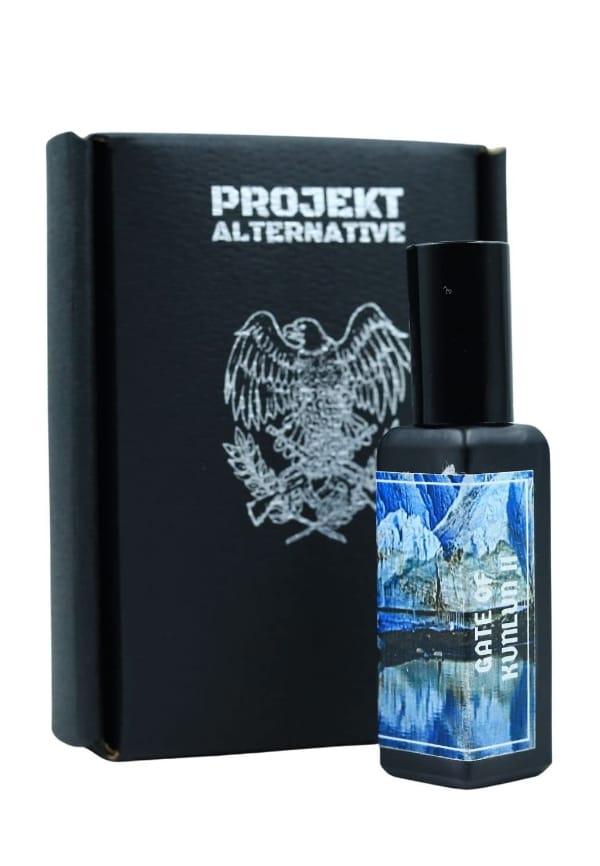
Gate Of Kunlun 2.0 By Projekt Alternative Extrait De Parfum
When you actually smell Indian versus Western vetiver fragrance compositions side by side, the differences are striking. It's like comparing a traditional Indian classical music performance with a Western symphony—both beautiful, both sophisticated, but expressing completely different artistic philosophies.
Indian vetiver compositions hit you with immediate, unapologetic earthiness that gradually reveals layers of complexity. Western interpretations tend to introduce vetiver more subtly, allowing it to emerge and develop over time as part of a carefully orchestrated fragrance journey.
Immediate impact: The opening is often dominated by vetiver's full intensity—earthy, grounding, and unmistakably present from the first spray.
Cooling sensation: Traditional Indian compositions emphasise vetiver's natural cooling properties, creating a psychological sense of calm and refreshment.
Unmasked complexity: Rather than blending vetiver into submission, Indian perfumery lets you experience its natural complexity—the smokiness, the sweetness, the woody depth all clearly present.
Spiritual dimension: Many traditional compositions aim to create a meditative, grounding experience that connects the wearer with nature and inner calm.
Refined sophistication: Western compositions often polish vetiver's rough edges, creating smoother, more approachable interpretations that work well in social and professional settings.
Balanced development: The fragrance journey typically moves through distinct phases—fresh opening, heart development, and vetiver-anchored base.
Gender considerations: Western perfumery often creates gender-specific vetiver interpretations, with masculine versions emphasising woody aspects and feminine versions highlighting softer, greener facets.
Seasonal adaptations: Modern Western fragrances often adapt vetiver for specific seasons or occasions, creating summer-appropriate fresh versions or winter-ready spicy interpretations.
Today's fragrance landscape showcases fascinating fusion between traditional Indian vetiver wisdom and Western innovation. Contemporary perfumers increasingly recognise that authentic regional approaches offer something that purely modern techniques cannot replicate—cultural depth and time-tested effectiveness.
Luxury Western brands now actively seek out specific regional vetiver varieties, whilst Indian heritage brands experiment with modern extraction and blending techniques. This cross-pollination creates exciting new possibilities for vetiver fragrance enthusiasts.
Tom Ford Grey Vetiver: Showcases refined, sophisticated vetiver blended with citrus and spices for modern elegance.
Creed Original Vetiver: Emphasises the natural, earthy character whilst maintaining Western refinement standards.
Traditional attar houses: Continue producing authentic, high-concentration vetiver compositions using centuries-old techniques.
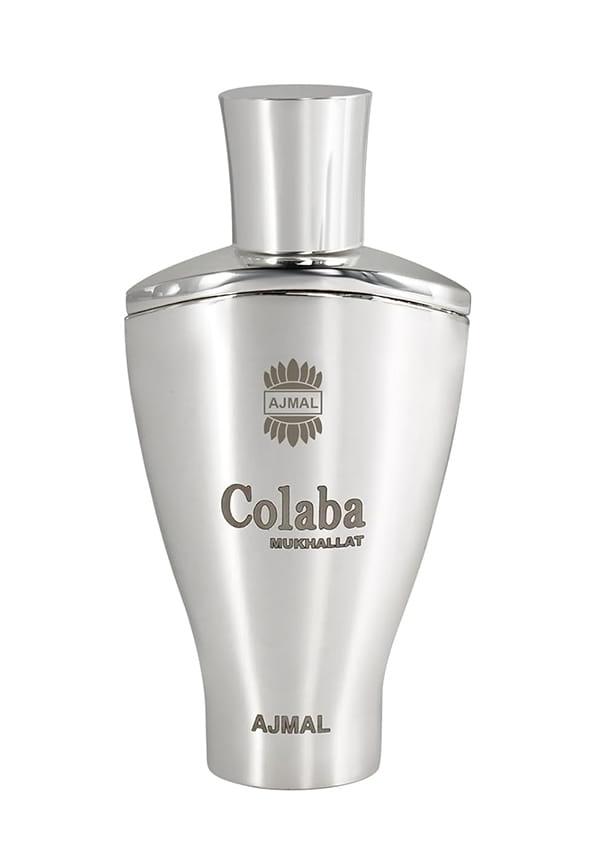
Colaba Mukhallat Concentrated Oriental Perfume Free From Alcohol
Contemporary Indian brands: Blend traditional knowledge with modern presentation and marketing approaches.
Niche perfumery: Independent perfumers increasingly explore authentic regional techniques whilst applying modern quality standards.
Artisan collaborations: Partnerships between Western perfumers and traditional Indian attar makers create unique hybrid compositions.
In Northern India, vetiver is commonly called "khus," whilst Southern regions use variations of the Tamil word வெட்டிவேர் (veṭṭivēr). Different states may have their own regional names, but these are the most widely recognised terms across the country.
Indian vetiver offers a clean, clear earthy aroma with subtle smoky undertones and remarkable intensity. It's generally considered more complex and potent than Haitian vetiver, which tends to be fresher and lighter, or Indonesian varieties that can be darker and more animalic.
The difference comes from both the vetiver source and composition philosophy. Indian perfumery uses vetiver as a dominant note with minimal dilution, whilst Western approaches treat it as a refined base note in complex, balanced compositions. You can explore these differences by trying various vetiver fragrances available on Smytten.
Beyond fragrance, vetiver serves multiple purposes in Indian tradition: cooling mats and natural air conditioning, spiritual ceremonies including bride sanctification rituals, Ayurvedic wellness practices, and cooling beverages like khus sharbat during hot weather.
Western-style vetiver compositions are generally more approachable for beginners, as they're typically blended for balance and wearability. Traditional Indian vetiver can be quite intense and might overwhelm those new to this note. Starting with lighter, Western interpretations available on Smytten can help you appreciate vetiver before exploring more traditional compositions.
The differences between Indian and Western vetiver use in perfumery reflect broader cultural philosophies about fragrance, nature, and personal expression. Indian traditions honour vetiver's natural intensity and cultural significance, creating compositions that showcase the ingredient's full power and complexity. Western approaches focus on refinement and integration, using vetiver as a sophisticated element within carefully balanced compositions.
Neither approach is superior—they simply serve different purposes and appeal to different preferences. Indian vetiver compositions offer authentic, grounding experiences that connect wearers with centuries of traditional wisdom. Western interpretations provide polished, versatile fragrances that work well in contemporary lifestyles.
Understanding these differences helps you make more informed choices about vetiver fragrances. Whether you're drawn to the meditative intensity of traditional Indian compositions or the sophisticated balance of Western interpretations, knowing what to expect enhances your fragrance journey.
Exploring the world of vetiver fragrances becomes much more rewarding when you understand the rich cultural traditions and technical approaches behind different compositions. Whether you're curious about traditional Indian attar-style vetiver or contemporary Western interpretations, the key is experiencing these differences firsthand. Smytten offers an ideal way to explore various vetiver fragrances through trial packs, letting you discover authentic brand-verified minis from trusted fragrance houses without committing to full-size purchases. With India's largest minis collection available for trial, you can experience the nuanced differences between regional vetiver approaches and find your perfect match. After all, when it comes to understanding how vetiver differs across cultures, there's no substitute for trying it all—and with 100% cashback on trials, your fragrance exploration journey becomes both educational and rewarding.
