How Sustainable Ingredients Are Used in Perfume

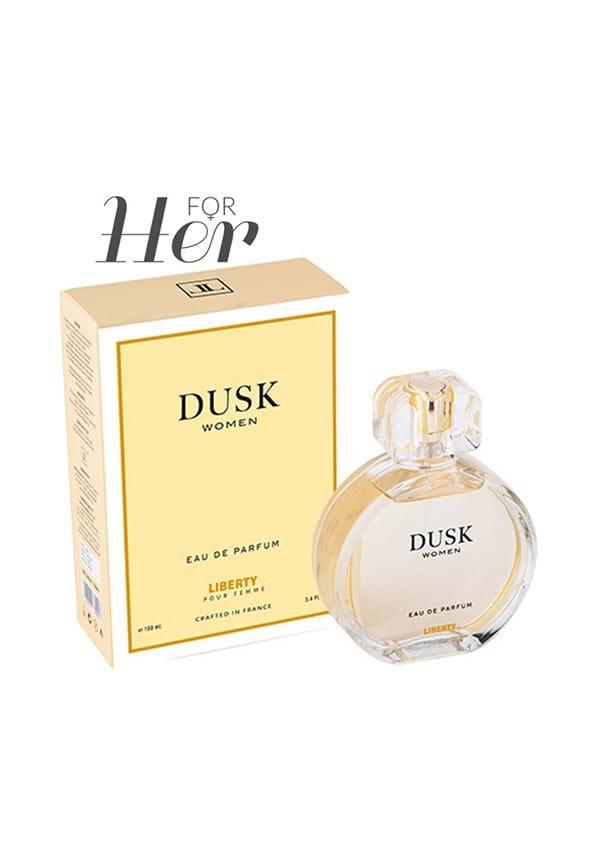
Dusk Pour Femme- EDP
Must Buy - Great Fragrance
 5
5“Must buy, nice fragnance and good to go with ”
The fragrance industry is experiencing a revolutionary shift as luxury perfumery embraces the evolution of upcycled ingredients in luxury perfumery. What was once considered waste—citrus peels from juice production, coffee grounds from your morning brew, or grape pomace from winemaking—is now being transformed into sophisticated scent materials that rival traditional ingredients. This sustainable luxury fragrance movement isn't just about being eco-friendly; it's about discovering entirely new olfactory territories whilst addressing the industry's environmental impact. From heritage houses to emerging brands, perfumers are proving that conscious perfumery trends can deliver the same luxury experience consumers expect. Platforms like Smytten are making these innovative fragrances more accessible, allowing fragrance enthusiasts to explore sustainable options through trial packs before committing to full-size purchases.
TL;DR
Upcycled ingredients in luxury perfumery transform waste materials like citrus peels and coffee grounds into sophisticated fragrance components
The circular economy in perfumery reduces environmental impact whilst creating novel perfume ingredient sources across multiple industries
Green chemistry techniques ensure repurposed scent materials meet luxury quality standards without compromising performance
Major luxury brands are investing in ethical sourcing for high-end perfume, proving sustainability and luxury can coexist
Conscious perfumery trends are reshaping consumer expectations and driving innovation in sustainable luxury fragrance
The concept of upcycling in perfumery goes far beyond simple recycling. Whilst recycling breaks down materials to create something new, upcycling transforms waste into products of higher value and quality. In the context of sustainable luxury fragrance, this means taking byproducts from food, beverage, and agricultural industries and extracting precious aromatic compounds that would otherwise be lost.
Upcycled fragrance ingredients represent a paradigm shift in how perfumers source their raw materials. These eco-friendly perfume ingredients come from unexpected sources: orange peels from juice factories yield bright citrus oils, spent coffee grounds provide rich, roasted notes, and grape pomace from wineries offers fruity, wine-like accords. The beauty lies in their dual purpose—reducing waste whilst creating unique olfactory experiences.
Green chemistry in fragrance development has made it possible to extract high-quality aromatic compounds from waste materials. Advanced distillation techniques, supercritical CO2 extraction, and molecular fractionation ensure these repurposed scent materials meet the exacting standards of luxury perfumery. The process often yields compounds that are chemically identical to those found in traditional ingredients, but with unique nuances that reflect their unconventional origins.
The traditional linear model of "take, make, dispose" is giving way to circular economy principles that view waste as a resource. This transformation is particularly significant in luxury perfumery, where the pursuit of rare and exotic ingredients has historically driven unsustainable practices.
The circular economy in perfumery creates closed-loop systems where waste from one industry becomes the raw material for another. This approach not only reduces environmental impact but also opens up entirely new categories of novel perfume ingredient sources. Perfume houses are forming partnerships with food manufacturers, agricultural cooperatives, and even textile companies to access their waste streams.
The valorization of waste in fragrance production has revealed surprising sources of aromatic compounds. Brewery spent grains provide malty, bread-like notes. Cacao husks from chocolate production offer rich, chocolatey facets. Even sawdust from sustainable forestry operations can be transformed into woody, resinous materials. These innovative perfume raw materials are expanding the perfumer's palette in unprecedented ways.
The integration of upcycled materials into luxury fragrances requires both technical expertise and creative vision. Master perfumers are developing new techniques to harness the full potential of these unconventional ingredients whilst maintaining the sophistication expected in high-end perfumery.
The challenge lies in balancing innovation with tradition. Perfumers must understand how upcycled ingredients behave differently from conventional materials—their volatility, blending characteristics, and longevity. Some upcycled materials offer surprising benefits, such as enhanced projection or unique colour properties that add visual appeal to the final fragrance.
Modern extraction techniques are revolutionising how aromatic compounds are captured from waste materials. Enzymatic extraction, ultrasonic processing, and microwave-assisted extraction allow perfumers to access previously unavailable scent molecules. These methods often produce cleaner, more concentrated materials than traditional techniques, resulting in superior performance in the final fragrance.
Several luxury brands are leading the charge in sustainable fragrance innovation. Their success demonstrates that ethical sourcing for high-end perfume doesn't require compromising on quality or luxury positioning.
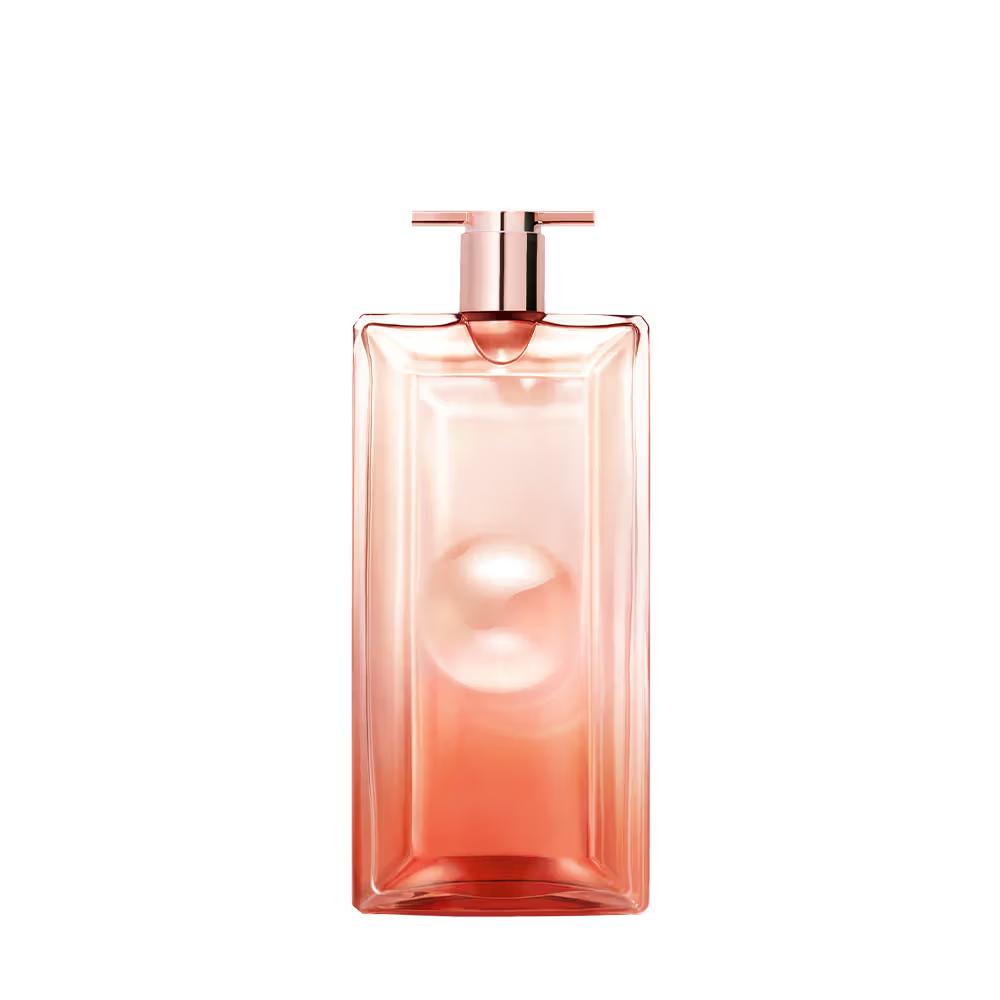
Forward-thinking brands are investing heavily in research and development to perfect their upcycled ingredient processes. The Lancôme Idôle Now Eau De Parfum exemplifies this trend, featuring Upcycled Rose Water that transforms what would typically be waste from rose processing into a fresh, watery floral note that opens the fragrance. This innovative approach to sustainable luxury fragrance demonstrates how upcycled ingredients can enhance rather than compromise the olfactory experience, proving that conscious perfumery trends can deliver the sophistication expected from luxury brands.
Interestingly, fragrances featuring upcycled ingredients often command premium prices. This reflects both the research and development costs involved in perfecting these new materials and the growing consumer willingness to pay more for sustainable products. The value proposition extends beyond the fragrance itself to include the environmental and social benefits of supporting circular economy principles.
The environmental advantages of using upcycled ingredients extend far beyond waste reduction. These materials contribute to a more sustainable fragrance industry in multiple ways.
By transforming waste into valuable fragrance ingredients, the industry is helping to reduce the environmental burden of other sectors. A single orange processing facility might generate tonnes of peel waste daily—converting this into fragrance materials prevents it from ending up in landfills whilst creating economic value. This valorization of waste in fragrance production creates win-win scenarios across industries.
The use of upcycled ingredients supports broader sustainability goals by reducing the pressure on traditional natural resources. Instead of cultivating new crops specifically for fragrance production, perfumers can utilise existing waste streams. This approach reduces land use, water consumption, and carbon emissions associated with traditional ingredient sourcing.
Product | Skin Type | Key Concerns | Price Range | Key Ingredients |
|---|---|---|---|---|
BELLA VITA TAAJ by Gold OUD Attar | All skin types | Longevity, natural ingredients | Budget-friendly | Caramel, Rose, Jasmine, Oud |
AJMAL Jannatul Firdaus | All skin types | Traditional oriental scent | Mid-range | Floral, Citrus, Oriental spices |
IBA Mumbai Glam EDP | Sensitive skin | Alcohol-free, Halal-certified | Mid-range | Citrus, Rose, Jasmine, Musk |
PLUM Bodylovin' Hazelnut Eclair | All skin types | Gourmand scents, daily wear | Budget-friendly | Hazelnut, Vanilla, Chocolate |
The Perfume Co. Midnight Rouge | All skin types | Evening wear, projection | Mid-range | Blackcurrant, Bergamot, Rose |
The evolution of upcycled ingredients in luxury perfumery is just beginning. As technology advances and consumer awareness grows, we can expect even more innovative applications of waste materials in high-end fragrances.
Research is underway to extract aromatic compounds from increasingly diverse waste sources. Textile waste, food packaging materials, and even electronic waste are being explored as potential sources of fragrance ingredients. Biotechnology is also playing a role, with engineered microorganisms being used to convert waste materials into specific aromatic compounds.
Scaling up production of upcycled ingredients remains a challenge. Many current processes work well in laboratory settings but need refinement for commercial production. Regulatory approval for new ingredients can also be time-consuming, particularly in markets with strict cosmetic regulations. However, these challenges represent opportunities for innovation and investment in sustainable fragrance technology.
Upcycled fragrance ingredients are aromatic compounds extracted from waste materials that would otherwise be discarded. Unlike traditional ingredients sourced specifically for perfumery, these materials come from byproducts of food processing, agriculture, and manufacturing. They offer unique olfactory profiles whilst supporting environmental sustainability.
Modern extraction and processing techniques ensure that upcycled ingredients meet the same quality standards as traditional materials. Many upcycled ingredients actually offer superior performance characteristics, such as enhanced projection or unique colour properties. The longevity and sillage depend more on the perfumer's skill and the overall composition than the source of individual ingredients.
Several major luxury houses are investing in upcycled ingredient research, including those featured on platforms like Smytten. These brands are proving that sustainability and luxury can coexist, creating fragrances that appeal to environmentally conscious consumers without compromising on sophistication or performance.
Pricing varies depending on the brand and specific ingredients used. Whilst research and development costs for upcycled materials can be high, the actual raw material costs are often lower than traditional ingredients. Many brands position these fragrances at premium price points to reflect their innovative and sustainable nature.
Upcycled ingredients reduce waste sent to landfills, decrease the need for new agricultural land dedicated to fragrance crops, and lower the overall carbon footprint of perfume production. They also create economic value from materials that would otherwise be disposal costs for other industries.
The evolution of upcycled ingredients in luxury perfumery represents a fundamental shift towards more sustainable practices without compromising on quality or luxury. These innovative materials are opening up new olfactory territories whilst addressing environmental concerns. The success of early adopters proves that conscious perfumery trends can deliver both commercial success and environmental benefits. As technology continues to advance, we can expect even more creative applications of waste materials in high-end fragrances, making sustainability an integral part of luxury perfumery rather than an alternative to it.
The transformation of waste into luxury fragrance ingredients exemplifies how innovation can drive both sustainability and excellence. As consumers become increasingly conscious of their environmental impact, the demand for sustainable luxury fragrance continues to grow. Smytten's platform makes it easier than ever to explore these innovative fragrances through trial packs, allowing you to experience the quality and sophistication of upcycled ingredients before committing to full-size purchases. With over 1,500 trusted brands available on Smytten, including those pioneering sustainable practices, you can discover authentic brand-verified minis that showcase the future of conscious perfumery. The platform's 100% cashback on trials makes it affordable to explore these cutting-edge fragrances, proving that sustainability and luxury are no longer mutually exclusive. After all, why settle for traditional when you can #TryItAll and discover the next generation of sustainable luxury fragrance?
