How to Use Aromatherapy for Focus: Essential Oils for Concentration
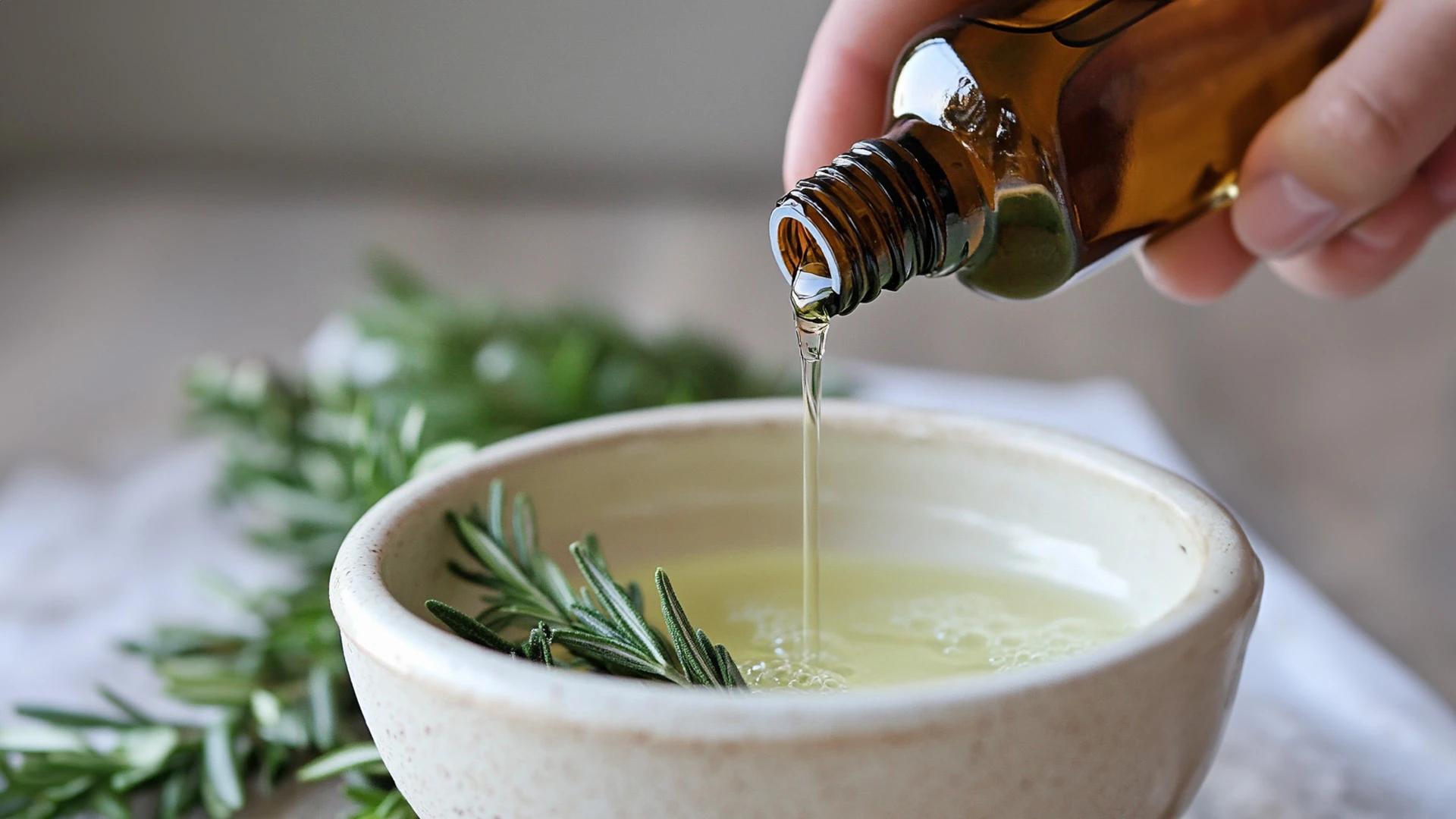

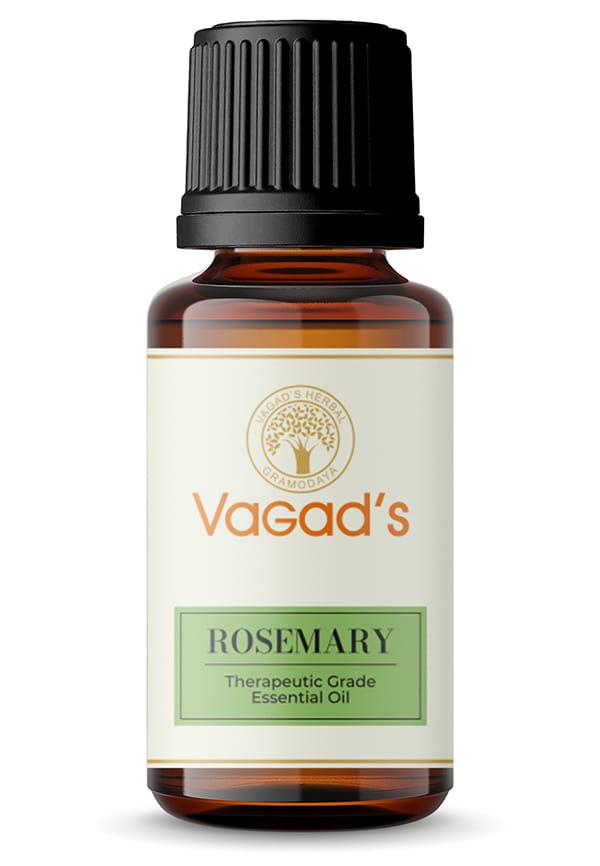
Rosemary Essential Oil
Awesome Results, Divine Smell
 5
5“awesome results and smell like divine”
Good Product, Calming Fragrance
5“Very good product and very calming fragrance..”
Trusted Brand and Quality
5“khadi is trusted brand and trusted quality”
Ever find yourself staring at your laptop screen, mind wandering to literally anything except the task at hand? You're not alone. Studies show that the average person loses focus every 11 minutes, and with our always-on digital world, maintaining concentration has become tougher than ever. But here's where it gets interesting—your sense of smell might just be the secret weapon you've been overlooking. Aromatherapy for focus isn't just some wellness trend; it's a science-backed approach that taps into your brain's natural wiring to boost concentration and mental clarity. From peppermint's instant alertness kick to rosemary's memory-enhancing magic, essential oils can transform your workspace into a productivity powerhouse. Whether you're cramming for exams, tackling a work deadline, or just trying to stay sharp during those afternoon slumps, learning how to use aromatherapy for focus could be your game-changer. Plus, with Smytten offering trial packs of various wellness products, you can explore different scents without committing to full-size bottles. Ready to discover which essential oils might become your new focus buddies?
TL;DR
Aromatherapy works by activating your olfactory system, which directly connects to brain areas responsible for focus and memory
Top essential oils for concentration include rosemary, peppermint, lemon, and eucalyptus, each offering unique cognitive benefits
You can use aromatherapy through diffusers, direct application to pulse points, or inhalation methods for immediate focus boosts
Creating custom diffuser blends for different times of day maximises productivity—morning energisers, afternoon revivers, and study session intensives
Consistency is key; building aromatherapy into your daily routine helps train your brain to associate specific scents with focused work
Let's get real about what's actually happening in your brain when you catch a whiff of that energising peppermint. Your olfactory system isn't just about detecting whether your coffee's gone off—it's directly wired to your limbic system, the brain's emotional and memory centre. This connection is why certain scents can instantly transport you back to childhood or trigger specific moods.
When you inhale essential oils, the aromatic molecules travel through your nasal cavity and bind to olfactory receptors. These receptors send signals straight to your limbic system, bypassing the usual sensory processing routes. It's like having a direct hotline to your brain's control centre, which explains why aromatherapy can create such immediate effects on your mental state.
The magic happens when these scent signals trigger the release of neurotransmitters like dopamine and norepinephrine—your brain's natural focus enhancers. Dopamine keeps you motivated and engaged, whilst norepinephrine sharpens your attention and alertness. Studies show that rosemary aroma significantly improved cognitive performance and mood in healthy adults. Another study indicated that peppermint scent increased alertness and memory accuracy by up to 15%.
Beyond the brain chemistry, aromatherapy for productivity works on a physical level too. Certain essential oils help reduce cortisol levels—that pesky stress hormone that clouds your thinking. When stress decreases, blood flow to your prefrontal cortex improves, giving you better access to higher-order thinking skills like problem-solving and decision-making. It's like clearing the fog from your mental windscreen.
Not all essential oils are created equal when it comes to boosting brainpower. Some are brilliant for relaxation (looking at you, lavender), but they might leave you feeling more sleepy than sharp. The key is choosing oils that enhance alertness without causing jitters or anxiety.
Think of essential oils for concentration as your personalised brain-boosting toolkit. Each oil brings something different to the table, so you can mix and match based on what your mind needs in the moment.
Rosemary is basically the overachiever of the essential oil world. Studies suggest it can improve memory retention by up to 75% and enhance overall cognitive function. The compound 1,8-cineole in rosemary is thought to increase acetylcholine levels in the brain—a neurotransmitter crucial for learning and memory. Perfect for those marathon study sessions or when you need to absorb complex information.
Peppermint delivers an instant mental wake-up call. Its menthol content stimulates the trigeminal nerve, which sends alertness signals throughout your brain. Research shows peppermint can improve sustained attention and working memory. It's your go-to for those post-lunch energy dips or early morning focus needs.
Lemon brings sunshine to your brain chemistry. Its limonene content helps regulate serotonin and dopamine levels, creating a balanced mood that supports sustained concentration. Japanese studies found that lemon scent reduced work errors by 54%. It's particularly brilliant for creative tasks that require both focus and positive energy.
Eucalyptus clears both your airways and your mind. Its refreshing properties help increase oxygen flow to the brain whilst the scent itself promotes mental clarity. It's especially helpful if you're dealing with brain fog or feeling mentally sluggish.
Clary sage works wonders for mental fatigue, helping to restore cognitive function when you're feeling mentally drained. Juniper berry provides an energising lift without the crash, making it perfect for long work sessions. Pine essential oil creates a grounding effect that helps with deep concentration, whilst lime offers a zesty motivation boost that's perfect for tackling challenging tasks.
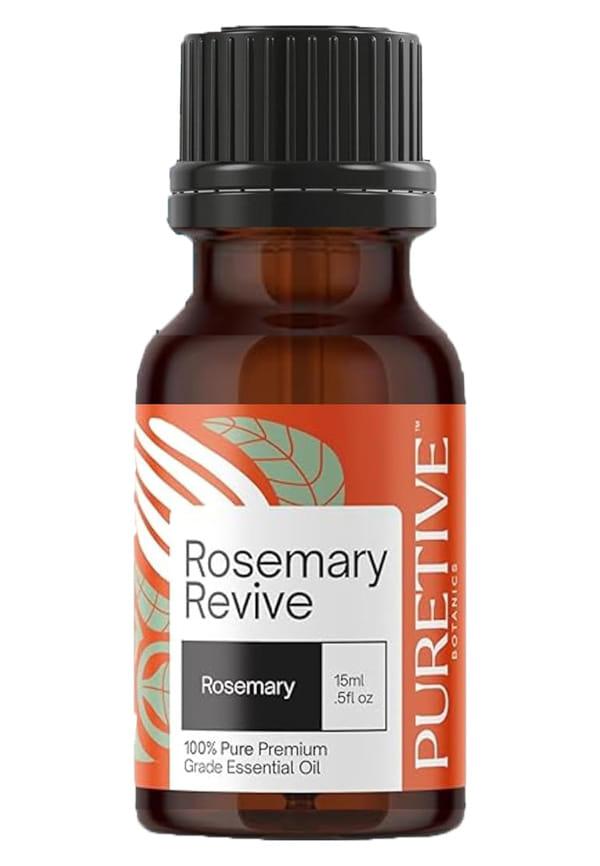
Rosemary Essential Oil For Hair Growth, Hair Fall Control and Nourishment
Great Rosemary Oil
5“Thank you smytten for this product absolutely loved it.It is a nice rosemary essential oil.”
For diffuser use, start with 3-5 drops per 100ml of water. For topical application, always dilute with a carrier oil—1-2 drops of essential oil per teaspoon of carrier oil is a safe starting point. Morning oils like peppermint and lemon work best between 8-11 AM, whilst rosemary and eucalyptus are brilliant for afternoon focus sessions. Always do a patch test before applying any oil to your skin, and pregnant women should consult healthcare providers before using essential oils.
Now that you know which oils to reach for, let's talk about actually using them. The beauty of aromatherapy is its flexibility—you can adapt it to any space, schedule, or situation. Whether you're working from a tiny flat or a bustling office, there's an aromatherapy method that'll work for your lifestyle.
The key is finding what feels natural and sustainable for you. Some people love the ritual of setting up a diffuser, whilst others prefer the convenience of a quick pulse-point application.
Room diffusion creates an ambient focus-friendly atmosphere that benefits everyone in the space. Ultrasonic diffusers work brilliantly for this—they're quiet, efficient, and won't interfere with your concentration. Run your diffuser for 30-60 minutes at a time, then take a break to prevent olfactory fatigue. Personal diffuser necklaces or car diffusers offer targeted aromatherapy when you need focus on the go.
Pulse point application gives you immediate, personal aromatherapy. Apply diluted essential oils to your wrists, temples, or behind your ears—areas where blood vessels are close to the skin surface. For instant focus, try the inhalation method: add 1-2 drops of oil to a tissue or your palms, cup over your nose, and take 3-5 deep breaths. This technique is perfect for exam situations or important meetings.
Your workspace setup can amplify aromatherapy benefits. Position your diffuser away from direct airflow to prevent scent dispersion. Combine aromatherapy with natural light and good ventilation—fresh air helps essential oils circulate effectively. Keep a small aromatherapy kit at your desk: a personal inhaler, diluted roll-on blend, and maybe a scented candle for longer work sessions.
Ready to become your own aromatherapy mixologist? Creating custom blends lets you target specific focus needs and personal scent preferences. Think of it like creating a playlist—different blends for different moods and tasks. The beauty of blending is that you can adjust ratios until you find your perfect focus formula.
Start with simple two-oil combinations before moving to complex blends. Always keep notes about what works so you can recreate your favourites.
Wake-Up Call Blend: 3 drops peppermint + 2 drops lemon. This energising combo kickstarts your day with alertness and positivity. Focus Foundation: 2 drops rosemary + 2 drops eucalyptus + 1 drop lime. Perfect for setting up sustained concentration from the get-go. Creative Morning: 3 drops lemon + 1 drop clary sage + 1 drop pine. Balances mental clarity with creative flow.
Midday Reset: 2 drops peppermint + 2 drops rosemary + 1 drop juniper berry. Combats afternoon brain fog and restores mental sharpness. Sustained Attention: 3 drops eucalyptus + 2 drops lemon. Simple but effective for maintaining focus through long tasks. Energy Lift: 2 drops lime + 2 drops peppermint + 1 drop pine. Provides motivation boost without overstimulation.
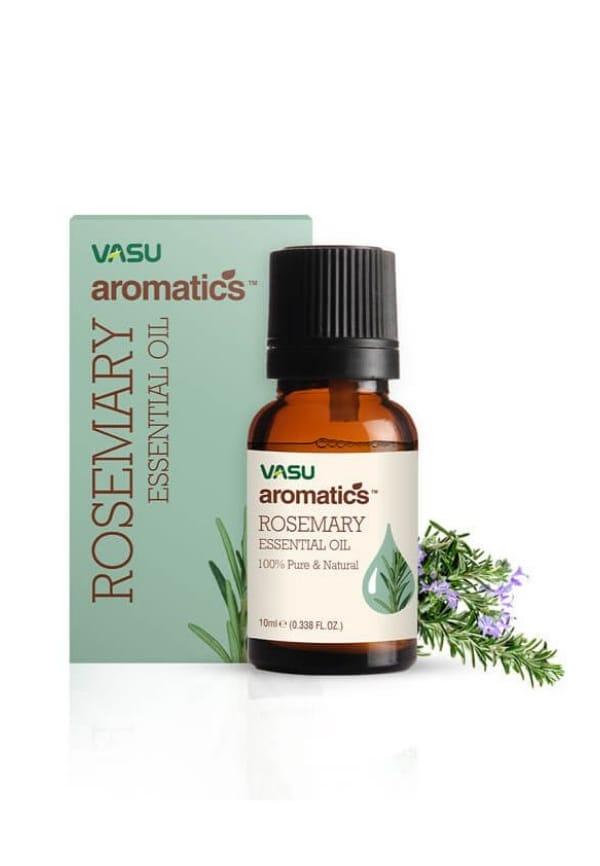
Aromatics Rosemary Essential Oil
Memory Master: 3 drops rosemary + 1 drop lemon + 1 drop clary sage. Optimised for information retention and recall. Deep Focus: 2 drops eucalyptus + 2 drops pine + 1 drop peppermint. Creates a grounding, concentrated mental state. Exam Prep: 2 drops rosemary + 2 drops lemon + 1 drop juniper berry. Balances memory enhancement with stress reduction.
Bringing aromatherapy into your work environment requires a bit of strategy, especially if you're sharing space with colleagues. The goal is enhancing your productivity without becoming 'that person' who makes the entire office smell like a spa. Subtle, professional aromatherapy is totally doable with the right approach.
Consider your workplace culture and any scent sensitivities among your colleagues. When in doubt, personal application methods are your safest bet for office aromatherapy.
Personal inhalers are your secret weapon for workplace focus. They look like lip balms, contain your chosen essential oil blend, and provide discrete aromatherapy whenever you need it. USB diffusers designed for desk use offer another professional option—they're small, quiet, and can be easily controlled. Roll-on blends applied to pulse points give you personal aromatherapy that won't affect others.
Creative work benefits from uplifting, inspiring scents like lemon and clary sage, whilst analytical tasks call for sharp, focusing oils like rosemary and eucalyptus. Before important meetings or presentations, try a quick inhalation of peppermint and lemon to boost confidence and mental clarity. During high-pressure deadlines, eucalyptus and pine can help maintain calm focus whilst reducing stress.
Start your workday with a specific scent ritual—it trains your brain to associate that aroma with focused work mode. Keep a focus journal noting which oils work best for different tasks and times of day. Adjust your blends seasonally; you might need more energising oils in winter and lighter, refreshing scents in summer.
Not all focus issues are the same, and your aromatherapy approach should reflect that. Whether you're battling anxiety-induced distraction, memory problems, or general brain fog, there are targeted essential oil strategies that can help. The trick is identifying your specific challenge and choosing oils that address the root cause, not just the symptoms.
Memory and focus go hand in hand, but they require slightly different aromatic support. Rosemary remains the star for memory consolidation—use it during learning sessions and again during recall. Combine rosemary with lemon for a memory-boosting blend that also maintains alertness. For long-term memory support, try incorporating rosemary aromatherapy into your regular study routine so your brain associates the scent with information processing.
Anxiety can seriously derail concentration, creating a frustrating cycle where worry about focus makes focusing even harder. Clary sage offers the perfect balance—it's calming without being sedating. Combine it with lemon for an anxiety-reducing yet alerting blend. Eucalyptus also helps by promoting clear breathing, which naturally reduces anxiety whilst maintaining mental clarity.
Brain fog feels like thinking through cotton wool—everything's just a bit fuzzy and slow. Peppermint provides the sharpest clarity boost, whilst eucalyptus helps clear mental cobwebs. For persistent brain fog, try alternating between stimulating oils (peppermint, rosemary) and clarifying ones (eucalyptus, pine) throughout the day to prevent adaptation.
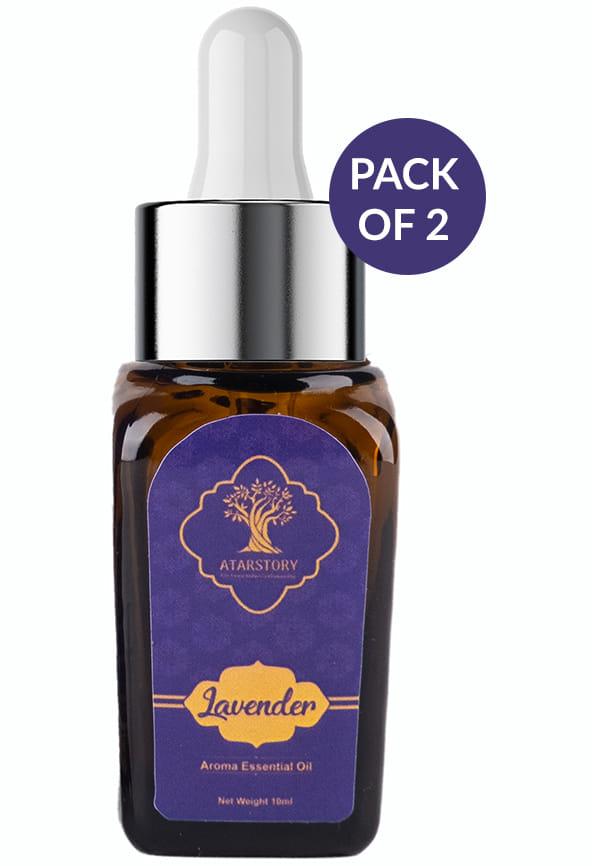
Pure Aroma Essential Oil for Diffuser, (Lavender)
Product Type | Best for Skin Type | Primary Concern | Price Range | Key Ingredients |
|---|---|---|---|---|
PURETIVE Daily Calm Roll-On | All skin types | Instant stress relief, focus enhancement | ₹300-500 | Essential oil blend with carrier oils |
The Perfume Co. Pure Aura Body Mist | Normal to combination | Daily focus support, mood enhancement | ₹200-400 | Fragrance oils, refreshing botanicals |
Aroma Blush Refreshing Mint Breeze | All skin types | Mental alertness, energy boost | ₹150-300 | Mint extracts, cooling agents |
Fragrance & Beyond Dazzle Green | Sensitive to normal | Concentration, mental clarity | ₹250-450 | Jasmine, tuberose, honeysuckle |
The Love Co. Fall in Love Mist | All skin types | Mood elevation, sustained attention | ₹200-350 | Floral essences, mood-boosting botanicals |
Rosemary, peppermint, lemon, and eucalyptus are the top essential oils for focus. Rosemary enhances memory and cognitive function, peppermint provides instant alertness, lemon elevates mood and attention, whilst eucalyptus clears mental fog. These oils work by stimulating neurotransmitter production and improving blood flow to concentration centres in your brain.
Start with a diffuser using 3-5 drops of your chosen oil per 100ml water, run for 30-60 minutes. For immediate effects, apply diluted oils to pulse points or try inhalation from your palms. Create a dedicated focus space with consistent aromatherapy to train your brain to associate specific scents with concentration. Always ensure good ventilation and take breaks to prevent olfactory fatigue.
Rosemary is scientifically proven to be the best essential oil for studying, with research showing up to 75% improvement in memory retention. Its compound 1,8-cineole increases acetylcholine levels, crucial for learning. Combine with lemon for mood support or peppermint for sustained alertness during long study sessions.
Peppermint and eucalyptus are most effective for clearing brain fog. Peppermint's menthol content provides immediate mental clarity by stimulating the trigeminal nerve, whilst eucalyptus improves oxygen flow to the brain. Try inhaling 1-2 drops from your palms or using in a diffuser for ambient clarity throughout your workspace.
Aromatherapy effects on focus can be immediate—within 30 seconds to 2 minutes of inhalation. However, building consistent focus habits through regular aromatherapy use typically takes 2-3 weeks. For best results, use the same scent consistently for specific tasks to create positive associations and train your brain's response.
Absolutely! Blending essential oils often creates more effective focus support than single oils. Start with simple two-oil combinations like rosemary and lemon, or peppermint and eucalyptus. Always maintain proper dilution ratios and test blends in small amounts first. Popular focus blends include morning energisers, afternoon revivers, and study intensives.
Aromatherapy for focus isn't just about pleasant scents—it's a scientifically-backed method for enhancing cognitive performance through your brain's natural wiring. The key essential oils for concentration each bring unique benefits: rosemary for memory, peppermint for alertness, lemon for mood and sustained attention, and eucalyptus for mental clarity. Success comes from choosing the right application method for your situation, whether that's ambient diffusion for workspace focus, pulse-point application for discrete office use, or inhalation techniques for immediate concentration boosts.
Building effective aromatherapy habits requires consistency and personalisation. Start with single oils to understand your preferences, then experiment with custom blends for specific focus needs. Remember that different times of day and types of work may call for different aromatic support—energising morning blends, clarifying afternoon revivers, or intensive study session formulas.
Your journey to better focus through aromatherapy is all about finding what works for your unique brain and lifestyle. Whether you're drawn to the memory-boosting power of rosemary or the instant clarity of peppermint, the key is consistent experimentation and application. Smytten makes this exploration easier by offering trial packs from trusted wellness brands, letting you discover your perfect focus-enhancing scents without committing to full-size products. With over 1,500 brands available and 100% cashback on trial purchases, you can explore various aromatherapy options across categories like fragrances and wellness products. The platform's curated minis let you test different essential oil blends and focus-enhancing products before finding your ideal concentration companions. After all, why settle for scattered attention when you can discover the perfect aromatic tools to help you stay sharp, focused, and productive throughout your day?
