How to Test Perfume Longevity for Lasting Fragrance

Amber Sandalwood| Long Lasting & Premium Perfume for Men
Ever sprayed on a gorgeous perfume only to find it vanished by lunch? We've all been there. Testing perfume longevity before you commit to a full bottle is honestly a game-changer—it saves you from those disappointing purchases where your favourite scent barely makes it past breakfast. Whether you're exploring niche fragrances or hunting for that perfect daily signature scent, knowing how to properly assess fragrance performance can make all the difference. The good news? You don't need to be a perfumer to master these techniques. With Smytten offering trial packs from top fragrance brands, you can actually test multiple scents without the commitment, making it easier than ever to find fragrances that truly last. Let's dive into the proper methods for evaluating perfume staying power, so you never have to wonder "will this last?" again.
TL;DR
Perfume longevity depends on concentration levels—Parfum lasts 8-12+ hours while Eau de Cologne barely makes it 2-4 hours
Test on your skin using pulse points, blotter strips, and the 24-hour tissue method for accurate fragrance performance evaluation
Skin type, pH levels, and environmental factors significantly impact how long perfume lasts on your body
Base notes like oud, amber, and musk indicate better perfume endurance, while citrus top notes fade quickly
Proper application techniques and skin preparation can extend fragrance wear time by several hours
Before diving into testing methods, let's get clear on what we're actually measuring. Perfume longevity refers to how long a fragrance remains detectable on your skin, while sillage describes the scent trail you leave behind, and projection indicates how far your fragrance radiates from your body. These three elements work together to create your overall fragrance performance evaluation.
Several factors influence perfume lasting power, starting with oil concentration—the higher the percentage of aromatic compounds, the longer your scent will stick around. Your unique skin chemistry plays a massive role too, as does the environment you're in. Hot, humid weather can actually make fragrances project more but fade faster, while cooler conditions might keep them closer to your skin but extend their lifespan.
Understanding these basics helps explain why the same perfume might last all day on your friend but disappear within hours on you. It's not about the quality of the fragrance—it's about finding what works with your individual chemistry and lifestyle.
The concentration level printed on your perfume bottle is your first clue about potential longevity. These aren't just fancy marketing terms—they represent actual oil percentages that directly impact how to check perfume strength and duration.
Parfum or Extrait de Parfum contains 20-30% aromatic oils and typically delivers 8-12+ hours of wear time. These are your marathon runners in the fragrance world. Eau de Parfum (EDP) sits at 15-20% concentration, offering solid 6-8 hour performance that works brilliantly for most daily wear situations.
Eau de Toilette (EDT) ranges from 5-15% oils, giving you 4-6 hours of fragrance—perfect for office environments where you want something noticeable but not overwhelming. Eau de Cologne contains just 2-5% oils and lasts 2-4 hours, making it ideal for quick refreshers or layering.
When scanning ingredient lists for perfume endurance tips, look for heavy molecular weight base notes. Oud, amber, musk, sandalwood, patchouli, and vanilla are your longevity champions—these ingredients have larger molecules that evaporate slowly, creating that lasting foundation your fragrance needs.
Light top notes like citrus, mint, or green leaves smell gorgeous initially but vanish quickly. They're the opening act, not the main event. The real staying power comes from those rich, complex base notes that emerge hours after application.
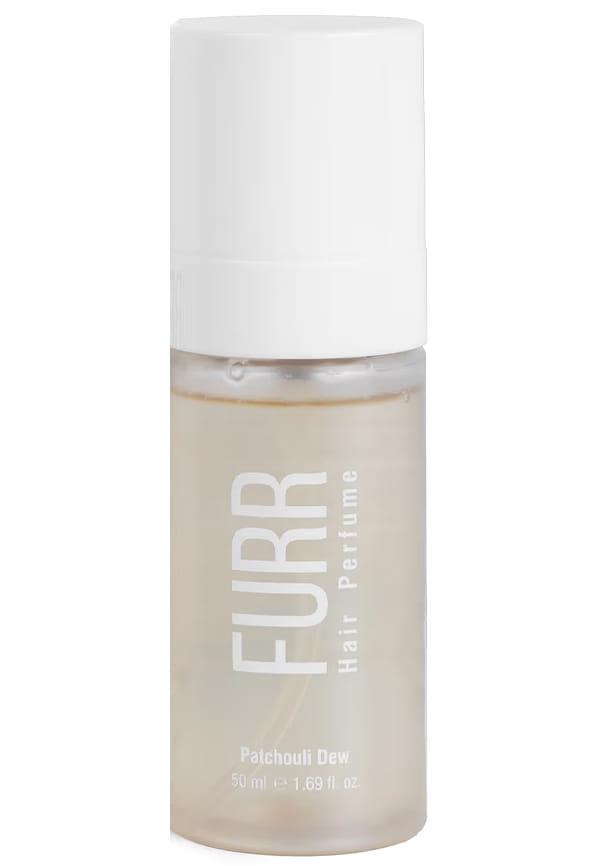
Patchouli Dew Hair Perfume
Now for the practical stuff—how to actually test these fragrances properly. Professional perfumers use specific techniques that you can easily replicate at home for accurate results.
This is your gold standard for testing perfume wear time. Apply 3-4 sprays to different pulse points—one on each wrist, one behind your ear, and one on your neck. These spots have good blood circulation, which helps the fragrance develop properly.
Create a testing timeline: note the scent immediately after application, then check back at 2 hours, 4 hours, and 8+ hours. Document how the fragrance evolves—does it maintain its character or transform completely? Is it still detectable without bringing your wrist to your nose?
Grab some blotter strips (or clean, unscented paper) and spray once from about 6 inches away. This method helps you understand the fragrance's true longevity without skin chemistry interference. Compare how the scent performs on paper versus your skin—sometimes you'll find surprising differences.
Keep your blotter strips in a clean envelope and check them throughout the day. Some fragrances that seem weak on skin actually have impressive longevity on paper, indicating they might work better on clothing or in cooler weather.
For serious fragrance sillage test evaluation, spray a tissue and leave it in your room overnight. Check it the next morning—if you can still detect the scent, you're dealing with impressive base note performance. This method reveals which fragrances have the molecular weight to truly last.
You don't need a professional lab to conduct thorough fragrance performance evaluation. Set up your own testing environment by choosing a day when you won't be wearing other scented products—no scented moisturiser, deodorant, or hair products that might interfere.
Create a simple testing log with columns for time, intensity (rate 1-10), and notes about how the scent has changed. Test during different seasons and weather conditions, as humidity and temperature dramatically affect perfume lasting power. A fragrance that barely lasts 4 hours in summer might give you 8+ hours in winter.
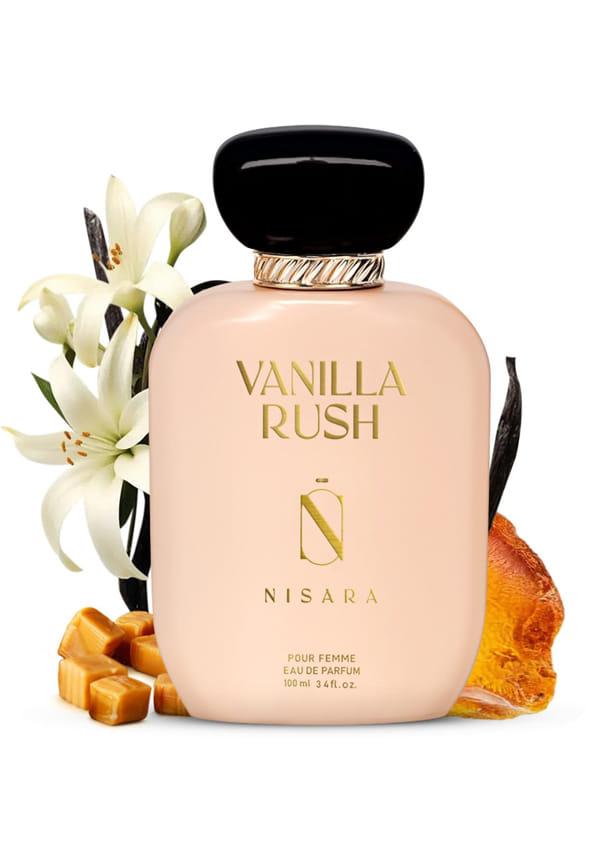
Vanilla Rush Eau De Parfum
Loved this perfume! Refreshing and long-lasting.
 5
5“Honestly, I loved this perfume! 😍 The fragrance is super refreshing and gives a premium feel. It lasts for hours and people around me actually noticed it. It’s perfect for both day and night use. Totally worth it!”
Excellent Warm Vanilla Perfume
5“Nisara Vanilla Rush is a warm, sweet, long-lasting perfume with a smooth vanilla base. It feels cozy, elegant, and perfect for daily wear. Great projection, budget-friendly, and truly value for money.”
Consider testing the same fragrance multiple times before making judgements. Your skin chemistry can vary based on hormones, diet, stress levels, and even what you ate for lunch. Multiple tests give you a more accurate picture of real-world performance.
Your skin type plays a huge role in fragrance longevity. Oily skin tends to hold fragrances longer because oils help slow evaporation, while dry skin can make even long-lasting perfumes disappear quickly. If you have dry skin, applying an unscented moisturiser before your fragrance can significantly extend wear time.
pH levels matter too—slightly acidic skin (pH 4.5-6.5) tends to preserve fragrances better than alkaline skin. Environmental factors like air conditioning, heating, and even stress can affect how your fragrance performs throughout the day.
Common mistakes that reduce perfume lasting power include rubbing your wrists together after application (this breaks down the fragrance molecules), applying to dirty or heavily moisturised skin, and storing your perfumes in hot, bright locations that degrade the oils over time.
Want to maximise your fragrance investment? Start with proper skin preparation. Apply an unscented moisturiser to pulse points about 15 minutes before your perfume—this creates a base that helps lock in the scent. Some people swear by applying a tiny amount of petroleum jelly to pulse points first, though this can alter the fragrance's development.
Layering techniques can dramatically extend wear time. If your fragrance has matching body wash, lotion, or oil, use them together for a more intense, longer-lasting result. Even without matching products, you can layer similar scent families—a vanilla body lotion under a vanilla-based perfume, for example.
Strategic application points make a difference too. Beyond the usual pulse points, try the inside of your elbows, behind your knees, or even a light spray on your hairbrush before running it through your hair. Your hair holds fragrance beautifully and releases it gradually throughout the day.
Timing matters for making perfume last longer. Apply your fragrance right after showering when your skin is still slightly damp and your pores are open. This helps the fragrance penetrate better and last longer than applying to completely dry skin.
Brand & Product | Skin Type | Longevity | Key Ingredients | Price Range |
|---|---|---|---|---|
AJMAL Dahnul Oudh Hayati | All skin types, especially oily | 12+ hours | Pure Oud concentrate | ₹₹₹ |
ATARSTORY Shahi Oudh | All skin types, sensitive skin friendly | 10-12 hours | Arabic Oud, alcohol-free | ₹₹ |
BELLA VITA TAAJ Gold OUD | Normal to oily skin | 8-10 hours | Sweet gourmand Oud blend | ₹ |
DENVER SRK White Leather EDP | Normal to oily skin | 7-9 hours | Leather, woody notes | ₹₹ |
IBA Mumbai Glam EDP | All skin types, sensitive skin | 8-10 hours | Floral, fruity, alcohol-free | ₹₹ |
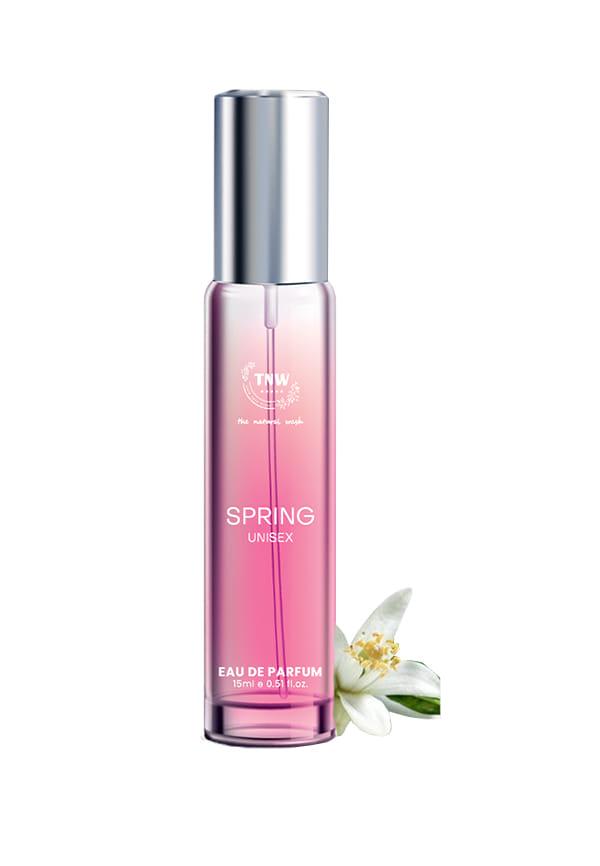
Spring Eau De Parfum Uplifts Mood & gives Long Lasting Freshness 15 ml (unisex perfume)
Wait at least 15-30 minutes between testing different fragrances to avoid olfactory fatigue. Your nose needs time to reset, or you won't get accurate impressions of each scent's true character and longevity.
Yes, but results will differ significantly from skin testing. Fabric holds fragrance longer but doesn't allow for the natural evolution that happens with your body chemistry. Test on both for a complete picture.
Price doesn't always correlate with longevity. Expensive fragrances often focus on complexity and quality of ingredients rather than pure staying power. Some budget fragrances use synthetic molecules specifically designed for extended wear time.
Smytten's trial packs are perfect for proper longevity testing. You get enough product to test multiple times under different conditions, helping you make informed decisions before purchasing full-size bottles.
Longevity measures how long you can detect the fragrance on your skin, while sillage refers to how far the scent projects from your body. A fragrance can have excellent longevity but poor sillage, or vice versa.
Testing perfume longevity properly requires patience and the right techniques, but it's absolutely worth the effort. Understanding concentration levels gives you realistic expectations, while proper skin testing reveals how fragrances will actually perform in your daily life. Remember that your skin chemistry, environment, and application technique all play crucial roles in fragrance performance evaluation.
The most reliable approach combines multiple testing methods—skin tests for real-world performance, blotter tests for pure fragrance evolution, and environmental factors consideration for complete assessment. Don't rush the process; give each fragrance multiple trials under different conditions before making final judgements about its staying power.
Finding fragrances with impressive longevity doesn't have to involve expensive mistakes or blind purchases. Smytten is India's largest product discovery and trial platform, connecting consumers with top lifestyle, beauty, wellness, and grooming brands through curated trial packs from over 1,500 trusted brands. This try before you buy approach lets you properly test perfume longevity from brands like Bella Vita, AJMAL, and many others before committing to full-size purchases. With trial packs available for just ₹249 and 100% cashback on trials redeemable for future orders, you can explore multiple fragrances and conduct thorough longevity testing without the financial risk. Smytten's India's largest minis collection covers everything from concentrated attars to modern EDPs, available on Smytten with PAN-India delivery. After all, why settle for 'maybe this will last' when you can #TryItAll and find fragrances that truly go the distance?
