How to Tell if Your Perfume Has Gone Bad: Signs to Watch For

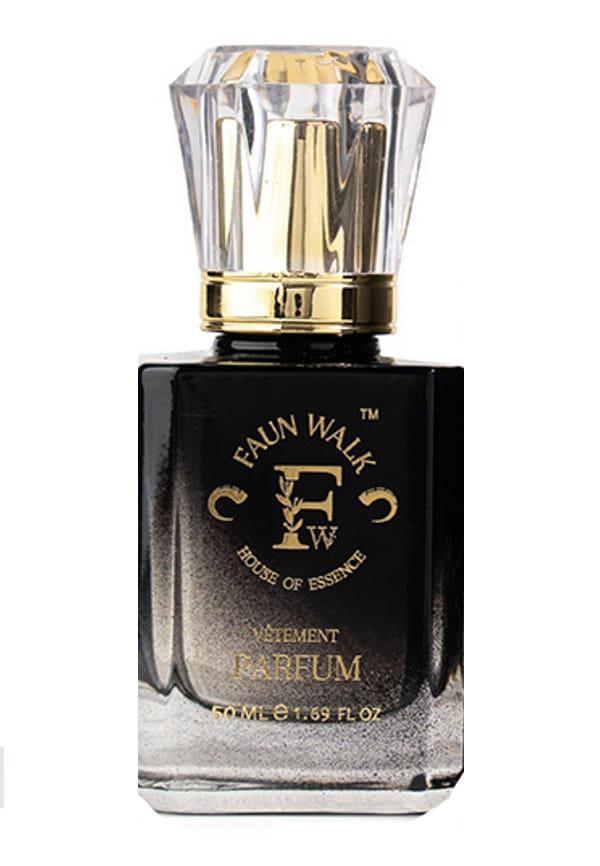
Toxicity | Long Lasting & Perfume For Women
That gorgeous bottle of perfume sitting on your dresser might be your signature scent, but how do you know if it's still worth wearing? Let's be real—perfumes don't last forever, and using a fragrance that's gone bad can be pretty disappointing (and sometimes even irritating to your skin). Whether you've had that bottle for years or just noticed something seems off about your favourite fragrance, knowing how to tell if a perfume has gone bad or expired is essential for any fragrance lover. With trial packs available on Smytten, you can discover fresh new scents without worrying about committing to full-size bottles that might sit around too long.
TL;DR
Watch for key perfume expiration signs: sour or vinegar-like smells, colour changes, and reduced performance
Most fragrances last 3-5 years when stored properly in cool, dark places away from heat and light
Spoiled perfume can cause skin irritation, so test carefully before using older fragrances
Proper storage extends perfume shelf life significantly—avoid bathrooms and direct sunlight
When in doubt, try something new rather than risk using questionable fragrances
Spotting a fragrance that's past its prime isn't always obvious, but there are some telltale perfume going bad symptoms to watch for. Your nose is usually the first detective in this case, but visual and texture changes can be just as revealing.
The most obvious sign of expired perfume is when your beloved fragrance starts smelling like something you'd rather not spray on yourself. Perfume smell change typically shows up as sour, vinegar-like, or metallic odours that definitely weren't part of the original composition. You might notice chemical or musty undertones creeping in where those lovely floral or woody notes used to live.
Sometimes the scent doesn't turn nasty—it just disappears entirely. If your perfume has lost its projection or longevity completely, that's another red flag. To properly test this, spray the fragrance and wait 10-15 minutes. Fresh perfume should still smell recognisable and pleasant after this time.
Fragrance discoloration is often the second most noticeable sign something's gone wrong. Clear perfumes might turn amber, yellow, or cloudy, while coloured fragrances typically darken significantly from their original shade. You might also spot crystallisation or sediment floating around in the bottle—definitely not a good look.
Notice your perfume feeling thicker or thinner than usual? Changes in liquid consistency often signal ingredient breakdown. The spray mechanism might start acting up too, getting clogged or producing uneven mists. When your fragrance starts wearing off within an hour instead of lasting all day, that's your cue that it's time for a replacement.
Most fragrances have a perfume shelf life of about 3-5 years, but this varies quite a bit depending on several factors. Unopened bottles generally last longer than ones you've been using regularly, simply because they haven't been exposed to air as much.
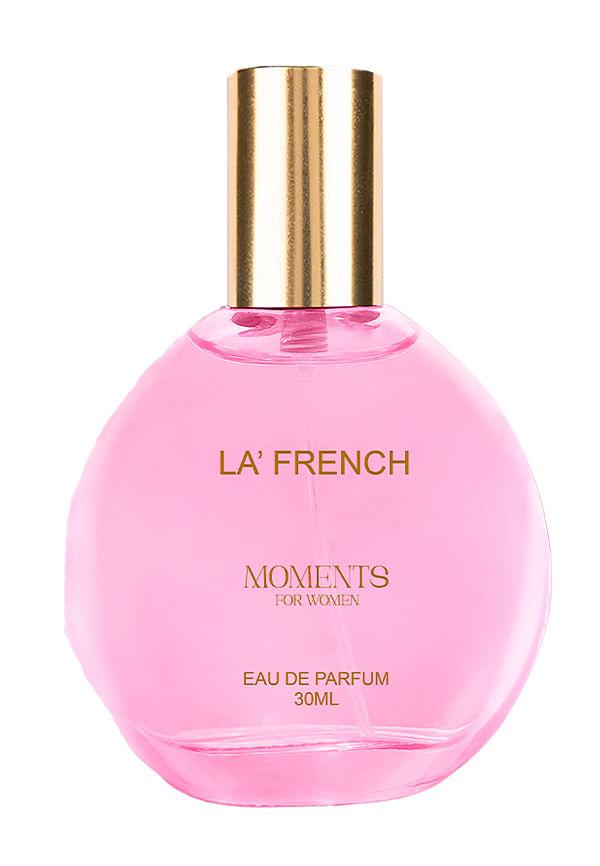
Moments Long lasting Perfume For Women
The alcohol content in your perfume plays a huge role in its longevity. Higher alcohol concentrations (like in eau de parfum) tend to preserve the fragrance better than lower concentrations. Natural ingredients typically break down faster than synthetic ones, which is why that gorgeous rose absolute might not last as long as a synthetic musk.
Citrus fragrances are notorious for having the shortest lifespan—often just 1-2 years—because those bright, zesty notes are quite delicate. On the flip side, oriental and woody scents with deeper, more complex bases can often last 5+ years when stored properly.
Understanding why fragrances spoil can help you prevent it from happening too quickly. It's basically a chemistry lesson in your beauty collection, and knowing the science helps you make smarter storage choices.
Heat is probably the biggest villain when it comes to fragrance degradation. Temperature fluctuations cause the liquid to expand and contract, which breaks down the delicate molecular structure. UV light is another major culprit—those pretty bottles sitting in direct sunlight on your windowsill are basically getting cooked.
Humidity and moisture create the perfect environment for bacterial growth and chemical reactions you definitely don't want happening in your perfume. Air exposure through repeated opening and closing leads to oxidation, which gradually changes the scent profile over time.
As alcohol evaporates (which happens naturally over time), the concentration of fragrance oils changes, throwing off the carefully balanced formula. Essential oils are particularly vulnerable to degradation, especially the lighter top notes that give your perfume its initial burst of scent. This is why older perfumes often smell heavier or more intense—the lighter notes have disappeared, leaving behind the deeper base notes.
Proper storage can seriously extend your fragrance's lifespan, and it's honestly not that complicated. The key is creating a stable environment that protects your perfume from its main enemies: heat, light, and air.
When thinking about how to store perfume, aim for cool, dark, and dry locations. The ideal temperature range is 60-70°F (15-21°C)—basically room temperature in a climate-controlled space. Your bedroom dresser or a dedicated perfume cabinet works brilliantly.
Avoid the bathroom at all costs, despite how convenient it seems. The humidity from showers and the temperature changes make it a fragrance graveyard. Similarly, keep bottles away from radiators, windows, and anywhere that gets direct sunlight.
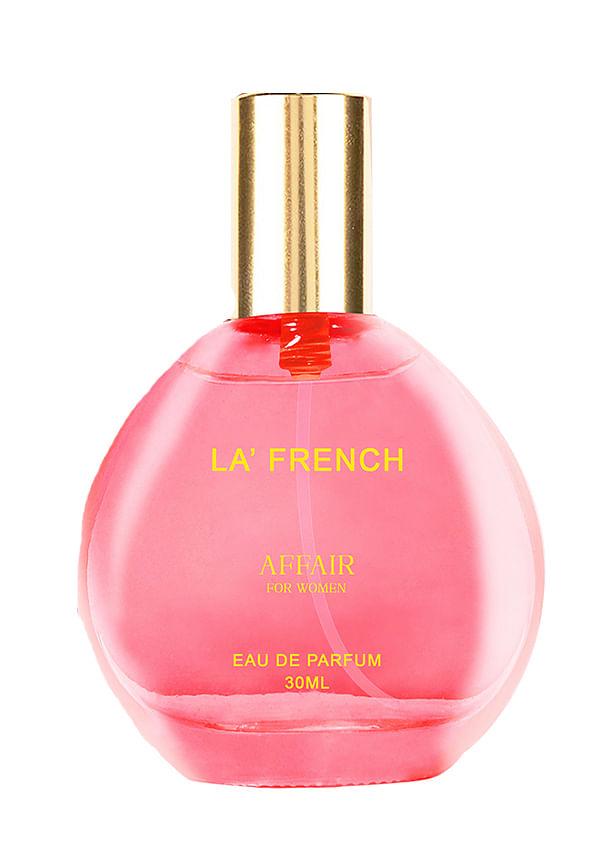
Affair Long lasting Perfume For Women
Keep your perfumes in their original boxes when possible—those cardboard containers aren't just for show, they provide extra protection from light. When using your fragrance, try to minimise air exposure by not leaving the cap off longer than necessary.
For travel, invest in proper travel atomisers rather than taking your full-size bottles on trips. The constant movement and temperature changes during travel can accelerate fragrance degradation.
While mildly expired perfume usually isn't dangerous, spoiled perfume can definitely cause problems for your skin. The key is knowing the difference between a fragrance that's just past its prime and one that's genuinely gone bad.
If your perfume has developed that sour, vinegar-like smell or shows significant discoloration, it's best to avoid skin contact entirely. These changes often indicate bacterial growth or chemical breakdown that could cause irritation, especially if you have sensitive skin.
For fragrances that seem questionable but not obviously spoiled, do a patch test on your wrist and wait 24 hours to see if any reaction develops. When in doubt, you can still use expired perfume on clothing or fabrics, though be aware it might stain or transfer unwanted odours.
Don't just chuck that expired bottle in the bin—there are actually some clever ways to repurpose fragrances that are no longer suitable for wearing. Plus, proper disposal is important for environmental reasons.
Expired perfume can work brilliantly as a room freshener or linen spray, especially if the scent change isn't too dramatic. You can also use it to scent drawers, wardrobes, or even as a car air freshener. Just remember to test on a small, hidden area first to make sure it won't stain.
When a fragrance is truly beyond saving, check your local council's guidelines for hazardous waste disposal. Many areas have specific collection points for items containing alcohol and chemicals. The glass bottles can often be recycled once properly cleaned, though check with your local recycling centre about any special requirements.
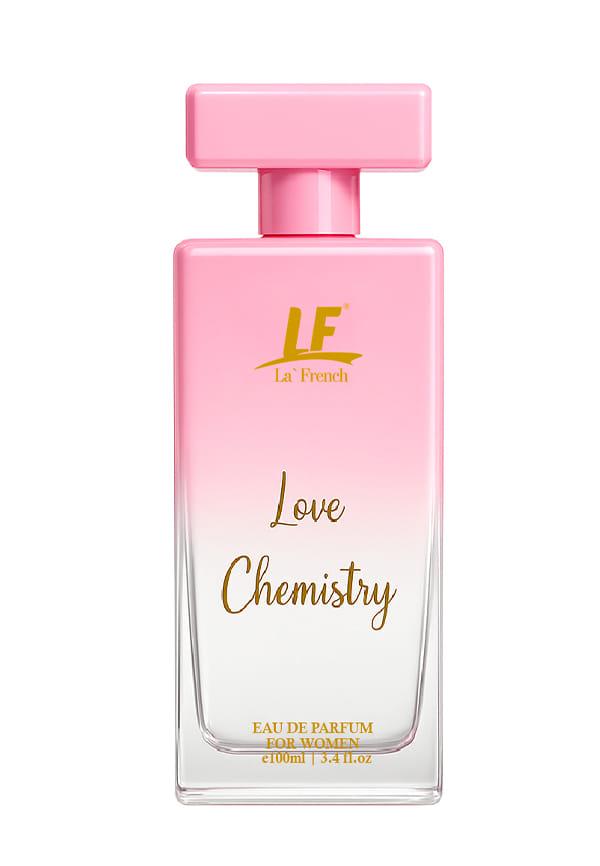
Love Chemistry Long Lasting Perfume For Women
Yes, unopened perfume can still expire, typically after 3-5 years, though it lasts longer than opened bottles. The ingredients gradually break down over time regardless of whether the bottle has been opened.
Mildly expired perfume is usually safe but may cause irritation, especially on sensitive skin. Severely spoiled fragrances with obvious colour or smell changes should be avoided entirely.
Look for visible changes like discoloration, cloudiness, or sediment in the bottle. However, scent changes are often the first sign, so you'll likely need to smell it to be certain.
Very old perfumes are likely significantly degraded and potentially irritating. If you must try it, do a patch test first and avoid using it regularly. Consider exploring fresh options available on Smytten instead.
Expired perfume has simply passed its optimal use period but might still be usable, while spoiled perfume has undergone chemical changes that make it unpleasant or potentially harmful to use.
Knowing how to spot the signs of expired perfume saves you from disappointing fragrance experiences and potential skin irritation. The main things to watch for are scent changes (especially sour or metallic smells), visual discoloration, and reduced performance. Most fragrances last 3-5 years when stored properly, but citrus scents tend to have shorter lifespans while oriental and woody fragrances often last longer.
Proper storage in cool, dark, dry places significantly extends perfume shelf life, so avoid bathrooms and direct sunlight. When you're unsure about a fragrance's condition, trust your nose and err on the side of caution—your skin will thank you for it.
Rather than worrying about whether your current collection has gone bad, why not discover some fresh new scents? Smytten offers curated trial packs from over 1,500 trusted fragrance brands, letting you explore new favourites without committing to full-size bottles that might sit around too long. With authentic brand-verified minis available across India, you can try before you buy and find your next signature scent with confidence. Each trial comes with 100% cashback on your purchase, making it the perfect way to refresh your fragrance wardrobe. After all, life's too short for questionable perfumes—try something new and discover what could become your next obsession.
