How to Match Your Perfume to Indian Seasons: A Fragrance Guide


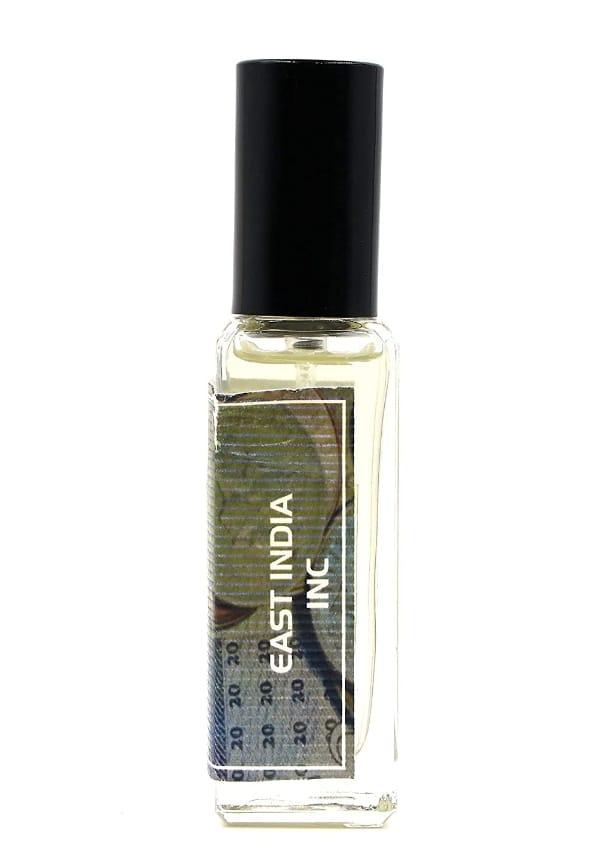
East India Inc By Projekt Alternative Extrait De Parfum
Finding the perfect fragrance for India's diverse climate can feel like solving a puzzle. With temperatures swinging from 15°C in winter to 50°C in summer, plus monsoons that bring intense humidity, your go-to scent might work brilliantly in December but feel overwhelming in May. The key is understanding how to match your perfume to the season you're in India, creating a fragrance wardrobe that adapts to our unique weather patterns. Whether you're dealing with Delhi's scorching summers or Mumbai's humid monsoons, the right seasonal scent can make all the difference. That's where platforms like Smytten come in handy—letting you trial different fragrances before committing to full-size bottles, so you can build your perfect seasonal collection without the guesswork.
TL;DR
Indian climate demands different fragrance families for each season—light citrus for summer, fresh scents for monsoon, rich woods for winter
Heat amplifies scent projection while humidity reduces longevity, requiring strategic application and intensity adjustments
Regional variations across India mean your fragrance strategy should consider local climate patterns and temperature ranges
Building a seasonal perfume wardrobe with 4-6 core scents ensures you're prepared for India's extreme weather transitions
Testing fragrances in actual seasonal conditions helps you make better choices for long-term satisfaction
India's climate isn't just about hot and cold—it's a complex dance of extreme temperatures, varying humidity levels, and regional differences that can make or break your fragrance experience. Unlike temperate countries with gradual seasonal shifts, we deal with dramatic weather changes that demand a completely different approach to perfume selection.
The sheer range of temperatures across Indian seasons creates unique challenges for fragrance lovers. Summer temperatures can soar above 45°C in northern plains, while hill stations might drop to 5°C in winter. This extreme variation means a perfume that feels perfect in Shimla's cool air might become cloying in Chennai's heat.
Regional climate differences add another layer of complexity. Mumbai's coastal humidity behaves differently from Delhi's dry heat, and what works in Bangalore's moderate climate might not suit Rajasthan's desert conditions. Understanding these **Indian perfume seasons** helps you make smarter fragrance choices.
Heat acts like a natural amplifier for fragrances, making even light scents project more strongly. During Indian summers, your usual spritz might feel overwhelming because the heat literally lifts more fragrance molecules into the air. Conversely, cold weather mutes scent projection, requiring stronger base notes or more generous application.
Humidity plays tricks with fragrance longevity too. Monsoon moisture can make scents feel flat or disappear faster, while dry winter air might make them last longer but feel less vibrant. These factors make seasonal fragrance planning essential for anyone serious about their scent game.
Indian summers are no joke, and your **fragrance for summer India** needs to be chosen with care. The goal is finding scents that feel refreshing rather than suffocating, complement the season's energy, and won't become overwhelming in 40°C+ heat.
**Citrus notes** are your best friends during summer months. Lemon, bergamot, orange, and grapefruit create that instant cooling sensation that feels like a breeze on a scorching day. These notes are naturally uplifting and won't feel heavy even when temperatures soar.
**Aquatic scents** with marine, oceanic, or fresh water notes transport you mentally to cooler places. Think sea spray, cucumber, or that crisp feeling after a swim. **Light florals** like jasmine, rose, or lily of the valley work beautifully too, especially when they're not too sweet or heavy.
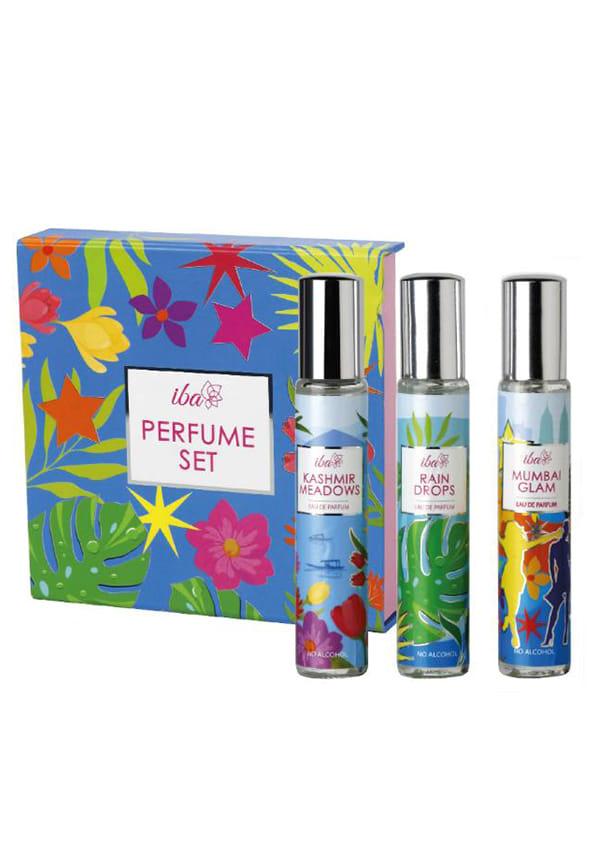
Perfume Set (Rain Drops, Kashmir Meadows, Mumbai Glam)
Timing is everything with summer fragrances. Apply your scent in the early morning when it's cooler, focusing on pulse points that won't get too heated throughout the day. Lower body application—ankles, behind knees—can be more comfortable than traditional wrist and neck spots.
Choose lighter concentrations like Eau de Toilette over Eau de Parfum during peak summer. The alcohol content evaporates faster, giving you that initial fresh burst without lingering too heavily as the day heats up.
Monsoons bring their own set of challenges for **perfume for monsoon India**. The combination of high humidity, frequent rain, and that distinctive petrichor smell in the air requires a completely different fragrance strategy.
High humidity acts like a wet blanket on fragrance performance, reducing both projection and longevity. Your usual scent might feel muted or disappear entirely in monsoon conditions. The constant moisture in the air also means fragrances interact differently with your skin chemistry.
Storage becomes crucial during this season. Excess moisture can affect your perfume bottles, and the general dampness might make some scents feel stale or off. This is when fresh, clean fragrances really shine.
**Fresh and clean** scents with white musk, cotton, or soap notes feel perfect against the backdrop of rain and humidity. These fragrances cut through the heavy air and provide a sense of cleanliness that feels especially welcome during monsoon's mugginess.
**Herbal aromatics** like eucalyptus, mint, or tea tree offer that crisp, medicinal freshness that complements the season's natural greenery. **Ozonic fragrances** that capture the essence of rain or petrichor can be particularly magical during this time.
**Winter perfume India** calls for completely different fragrance families. Cool weather mutes scent projection, so this is your chance to embrace those rich, complex fragrances that might feel too heavy during summer months.
**Woody notes** like sandalwood, cedar, oud, and rosewood create that warm, enveloping feeling that's perfect for cooler days. These base notes have the depth and complexity that won't get lost in cold air. **Warm spices** such as cinnamon, cloves, nutmeg, and saffron add that cosy factor that makes winter fragrances so appealing.
**Oriental accords** with amber, vanilla, benzoin, and frankincense create luxurious, warming scents that feel like a cashmere wrap. **Gourmand elements** like honey, caramel, coffee, or chocolate add comfort and richness that perfectly matches winter's mood.
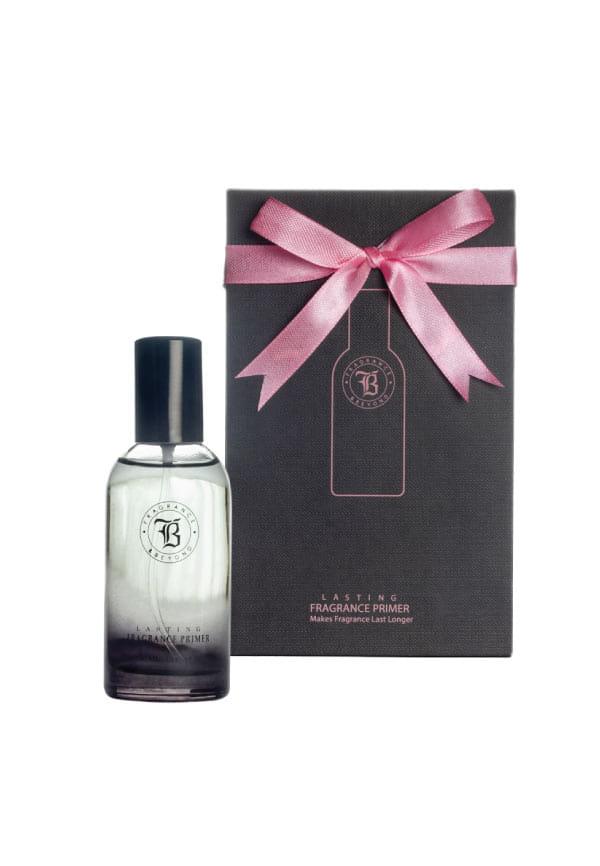
Fragrance Primer | Makes Fragrance Last Longer | Made In India | Unisex
North India's harsh winters in places like Delhi or Punjab can handle the heaviest, most warming scents. South Indian winters in cities like Chennai or Bangalore are milder, requiring moderate intensity fragrances. Hill stations with their crisp, cold air are perfect for maximum projection fragrances that might feel overwhelming elsewhere.
Building a **seasonal scents India** collection doesn't mean buying dozens of bottles. Smart curation based on our climate patterns can give you the perfect fragrance for every weather condition with just a few well-chosen scents.
Start with one signature scent for each major season—a fresh citrus for summer, clean aquatic for monsoon, and rich woody for winter. Add transitional fragrances for those in-between periods when weather is shifting. This gives you 4-6 core fragrances that cover all of India's weather patterns.
Consider travel-size options for climate changes, especially if you travel frequently across India's diverse regions. A **fragrance guide India** approach means thinking about portability and versatility alongside scent preferences.
The best time to test summer fragrances is during actual hot weather, not in air-conditioned stores. Similarly, test winter scents when it's genuinely cool. Your skin chemistry changes with temperature and humidity, so seasonal testing gives you the most accurate picture of how a fragrance will perform.
Sample testing in actual conditions is crucial for building your **types of perfume for India** collection. What smells divine in a cool store might feel completely different in Mumbai's humidity or Delhi's heat.
Mastering **perfume according to weather India** requires understanding both the science of fragrance and the practicalities of our climate. Professional techniques can help you get the most from your seasonal scents.
Seasonal pulse point mapping means adjusting where you apply fragrance based on weather. Summer calls for lower, cooler spots like ankles or behind knees. Winter allows for traditional warm spots like wrists and neck where body heat will help project the scent.
Layering with unscented moisturisers can help fragrance last longer in dry winter air, while avoiding heavy creams in summer prevents your scent from becoming too intense. Timing applications with weather patterns—early morning in summer, anytime in winter—optimises performance.
Protecting fragrances from heat damage during Indian summers means storing them in cool, dark places away from windows. Monsoon storage requires extra attention to humidity control, while winter's dry air is generally fragrance-friendly for storage.
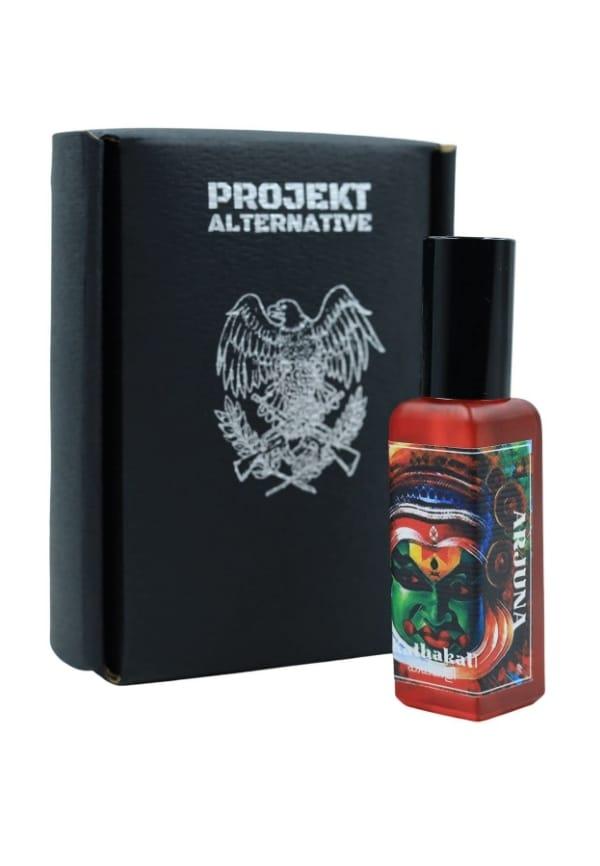
Arjuna By Projekt Alternative
Preventing seasonal degradation involves rotating your collection actively rather than letting bottles sit unused for months. This keeps fragrances fresh and helps you stay connected to your **Indian fragrance calendar**.
Match fragrance weight to temperature and humidity levels. Light, fresh scents work best in summer heat and monsoon humidity, while rich, warm fragrances suit winter's cooler, drier conditions. Consider your region's specific climate patterns too.
There's no single **best perfume for each season India** offers, but versatile options include light citrus-aquatic blends for hot months and warm woody-spicy scents for cooler periods. Building a small seasonal collection works better than seeking one perfect fragrance.
While possible, seasonal rotation enhances comfort and performance significantly. India's extreme climate variations mean your favourite winter scent might feel overwhelming in summer heat, and light summer fragrances often get lost in winter's cool air.
High humidity reduces both projection and longevity of most fragrances. Fresh, clean scents with good sillage work better than heavy, complex compositions during monsoon months. You might need to reapply more frequently or choose stronger concentrations.
Test fragrances during actual seasonal conditions rather than in controlled environments. Trial packs let you experience how scents perform in real weather before committing to full sizes, which is especially valuable for building your seasonal fragrance wardrobe.
Mastering seasonal fragrance selection for India's unique climate comes down to understanding how weather affects scent performance and building a curated collection that adapts to our extreme seasonal variations. Light, fresh fragrances excel in summer heat and monsoon humidity, while rich, warming scents shine during winter months.
Regional considerations matter just as much as seasonal ones—what works in Mumbai's coastal climate might not suit Delhi's continental extremes. Testing fragrances in actual weather conditions and building gradually with 4-6 core seasonal scents creates a versatile wardrobe that serves you year-round.
The investment in seasonal fragrance planning pays off in comfort, confidence, and the pure joy of wearing scents that perfectly complement India's diverse weather patterns. Your nose—and everyone around you—will appreciate the thoughtful approach.
Building the perfect seasonal fragrance collection for India's climate doesn't have to be overwhelming or expensive. Smytten's trial packs make it easy to explore different scent families and test how fragrances perform in actual weather conditions before investing in full-size bottles. With access to over 1,500 trusted fragrance brands and the ability to try before you buy, you can confidently build your Indian fragrance calendar knowing each scent has been properly tested in real conditions. The platform's 100% cashback on trials means you can experiment with seasonal scents affordably, discovering your perfect summer citrus or winter woody blend without the usual purchase pressure. After all, why settle for one fragrance when you can explore the full spectrum of seasonal scents and truly #TryItAll!
